🏠 Stay at home! 25% discount on all medicines


What Is Adderall Used For? A Comprehensive Guide

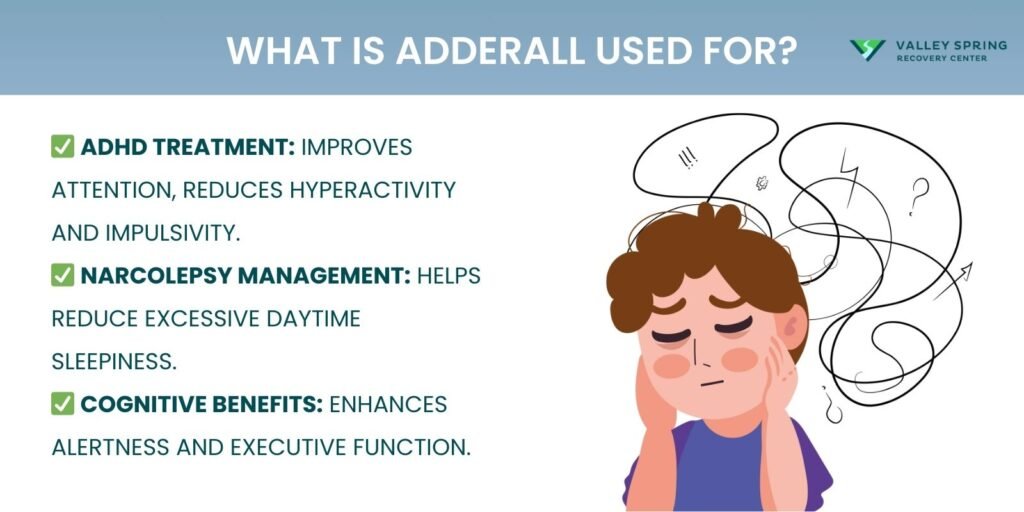
In today’s fast-paced world, the demands of daily life can often feel overwhelming, especially for individuals living with Attention Deficit Hyperactivity Disorder (ADHD) or narcolepsy. Recent statistics indicate that about 8.4% of children in the United States are diagnosed with ADHD, with many continuing into adulthood. As such, there is a growing reliance on medications to help manage these conditions, with Adderall being one of the most widely prescribed options. Understanding what Adderall is used for is crucial for anyone considering this medication.
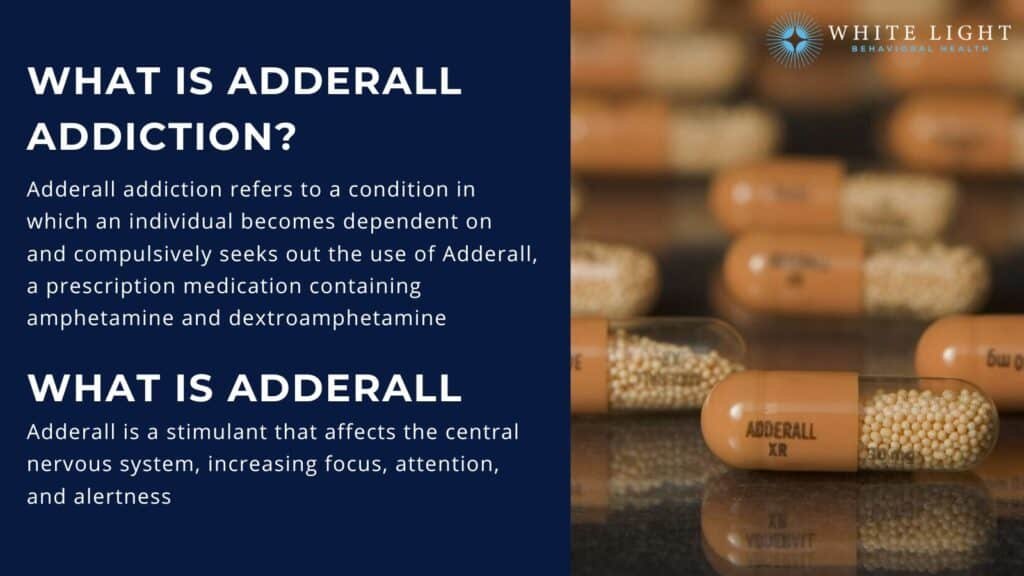
Adderall contains a combination of amphetamine and dextroamphetamine, both of which are central nervous system stimulants. They work by altering the balance of neurotransmitters in the brain, thereby improving focus, attention, and impulse control. However, the scope of Adderall’s usage extends beyond ADHD. This article delves deeply into its approved applications, benefits, risks, and how it impacts various populations.
Beyond treating ADHD, many are curious about how Adderall interacts with the brain and its potential side effects. This article aims to provide scientifically backed information on these aspects, answer common questions, and offer insights into what one can expect when prescribed Adderall. Understanding the comprehensive role of Adderall may empower individuals and their families to make informed decisions about its use.
Understanding Adderall: Composition and Mechanism of Action
Adderall is a prescription medication specifically designed to manage ADHD symptoms and is also approved for the treatment of narcolepsy. The drug combines two active ingredients: amphetamine and dextroamphetamine. Both are classified as stimulant medications and can have potent effects on the central nervous system.
When ingested, Adderall works by increasing the levels of certain neurotransmitters, namely dopamine and norepinephrine, in the brain. Dopamine is often associated with the brain’s reward system, influencing motivation, pleasure, and attention, while norepinephrine is tied to alertness and response to stress. By enhancing the activity of these neurotransmitters, Adderall can help improve focus and diminish impulsivity in individuals with ADHD.
This dual-action approach allows Adderall to be effective for both children and adults dealing with the challenges of ADHD. The medication can also aid individuals with narcolepsy by increasing alertness and reducing excessive daytime sleepiness. Understanding how Adderall functions at a biochemical level sheds light on its varied applications.
Is Adderall Effective for Treating ADHD?
Research indicates that Adderall can be particularly effective in treating ADHD symptoms. In clinical studies, patients generally reported significant improvements in attention span, task completion, and overall daily functioning. For example, a meta-analysis published in the Journal of the American Academy of Child & Adolescent Psychiatry found that stimulant medications, including Adderall, improved ADHD symptoms in roughly 70-80% of individuals diagnosed with the disorder.
Furthermore, Adderall’s effectiveness can vary based on individual factors, including age, severity of symptoms, and comorbid conditions such as anxiety or learning disabilities. These variables can impact how well the medication works for each person, emphasizing the importance of personalized treatment plans supervised by healthcare professionals.
In addition to neurochemical improvements, many individuals also report enhanced productivity and a better quality of life on Adderall. These effects can be particularly beneficial for students and adults seeking to manage their responsibilities effectively.
Does Adderall Have Any Other Approved Uses?
While ADHD remains the primary indication for Adderall, it is also FDA-approved for the treatment of narcolepsy, a sleep disorder characterized by excessive daytime sleepiness and sudden sleep attacks. Patients with narcolepsy often experience insufficient control over their sleep-wake cycles, and stimulants like Adderall can help to manage their symptoms.
In the case of narcolepsy, Adderall helps by promoting wakefulness, making it easier for individuals to stay alert during the day and avoid the risks associated with sudden sleep episodes. This application is essential for maintaining safety in various settings, including workplaces and while driving.
Additionally, some healthcare providers may prescribe Adderall off-label for conditions such as treatment-resistant depression, obesity, and even certain sleep disorders. Off-label use refers to the practice of prescribing medication for conditions not officially approved by regulatory agencies. However, this practice should always be guided by careful considerations, as the effectiveness and safety can differ significantly from what is established for formal indications.
The Benefits of Adderall: Enhancing Focus and Function
The primary benefits of Adderall stem from its ability to improve attention, focus, and behavior in individuals with ADHD. For many users, the medication acts as a cognitive enhancer, enabling them to concentrate better on tasks and maintain a more organized thought process. These improvements can significantly affect academic, professional, and social domains of life.
In studies assessing the impact of stimulant medications like Adderall, patients frequently report benefits such as heightened motivation, improved organizational skills, and the ability to complete homework or work projects more efficiently. These effects can lead to better performance outcomes for students in school and adults in their respective workplaces.
Moreover, the structured support provided by a medication like Adderall often works best when integrated into a comprehensive treatment plan. This regimen may include behavioral therapy, educational interventions, and support from family or peer networks. In combination, these strategies can lead to significant improvements in life quality.
Can Adderall Improve Quality of Life?
Many individuals prescribed Adderall report that their overall quality of life improves significantly as they manage their ADHD symptoms more effectively. By enhancing focus and reducing impulsivity, users often find it easier to engage in educational and professional opportunities. This empowerment can lead to improved self-esteem and reduced feelings of frustration associated with untreated ADHD.
Control over ADHD symptoms allows individuals to engage more fully in social situations, maintain meaningful relationships, and pursue personal interests without the overwhelming distraction that untreated ADHD can present. Consequently, many report higher levels of satisfaction in academic and occupational contexts.
However, it is essential to remember that the medication’s efficacy varies across individuals, and not everyone may respond positively to it. Continual monitoring by healthcare professionals helps to determine whether the benefits outweigh any potential drawbacks.
How to Use Adderall Responsibly
It is crucial that Adderall is used responsibly and as prescribed. Due to its stimulant nature, the drug has the potential for misuse and abuse, particularly in individuals who do not have ADHD or narcolepsy. Therefore, adherence to proper dosages and schedules as provided by a healthcare provider is essential.
Patients should also engage in regular follow-ups with their healthcare providers to assess the medication’s effectiveness and make adjustments when necessary. Continuous assessment helps ensure optimal treatment outcomes and addresses any emerging side effects or concerns patrons may have.
Moreover, it is vital to avoid combining Adderall with other substances, including alcohol or illicit drugs, as these can exacerbate the risks associated with the medication. Education surrounding the responsible use of Adderall plays a key role in mitigating potential adverse effects.
Adderall Side Effects: What to Expect
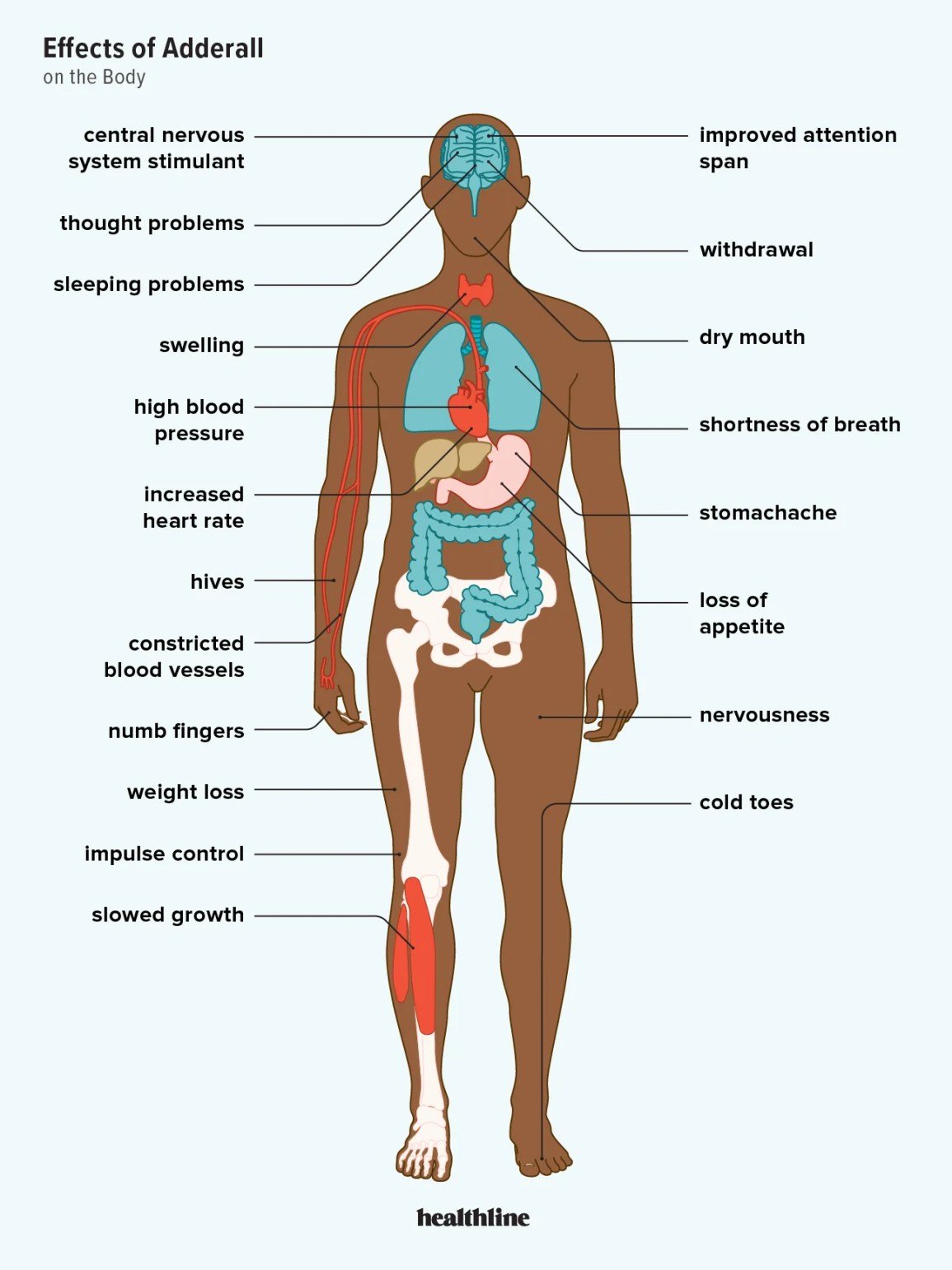
As with any medication, Adderall is not without its risks. While many individuals tolerate the medication well, some may experience side effects. Common side effects associated with Adderall include insomnia, appetite reduction, and increased heart rate. These effects are often manageable and may diminish as the body adjusts to the medication over time.
Other potential side effects can include dry mouth, anxiety, and irritability. Should any lingering or severe side effects occur, it is vital for individuals to communicate these to their healthcare provider for further evaluation. Understanding the potential for adverse effects is essential when considering whether the benefits of such medication outweigh the risks.
In rare cases, Adderall may cause more severe cardiovascular issues, including elevated blood pressure or heart problems. Those with pre-existing heart conditions should be especially cautious and discuss their medical history with their provider prior to starting treatment.
Are There Long-Term Risks to Using Adderall?
Long-term use of Adderall raises additional questions regarding safety. While many individuals take Adderall without experiencing significant complications, extended use can lead to dependence. This is especially true for individuals who misuse the medication to achieve euphoria or enhanced performance.
Prolonged Adderall use can also result in withdrawal symptoms upon discontinuation, such as fatigue, depression, or increased cravings for the medication. These withdrawal symptoms may lead some individuals to continue using the medication beyond recommended dosages. Regular conversations about dosage adjustments and tapering methods with healthcare providers can help manage the risks associated with long-term use.
Additionally, while many patients benefit from Adderall’s cognitive effects, those without ADHD who misuse the drug in an attempt to improve academic or work performance may not obtain the intended benefits and could experience significant side effects instead.
What Do Experts Say About Adderall Abuse and Addiction?
Due to the medication’s stimulant properties, there is a serious risk of misuse and addiction, particularly among college students and young adults. Many individuals may see Adderall as a means to enhance focus for studying or achieving better work outcomes. However, this misuse can lead to devastating consequences, including dependency, withdrawal symptoms, and other health-related complications.
Healthcare providers emphasize the importance of using Adderall strictly as prescribed and caution against recreational use. Education around the dangers of misuse is essential for both patients and the broader community. Several national and organizational campaigns are working to raise awareness of the risks associated with non-medical use of prescription stimulants.
Ultimately, if you or someone you know is struggling with misuse of Adderall or similar medications, certain resources are available to seek help, including support groups and addiction recovery programs.
Common Questions About Adderall
What does Adderall do to a normal person?
In individuals without ADHD or narcolepsy, Adderall may cause heightened alertness and energy levels, potentially leading to increased focus or enhanced mood. However, these effects can come with adverse reactions, including anxiety, jitters, and increased heart rate. Rather than improving cognitive performance, individuals without ADHD may find that their overall functioning declines due to adverse side effects.
Is Adderall used for anxiety disorders?
Adderall is generally not prescribed for anxiety disorders. In some cases, individuals with ADHD might experience comorbid anxiety and may be treated simultaneously for both conditions. However, the stimulant effects of Adderall can potentially exacerbate anxiety symptoms for some people. Patients with a history of anxiety should inform their healthcare provider to help determine the best course of action.
Is Adderall legal, and what is its status in the medical community?
Adderall is legal when prescribed by a licensed healthcare provider in the United States. It is classified as a Schedule II controlled substance due to its potential for misuse and dependence. This category signifies a recognized medical utility while cautioning against the potential for abuse. Thus, it is crucial for individuals to adhere strictly to their healthcare provider’s guidance regarding its use.
What are the potential long-term impacts of taking Adderall?
The long-term impacts of Adderall can vary. For some, responsible use can lead to improved life quality, better management of ADHD symptoms, and increased functionality. Conversely, misuse can elevate the risk of addiction, dependence, and negative health outcomes. As such, regular medical supervision is essential for anyone taking Adderall over an extended period.
What are some alternatives to Adderall for ADHD treatment?
Alternative medications for managing ADHD symptoms exist, including other stimulant medications like methylphenidate (Ritalin, Concerta) as well as non-stimulant options such as atomoxetine (Strattera). Behavioral therapy and lifestyle adjustments, such as structured routines and cognitive-behavioral strategies, can also be valuable components of a comprehensive management plan.
Can Adderall help with weight loss?
Although some individuals experience weight loss when taking Adderall due to appetite suppression, it is crucial to note that the medication is not indicated for weight loss. Using Adderall as a weight-loss tool can lead to misuse, dependency, and negative health repercussions. Individuals seeking to manage their weight should do so through established dietary and lifestyle modifications rather than relying on stimulant medications.
Conclusion: The Responsible Use of Adderall
Adderall serves as a essential tool in the treatment of ADHD and narcolepsy, showcasing both its therapeutic benefits and its potential for misuse. Its ability to increase focus and improve quality of life for those with ADHD has made it a mainstay in behavioral health management. However, the landscape of its use comes with significant responsibilities, including the need for careful monitoring and adherence to prescribed dosages.
Ultimately, effective outcomes hinge upon a collaborative approach between patients and their healthcare providers. Regular evaluations can help ensure that the medication serves its intended purpose while minimizing risks. Educating oneself and remaining aware of both the benefits and risks associated with Adderall play an essential role in responsible usage.
For individuals experiencing symptoms of ADHD or narcolepsy, seeking professional assistance can help determine if Adderall is the right fit within a broader treatment strategy. Navigating the complexities of medication management requires a commitment to health and safety, allowing individuals to lead fulfilling and productive lives.
