🏠 Stay at home! 25% discount on all medicines


What is Adderall? Understanding Its Uses, Effects, and Risks


Adderall is a widely prescribed medication that has gained significant attention in recent years, both for its legitimate medical applications and its controversial use among those seeking cognitive enhancement. In the U.S., approximately 6.1 million children have been diagnosed with Attention Deficit Hyperactivity Disorder (ADHD), and Adderall is one of the primary treatments prescribed. Beyond its use in children, adults also find themselves exploring the potential benefits of this stimulant.
Understanding what Adderall is, how it functions, and the implications of its use is essential not only for patients but also for their families and caregivers. In this comprehensive guide, we will explore Adderall’s chemical composition, its prescribed uses, its effectiveness, common side effects, risks associated with its use, and much more.
This article aims to equip you with a wealth of knowledge on Adderall. Whether you’re considering it for yourself or a loved one, or simply looking to understand this medication better, the insights provided herein will help clarify its multifaceted role in treating ADHD and narcolepsy.
What is Adderall and How Does It Work?
Adderall is a prescription medication that combines two stimulant medications: amphetamine and dextroamphetamine. This fixed-dose combination medication belongs to a class of drugs known as amphetamines. The primary function of Adderall is to increase the availability of dopamine and norepinephrine in the brain, neurotransmitters that play crucial roles in regulating mood and attention.
This increase in dopamine helps sharpen focus, enhance mental clarity, and ultimately improve overall cognitive function. While Adderall is primarily prescribed for ADHD and narcolepsy, its mechanism also leads to the significant risk of abuse and dependency, particularly among individuals not diagnosed with these conditions.
The generic name for Adderall is **dextroamphetamine/amphetamine**. Notably, individuals may also refer to the medication by its alternative formulations or those that are medically equivalent, which contribute to the importance of understanding both the generic and brand names.
What is Adderall Used For?
Adderall is mainly prescribed for two medical conditions: Attention Deficit Hyperactivity Disorder (ADHD) and narcolepsy. ADHD is a neurodevelopmental disorder characterized by symptoms such as difficulty maintaining attention, excessive activity, and impulsiveness. The stimulating effects of Adderall can help individuals manage these symptoms, thereby improving functioning in academic, occupational, and social situations.
Narcolepsy, on the other hand, is a chronic sleep disorder that disrupts the brain’s ability to control sleep-wake cycles, causing extreme daytime drowsiness and sudden sleep attacks. By stimulating the brain, Adderall helps regulate wakefulness in those struggling with this condition.
How Does Adderall Differ from Other Stimulants?
While other stimulant medications exist, such as Ritalin (methylphenidate), Adderall sets itself apart through its unique composition and efficacy. For instance, Adderall is often favored for its long-lasting effects, providing symptom relief throughout the day with a single dose. Other medications might require multiple doses to achieve the same level of control.
Additionally, the combination of amphetamine and dextroamphetamine in Adderall invites different behavioral responses compared to single-ingredient formulations. Doctors may consider various factors when prescribing, including individual symptom severity, previous medication responses, and potential for side effects.
Adderall Benefits: Why is It Prescribed?
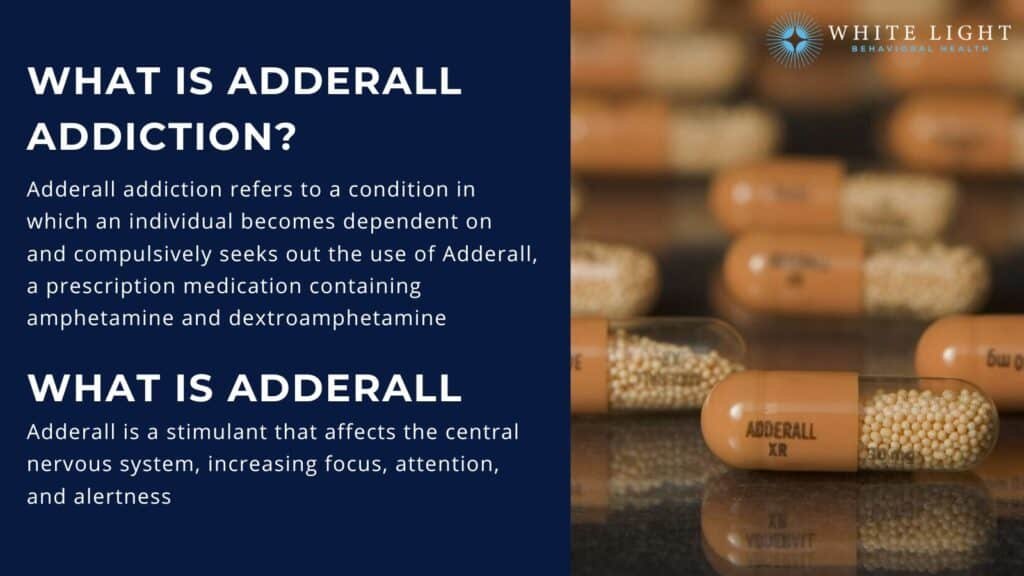
The benefits of Adderall are particularly pronounced for individuals diagnosed with ADHD and narcolepsy. For ADHD patients, Adderall may lead to improvements in various areas of life, such as academic performance, job efficiency, and interpersonal relationships. Patients often report enhanced focus, better organization, and increased motivation as a direct consequence of the medication.
You might be surprised to learn that individuals without ADHD sometimes use Adderall for different purposes, including cognitive enhancement. Many students and professionals claim that Adderall helps them study longer, concentrate better during demanding tasks, and overall, achieve higher performance levels. However, using Adderall without a prescription poses significant risks and is illegal.
Adderall and Cognitive Enhancement: A Controversial Use
The off-label use of Adderall, particularly among college students and professionals under performance pressure, has put the medication under scrutiny. Some users believe that it helps them work more efficiently, particularly during stressful periods, like exam seasons or project deadlines.
Nevertheless, such unregulated usage does not come without consequences. Users who do not truly need the medication may develop side effects or face the risk of developing a dependency or addiction due to the euphoric sensations sometimes reported. The American Addiction Centers have emphasized the importance of using Adderall responsibly, underscoring the dangers associated with misuse.
The Psychological and Social Benefits
Besides academic and professional gains, users may report improvements in social relationships as a result of clearer communication skills and better emotional regulation. Such improvements stem from enhanced focus and reduced impulsivity, two hallmarks of successfully managing ADHD symptoms.
However, while these benefits can make a valid argument for prescription usage, it is crucial for patients and families to consult healthcare providers. Regular evaluation and transparent communication about treatment effects are vital to ensure optimal outcomes and monitor the potential for adverse effects.
Dosage Guidelines: How is Adderall Prescribed?
The appropriate dosage of Adderall can vary significantly based on the individual’s age, condition, and previous treatment history. For children, healthcare providers typically start with a lower dosage to monitor for any adverse reactions before adjusting upward. Adults, on the other hand, might find their initial prescriptions are higher due to a different threshold for tolerating the medication.
Certain guidelines recommend beginning with 5 mg once or twice a day. Based on the patient’s response, the doctor may incrementally increase the dose, with the common maximum dosage for adults usually reaching 40 mg per day. However, each case is unique, and only a qualified healthcare provider should navigate the dosing process.
What Happens if You Miss a Dose?
If a prescribed dose of Adderall is missed, it is typically advised to take it as soon as the individual remembers, unless it’s close to the time for the next scheduled dose. In that case, the missed dose should be skipped. Individuals should avoid doubling up on doses to compensate for missed ones, as this can lead to increased side effects or overdose.
Establishing a consistent medication routine is essential for individuals taking Adderall, so utilizing pill organizers, alarms, or reminders can help manage scheduled doses effectively.
Can Adderall Be Taken with Other Medications?
Combining Adderall with other medications can present risks, particularly if those medications also increase serotonin levels or have stimulant properties. It’s critical for an individual to disclose all medications and supplements they are taking to their healthcare provider before starting Adderall. This can help minimize the risk of harmful drug interactions, including hypertension, cardiovascular issues, and increased anxiety levels.
Common Side Effects of Adderall
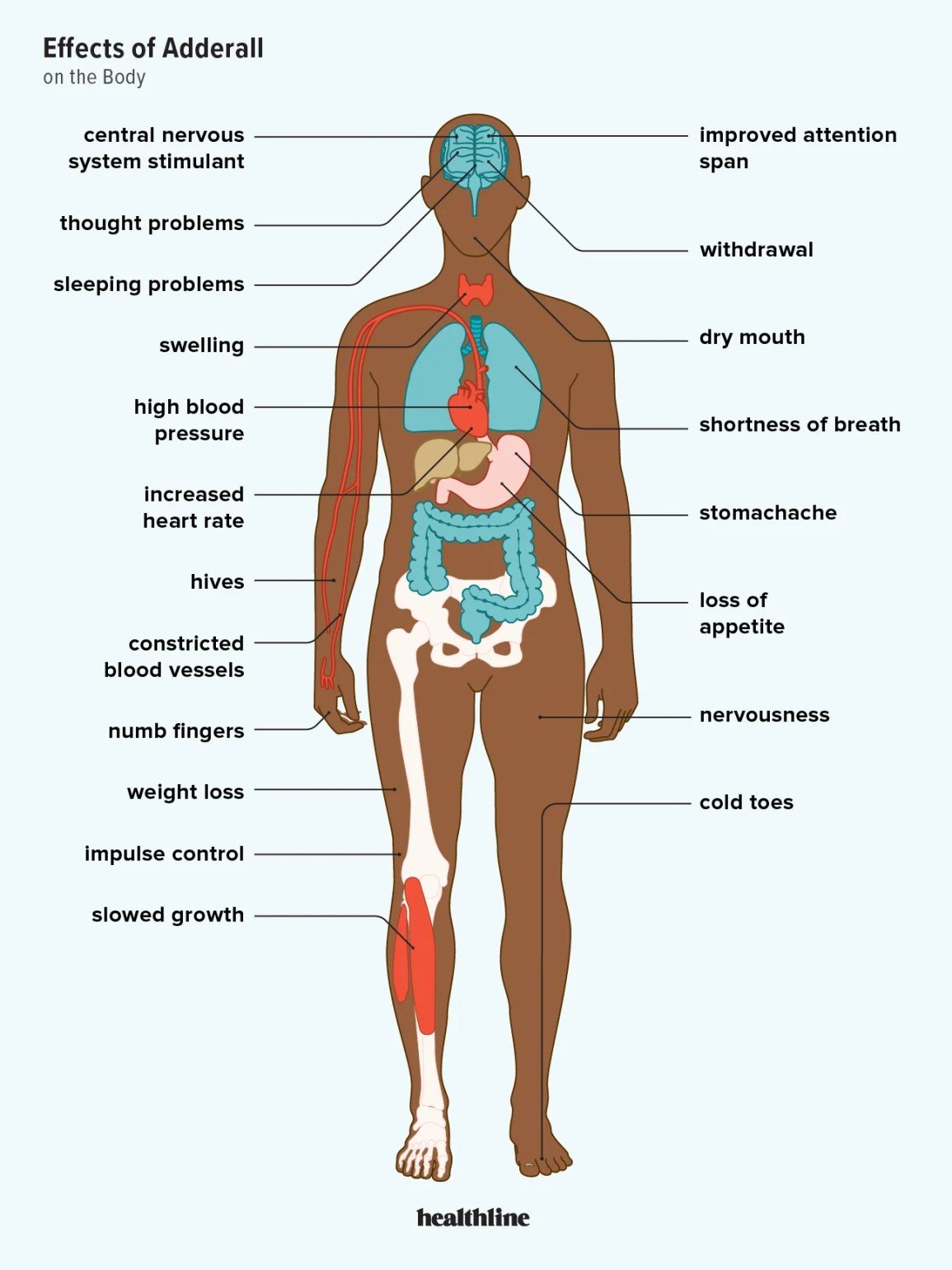
While many individuals respond well to Adderall, several potential side effects are associated with its use. The most common side effects include:
- Insomnia – Difficulty falling or staying asleep is often reported.
- Appetite suppression – Many users experience a decreased desire to eat.
- Increased heart rate – Stimulants like Adderall can cause an elevated heart rate.
- Dizziness or light-headedness – Some patients may feel faint, especially when standing up quickly.
- Dry mouth – Reduced saliva production can lead to discomfort.
More serious side effects, while less common, include cardiovascular problems, mood changes, and potential for addiction. It’s essential to monitor any symptoms closely and discuss them with a healthcare provider, particularly if worsening or not disappearing over time.
When to Seek Medical Attention
Patients should remain vigilant about any severe reactions to Adderall. Signs warranting immediate medical attention include chest pain, severe anxiety, confusion, or hallucinations. Such symptoms can indicate serious complications and should not be ignored. Regular follow-ups with a healthcare provider are important to ensure safe use and address any adverse reactions that might arise.
The Dangers of Adderall: Risks and Misuse
The misuse of Adderall has grown increasingly concerning, particularly on college campuses and among professionals seeking to enhance productivity. Misuse can lead to severe health risks, including addiction, cardiovascular issues, and psychological disturbances.
Moreover, individuals using Adderall without a prescription may not understand the proper dosage, which can lead to overdosing. These risks underscore the importance of using Adderall only as directed by a qualified healthcare provider to avoid the potential for misuse and dependency.
Adderall Addiction and Dependency
Adderall, classified as a Schedule II controlled substance in the United States, carries a significant risk of addiction. Regularly consuming higher than prescribed doses raises the risk for developing tolerance, leading users to seek higher doses to achieve the same desired effects. For some, this forms a cycle of dependency that can be challenging to break.
Symptoms of addiction may include cravings for the drug, lack of control over its use, and continued use despite negative consequences. Those struggling with addiction should seek professional help, as Adderall withdrawal can come with intense psychological and physical symptoms.
Long-Term Effects on Health
Long-term use of Adderall may lead to a host of health issues, particularly if the drug is misused. Chronic users might experience cardiovascular complications that can manifest as elevated blood pressure, increased risk for heart attack, and stroke. Mental health concerns, including severe anxiety and depression, are also reported in some long-term users.
What to Know Before Taking Adderall
Before starting Adderall, patients must have an in-depth discussion with their healthcare provider about any pre-existing conditions, allergies, or personal and family history of cardiovascular problems and mental health disorders. Such information allows the physician to determine the medication’s appropriateness, potential risks, and tailor the treatment plan for optimal results.
Pregnant and breastfeeding individuals should also consult health professionals, as Adderall can pass through the placenta and into breast milk, potentially affecting the developing fetus or newborn.
Alternatives to Adderall
For individuals who experience excessive side effects from Adderall or wish to seek alternatives for managing ADHD, several options may assist. Non-stimulant medications, such as Strattera (atomoxetine), provide alternative treatment pathways. Behavioral therapy and lifestyle modifications have also been shown to be effective in managing ADHD symptoms.
Engaging in regular physical activity, practicing good sleep hygiene, and maintaining a balanced diet can complement medical treatments and enhance overall effectiveness. Patients are advised to work in collaboration with healthcare providers to tailor a strategy that aligns with their specific needs.
Frequently Asked Questions (FAQ)
Is Adderall an opioid?
No, Adderall is not an opioid. It belongs to a class of drugs known as stimulants, specifically amphetamines. Opioids are a different class of medications primarily prescribed for pain management. While both categories have potential for misuse, they operate through different mechanisms in the body.
What is Adderall’s generic name?
The generic name for Adderall is **dextroamphetamine/amphetamine**. Some pharmacies also fill it under its generic names, which may make it more accessible at a potentially lower cost. Depending on your healthcare plan, you may also find that the generic version is preferable from a financial standpoint.
What are the side effects of Adderall?
Adderall can produce various side effects, including insomnia, appetite suppression, increased heart rate, dry mouth, headaches, and potential mood changes. Serious side effects necessitating medical attention may include chest pain, shortness of breath, and severe anxiety. Regular consultations with healthcare providers can help manage any side effects.
What is Adderall used for in adults?
In adults, Adderall is primarily used to treat ADHD and narcolepsy. For those with ADHD, it can help improve attention span, reduce impulsivity, and enable better task completion. In those with narcolepsy, Adderall assists in promoting wakefulness and decreasing excessive daytime sleepiness.
What are the benefits of taking Adderall?
The benefits of taking Adderall include improved concentration, better focus on tasks, enhanced academic and professional performance for those with ADHD, and regulation of sleep patterns in individuals with narcolepsy. These benefits, however, come with the potential for side effects and should only be used under medical supervision.
What is the standard dosing for Adderall?
The standard initial dose of Adderall for adults typically starts at 5 mg per day and can be adjusted based on individual response and tolerability, with the maximum prescribed dose sometimes reaching up to 40 mg per day. Children may start at lower doses to assess their reactions before making adjustments.
Can you buy Adderall without a prescription?
No, Adderall is a controlled substance and requires a prescription from a licensed healthcare provider. Purchasing it without a prescription is illegal and poses serious health risks, including potential addiction and severe side effects.
Conclusion
Adderall represents a powerful tool for individuals struggling with ADHD and narcolepsy, significantly improving managing their symptoms, functionality, and overall quality of life. However, with such power comes inherent risks and concerns surrounding misuse and psychological dependency. The message here is clear: prescription medications should be treated with care, and the governance of qualified healthcare providers should guide usage.
For those prescribed Adderall or considering it as an option, ongoing dialogue with healthcare professionals about risks, benefits, and personal experiences is crucial. Regular follow-ups help ensure the medication remains effective and safe for long-term use, adjusting as necessary to accommodate individual needs.
Ultimately, education is key. Understanding what Adderall is and the complexities surrounding its use will empower patients and their families to navigate their treatment choices confidently. Whether you’re beginning your journey with Adderall or exploring alternatives, comprehensive knowledge leads to better health outcomes.
