🏠 Stay at home! 25% discount on all medicines


What Does Adderall Look Like? Understanding Its Different Forms and Colors

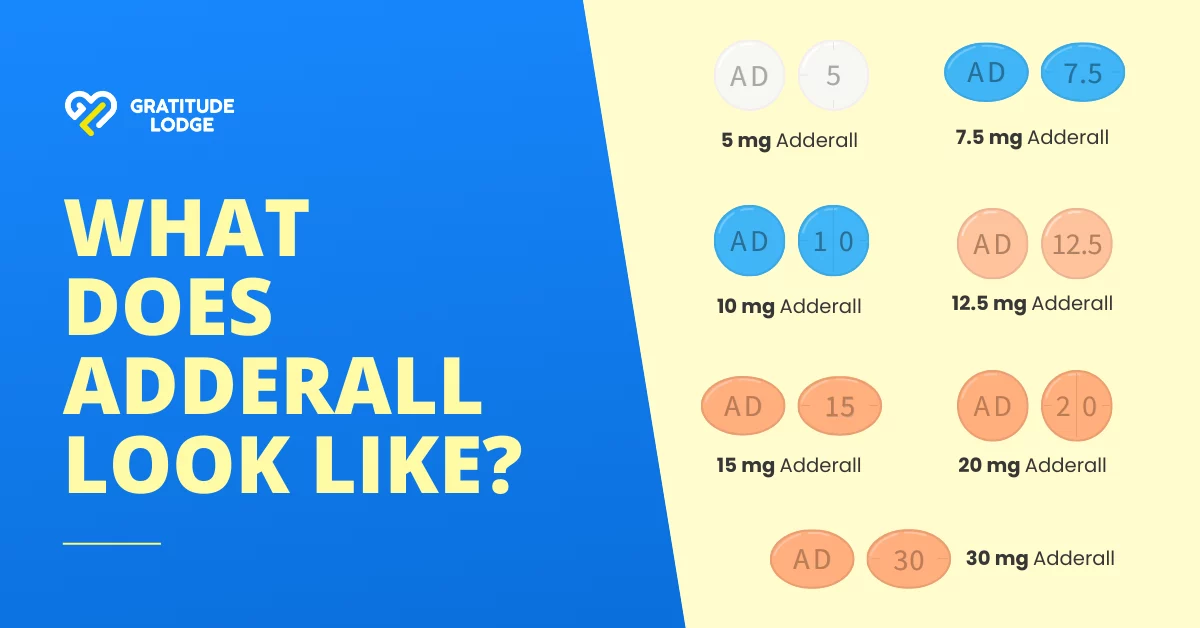
Adderall, a medication commonly prescribed for attention deficit hyperactivity disorder (ADHD) and narcolepsy, is a combination of amphetamine and dextroamphetamine. It is crucial to recognize what Adderall looks like, as this knowledge can help ensure safe usage and prevent potential misuse or accidental ingestion by those who should not take it. According to a study by the Substance Abuse and Mental Health Services Administration (SAMHSA), approximately 6.1% of full-time college students misuse Adderall, highlighting the importance of identification for safety. Furthermore, knowing the different appearances of Adderall can aid patients in adhering to their treatment regimens effectively.
In this comprehensive article, we will explore various aspects of Adderall, including what it looks like in different dosages, how to identify it correctly, and the variations between the immediate-release and extended-release forms. Furthermore, we will delve into the potential risks associated with misidentification and misuse, providing a detailed overview that will be invaluable for both patients and caregivers.
Having a strong understanding of what Adderall looks like can not only enhance adherence to prescribed treatment plans but can also help in recognizing counterfeit pills and reducing the risk of adverse effects stemming from incorrect usage. Let us take a deeper look at the forms and colors of this prescribed medication along with essential information regarding identifying Adderall accurately.
What Does Adderall Look Like in Different Dosages?
Adderall is available in both immediate-release (IR) and extended-release (XR) formulations. The differences in appearance between the two can often lead to confusion, especially for individuals who might be prescribed different dosages. The appearance varies significantly by the dosage and the form of the medication. This section will break down what Adderall looks like at various strengths.
Adderall 5 mg: Identifying the Smallest Dosage
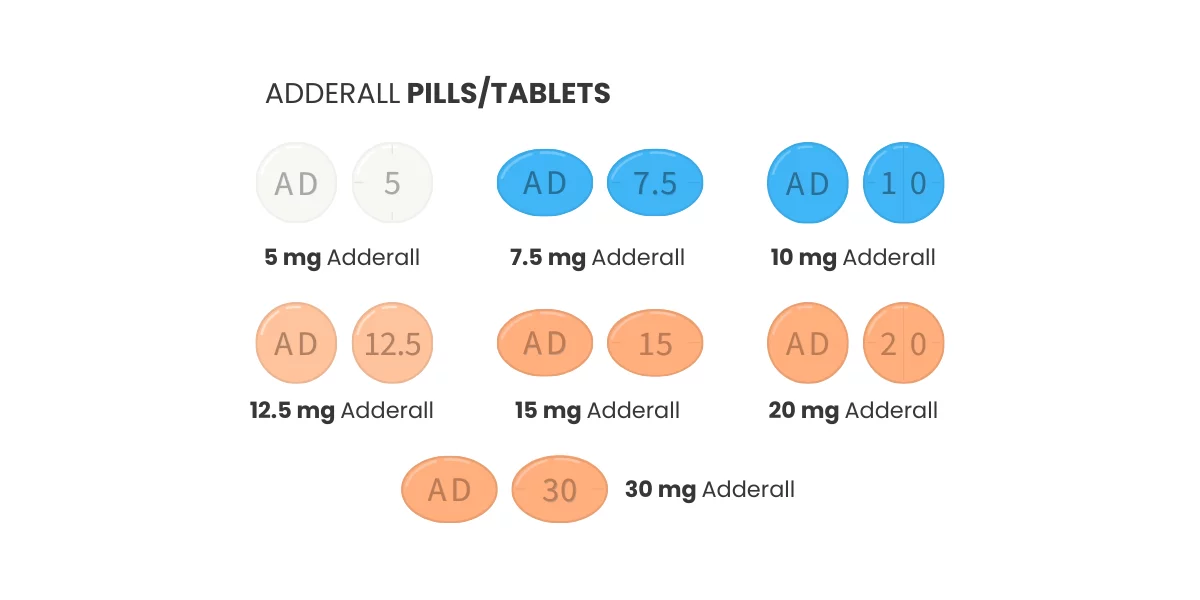
The 5 mg Adderall is one of the smallest dosages available and provides a significant understanding of the generally compact shapes and colors associated with this medication. The 5 mg tablet usually appears as a blue, round pill that is scored, meaning it has a line down the middle, which allows it to be split easily if necessary. On one side of the pill, you will find the imprint code “b 971” along with the dosage “5” indicated, making it easy to identify.
This smaller dosage is often prescribed for children or those new to the medication, and recognizing its appearance can help avoid potential mix-ups with other medications. It is important for caregivers and health providers to ensure that this specific identification is maintained, as larger doses may have more potent effects.
What Does Adderall Look Like at 10 mg?
Next, the 10 mg Adderall tablet distinguishes itself with a different but identifiable look. Typically, the 10 mg version is a blue oval-shaped tablet with a similar imprint code as the 5 mg and usually bears the markings “AD” on one side and “10” on the other. The change in shape from round to oval signifies a larger dosage which is critical for patients to note, as mistaking them could lead to unintended side effects or drug interactions.
It’s worth noting that with the increase in dose, some patients may be more susceptible to side effects. Therefore, being able to easily recognize this pill helps both patients and caregivers manage the treatment effectively and mitigate any health risks associated with incorrect dosages.
Adderall 20 mg: Recognizing the Common Strength
The 20 mg Adderall tablet is one of the most common prescriptions for adults diagnosed with ADHD and is often used to manage symptoms effectively. This tablet typically shows up as a round orange pill. On one side, it will feature the imprint “AD” along with “20” on the reverse side. The distinct orange color associated with this strength is significant for identification, providing a helpful visual cue for users and healthcare providers.
Familiarity with the 20 mg Adderall is particularly vital for patients transitioning from lower doses, as the effects can be markedly more pronounced. The vibrant orange color offers a visual distinction from both lower and higher dosages, thereby facilitating more accurate recognition and treatment adherence.
Adderall 30 mg: Identifying the Highest Common Strength
For those prescribed the highest dosage of Adderall, the 30 mg capsule is oval-shaped and generally comes in a light orange hue with darker orange speckles. The text “30” is imprinted on one side, while the other side has “AD” printed. These characteristics—specifically the oval shape and the split color—create a visual differentiation from the lower dosages.
The introduction of the 30 mg dosage is typically reserved for adults or those who have built up a tolerance and may need additional medication to effectively manage their ADHD symptoms. Recognizing this specific appearance is crucial, as taking the incorrect dose can lead to severe side effects or ineffective therapy.
What Do Adderall XR Capsules Look Like?
Adderall XR, or extended-release Adderall, is designed to be released slowly throughout the day, making it a favorable option for individuals who experience symptoms beyond regular dosage intervals. The appearance of Adderall XR capsules differs notably from the tablet forms.
Understanding the Capsule Design
The Adderall XR capsules usually appear as clear with orange and blue bands around the body. These capsules have tiny pellets inside that provide the extended-release effect. The end with the orange band will have the dosage printed on it, such as “20 mg” or “30 mg,” which makes identification straightforward when comparing it to its immediate-release counterparts.
This capsule form is designed for those who prefer less frequent dosing while still achieving effective management of their symptoms. Immediate identification is essential for patients to avoid accidental misuse since the visual characteristics delineate Adderall XR from IR clearly, further preventing possible health risks.
The Importance of Recognizing XR vs. IR
Understanding the distinctions between XR and IR formulations is crucial for medication adherence. Taking Adderall XR when prescribed Adderall IR can lead to difficulties in controlling symptom management, while the reverse can increase the risk of side effects or even overdose. Proper recognition of each form allows patients to follow their prescribed medication regimen accurately, mitigating such risks. Educating patients and caregivers on these evident differences enhances their ability to recognize the two types swiftly.
Generic Adderall: What Do They Look Like?
In addition to brand-name formulations, there are several generic versions of Adderall readily available on the market. Many patients turn to generics due to cost-effectiveness and accessibility, but understanding what these generics look like is crucial in ensuring the safe and effective use of the medication.
Features of Generic Versions
Generic Adderall pills may vary in appearance significantly from the branded version. For example, a commonly prescribed generic version of Adderall is dextroamphetamine saccharate. This generic is the same active ingredient found in brand-name Adderall but may appear in different colors and shapes. Depending on the manufacturer, generic Adderall can be white, blue, or even yellow, and may have different imprint codes.
Generic pills do not always mirror the appearance of the branded varieties, making it essential for patients to familiarize themselves with their specific generic prescriptions. Recognizing these variations helps ensure proper identification, critical in avoiding potential errors in medication administration.
Identifying Common Generic Forms
Generic forms of Adderall can be quite different, and identification often lies in the shape and color of the tablet. For example, one version may appear as a round blue tablet, while another could look like an oval yellow one. Careful attention to the imprint codes is essential, as these codes indicate the specific dosage and manufacturer. Patients should be aware that while generics are equally effective, their visual differences could lead to confusion if a patient is not informed.
Why Is Correct Identification Important?

Correctly identifying Adderall, regardless of whether it’s the immediate-release or extended-release version, is vital for several reasons. Beyond understanding the form and function of the medication, patients and caregivers must be aware of the risks posed by misidentification.
Avoiding Misuse and Abuse
The potential for misuse and abuse is significant with stimulant medications like Adderall. Many people incorrectly perceive the drug as harmless due to its common prescription. However, misunderstanding or failing to recognize Adderall could lead to unintended consequences, such as misuse, accidental overdose, or negative health implications associated with stimulant use.
By correctly identifying these medications, patients lessen the likelihood of misuse by themselves or others. Furthermore, it enhances communication with healthcare providers, ensuring safe and responsible use tailored to individual health needs.
Preventing Adverse Health Effects
Misidentifying Adderall—taking a higher dose than prescribed or the wrong formulation—can lead to severe adverse health effects. For instance, patients who inadvertently take Adderall XR instead of IR may experience heightened symptoms and side effects, leading to potentially dangerous situations such as increased heart rate, anxiety, or insomnia. Proper training and education on identifying these medications can significantly mitigate such risks.
Encouraging Compliance with Prescribed Therapy
Behavioral and cognitive therapies often complement medication management in addressing ADHD symptoms effectively. Understanding what Adderall looks like in various formats allows patients to adhere more closely to their treatment regimens, minimizing the chance of missing doses or mismanaging their medication. Patients equipped with the knowledge to recognize their medications can manage their health proactively and enhance adherence to prescribed therapies across the board.
What Are the Side Effects of Adderall?
While Adderall can be an effective treatment for ADHD and narcolepsy, it is essential to acknowledge that it comes with a range of possible side effects. Understanding these side effects is vital for anyone taking the medication, as this awareness can contribute to better management and communication with healthcare providers.
Common Side Effects
Some of the most commonly reported side effects associated with Adderall use include insomnia, dry mouth, loss of appetite, and increased heart rate. These effects can sometimes impact patients significantly and require adjustment of dosages or medication type. Notably, insomnia can be a substantial issue for some users if the medication is taken too late in the day, suggesting the importance of administering medication strictly under a healthcare provider’s guidance.
Patients should communicate openly with their doctors about any side effects encountered, as these discussions can lead to better management of the underlying condition or an adjustment in therapeutic strategies that improve both compliance and overall well-being.
Serious Side Effects
In rarer instances, Adderall can also produce severe side effects, including cardiovascular issues, such as heart attacks and strokes, particularly among individuals with existing heart conditions. Other serious effects may include mood changes, vision problems, and increased risk of serotonin syndrome when combined with certain medications. Such risks highlight the significance of regular monitoring by healthcare providers. Regular check-ins can lead to early detection and management of potential complications.
Frequently Asked Questions about Adderall Identification
1. How can I identify my Adderall pills at home?
To identify your Adderall pills, the most straightforward method is to use the pill identifier tool on reputable medical websites such as Drugs.com. By entering the imprint code, shape, and color, you can accurately identify your medication. Additionally, consulting the prescription label on the container can provide further information about your specific pill.
2. Is there a difference between Adderall and Adderall XR?
Yes, there is a significant difference between Adderall and Adderall XR. Adderall is the immediate-release version, which means it delivers the active ingredients quickly and may be taken multiple times throughout the day. In contrast, Adderall XR is the extended-release formulation designed to release the medication gradually over time, allowing for once-daily dosing. Understanding these differences is essential for accurately following treatment plans as they have different effects and durations of action.
3. Are there any generic alternatives to Adderall?
Yes, several generic alternatives to Adderall exist, such as dextroamphetamine and mixed amphetamine salts. These generics contain similar active ingredients and work similarly to the branded version. However, their appearance may differ in color and shape, so it is vital for users to familiarize themselves with the specific generics they may be prescribed.
4. What should I do if I find a pill that looks like Adderall?
If you encounter an unidentified pill that resembles Adderall, it is crucial not to take it until you can verify its identity. Use the pill identification tools mentioned earlier or consult your healthcare provider or pharmacist for assistance. Taking an unidentified medication could lead to dangerous side effects or interactions, so caution is essential.
5. Can the shape or color of Adderall change?
Yes, the shape or color of Adderall can change depending on the manufacturer and formulation. Generic versions can differ significantly from the brand-name versions in both appearance and packaging. Therefore, it is important for patients and caregivers to stay informed about the specific formulation they are taking to avoid mix-ups and ensure proper treatment adherence.
Conclusion: The Importance of Knowledge and Awareness
Recognizing what Adderall looks like is not merely an exercise in visual identification; it is a critical component of patient safety and effective treatment management. By understanding the different forms, dosages, and appearance of Adderall, patients can take proactive measures to avoid misidentification and misuse that could result in adverse health effects. Moreover, fostering awareness among caregivers can significantly enhance the support system for those undergoing treatment.
In a world where medications can easily be misidentified, the need for knowledge is ever more essential. With the growing prevalence of ADHD diagnoses and corresponding prescriptions, the ability to distinguish between various forms of Adderall equips both users and their support networks with the tools needed for safe and effective management.
As you continue to navigate your treatment journey or care for someone who uses Adderall, remember that informed decisions lead to better health outcomes. Stay educated about your medications, communicate openly with healthcare providers, and prioritize understanding the appearance of the pills to mitigate risk. This comprehensive knowledge empowers patients to engage meaningfully with their health and uphold safety in their medication use.
