🏠 Stay at home! 25% discount on all medicines


Understanding Adderall: Its Effects and Implications

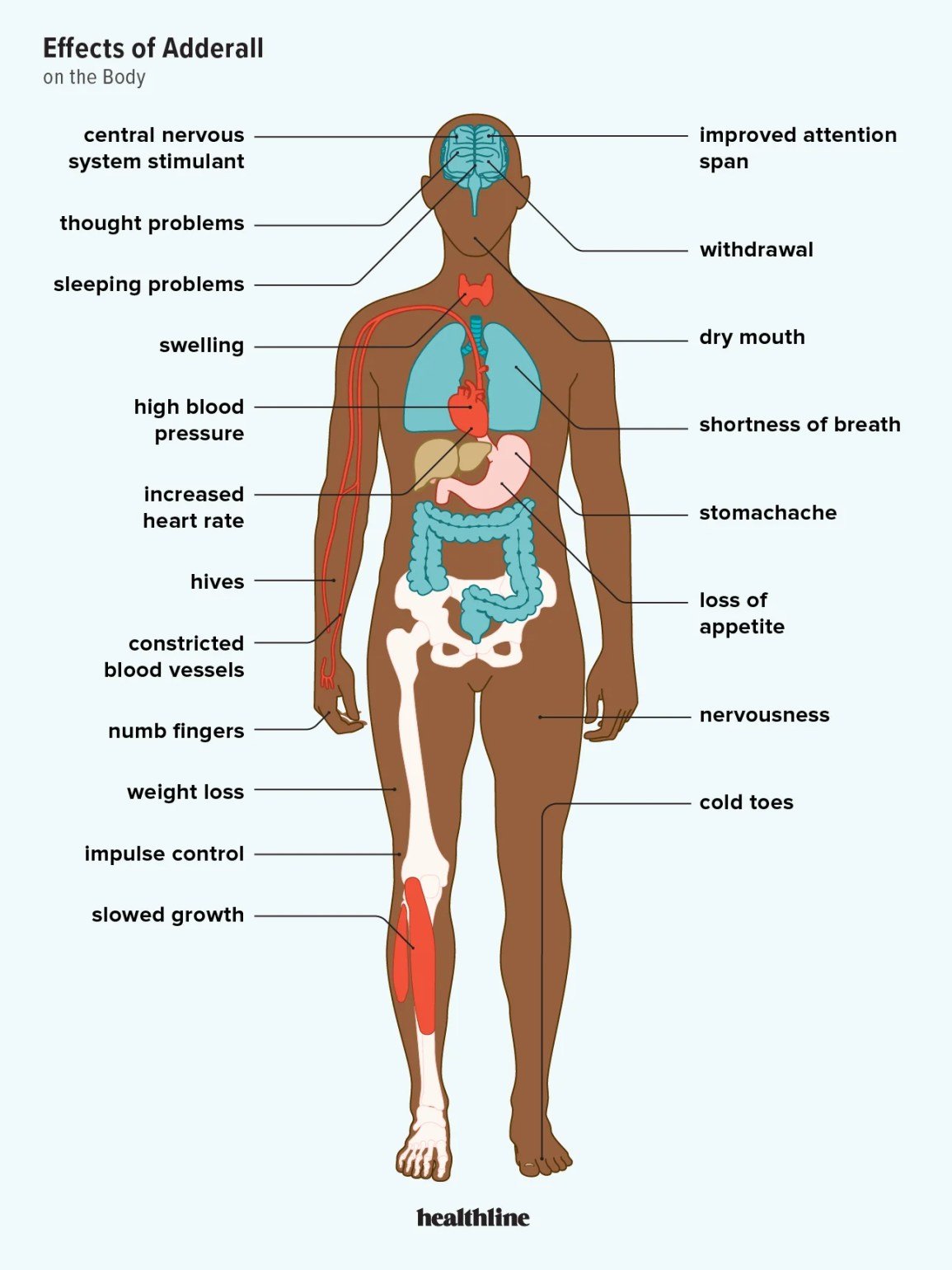
Adderall, a combination of amphetamine and dextroamphetamine, plays a vital role in managing attention-deficit/hyperactivity disorder (ADHD) and narcolepsy. Its capacity to enhance focus, alertness, and cognitive function makes it a popular prescription medication. Understanding what Adderall does extends beyond its therapeutic uses. The medication alters brain chemistry in profound ways, leading to increased dopamine levels, which can cause heightened feelings of motivation and concentration. In this article, we will delve into how Adderall affects the brain and body, its effects on various populations, and the potential risks and benefits associated with its use.
The broad spectrum of Adderall’s effects necessitates a detailed examination of its function. For those prescribed the medication, its benefits can be life-changing, providing the ability to concentrate and manage impulsivity. However, the misuse of Adderall is a growing concern, particularly among individuals without a diagnosis of ADHD who seek its stimulating effects. This article aims to provide critical insights into Adderall’s mechanisms, side effects, and more, enabling readers to make informed decisions and understand the drug’s implications fully.
Ultimately, this comprehensive analysis of Adderall will not only explore its effects but also the conversation surrounding its use, including societal, psychological, and health-related factors. We enlighten our readers on how this prescription medication alters cognition and why it has become a focal point in discussions about mental health and academic performance.
What Does Adderall Do to the Brain?
Adderall functions primarily as a central nervous system stimulant. By increasing the release of the neurotransmitters dopamine and norepinephrine within the brain, it enhances alertness and attention. This is particularly beneficial for individuals with ADHD, as their brains often operate differently in terms of these neurotransmitters. In ADHD patients, the dopamine system is altered, leading to difficulties with focus and hyperactivity. The administration of Adderall remedies these discrepancies.
Research indicates that Adderall not only improves attention but may also enhance overall cognitive performance. Studies suggest that individuals with ADHD who take Adderall experience a clearer thought process and improved memory recall. Additionally, Adderall influences brain regions responsible for executive functions, which include decision-making and impulse control, significantly aiding those struggling with ADHD symptoms.
However, the drug’s effects are not limited to those with ADHD. For individuals without the disorder, Adderall can lead to heightened cognitive performance, euphoria, and increased energy levels. Nonetheless, these effects also come with risks, particularly concerning dependency and potential psychological disturbances as the brain adapts to the heightened levels of stimulation.
What are the Key Neurotransmitters Affected by Adderall?
In understanding Adderall’s biochemical actions, it’s essential to note its influence on neurotransmitters such as dopamine and norepinephrine. Dopamine is often associated with the brain’s reward circuit, and its increased levels can lead to improved mood and enhanced motivation. On the other hand, norepinephrine plays a significant role in attention and response actions, making it critical for focus and decision-making processes.
The dual action of Adderall on these neurotransmitters outlines its effectiveness in treating ADHD. When individuals with this condition take Adderall, they effectively normalize dopamine and norepinephrine levels, enabling them to focus, follow through on tasks, and manage impulsive behaviors. This creates a structured environment for rational thought and actions, aspects of cognition that many with ADHD struggle to maintain without treatment.
How Quickly Does Adderall Work in the Brain?
Adderall’s rapid onset of action is one reason why it’s so effective in treating symptoms of ADHD. When administered, individuals typically begin to feel the effects within **30 to 60 minutes**, depending on whether they take the immediate-release or extended-release formulation. This swift response allows individuals to experience enhanced focus and cognitive clarity shortly after ingestion, which is crucial in academic and professional settings.
Its short duration also necessitates careful management to ensure that the effects are both beneficial and safe. Immediate-effects formulations typically last around 4 to 6 hours, while extended-release versions can provide symptom control for up to 12 hours. This adaptability makes Adderall a suitable option for a variety of daily tasks and requires patients to strategize their dosing according to their schedules to maximize productivity while minimizing potential negative side effects.
How Adderall Affects Individuals with ADHD
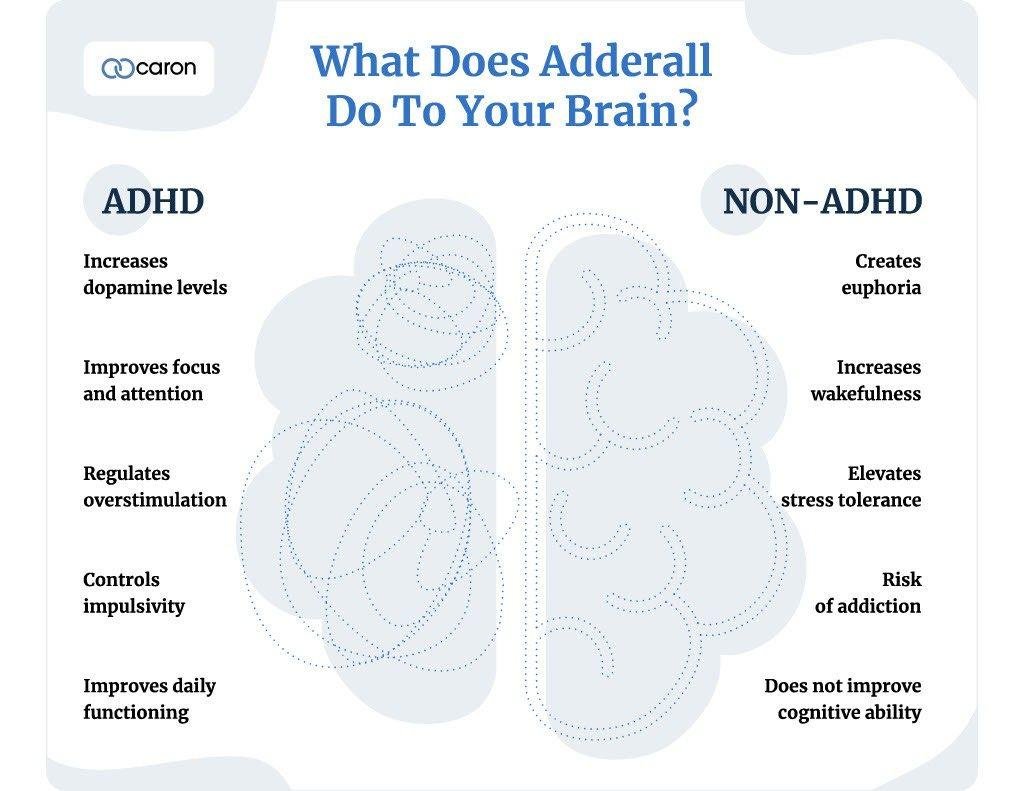
For individuals diagnosed with ADHD, Adderall can be a transformative medication. Its role in enhancing focus, reducing impulsivity, and improving organizational skills is backed by extensive clinical studies and anecdotal evidence from patients. These benefits make Adderall an integral part of an ADHD management plan.
Many patients report a sense of clarity and normalcy when taking Adderall, allowing them to engage more productively in their professional and personal lives. For example, tasks that once felt insurmountable due to distractibility and impulsive behaviors may become manageable. Adderall’s efficacy in stabilizing attention may also extend to academic performance, with many students noting improved grades and comprehension when adequately managed.
However, the benefits of Adderall for ADHD patients come with certain caveats. The requirement for individualized treatment plans, patient monitoring, and attention to dosage can impact the long-term effectiveness and safety of the medication. Understanding the timeline of expected improvements and potential side effects is vital for maintaining a successful treatment process.
What Improvement Can Be Expected When Taking Adderall?
When prescribed appropriately, patients with ADHD can expect significant improvements in their symptoms. These include enhanced concentration, reduced distractibility, and greater organizational skills. Many users describe experiencing a dramatic shift from chaotic thought processes to a structured approach, making daily tasks more manageable.
Additionally, studies have shown that academic performance can improve significantly with proper adherence to an Adderall regimen. This includes not only improved grades but also enhanced quality of work, better time management, and an increase in participation in discussions and group projects.
An improvement in social relationships is also often reported, as the ability to manage impulsivity and maintain focus can lead to more meaningful interactions with peers and supervisors. Overall, users frequently find that their lives become more organized, structured, and fulfilling.
What Are Common Side Effects of Adderall for ADHD Patients?
While Adderall can provide essential improvements for those with ADHD, it is essential to be aware of the potential side effects. As with any medication, some individuals may experience adverse reactions that necessitate adjustments in their treatment plan.
Common side effects include insomnia, decreased appetite, headaches, and increased anxiety or restlessness. These effects can vary in intensity from person to person, making regular monitoring and communication with healthcare providers critical.
In some cases, prolonged use of Adderall can lead to more significant mental health concerns, such as mood swings or exacerbated anxiety disorders. There is also a risk of dependency associated with misuse, leading to serious consequences if left unchecked. Ongoing consultations with healthcare professionals can help mitigate these risks and ensure the best outcomes for individuals relying on Adderall for ADHD management.
What Does Adderall Do to a Normal Person Without ADHD?
The effects of Adderall on individuals without an ADHD diagnosis can be quite different. Many people may consider using Adderall without a prescription, often seeking its stimulating effects to enhance cognitive performance, particularly in high-stress environments such as academia or the workplace. Understanding these implications is vital, as reliance on Adderall can lead to nuanced psychological and physical ramifications.
For those without ADHD, Adderall typically produces an increase in alertness, energy, and potentially a euphoric high. However, this may not translate into improved cognitive function for everyone. Many users report heightened focus, but the lack of natural balance in neurotransmitter levels may lead to overstimulation or jitteriness.
There’s a vast misconception regarding the perceived cognitive benefits of Adderall for individuals without ADHD. Studies indicate that while some may experience a boost in productivity, others might face increased risks, including anxiety, paranoia, and cardiovascular issues resulting from the heightened strain on the body. As such, the allure of enhanced cognitive capabilities may often come with significant trade-offs.
Why Do Some People Without ADHD Misuse Adderall?
Adderall’s misuse among those without ADHD arises from a combination of societal pressures and a misunderstanding of the drug’s actual benefits. In highly competitive academic or professional environments, the pursuit of improved focus and reduced fatigue leads many to seek performance enhancers, with Adderall being a prevalent choice.
Many individuals gravitate toward Adderall hoping to replicate experiences of enhanced performance associated with ADHD treatment. However, the underlying dynamics differ significantly in those without the disorder, leading to varied reactions and potential negative consequences. Additionally, the culture surrounding productivity often perpetuates the notion that such enhancements are necessary to succeed in today’s fast-paced world.
However, it is crucial to understand the ethical and health implications that come with drug misuse. Dependency, health risks, and legal ramifications are all significant concerns, calling for more education surrounding ADHD medications and appropriate avenues for performance enhancement without reliance on stimulants.
What Are the Risks of Taking Adderall Without ADHD?
The risks associated with taking Adderall without a legitimate prescription extend beyond physiological side effects and psychological consequences. Frequent misuse can lead to tolerance, where higher doses are required to achieve the same effects, increasing the potential for adverse effects and dependency. Cardiovascular issues, such as elevated blood pressure and increased heart rate, are prominent concerns.
Moreover, chronic use may lead to mental health issues, including severe anxiety, aggression, and episodes of psychosis, which can have lasting impacts on an individual’s mental well-being. These risks highlight the urgent need for comprehensive strategies, including mental health support and educational outreach, to address the misconceptions surrounding Adderall use.
Long-Term Effects of Adderall Use
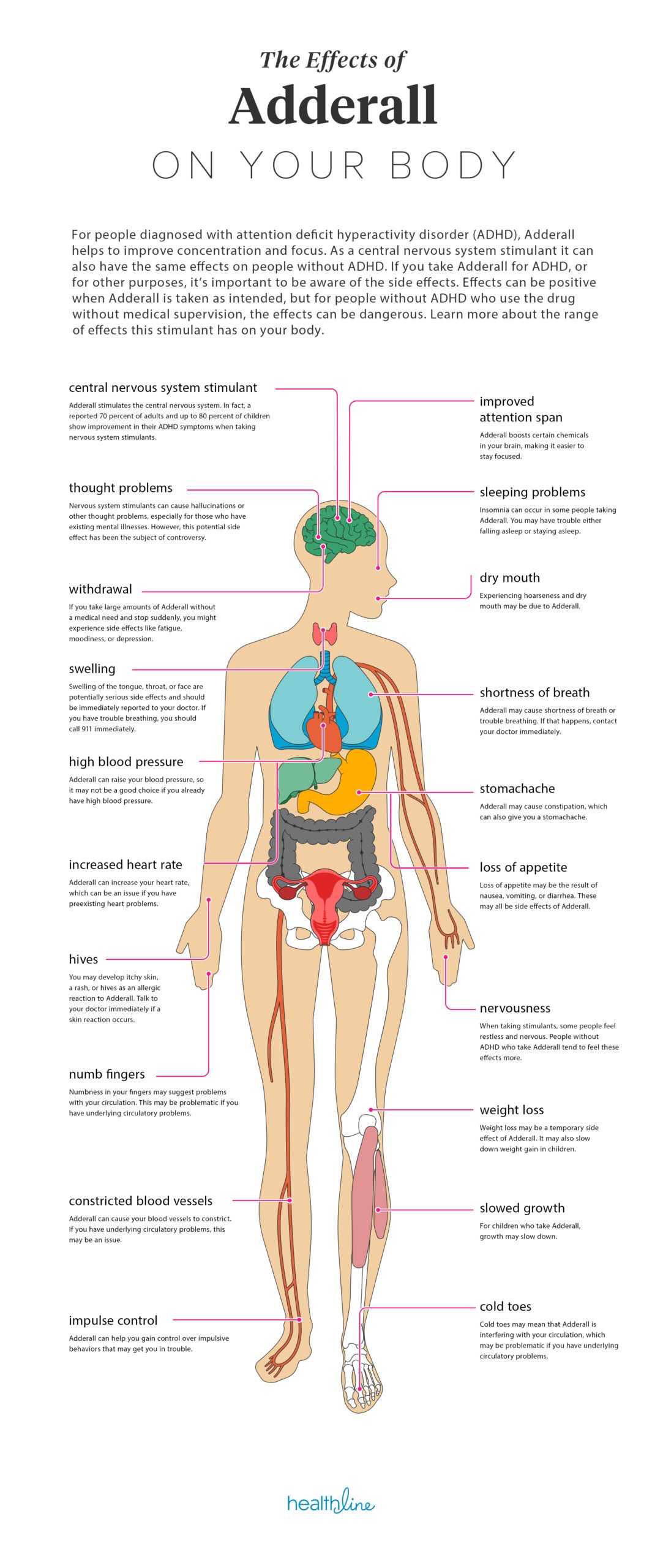
Understanding the long-term effects of Adderall use is essential for both patients and casual users. While effective for many, long-term use can lead to various physiological and psychological challenges that can ultimately undermine the benefits of the medication.
Long-term users may experience a range of issues, including persistent insomnia, weight loss, and an overall decrease in the body’s natural ability to regulate neurotransmitter levels. Chronic use can also impact emotional regulation, leading to mood swings and increased anxiety or depression.
Furthermore, dependency risk escalates with continued use, particularly among those taking higher doses without medical guidance. Developing a comprehensive treatment strategy that considers potential alternatives and incorporates lifestyle changes is necessary for individuals who are prescribed Adderall long-term.
What Strategies Can Help Mitigate Long-Term Effects?
Healthcare providers recommend several strategies to mitigate potential long-term effects of Adderall use. Regular psychiatric assessments can play a crucial role in evaluating the relationship between the medication and the patient’s mental health, allowing for timely adjustments to treatment plans.
Incorporating behavioral therapy can additionally provide supportive coping mechanisms to address challenges related to both ADHD symptoms and Adderall’s side effects. Lifestyle changes such as prioritizing sleep, maintaining a well-balanced diet, and consistent physical activity can also contribute to improved outcomes and promote overall health.
Individuals should actively engage in conversations with healthcare professionals about their treatment experiences, symptoms, and lifestyle, fostering collaborative discussions on how best to navigate the complexities of long-term Adderall use while minimizing associated risks.
Is There a Safe Way to Discontinue Adderall Use?
Discontinuing Adderall use, particularly after long-term consumption, requires careful planning and consideration due to the risks of withdrawal symptoms and the potential for rebound ADHD symptoms. It is crucial to involve healthcare professionals in devising a structured tapering plan to carefully reduce dosage without abrupt cessation, which can lead to severe mood disturbances and increased symptom severity.
During the discontinuation process, supportive care methods like therapy and lifestyle modifications can also assist individuals in managing emotional fluctuations and improving daily functioning without the medication. Implementing strategies such as mindfulness exercises and stress management techniques can enhance emotional regulation while gradually adjusting to a life without Adderall.
Maintaining open lines of communication with healthcare providers can ensure that the transition out of Adderall use is as smooth as possible, allowing for a balanced approach to treating underlying ADHD symptoms or other psychological concerns.
FAQ About Adderall
Is Adderall safe for everyone?
Adderall is not safe for everyone. Its use should be carefully monitored by a healthcare provider, particularly in individuals with a history of cardiovascular issues, anxiety disorders, or a history of substance use disorders. It is essential to evaluate individual health risks before commencing treatment.
Can Adderall affect my mood?
Yes, Adderall can significantly affect mood. While many users experience heightened alertness and feelings of well-being, others may experience mood swings, increased anxiety, or irritability, especially during adjustments in dosage or discontinuation. Regular assessments by a healthcare provider can help manage these effects.
How can I tell if Adderall is working for me?
Users may notice improved focus, better organization, and decreased impulsivity when Adderall works effectively. Regular feedback loops between the patient and their healthcare provider are crucial for assessing the effectiveness of the treatment plan and making necessary adjustments.
What happens if I miss a dose of Adderall?
If a dose of Adderall is missed, it should be taken as soon as remembered. However, if it is closer to the next scheduled dose, the missed dose should be skipped to avoid taking too much. Regular communication with healthcare professionals can provide guidance on managing dosing schedules effectively.
Is it possible to develop a tolerance to Adderall?
Yes, it is possible to develop a tolerance to Adderall. Regular use may result in diminishing effects over time. This phenomenon necessitates careful monitoring by healthcare providers to adjust dosages appropriately and manage treatment strategies effectively.
Can I take Adderall without a prescription?
No, Adderall should not be taken without a prescription due to the significant risks of side effects, dependency, and potential legal ramifications associated with misuse. Consulting with a healthcare provider is essential for safe and effective use.
Conclusion
Adderall remains a critical treatment option for individuals with ADHD, providing benefits in focus, concentration, and overall cognitive function. However, understanding its impact extends beyond mere effectiveness; potential risks, side effects, and long-term consequences must be considered carefully.
For individuals without ADHD, while the stimulating effects of Adderall may seem enticing, the risks and potential health consequences make it imperative to approach the drug with caution. As awareness grows around the complexities of stimulants like Adderall, education and communication with healthcare providers become critical in navigating the conversation surrounding safe usage.
Moving forward, informed discussions around ADHD treatment plans, the ethical implications of stimulant use, and the importance of mental health awareness will ensure that patients and the community at large can navigate the challenges of cognitive enhancement responsibly and safely.
