🏠 Stay at home! 25% discount on all medicines


Understanding Vyvanse Withdrawal Symptoms: A Comprehensive Guide

Vyvanse is a medication commonly prescribed for Attention Deficit Hyperactivity Disorder (ADHD) and occasionally for binge eating disorder. As an amphetamine-based prescription, it enhances focus and reduces impulsiveness in individuals diagnosed with ADHD. However, discontinuation of Vyvanse can lead to withdrawal symptoms that may be both uncomfortable and painful. Understanding these withdrawal symptoms, their timeline, and appropriate treatment options is crucial for users seeking recovery and support.
Studies indicate that around 10% of individuals prescribed stimulants like Vyvanse might develop a dependency or experience withdrawal symptoms when trying to stop the medication. Symptoms can range from mild fatigue and mood changes to severe psychological disturbances. The emotional impact of withdrawal can often be underestimated, further complicating the recovery process.
By gaining insights into Vyvanse withdrawal symptoms, the timeline for their appearance, and management strategies, individuals can better prepare themselves for a healthier transition off the medication. This article aims to provide a comprehensive understanding of Vyvanse withdrawal symptoms, emphasizing the importance of seeking professional help.
What Are Vyvanse Withdrawal Symptoms?
Vyvanse withdrawal symptoms arise when an individual who has been taking the medication regularly stops or significantly reduces their intake. The intensity and type of symptoms can vary based on individual factors such as duration of use, dosage, and personal health history. The effects can also reflect the characteristics of the withdrawal process associated with stimulant medications.
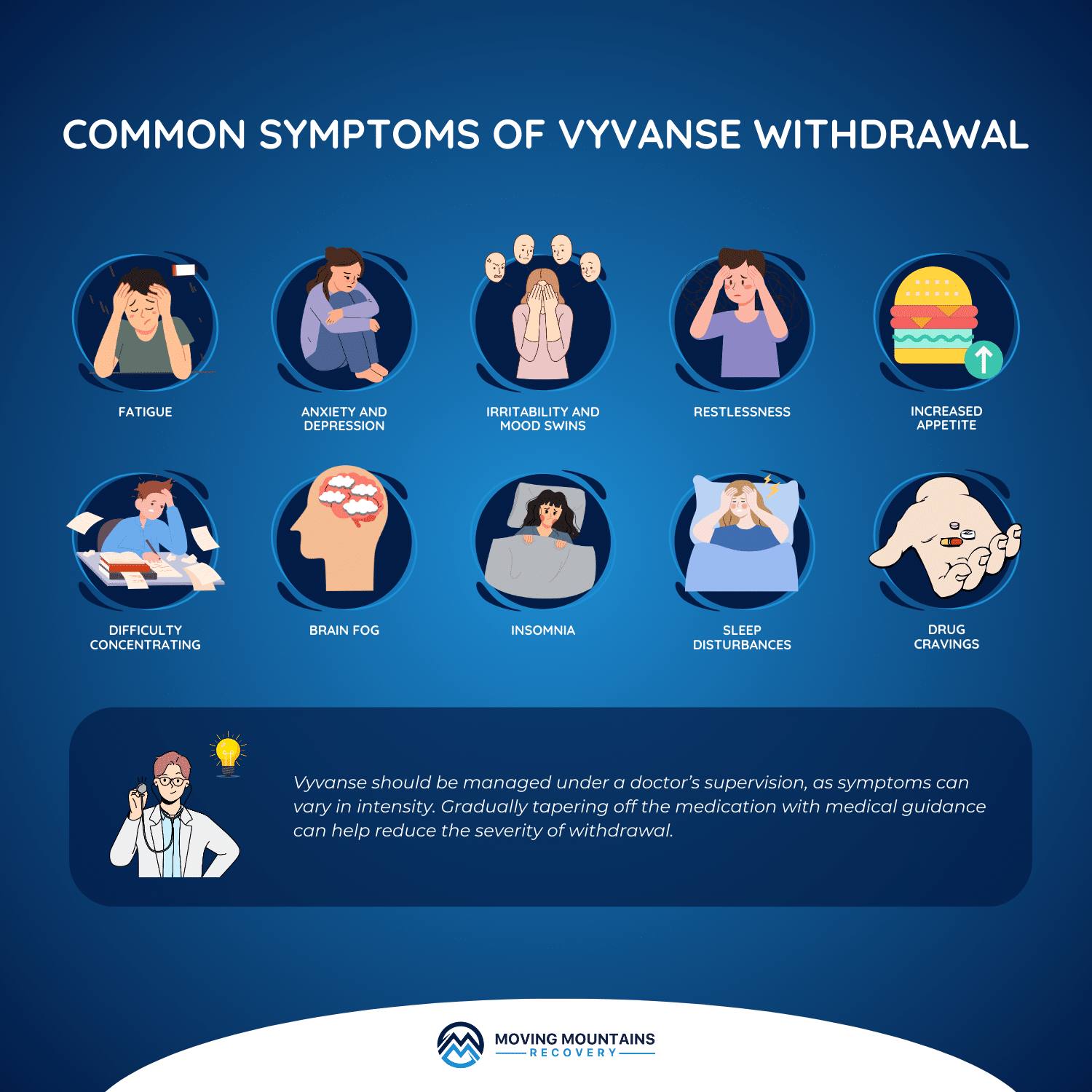
Some common withdrawal symptoms include:
- Extreme fatigue and lethargy
- Intense cravings for the drug
- Changes in appetite, leading to weight fluctuations
- Significant mood swings, including irritability
- Depression and anxiety
- Difficulty concentrating
- Insomnia or excessive sleeping
Individuals may experience both physical and psychological symptoms. For example, headaches and muscle pain may accompany feelings of intense anxiety or depressive episodes. Understanding these symptoms is crucial for users and healthcare providers as they navigate the withdrawal process.
How Do Withdrawal Symptoms Manifest Physically?
Physical symptoms during Vyvanse withdrawal can significantly affect daily functioning. Fatigue often hits in waves, causing individuals to feel unusually tired or lethargic after they cease taking the medication. This fatigue can hinder basic daily activities and lead to a lack of motivation.
Headaches, muscle aches, and an increased heart rate may also occur. Changes in appetite are also notable — some individuals may crave sugary or carbohydrate-rich foods as a way to compensate for the loss of stimulant effects, potentially leading to weight gain. Others may find it challenging to eat altogether, resulting in weight loss and malnutrition if not managed properly.
What Psychological Symptoms Are Common During Withdrawal?
Vyvanse withdrawal has profound psychological effects, primarily due to the sudden absence of the stimulant. Users may experience deep bouts of depression, characterized by a pervasive sense of hopelessness or despair. Anxiety can also escalate, leading to racing thoughts and panic attacks.
Mood swings during withdrawal can oscillate between extreme irritability and emotional numbness. These psychological shifts are incredibly challenging and underscore the importance of having adequate support during this transition. Some users may find it difficult to return to a pre-medication state, leading to feelings of confusion and insecurity.
Understanding the Timeline of Vyvanse Withdrawal
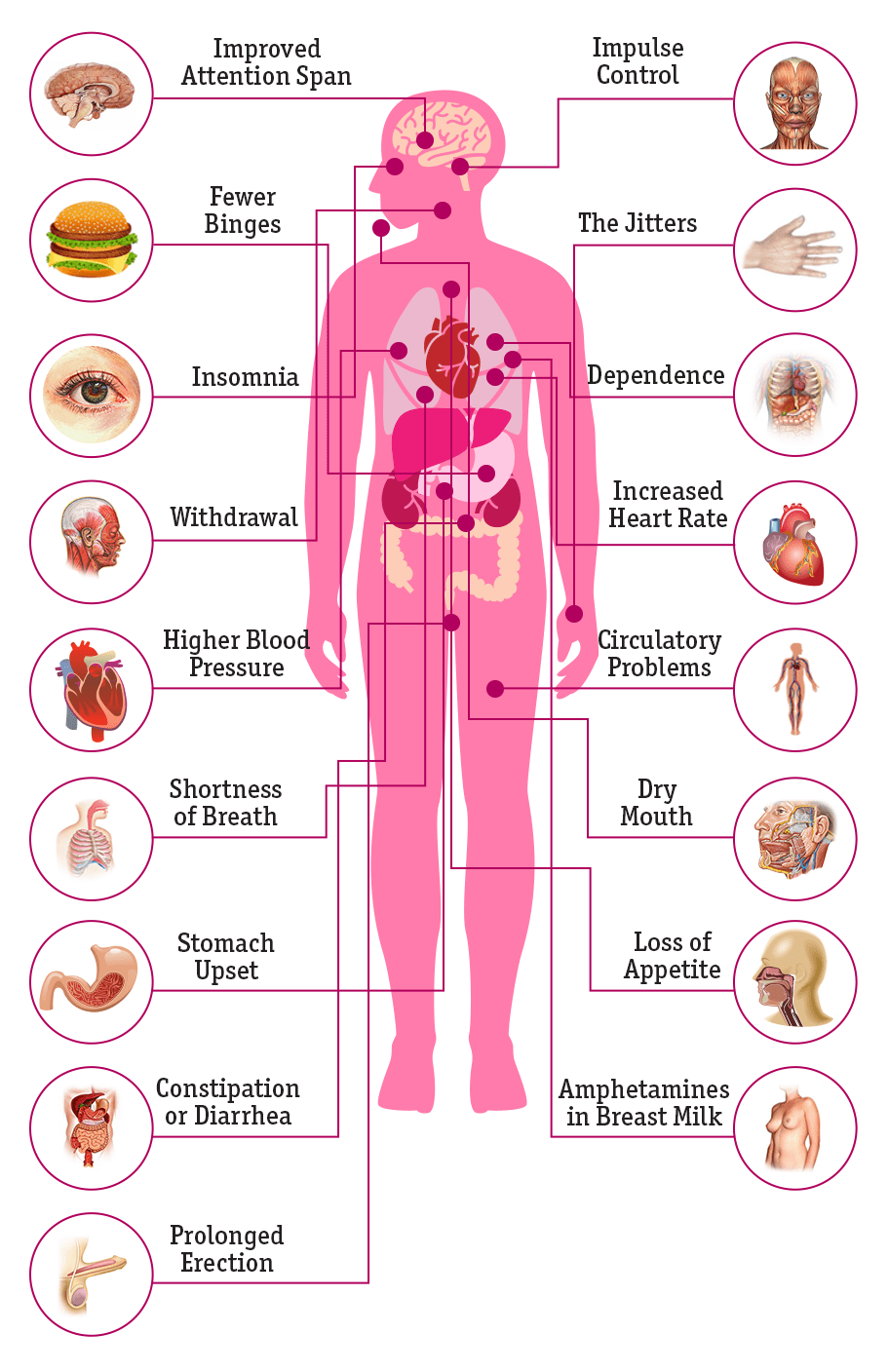
Withdrawal symptoms are not instant; they can take time to develop as the body adjusts to the absence of the drug. Generally, the process can be summarized into distinct phases: onset, peak, and resolution.
Withdrawal symptoms typically begin within one to three days after discontinuation of Vyvanse. The onset timing can vary depending on the individual’s metabolism, the dosage they were taking, and other personal factors. For most people, early symptoms can feel similar to a mild hangover, including fatigue, headaches, and moodiness.
What to Expect in the First Week
During the first week, individuals might experience peaks in withdrawal symptoms. Physical symptoms like fatigue and headaches can intensify, alongside dramatic mood changes. The emotional toll can be severe, with some individuals experiencing depressive episodes or heightened anxiety levels.
Sleep disturbances are often common at this stage as well. Many might find they either sleep excessively or struggle to get more than a few hours of rest each night. This lack of quality sleep can exacerbate feelings of grogginess and lethargy, perpetuating the withdrawal cycle.
Long-term Symptom Resolution
A full resolution of withdrawal symptoms may take several weeks, with some individuals reporting lingering issues for up to a month or longer, especially concerning mood and sleep patterns. Recognizing that the symptoms can evolve is essential—while physical symptoms may improve within a couple of weeks, psychological symptoms can linger and require additional coping strategies.
Strategies for Managing Vyvanse Withdrawal Symptoms
Managing withdrawal symptoms involves a multifaceted approach tailored to the individual’s needs. Awareness and preparation are essential when exiting a stimulant prescription like Vyvanse. Here are strategies to help ease the process:
Consulting Healthcare Professionals
Engaging with a healthcare professional should be the first step. A doctor can provide compelling guidance regarding the safe tapering of medication rather than abruptly stopping, which can help reduce withdrawal symptoms. Moreover, medical professionals may offer medications to manage specific withdrawal symptoms, such as anxiety or insomnia, that may arise as the withdrawal progresses.
Implementing a Healthy Lifestyle
Nutrition and hydration play vital roles in managing withdrawal symptoms. Maintaining a stable diet rich in complex carbohydrates, proteins, vitamins, and minerals can positively impact mood and energy levels. Foods that are anti-inflammatory such as berries, leafy greens, and omega-3-rich foods may help alleviate some of the physical aspects of withdrawal.
Additionally, staying hydrated is crucial. Dehydration can exacerbate many physical symptoms, so drinking plenty of water is essential. Regular low-impact exercises, like walking or yoga, can help combat fatigue and elevate mood through the release of endorphins.
Therapeutic Approaches During Withdrawal
Therapeutic approaches can foster coping mechanisms and emotional resilience. Cognitive Behavioral Therapy (CBT) and other forms of talk therapy can benefit individuals confronting withdrawal. Through therapy, individuals learn how to identify negative thought patterns and develop coping strategies, making them better equipped to handle the psychological challenges of withdrawal.
Support groups can also be invaluable. Interacting with peers who are going through similar experiences promotes feelings of connection and understanding, reducing the overall sense of isolation that can occur during withdrawal. Many regions offer support groups specifically geared towards individuals recovering from stimulant medication dependency.
Importance of Emotional Support
Emotional support from friends and family can also be paramount as individuals navigate the often tumultuous waters of withdrawal. Engaging with loved ones allows for sharing feelings and challenges, enabling individuals to feel understood and less alone in their struggle. Encouragement from others can foster a sense of hope and validation during this difficult period.
Questions to Consider: Common FAQs about Vyvanse Withdrawal
How long do Vyvanse withdrawal symptoms last?
Withdrawal symptoms can vary significantly among individuals, but most commonly, symptoms may start within one to three days after cessation and can last anywhere from a few days to several weeks. The peak of the withdrawal symptoms usually occurs within the first week after stopping. While many physical symptoms may resolve faster, psychological symptoms such as mood swings and anxiety may persist longer.
Can I expect to feel sick during Vyvanse withdrawal?
Yes, it’s common to feel unwell during Vyvanse withdrawal. Many individuals report experiencing nausea, headaches, and general malaise as their body adjusts to the absence of the medication. These physical symptoms can contribute to an overall sense of discomfort and are aspects to prepare for when discontinuing the medication.
Is it safe to go cold turkey off Vyvanse?
Going cold turkey is generally discouraged, as it can lead to more severe withdrawal symptoms. Instead of suddenly stopping, it’s advisable to consult a healthcare professional for a tapering schedule that aligns with personal health needs. Gradually reducing the dose can significantly mitigate the intensity of withdrawal, making the process more manageable.
What happens if I relapse during withdrawal?
Experiencing a relapse during withdrawal can be disheartening but is not uncommon. If relapse occurs, it’s important to reach out for support, whether that be through a healthcare professional or a support group. Recognizing that setbacks can be part of the journey allows for a more compassionate response, ultimately contributing to long-term recovery strategies.
What resources are available for Vyvanse withdrawal?
Many resources exist for individuals experiencing Vyvanse withdrawal. The Substance Abuse and Mental Health Services Administration (SAMHSA) provides numerous support options, including hotlines and treatment resources. Behavioral health centers and support groups can also offer support and help individuals build a community around recovery.
Can I manage Vyvanse withdrawal at home?
While many individuals choose to manage withdrawal symptoms at home, it’s essential to do so under the guidance of healthcare professionals. Self-management strategies, including nutrition, exercise, and emotional support, can help alleviate some symptoms. However, having a comprehensive plan in place—with access to professional help—can ensure safety and emotional care throughout the withdrawal process.
Building a Sustainable Recovery Plan
Creating a sustainable recovery plan is essential not only for navigating withdrawal but also for fostering long-term wellness. Beyond initial withdrawal symptoms, individuals should focus on long-term strategies for managing their mental health post-Vyvanse.
Professionals often emphasize the value of maintaining regular therapeutic practices and continuing involvement in support systems. Recognizing emotional triggers and developing strategies for coping, rather than resorting to substances, is vital. An ongoing commitment to healthy lifestyle choices, including diet and exercise, will support sustained recovery.
Engaging with services like therapy, medication management, and support groups can offer continuous guidance and motivation. The road to recovery is rarely linear and often involves both struggles and successes. Consistency and resilience can go a long way in making long-term recovery attainable.
Conclusion
Navigating Vyvanse withdrawal symptoms can be a daunting journey filled with challenges, but understanding these symptoms is the first step toward healing. By recognizing both the physical and psychological aspects of withdrawal, individuals can develop effective coping strategies to ease the transition. The timeline of withdrawal is crucial to address, ensuring safe management through healthcare support.
Utilizing therapeutic approaches, emotional support from loved ones, and resources from healthcare professionals strengthens the recovery process. Building a sustainable recovery plan serves not only to manage withdrawal but also to ensure ongoing wellness in the future.
For those transitioning off Vyvanse, embracing the journey is essential. Reach out for help, explore available resources, and never hesitate to lean on your support systems. Your wellness journey begins with informed choices, self-compassion, and a commitment to reclaiming your health.
