🏠 Stay at home! 25% discount on all medicines


Understanding Vyvanse Withdrawal Symptoms: What to Expect and How to Cope

In the U.S., approximately 6 million children are diagnosed with ADHD, leading to an increase in the prescription of medications like Vyvanse. While Vyvanse can effectively manage symptoms of ADHD and binge eating disorder, many people underestimate the difficulty of discontinuing its use. Withdrawal from Vyvanse can produce a complex array of symptoms that can significantly impact daily life. Understanding these symptoms, how long they may last, and effective coping strategies is critical in ensuring a safe and healthy withdrawal process.
Vyvanse, chemically known as lisdexamfetamine, is a central nervous system stimulant that affects chemicals in the brain and nerves contributing to hyperactivity and impulse control. Because of its stimulant properties, individuals who are discontinuing its use may experience withdrawal symptoms similar to those of other stimulants. Symptoms can vary widely among individuals, potentially ranging from mild discomfort to severe distress, depending on the duration of use and dosage taken.
This article will provide an in-depth exploration of Vyvanse withdrawal symptoms, timelines for their appearance and resolution, and effective treatment options. By preparing yourself for what lies ahead, you can navigate this challenging journey with more confidence and knowledge, thereby enabling a smoother transition towards recovery.
What Are Vyvanse Withdrawal Symptoms?
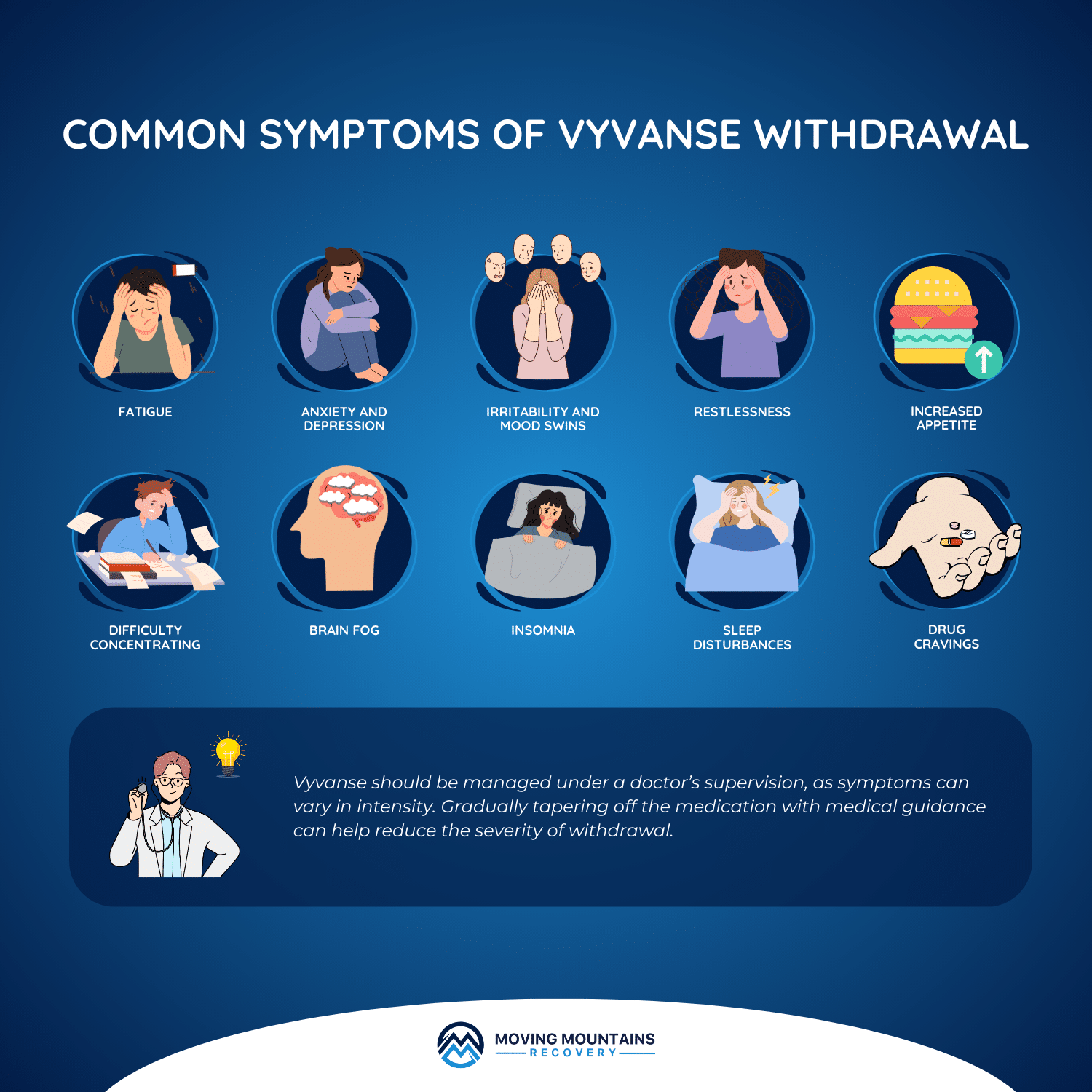
Withdrawal symptoms are the set of physical and mental effects that occur when a person stops taking a substance after prolonged use. For Vyvanse, these symptoms can manifest due to the sudden chemical shift within the brain and body. Common withdrawal symptoms include:
Fatigue and Lethargy
One of the most prevalent symptoms experienced during Vyvanse withdrawal is a profound sense of fatigue. As Vyvanse is a stimulant, users often find that their energy levels are significantly boosted while taking the medication. Upon discontinuation, individuals frequently report extreme tiredness as their bodies attempt to recalibrate.
This fatigue can manifest in various ways. For some, it might lead to long naps during the day, while others may experience difficulties engaging in everyday tasks due to a lack of motivation. A person recovering from Vyvanse can often feel as if they have hit a wall, making productivity and social interaction incredibly challenging.
Changes in Appetite
Another notable symptom during withdrawal is a shift in appetite. Vyvanse suppresses hunger while it is taken, and when the medication is stopped, individuals may experience increased cravings or appetite rebounds. It is common for some to overeat, whereas others might lose their appetite entirely due to emotional factors stemming from depression or anxiety.
This adjustment can disrupt normal eating patterns, leading to unwanted weight changes. Therefore, monitoring one’s diet during this transition is crucial to avoid further complications such as nutritional deficiencies or weight gain.
Mood Swings and Emotional Distress
Discontinuing Vyvanse can lead to profound mood swings and emotional distress. Users may experience irritability, sadness, or anxiety as their body adjusts to the absence of the drug. For many, the discontinuation can trigger a sense of loss or emptiness, which may escalate into depressive symptoms.
Some individuals may find themselves feeling more emotional than usual. Cries, frustration, and anger can surface unexpectedly, further complicating the withdrawal process. These emotional responses are normal, but they can be distressing and challenging to navigate without support.
Timeline of Vyvanse Withdrawal Symptoms
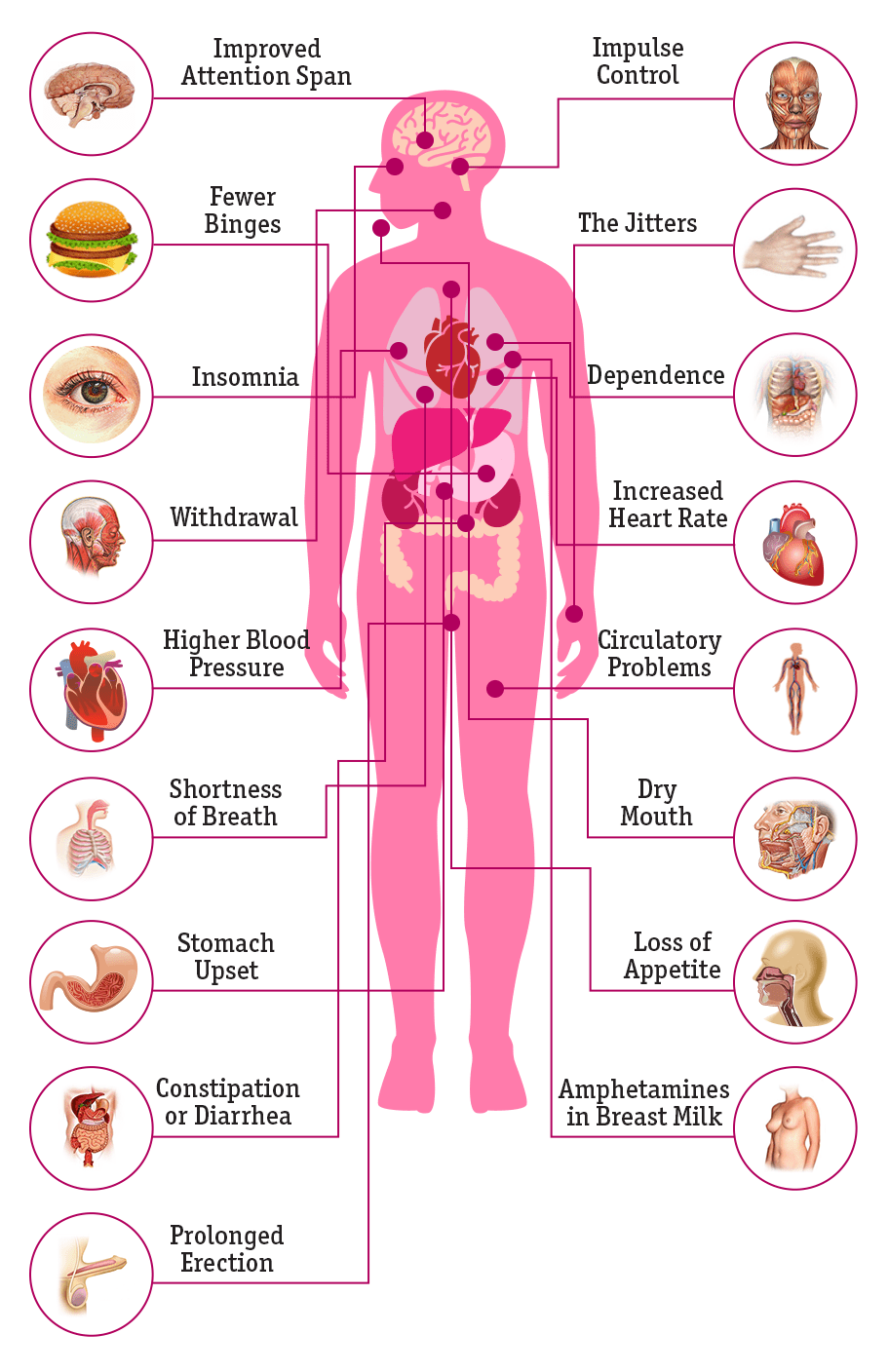
Understanding the timeline of Vyvanse withdrawal can help set realistic expectations for individuals in recovery. The experience may differ widely based on the dosage taken and duration of use, but a general timeline can be outlined:
Initial Symptoms
For many users, withdrawal symptoms can begin as soon as 24 to 48 hours after discontinuing Vyvanse. During this early phase, individuals often report feelings of lethargy, irritability, and enhanced anxiety levels. These initial symptoms can be significant and challenging, as they mark the transition from a heightened state to an adjustment period of withdrawal.
Fatigue may become more pronounced, and individuals are likely to find their emotional states more fragile. Some may experience a robust craving for the medication, intensifying their emotional struggle.
Peak Symptoms
The peak of withdrawal symptoms can arise within the first week after stopping Vyvanse. This period is often characterized by heightened feelings of depression and anxiety, significant fatigue, and fluctuations in appetite.
As cravings wane, other symptoms like cognitive challenges (difficulty concentrating or completing tasks) may surface. This peak time can be an emotional roller coaster for many individuals. Having a support system in place, including counseling or peer support, can be beneficial during this critical phase.
Resolution of Symptoms
Generally, the most intense withdrawal symptoms begin to subside after a week, with many individuals reporting substantial improvement in their condition by two to three weeks post-discontinuation. However, some effects, particularly mood changes, may linger longer depending on individual circumstances.
In some cases, depressive symptoms may persist, requiring ongoing therapeutic approaches or support to help facilitate recovery. Acknowledging the potential for a prolonged emotional adjustment is essential for managing expectations through this journey.
Factors Influencing Withdrawal Symptoms
Several factors can contribute to the severity and duration of withdrawal symptoms experienced during Vyvanse cessation. Understanding these variables can provide helpful context for individuals preparing for the process.
Dosage and Duration of Use
Individuals taking a higher dosage of Vyvanse for an extended period are often at a greater risk of experiencing more severe withdrawal symptoms. The longer and higher the dose, the more the body has adjusted to the drug’s presence, making any sudden withdrawal more impactful.
On the contrary, those on a lower dosage or have been using the medication for a shorter time might experience relatively milder withdrawal symptoms, although individual experiences will vary significantly.
Individual Physiology
Personal physiology also plays a crucial role in how an individual reacts to withdrawing from Vyvanse. Factors such as genetics, preexisting mental health conditions, and overall health can markedly affect the withdrawal experience. Individuals with a history of anxiety, depression, or other mental health disorders may find their symptoms exacerbated as they withdraw.
A comprehensive understanding of one’s medical history and psychological state can aid in developing personalized withdrawal strategies and treatment plans.
Support Systems
Having a solid support system is perhaps one of the most critical elements in successfully navigating Vyvanse withdrawal. Family members, friends, or professional counselors can provide the necessary encouragement and therapy to mitigate mood swings and emotional distress. Those attempting to withdraw alone may feel isolated, which can intensify the negative aspects of withdrawal.
Support groups specifically for individuals recovering from stimulant use can also serve as invaluable resources. Networking with others who are experiencing similar withdrawal processes is often beneficial for motivation and shared coping strategies.
Coping with Vyvanse Withdrawal: Effective Strategies
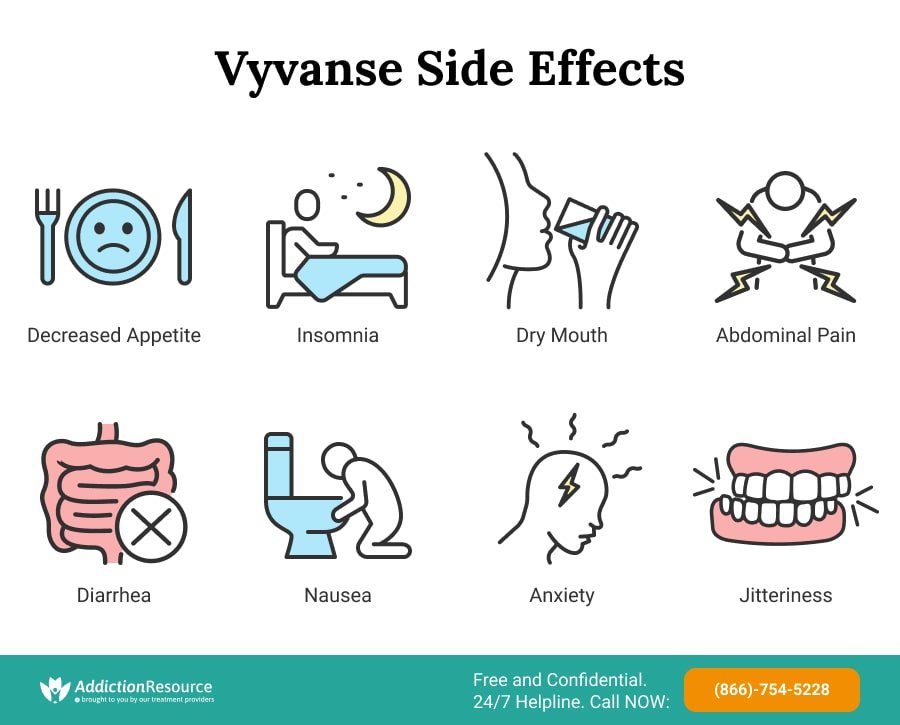
Managing Vyvanse withdrawal symptoms can be challenging, but several strategies can help alleviate discomfort while promoting recovery:
Gradual Tapering
Instead of stopping Vyvanse abruptly, many healthcare providers recommend a method known as gradual tapering. This practice involves slowly reducing the dosage over time, allowing the body to adjust to decreased levels of the medication. This approach may minimize the intensity of withdrawal symptoms and help stabilize emotional responses.
Consult with a healthcare professional to create a tapering schedule that suits individual needs. Working together will ensure that the tapering process is effective and adequately addresses the specific challenges of withdrawal.
Engaging in Healthy Lifestyle Choices
During withdrawal, focusing on healthy lifestyle choices can support the body and mind. Maintaining a balanced diet rich in vitamins and minerals can help nourish the body during its recovery phase. Regular exercise plays a crucial role in the process by facilitating the release of endorphins and tackling feelings of lethargy.
Incorporating activities such as yoga or meditation may also serve as beneficial coping mechanisms. Mindfulness practices can assist in regulating mood and anxiety, enhancing emotional stability and overall well-being.
Seeking Professional Support
Engaging professional help, whether through therapy, counseling, or support groups, is critical during this time. Professionals trained in addiction recovery can offer specific, tailored advice and coping techniques to help individuals navigate their withdrawal journeys.
Consider seeking help from a therapist specializing in addiction or substance use issues, as they can provide empathetic, informed support. Support groups or group therapy settings may also offer valuable insights into handling withdrawal effectively.
Experiencing Severe Withdrawal Symptoms
For some individuals, withdrawal symptoms can escalate to severe levels requiring immediate professional intervention. Recognizing when to seek additional help is crucial. Symptoms like intense depression, suicidal thoughts, or severe anxiety may indicate the need for a higher level of care.
Understanding When to Seek Help
It is important to monitor mental health closely during withdrawal. If suicidal thoughts or urges arise, contact a healthcare professional or a mental health hotline immediately. Early intervention can significantly aid in managing more severe symptoms and help individuals regain control over their mental health.
Acute Withdrawal and Medical Supervision
In specific cases where withdrawal symptoms become acute, medical supervision may be necessary. This can occur in specialized detox centers where professionals can provide medical aid and therapeutic interventions to mitigate discomfort.
Being in a structured environment allows for round-the-clock support and monitoring, making it safer for individuals undergoing severe withdrawal symptoms.
Long-term Recovery and Aftercare
Once immediate withdrawal symptoms are managed, transitioning to long-term recovery strategies can begin. While the initial symptoms may subside, it can take considerable time to resolve residual issues.
Engaging in ongoing therapy and maintaining a support network can be vital components of this process. They assist individuals in developing resilient coping mechanisms, thereby reducing the likelihood of relapse in the future.
Frequently Asked Questions (FAQs)
To provide further clarity about Vyvanse withdrawal, the following questions encompass common concerns faced by individuals undergoing this process:
1. How long do Vyvanse withdrawal symptoms last?
While the most intense symptoms typically peak within one week after cessation, residual symptoms can persist even beyond a few weeks. Most individuals notice a significant reduction in symptoms after about two to three weeks; however, emotional symptoms may linger and require ongoing support.
2. Can I resume taking Vyvanse after withdrawal?
Resuming Vyvanse after experiencing withdrawal should only be done under the guidance of a healthcare provider. Many individuals may need to explore alternative treatment options for ADHD or other related conditions, and professional insight is essential in deciding the best course of action.
3. Will I lose weight during withdrawal?
Withdrawal from Vyvanse may initially cause appetite increases resulting in weight gain, but individuals may also face challenges maintaining a stable weight due to emotional factors. Maintaining a balanced diet and overall health is important to manage potential weight changes during recovery.
4. Are there any medications to help with Vyvanse withdrawal symptoms?
In some cases, healthcare providers may prescribe medications to help ease withdrawal symptoms. Antidepressants or anxiolytics may support individuals experiencing significant emotional distress. Consult with a healthcare professional to uncover appropriate options tailored to personal needs.
5. How can I cope with anxiety associated with withdrawal?
Engaging in relaxation techniques, including mindfulness practices, yoga, or deep breathing exercises, can be effective in managing anxiety during withdrawal. Seeking support from a therapist or support group can also provide additional coping methods tailored to individual experiences.
6. Is it common to feel depressed when withdrawing from Vyvanse?
Yes, experiencing feelings of depression or intense sadness during Vyvanse withdrawal is common as the brain adjusts to the absence of the stimulant. Often, symptoms can improve over time; however, individuals experiencing significant emotional challenges should seek professional support.
7. What resources are available for individuals withdrawing from Vyvanse?
A variety of resources exist for individuals facing withdrawal, including local addiction hotspots, therapy options, and online support communities. Professional helplines, such as SAMHSA’s National Helpline, provide free and confidential support 24/7 for individuals in crisis.
Key Takeaways
The process of withdrawing from Vyvanse can become a challenge that encompasses physical and emotional components. Being aware of the potential symptoms, timelines, and coping strategies can enhance the journey toward recovery. Surrounding oneself with supportive individuals and seeking professional guidance are crucial to ensuring a successful transition. While the challenges may feel overwhelming, with the right approach and support, users can regain control of their mental health and overall well-being.
