🏠 Stay at home! 25% discount on all medicines


Vyvanse vs Ritalin: Comprehensive Comparison of ADHD Medications

Attention Deficit Hyperactivity Disorder (ADHD) affects millions of individuals worldwide, influencing both children and adults. In the United States alone, it is estimated that 6.1 million children between the ages of 2 and 17 have been diagnosed with this condition, according to the Centers for Disease Control and Prevention (CDC). For those seeking treatment, medications such as Vyvanse and Ritalin are often prescribed by healthcare professionals. However, with various options available, many individuals struggle to understand the key differences between these two popular medications.
This comprehensive analysis of Vyvanse vs Ritalin will delve into their mechanisms of action, duration of effects, side effects, and how to select the medication that best suits individual needs. By examining both of these medications closely, readers will gain valuable insights into making informed decisions about ADHD treatment.
Whether you are new to ADHD treatment, considering switching medications, or simply wanting to understand more about these options, this article will provide you with a thorough understanding. We aim to clarify the nuances that differentiate Vyvanse from Ritalin, empowering you with information necessary for discussions with healthcare providers.
Understanding the Basics: Vyvanse and Ritalin
At the core of our analysis is a clear definition of what Vyvanse and Ritalin are, along with how they work. Both medications are central nervous system (CNS) stimulants that have been found effective in treating ADHD. However, they contain different active ingredients and function differently in the body.
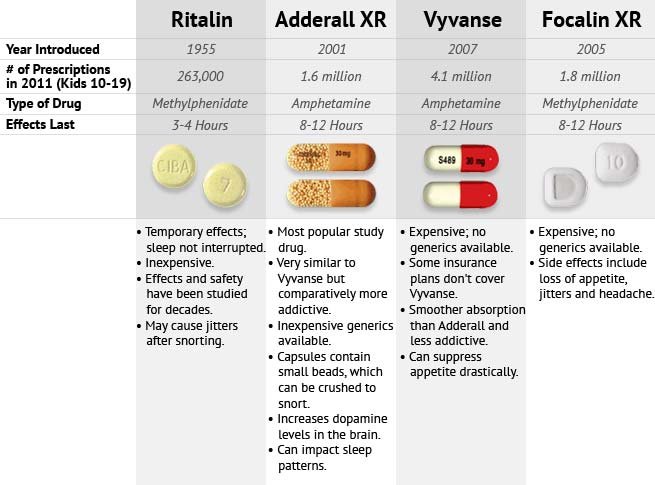
Vyvanse, or lisdexamfetamine dimesylate, is a prodrug, meaning it is inactive until it is metabolized in the body. It is designed to provide a slower, more extended release of the active medication, leading to its effectiveness over a longer period. Typically, Vyvanse is prescribed once daily, as its effects can last anywhere from 10 to 14 hours, making it suitable for all-day coverage.
Ritalin, on the other hand, contains methylphenidate as its active ingredient and can be taken in various formulations. Ritalin is available in both short-acting and extended-release forms, allowing for doses to be administered multiple times a day. Depending on the specific formulation, the effects of Ritalin can last from 3 to 8 hours, which may necessitate additional doses during the day.
What Are the Key Differences Between Vyvanse and Ritalin?
The key differences between Vyvanse and Ritalin stem primarily from their active ingredients and how they are metabolized by the body. These distinctions influence dosage, frequency, and individual experiences with side effects.
Firstly, Vyvanse is a prodrug. This characteristic results in a gradual increase in the medication’s effects following ingestion. It can prevent the rush of stimulation often associated with traditional stimulant medications, making it an appealing option for many patients.
In contrast, Ritalin provides a more immediate effect, which can be desirable for individuals needing quick relief from ADHD symptoms. However, this also means that Ritalin may require multiple doses to maintain effectiveness throughout the day, which could be viewed as a drawback for some patients.
How Do Vyvanse and Ritalin Work in the Brain?
Both Vyvanse and Ritalin influence the neurotransmitters in the brain, specifically dopamine and norepinephrine. These neurotransmitters play crucial roles in modulating attention, focus, and impulse control, which are all significantly affected in individuals with ADHD.
Vyvanse, upon conversion into its active form in the body, acts by increasing the levels of dopamine and norepinephrine within synaptic spaces. This action helps improve attention span, decrease impulsivity, and regulate behavior. The delayed onset of action helps mitigate some side effects, particularly for those hypersensitive to stimulant medications.
Ritalin operates similarly but in a more immediate manner due to its formulation. Methylphenidate effectively blocks the reuptake of dopamine and norepinephrine, thereby increasing their availability in the brain. Though this rapid action can provide immediate relief, it can also result in a higher likelihood of experiencing side effects, such as anxiety and emotional flatness.
Dosage and Administration: Vyvanse vs Ritalin
The dosing schedules for Vyvanse and Ritalin can significantly impact treatment effectiveness and patient adherence. Understanding these schedules is crucial for both healthcare providers and patients.
While Vyvanse is typically taken once daily in the morning, Ritalin may end up being administered two to three times per day. The exact dosage often depends on the individual patient’s needs, response to the drug, and the prescribing physician’s recommendation. For example, Vyvanse commonly starts at a dose of 30 mg but may be adjusted up to 70 mg based on efficacy and tolerability.
In contrast, Ritalin may begin with a dose of 5 mg, but adjustments can lead to doses spanning from 5 mg up to 60 mg or more, depending on the type of Ritalin taken (short-acting or extended-release). Healthcare providers carefully tailor these dosages to optimize the management of symptoms while minimizing side effects.
How Does Dosage Impact Effectiveness?
Both medications require careful titration, adjusting the dose based on effectiveness and side effects experienced by the patient. For Vyvanse, since it has an extended duration, patients often appreciate a single dose allowing them the freedom from frequent dosing. This aspect can foster compliance, especially for busy adults or students, making it a preferred choice.
In comparison, with Ritalin’s varied formulations and shorter duration, some patients may find it challenging to adhere to the three times daily dosing schedule. This inconsistency can lead to lapses in coverage and inconsistent management of ADHD symptoms.
Ultimately, the chosen medication and its corresponding dosage should match the individual’s lifestyle and treatment goals, which means ongoing communication with healthcare professionals is essential.
Switching from Ritalin to Vyvanse: What to Consider?
For those considering a switch from Ritalin to Vyvanse, the process must be approached with caution. Many patients attempt this switch if they find Ritalin ineffective for symptoms or burdensome due to side effects. However, a comprehensive evaluation is essential.
A healthcare provider will often guide patients through the transition, regularly monitoring the response to Vyvanse after cessation of Ritalin. Factors such as prior dosing, the patient’s overall health, and potential side effects will each influence how doctors provide recommendations.
During this time, it is crucial to maintain open communication with the prescribing professional, reporting any concerns or unexpected side effects encountered with Vyvanse as adjustments are made.
Side Effects: Comparing Vyvanse and Ritalin
Understanding the potential side effects of Vyvanse and Ritalin fosters informed decision-making for patients and their families. Both medications carry risk factors that need to be considered carefully.
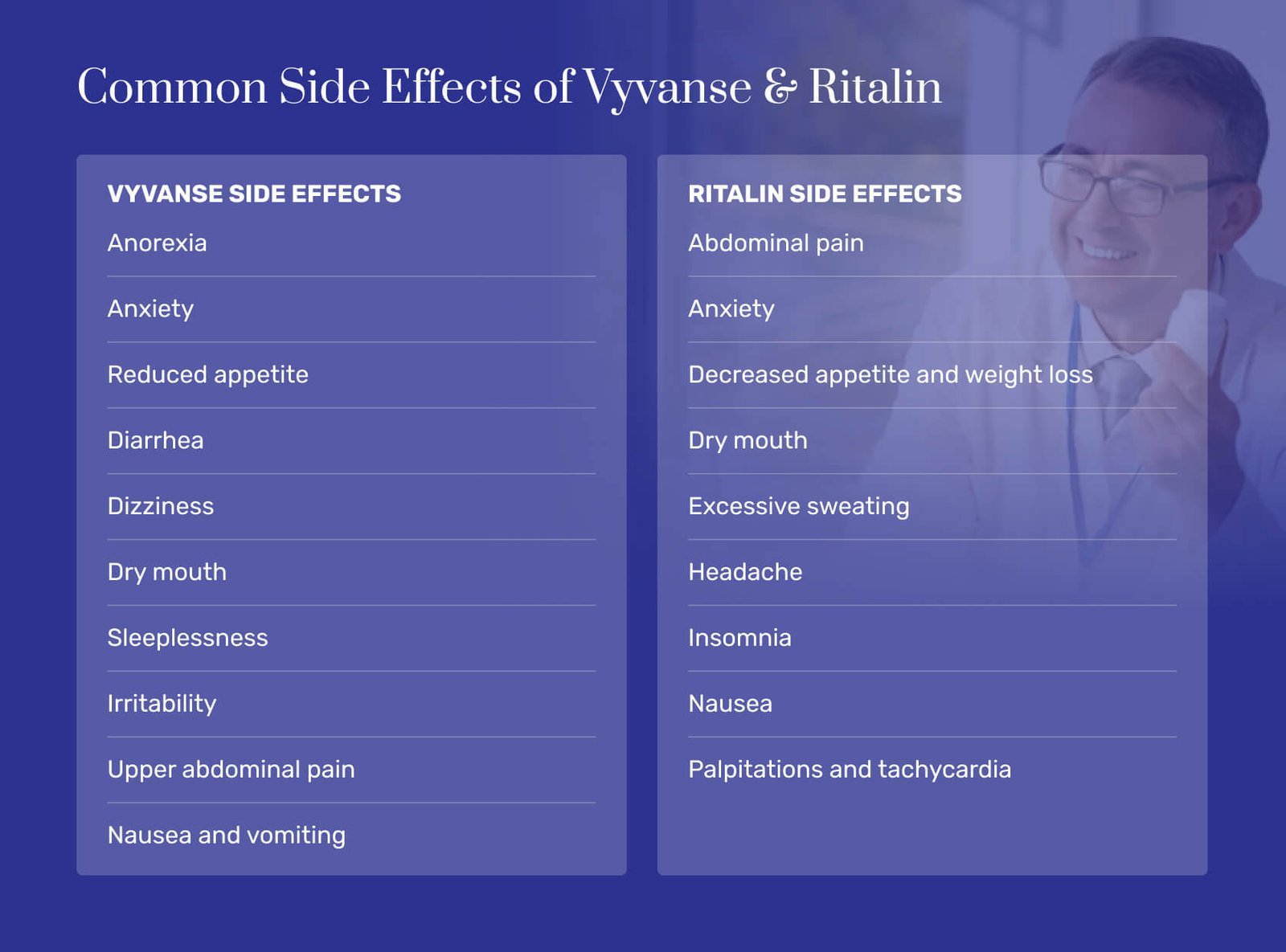
Common side effects of Vyvanse include decreased appetite, dry mouth, insomnia, anxiety, and increased heart rate. While generally well-tolerated, Vyvanse may lead to emotional flatness or heightened anxiety in some individuals. Patients should be aware that the medication can also contribute to higher blood pressure, requiring regular monitoring during treatment.
Conversely, Ritalin’s side effects can include similar appetite suppression, insomnia, and cardiovascular impacts. However, patients sometimes report distinct emotional challenges, such as feeling emotionally flat or apathetic. Additionally, patients on Ritalin may experience rebound effects, leading to an exacerbation of ADHD symptoms as the medication wears off.
Are There Long-Term Side Effects to Consider?
Long-term usage of both Vyvanse and Ritalin can lead to significant considerations. While many patients find relief from ADHD symptoms without severe consequences, long-term stimulant use raises concerns about dependency and abuse. Both medications have the potential for misuse, particularly among individuals relying on stimulants for academic or work performance enhancements.
Furthermore, the possibility of long-term cardiovascular effects necessitates vigilance. While the absolute risk remains relatively low, especially among younger populations, healthcare providers often recommend periodic assessments to evaluate heart health over time.
Overall, it remains essential for patients to weigh the benefits against the potential risks when considering either of these medications. Open dialogue about side effects encourages better management of treatment outcomes.
Vyvanse vs Ritalin for Studying: Which Is More Effective?
The choice between Vyvanse and Ritalin for studying often centers around individual needs and experiences. Many students have reported that Vyvanse provides them prolonged focus and concentration needed for sustained study sessions. Its lasting effects can help them remain engaged in tasks for hours, aligning well with academic workloads.
Conversely, students may prefer Ritalin for its quick onset, allowing for immediate focus when initiating study sessions. The immediate effects of Ritalin can be useful for cramming for exams or completing assignments on time, though the necessity for multiple doses can complicate lengthy study schedules.
Ultimately, individuals will have varying opinions on the effectiveness of either medication for studying, making ongoing feedback a vital component in the decision-making process.
Social Implications of Vyvanse vs Ritalin Use
When considering Vyvanse or Ritalin, it’s essential to address social ramifications. Patients often report experiencing stigma around taking ADHD medication, which can impact their willingness to pursue treatment. Children and adults alike may fear judgment from peers for using what some perceive to be a performance-enhancing drug.
Comparatively, some individuals find that Vyvanse’s smoother, less abrupt effect reduces social discomfort. Many report a more balanced emotional state while taking Vyvanse, which may positively affect gatherings and social interactions. This aspect is essential, particularly for children, who grapple with the social challenges of ADHD.
On the other hand, students and professionals using Ritalin may find the more noticeable fluctuations in mood and focus create challenges in social settings. Experiences of emotional flatness can lead some individuals to withdraw from social engagements, impacting their quality of life.
Vyvanse and Ritalin in Adult Populations
While ADHD is often associated with children, it persists into adulthood for many individuals. Both Vyvanse and Ritalin are FDA-approved for adult use in managing ADHD symptoms in older populations as well.
Adult users may have different concerns than child patients, including managing careers, relationships, and family life. Vyvanse’s once-daily dosage typically aids in providing consistent symptom management without the need for multiple doses, aligning well with professional responsibilities.
In contrast, adults may find Ritalin beneficial earlier in the day for immediate coverage, particularly if they are only struggling with symptoms during specific tasks or times. This variability emphasizes the importance of tailoring treatment strategies to personal and lifestyle needs.
Frequently Asked Questions (FAQs)
What Are the Main Differences Between Vyvanse and Ritalin?
The primary differences between Vyvanse and Ritalin include their active ingredients, the duration of effects, and the frequency of dosing. Vyvanse (lisdexamfetamine) is a prodrug that typically lasts longer (10-14 hours) and is taken once daily, whereas Ritalin (methylphenidate) offers shorter, more immediate effects (3-8 hours) and may require multiple doses throughout the day.
Can Vyvanse and Ritalin Be Taken Together?
Generally, Vyvanse and Ritalin should not be taken together unless explicitly directed by a healthcare provider. Both medications are stimulants and can compound side effects such as increased heart rate and heightened anxiety. Combining them can also increase the risk of dependency. An individualized treatment approach is recommended.
Which Medication is Better for Studying: Vyvanse or Ritalin?
The choice between Vyvanse and Ritalin for studying greatly depends on personal preferences and experiences. Vyvanse is often preferred for long study sessions due to its extended-release capabilities. Ritalin, however, can offer immediate focus but might require multiple doses throughout sessions. Individuals should consult healthcare providers to determine what works best for them.
Are There Any Dietary Restrictions When Taking Vyvanse or Ritalin?
Dietary restrictions specific to taking Vyvanse or Ritalin are minimal. However, both medications may suppress appetite, leading to weight loss in some users. It’s advisable to maintain a balanced diet and ensure adequate nutrition. Patients should inform their healthcare provider of any significant dietary changes during treatment.
What Should I Do if I Miss a Dose of Vyvanse or Ritalin?
If a dose of Vyvanse or Ritalin is missed, the general guidance for Vyvanse is to take it as soon as you remember. However, if it is close to the time of the next scheduled dose, skipping the missed dosage is usually recommended. For Ritalin, similar principles apply, but patients should consult their prescribing physician about management of missed doses, particularly due to Ritalin’s differing formulary options.
Can I Switch From Vyvanse to Ritalin or Vice Versa?
Switching from Vyvanse to Ritalin or vice versa should be conducted under the guidance of a healthcare provider. Patients should undergo proper assessments when changing medications to optimize symptom management and minimize adverse effects. This transition often involves careful adjustments and ongoing monitoring for both effectiveness and tolerance.
Final Thoughts on Vyvanse vs Ritalin
The comparison between Vyvanse and Ritalin highlights essential differences in how each medication functions and is experienced by individuals with ADHD. Vyvanse tends to benefit those needing extended coverage and a smoother medication experience, while Ritalin may appeal for those requiring immediate relief within specific circumstances. Individual preferences, side effects, and lifestyle considerations should all play a role in decision-making.
Ultimately, understanding the nuanced differences between these medications strengthens the ability to make informed choices about ADHD treatments. Close collaboration with healthcare providers remains vital to achieve optimal results and ensure both efficacy and safety of treatment options.
As ADHD research continues to evolve, future options and improvements will likely enhance the therapeutic landscape, providing even greater alternatives for those affected. Always consult a healthcare professional for personalized advice tailored to specific needs and circumstances.
