🏠 Stay at home! 25% discount on all medicines


Understanding Vyvanse: Uses, Effects, and Comparison to Other Stimulants

Introduction
Vyvanse, known scientifically as lisdexamfetamine, is a widely prescribed stimulant medication often recommended for individuals with Attention Deficit Hyperactivity Disorder (ADHD). According to recent estimates, ADHD impacts about 5% of children and 2.5% of adults globally, making effective treatment options essential for improving quality of life. Vyvanse stands out because it is a prodrug, meaning it transforms into its active component, dextroamphetamine, only after the body metabolizes it. This unique feature distinguishes it from other stimulants and plays a crucial role in its mechanism of action.
Understanding what Vyvanse is, how it functions, its uses, and the side effects associated with it is vital for patients and caregivers navigating ADHD treatment options. This article provides a comprehensive overview of Vyvanse along with practical insights into its dosage, effects, and comparisons with other medications like Adderall and Ritalin.
By the end of this deep dive, readers will gain a better understanding of Vyvanse and the context in which it is used, ensuring informed decisions regarding ADHD treatments.
What is Vyvanse?
Vyvanse, or lisdexamfetamine dimesylate, is primarily recognized as a long-acting prescription medication used to treat ADHD in both children and adults. The FDA first approved Vyvanse in 2007, marking it as a significant advancement in ADHD medication. As a central nervous system (CNS) stimulant, Vyvanse works by increasing levels of norepinephrine and dopamine in the brain, neurotransmitters that play substantial roles in attention, focus, and behavioral control.
Unlike traditional stimulant medications that contain immediate-release amphetamines, Vyvanse functions as a prodrug. This means it does not act until it undergoes metabolic conversion in the body. Specifically, lisdexamfetamine is converted into dextroamphetamine after ingestion, which may lead to a more gradual effect and potentially lower abuse risk compared to immediate-release stimulants. This metabolic process necessitates the body to activate the drug, an aspect seen as beneficial in managing ADHD symptoms effectively.
In addition to treating ADHD, Vyvanse is also approved for managing moderate to severe Binge Eating Disorder (BED) in adults. Its cognitive-boosting effects assist individuals by promoting impulse control and decision-making capabilities, making it a versatile option in pharmacotherapy.
How Does Vyvanse Work in the Brain?

Vyvanse primarily influences the dopaminergic and noradrenergic systems, essential for regulating attention and movement control. Once ingested, lisdexamfetamine is absorbed into the bloodstream and subsequently converted into dextroamphetamine. This conversion slowly releases the active molecule over time, providing sustained stimulation as opposed to an abrupt spike followed by a crash, which commonly occurs with other stimulant medications.
Studies have shown that dextroamphetamine works by inhibiting the reuptake of norepinephrine and dopamine, therefore increasing their availability in the synapse. This elevation in neurotransmitter levels contributes to enhanced focus, improved attention span, and better impulse control. For individuals with ADHD, who often experience deficits in these neurotransmitter systems, this mechanism proves essential.
The gradual onset and extended effect in Vyvanse’s delivery system lead to better adherence among patients, as they may experience fewer side effects compared to traditional stimulants. As a result, Vyvanse has become a popular choice among healthcare providers for managing ADHD.
Vyvanse vs Adderall: Key Differences
When considering stimulant medications for ADHD, it is common to compare Vyvanse to Adderall, another well-known medication. Both drugs contain amphetamines, but they differ significantly in various aspects, including formulation, mechanism of action, and side effects.
Adderall consists of a blend of four different amphetamine salts, providing both immediate-release and extended-release formulations. In contrast, Vyvanse is a single ingredient prodrug that takes longer to metabolize. This fundamental difference in drug structure impacts how each medication performs in clinical settings. Adderall’s immediate-release formulation can cause more rapid effects, which may be ideal for some patients needing quick symptom control but could lead to fluctuations in performance due to the peaks and troughs associated with its release timing.
In terms of abuse potential, Vyvanse’s prodrug status leads to a lower likelihood of misuse. Since the drug needs to be metabolized, it is less effective when crushed or injected, a common method used by individuals trying to misuse other stimulants. This protective feature allows Vyvanse to stand out positively in preventing addiction compared to Adderall.
What About Effectiveness?
Studies comparing Vyvanse and Adderall have shown that effectiveness can vary greatly among individuals. While both medications are effective in treating ADHD’s core symptoms, some patients may respond better to one than the other. This variability in response highlights the personalized approach necessary in ADHD management.
For those with a history of substance abuse or concerns regarding addiction, Vyvanse may be favored due to its reduced risk of misuse. Alternatively, Adderall might be chosen for individuals who respond better to immediate effects and can manage the side effects associated with its peaks in dosing. Therefore, it is essential for patients to engage in open dialogue with their healthcare provider to find the most suitable option for their situation.
Common Uses of Vyvanse
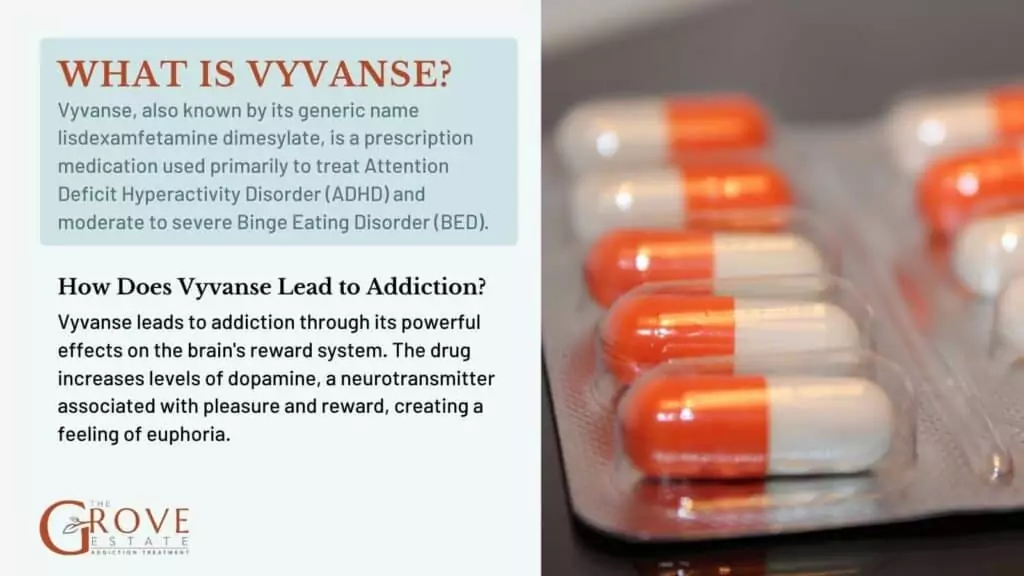
The primary indication for Vyvanse is the treatment of ADHD, which manifests through symptoms like inattentiveness, hyperactivity, and impulsivity. However, its utility extends beyond just ADHD cases.
Another significant indication for Vyvanse is for adults with Binge Eating Disorder (BED). In this context, the medication assists in reducing the frequency of binge eating episodes and enhances overall control toward food intake. This additional application showcases Vyvanse’s versatility in managing complex conditions while highlighting a rapidly growing area of focus in the mental health community.
Recent research also points to the potential for Vyvanse in improving cognitive function in healthy adults, particularly regarding attention and executive functions. While it is not FDA-approved for general cognitive enhancement, several studies underpin the significance of controlled stimulant medications for improved cognitive performance, albeit with caution due to possible side effects and dependency issues.
Vyvanse Dosage: How Much Should You Take?
The appropriate dosage of Vyvanse varies depending on the individual’s age, the severity of their symptoms, and how they respond to treatment. For children aged six to 12 years, the starting dose typically begins at 30 mg per day, which may be adjusted up to a maximum of 70 mg daily as needed. For adolescents aged 13 to 17, the initial recommended dose is also 30 mg, with similar titration guidelines.
For adults diagnosed with ADHD or BED, the standard starting dose is also 30 mg, but it can be increased based on therapeutic response. The maximum prescribed dosage for adults is once again 70 mg per day. Administering Vyvanse in the morning is usually recommended to align with daily life activities, as the effects persist throughout the day. Additionally, it is essential for patients to take the medication consistently, as variations in timing can affect efficacy and tolerability.
As with any medication, working closely with a healthcare provider ensures proper dosage management, monitoring for side effects, and adjustments as necessary throughout treatment.
Potential Side Effects of Vyvanse
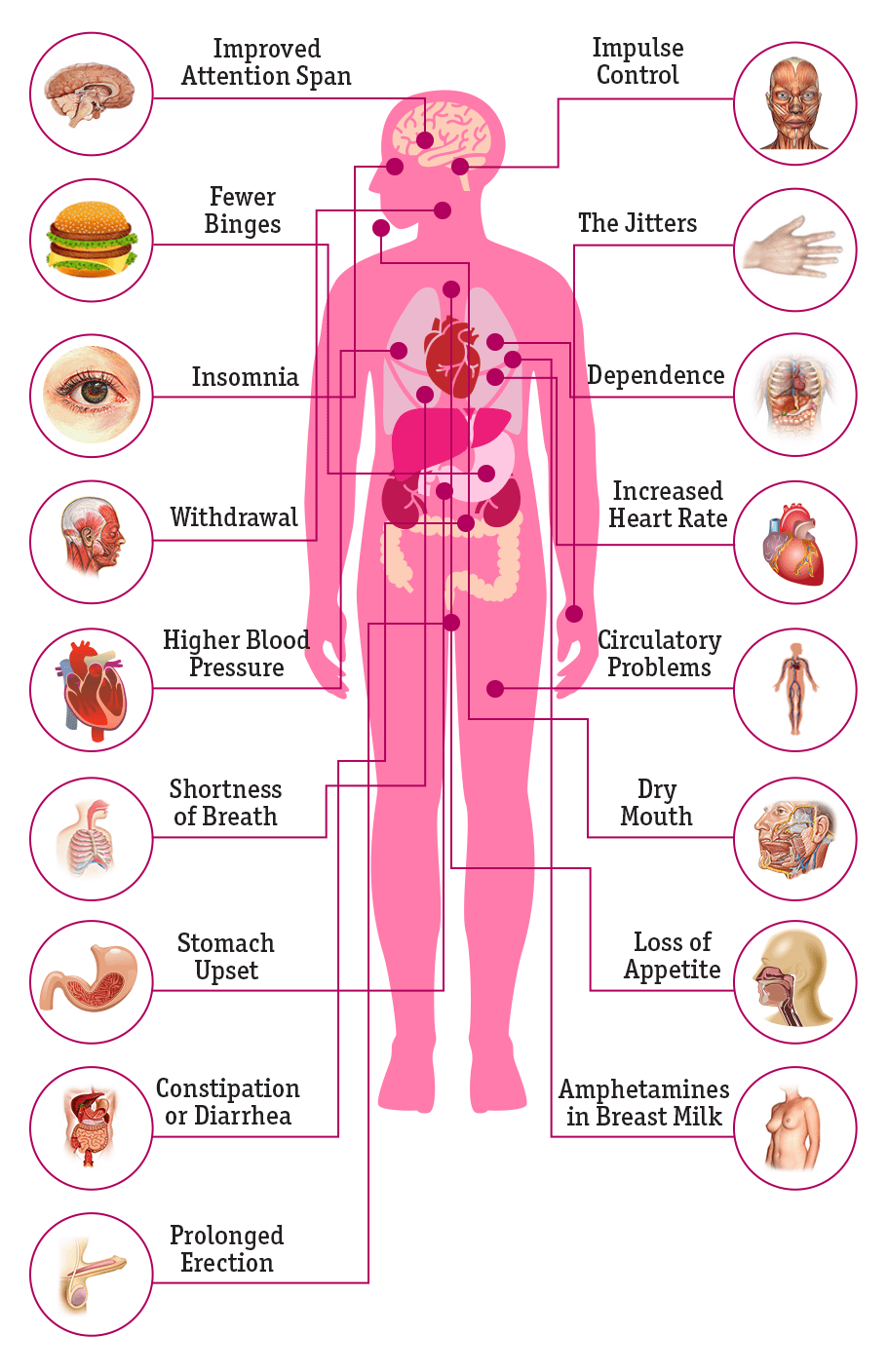
While Vyvanse can provide significant benefits for those struggling with ADHD or BED, it is crucial to be aware of potential side effects. Common side effects reported by patients include decreased appetite, insomnia, stomach pain, dry mouth, and anxiety. These side effects are typically mild to moderate but can impact an individual’s daily routine.
More serious side effects may also occur, including cardiovascular problems such as increased heart rate and blood pressure, mood changes, or the emergence of tics. In these cases, it is vital to communicate any troubling symptoms with a healthcare provider immediately. Moreover, Vyvanse holds a risk of dependency, particularly in individuals with a history of substance use disorders. While its unique prodrug formulation reduces this risk compared to traditional stimulants, it remains essential to use the medication strictly as prescribed.
Real-life experiences underline the necessity of regular follow-ups with a prescribing physician to monitor both efficacy and side effects. This relationship ensures ongoing management leads to the best outcomes.
Is Vyvanse Addictive? Understanding the Risks
The question of whether Vyvanse is addictive often concerns patients and their families. As a Schedule II controlled substance, Vyvanse carries the potential for abuse relative to other non-controlled medications. However, its unique formulation as a prodrug presents a lower risk of addiction than traditional amphetamines.
When misused, such as through intravenous or nasal administration, Vyvanse can lead to feelings of euphoria and increased energy, potentially setting the stage for dependency. However, when taken as prescribed, the likelihood of developing an addiction is significantly reduced due to the smooth and gradual onset of effects, which does not provoke the ‘rush’ associated with other stimulants.
Education regarding proper use and the dangers of misuse is vital in preventing addiction. Patients should be proactive in discussing concerns about addiction with their healthcare provider, who can provide reassurances and strategies to manage any risks associated with Vyvanse.
Vyvanse Alternatives: Other ADHD Medications
While Vyvanse is effective for many, it is important to understand that other options are available for managing ADHD. Notable alternatives include Adderall, Ritalin (methylphenidate), Concerta (extended-release methylphenidate), and Strattera (atomoxetine) among others. Each has unique pharmacological profiles, indications, and potential side effects. The choice of medication often depends on the individual’s symptoms, preferences, and previous responses to treatment.
Adderall, as previously mentioned, consists of multiple amphetamine salts, providing flexible dosing options. Ritalin and Concerta, both forms of methylphenidate, are commonly less potent than Vyvanse but may offer quick relief of symptoms. Strattera, on the other hand, is a non-stimulant that targets norepinephrine reuptake inhibition without the potential for addiction associated with amphetamines.
Choosing the right medication is a highly individualized process that should be guided by healthcare professionals who can assess the specific needs and lifestyle of each patient. Patients should remain engaged throughout the process to ensure they find the best treatment approach suitable for their situation.
FAQ Section
1. What is Vyvanse used for?
Vyvanse is primarily used to treat ADHD in children and adults, supporting improvements in focus, attention, and impulse control. Additionally, it is also prescribed to adults with Binge Eating Disorder, helping manage uncontrolled eating episodes.
2. How does Vyvanse differ from other ADHD medications?
Vyvanse is a prodrug that converts into its active form, dextroamphetamine, after being processed in the body. This differentiates it from traditional medications like Adderall, which contain immediate-release forms of amphetamines. Vyvanse typically has a longer duration of action and a lower potential for abuse.
3. What are the common side effects of Vyvanse?
Common side effects include decreased appetite, insomnia, stomach pain, dry mouth, and feelings of nervousness or anxiety. More serious side effects can involve cardiovascular issues and mood alterations, making regular monitoring essential during treatment.
4. Is Vyvanse addictive?
Vyvanse is classified as a controlled substance and carries a risk of dependency, especially if misused. However, its prodrug status results in a lower potential for abuse compared to traditional stimulant medications when taken as directed.
5. How should Vyvanse be dosed?
The typical starting dose for Vyvanse is 30 mg per day for children and adults, with the possibility of adjusting doses up to 70 mg based on clinical response. It is recommended to take Vyvanse in the morning to align with daily activities, as the effects can last throughout the day.
6. Can I take Vyvanse with other medications?
Combining Vyvanse with other medications should always be done under the guidance of a healthcare provider. Certain medications can interact with Vyvanse, impacting its effectiveness or increasing side effects, so an open discussion about all current medications is crucial.
7. What alternatives are available to Vyvanse?
Alternatives to Vyvanse include other stimulant medications like Adderall and Ritalin, as well as non-stimulants like Strattera. The choice of medication will depend on individual symptoms, lifestyle, previous experiences, and potential side effects.
Conclusion
Vyvanse has become a prominent treatment option for individuals coping with ADHD and Binge Eating Disorder by enhancing focus and impulse control. Its unique formulation as a prodrug offers several advantages over traditional stimulants while minimizing the risks associated with misuse. Understanding how Vyvanse works, its potential side effects, and comparisons with alternative medications is crucial for enabling informed decisions regarding treatment.
The journey to managing ADHD can be challenging. It is essential for individuals to discuss their experiences and concerns with healthcare providers openly. Together, they can navigate varying treatment options to find the most effective and safe approach tailored to individual needs.
As research continues to evolve, new insights will undoubtedly shape our understanding of medications like Vyvanse and their role in managing ADHD and Binge Eating Disorder more effectively. If you or a loved one is considering Vyvanse, consulting with a professional will ensure a comprehensive approach to ADHD treatment.
