🏠 Stay at home! 25% discount on all medicines


Understanding How Adderall Works: Mechanisms, Effects, and Insights

Adderall, a prescription medication primarily used to treat Attention Deficit Hyperactivity Disorder (ADHD), has gained notoriety beyond clinical settings. A staggering 6% of adults in the United States report having used Adderall recreationally, often seeking its stimulating effects. This raises significant interest in understanding how Adderall works within the brain, the benefits it provides patients with ADHD, and the potential effects on those without the disorder.
This comprehensive article delves into the pharmacological mechanisms of Adderall, its pharmaceutical composition, and how it interacts with neurotransmitters in the brain. It also covers the effects experienced by both individuals diagnosed with ADHD and those who use it recreationally. The reader will gain a nuanced understanding of the benefits and risks associated with Adderall usage, including how it can alter cognitive functioning and emotional states.
By the end of this article, readers will not only be informed about how Adderall works but also equipped to critically assess its use, whether for therapeutic purposes or otherwise. Let’s embark on a detailed journey through the complexities of this widely-used stimulant.
How Does Adderall Work in the Brain?
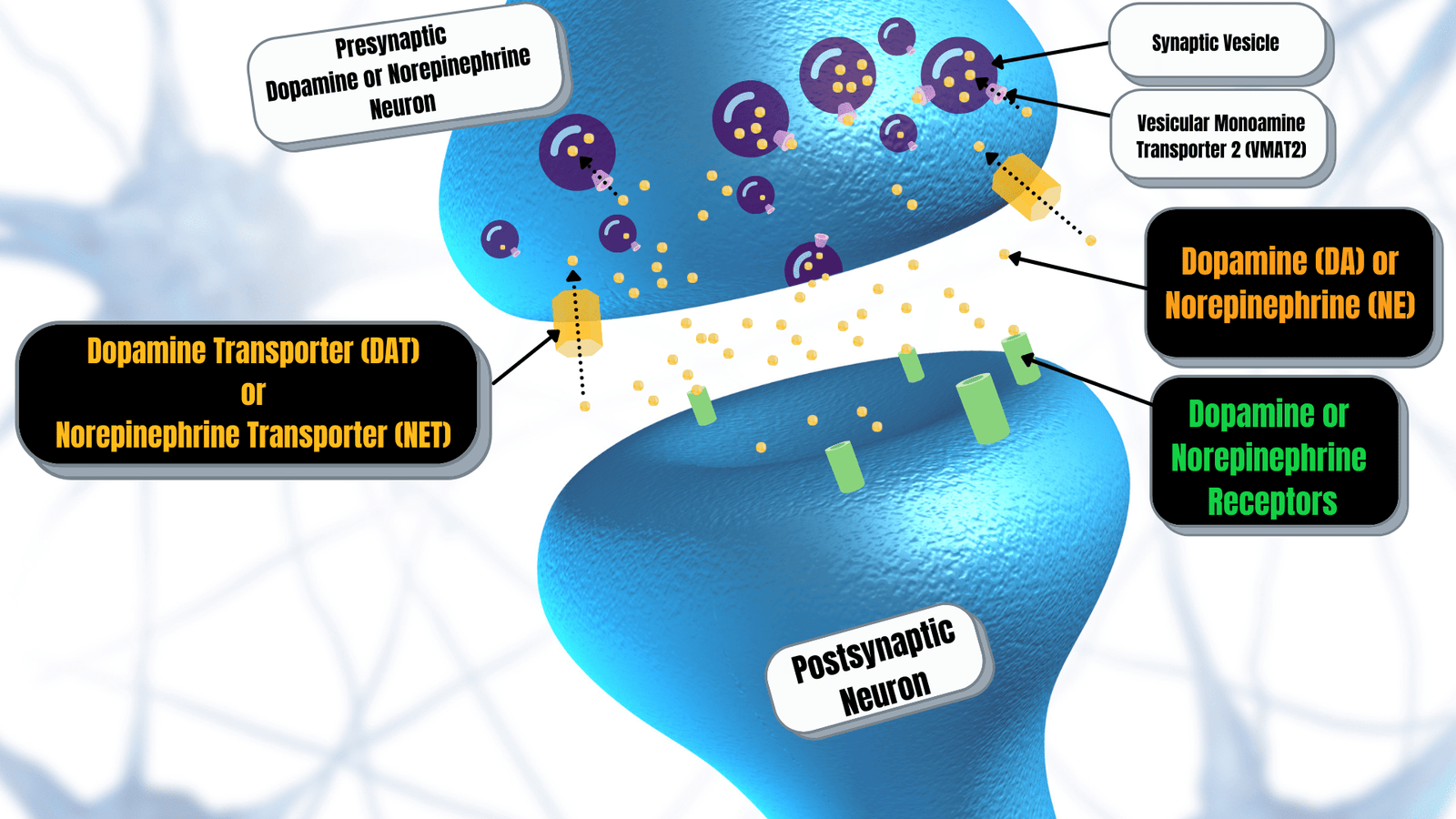
Adderall’s effectiveness in enhancing focus and attention can be attributed to its complex interaction with various neurotransmitters in the brain. At its core, Adderall is a central nervous system (CNS) stimulant, which primarily affects the levels of two crucial neurotransmitters: dopamine and norepinephrine. Both of these chemicals play significant roles in regulating mood, attention, and the stress response.
The mechanism through which Adderall operates begins with its action on the prefrontal cortex, an area of the brain responsible for executive functions such as impulse control, decision-making, and attention regulation. When administered, Adderall increases the release of dopamine and norepinephrine in this region, leading to improved cognitive performance, heightened alertness, and enhanced mood. Studies have demonstrated that individuals with ADHD experience a marked increase in attention and a reduction in hyperactive behaviors when treated with Adderall.
Research indicates that Adderall not only increases the concentrations of these neurotransmitters in synaptic clefts but also inhibits their reuptake, thereby intensifying their effects. This process is particularly significant for individuals with ADHD, as they often have lower baseline levels of dopamine in their brains, which can impair their ability to focus and organize tasks.
What Happens to Brain Chemistry When Using Adderall?
The immediate physiological effects of Adderall are tied to a cascade of neurochemical changes. When ingested, the amphetamine compounds within Adderall enter the bloodstream and reach the brain relatively quickly. Once there, they increase the release of dopamine, norepinephrine, and serotonin, leading to various physiological and psychological effects.
Dopamine is essential for the reward system and plays a critical role in motivation and pleasure. Increased dopamine levels can heighten feelings of well-being and engagement, making tasks appear more rewarding and less burdensome. Similarly, norepinephrine heightens alertness and prepares the body for action, effectively managing stress responses.
Interestingly, serotonin also plays a role; modifications in its levels can affect mood and anxiety levels, which are often issues for individuals with ADHD. This multi-faceted approach to brain chemistry is what makes Adderall effective for many individuals, enhancing their ability to function in day-to-day settings.
What Does Adderall Feel Like for Users?
Those taking Adderall often report a sensation of increased clarity, focus, and energy. For individuals with ADHD, this can translate into a newfound ability to concentrate on challenging tasks and an improved capacity for self-regulation. Many describe a decrease in mental fatigue and an enhanced ability to process information swiftly.
Conversely, recreational users may describe feelings of euphoria or heightened activity. These effects can be enticing, leading some individuals to misuse the drug for cognitive enhancement or productivity boosts. However, the reported effects can vary significantly from person to person, influenced by factors such as individual neurochemistry, existing mental health conditions, and dosage.
While these positive effects may seem beneficial, they often mask potential downsides, particularly when used outside prescribed parameters. Users may experience anxiety, restlessness, and insomnia, common side effects that arise due to overstimulation of the nervous system.
How Adderall Works for ADHD
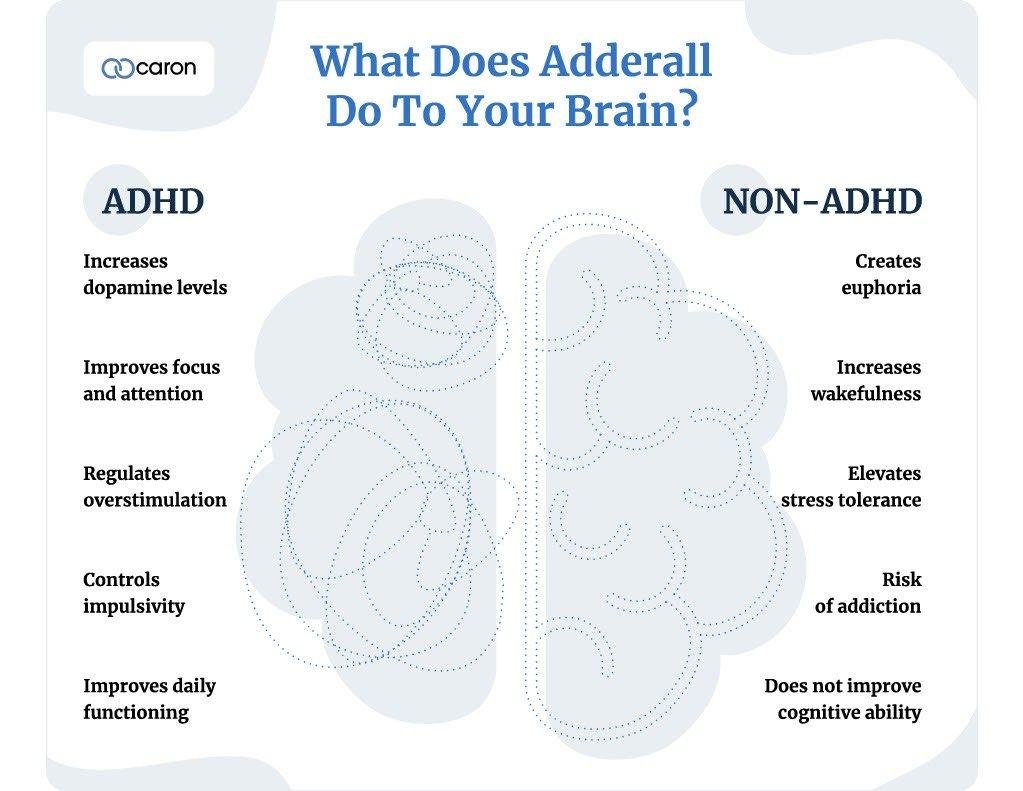
The use of Adderall as a treatment for ADHD has been well-documented and supported by extensive clinical research. For individuals diagnosed with ADHD, Adderall can serve to normalize neurotransmitter levels, significantly improving attention span and impulse control. The drug is typically administered in extended-release forms, which offer prolonged effects and help maintain consistent levels of medication in the bloodstream throughout the day.
Studies indicate that when children and adults with ADHD are treated with Adderall, there can be substantial improvements in academic performance, social interactions, and overall quality of life. These enhancements stem from the medication’s ability to fortify neural pathways that are weak or underactive in individuals with ADHD.
It is essential to note that while Adderall can be effective, it is not a one-size-fits-all solution. Healthcare providers often emphasize the importance of a comprehensive treatment plan that includes behavioral therapy and lifestyle modifications alongside medication to address the diverse needs of individuals with ADHD.
How Does Adderall Work Biochemically?
Adderall’s biochemical mechanism centers around its dual action as a stimulant and a pro-dopaminergic agent. Its primary ingredients, amphetamine and dextroamphetamine, work by promoting the release of catecholamines—dopamine, norepinephrine, and serotonin—into the synaptic cleft. This amplifies the signaling between neurons, particularly in the brain’s reward pathways and executive function centers.
Furthermore, Adderall effectively antagonizes the reuptake transporters for these neurotransmitters. By blocking these transporters, Adderall extends the presence of dopamine and norepinephrine in the synaptic cleft, allowing for prolonged effects. This not only enhances cognitive abilities and focus in individuals with ADHD but also regulates hyperactivity, allowing for calmer behavior.
Chronic use does lead to adaptations in the brain’s neurochemical system, resulting in possible tolerance requiring higher doses to achieve the same effects. This can complicate the treatment of ADHD and lead to dependence and withdrawal symptoms if the medication is suddenly discontinued.
Is Adderall Safe for Long-Term Use?
The safety of long-term Adderall use is a topic of considerable debate among healthcare professionals. On one side, many studies report positive outcomes for individuals treated with Adderall over extended periods, highlighting improvements in academic achievement, social interactions, and overall functioning. However, concerns arise regarding potential side effects, such as cardiovascular issues, growth suppression in children, anxiety, and the risk of dependency.
Risk of dependency is heightened in individuals who misuse Adderall for non-medical purposes, particularly in recreational contexts, leading to potential overdose or severe psychological effects. Furthermore, abrupt cessation of the medication can lead to withdrawal symptoms, including fatigue, depression, and increased impulsivity, complicating discontinuation efforts.
Due to these risks, practitioners often recommend regular monitoring and comprehensive evaluations to ensure that the benefits of continued use outweigh the potential drawbacks, particularly in growing children and adolescents.
How Does Adderall Work on People Without ADHD?
The effects of Adderall on individuals who do not have ADHD present a complex narrative. For those without the disorder, Adderall can induce feelings of heightened focus and energy, often leading to increased work output or a rushed sense of accomplishment. Some people experience a dramatic boost to cognitive performance, attributing this phenomenon to improved concentration and motivation.
While some may seek these benefits for academic or work-related enhancements, the lack of regulatory mechanisms that exist in individuals with ADHD can make these stimulant effects perilous. Individuals without ADHD may also experience tolerance and dependency on the drug, exposing them to its psychological and physiological side effects without any legitimate medical need.
Research has demonstrated that while Adderall can potentiate cognitive enhancement effects, it does not universally improve cognitive performance for all individuals. Many studies indicate that while a small portion of the general population may experience increased attention and productivity, others may not observe any benefit or may instead suffer negative consequences like increased anxiety or cognitive deficits.
Does Adderall Make You High?
Many recreational users seek out Adderall for its euphoric effects, akin to a
