🏠 Stay at home! 25% discount on all medicines


Understanding Concerta: The Comprehensive Guide to ADHD Management

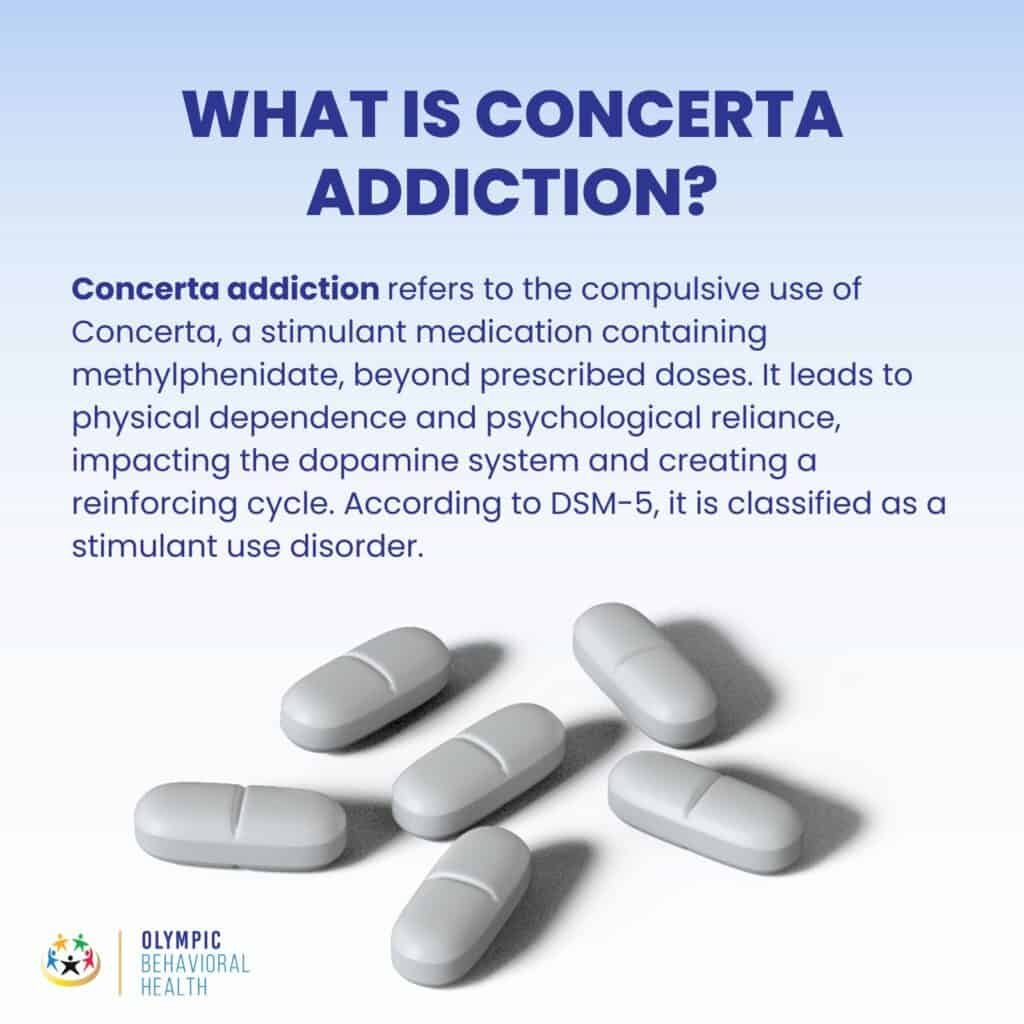
Concerta is a prescription medication widely recognized for its role in managing Attention Deficit Hyperactivity Disorder (ADHD). Recent statistics show that approximately 6.1 million children have been diagnosed with ADHD in the United States alone, representing a significant portion of the pediatric population. As the prevalence of ADHD continues to grow, effective treatment options become increasingly crucial. Concerta is one such option, utilizing the active ingredient methylphenidate, which stimulates certain chemicals in the brain that help with focus and impulse control.
The journey of understanding Concerta involves not only its primary function as a medication but its broader implications, including potential side effects, dosage guidelines, and comparisons with other medications such as Adderall and Ritalin. Whether you are a parent, a healthcare professional, or someone grappling with ADHD, this comprehensive guide provides in-depth insights into Concerta.
As we explore the multifaceted aspects of Concerta, readers can expect to gain a thorough understanding of how this medication works, its various applications, and considerations regarding its use. By the end of this article, you will be equipped with knowledge that empowers you to make informed health decisions related to ADHD management.
What is Concerta and How Does it Work?
Concerta is an extended-release formulation of methylphenidate, primarily designed for treatment of ADHD. Methylphenidate works as a central nervous system (CNS) stimulant that affects chemicals in the brain and nerves, enhancing concentration and reducing impulsive behaviors. The mechanism by which Concerta operates involves increasing the levels of neurotransmitters such as dopamine and norepinephrine in the brain, which are crucial for attention and impulse control.
Unlike immediate-release formulations, Concerta is designed for once-daily dosing, providing a therapeutic effect that can last up to 12 hours. This prolonged release minimizes the need for multiple daily doses, catering to the needs of children and adults alike who lead busy lives. The unique OROS (osmotic-controlled release oral delivery system) technology further contributes to the consistent delivery of the active ingredient throughout the day.
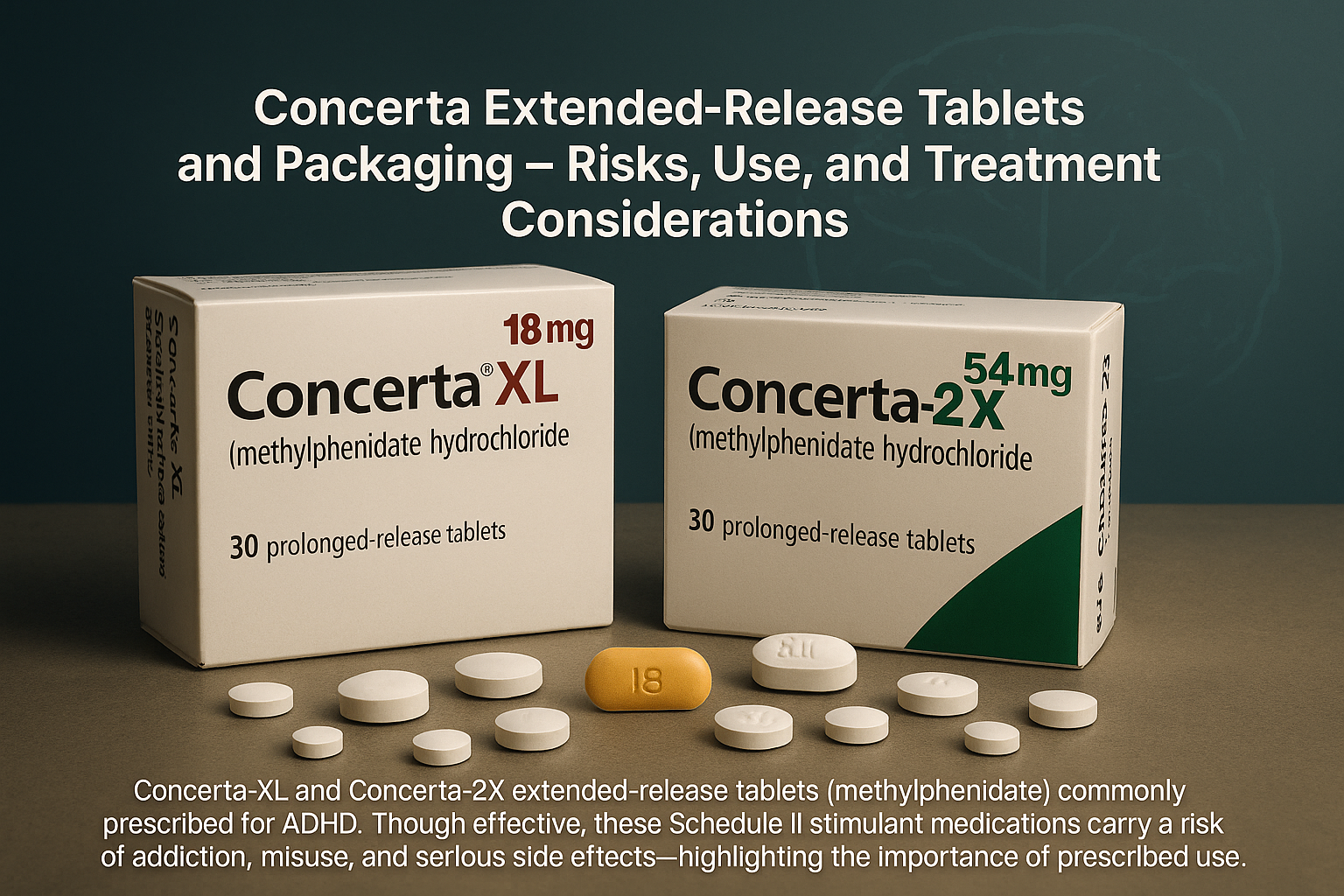
Being a schedule II controlled substance, Concerta is subject to strict regulations due to its potential for misuse and dependency. It is critical to understand both its therapeutic benefits and risks for safe and effective use. As a reflection of its growing acceptance within the medical community, Concerta remains one of the most prescribed medications for ADHD across various age groups.
What is Concerta Used For?
Concerta’s primary indication is the treatment of Attention Deficit Hyperactivity Disorder (ADHD) in both children and adults. ADHD is characterized by symptoms of inattention, hyperactivity, and impulsivity that can significantly impact daily functioning. By enhancing focus and self-regulation, Concerta assists individuals in achieving academic success, workplace productivity, and improved interpersonal relationships.
In addition to ADHD, Concerta may also be prescribed off-label for conditions such as narcolepsy—a sleep disorder characterized by excessive daytime sleepiness. However, the primary and most recognized use remains in the management of ADHD symptoms.
Moreover, the adaptability of Concerta in various demographics underscores the need for thorough assessment and tailored therapeutic strategies. Healthcare providers often consider a patient’s age, medical history, and symptom severity before recommending Concerta as a suitable treatment option.
Understanding Dosage Guidelines for Concerta
Determining the appropriate dosage of Concerta is essential for effective management of ADHD symptoms. The dosage is typically individualized, starting with a lower concentration to assess tolerance before adjusting to higher levels as necessary. For children aged 6 to 17, the usual starting dose is 18 mg once daily, which may be increased by 18 mg increments depending on the therapeutic response.
Adults may begin with doses ranging from 18 mg to 36 mg daily. The maximum recommended dose for both children and adults is 72 mg per day. It is crucial to follow the prescribing physician’s guidance regarding dosages, as individual factors such as weight, age, and response to treatment can impact the optimal dosage.
It is also important to take Concerta in the morning to align with the body’s natural circadian rhythms and to avoid insomnia or other sleep disturbances that can occur with stimulant medications. Patients are encouraged to avoid taking Concerta late in the day to minimize this risk.
Side Effects of Concerta: What to Expect
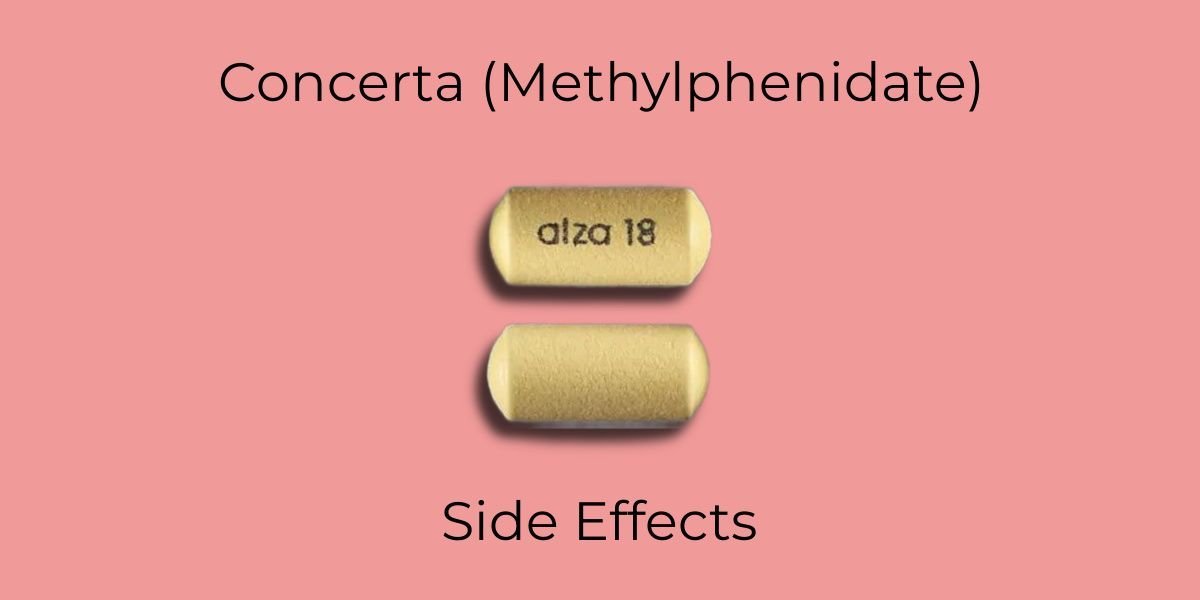
Like any medication, Concerta can produce side effects. While not everyone may experience these, it’s essential to be aware of potential reactions to ensure safety and adjust treatment if necessary. Many users report manageable side effects that may diminish as the body acclimates to the medication; however, understanding the full spectrum of side effects is vital.
The most commonly reported side effects of Concerta include:
- Insomnia or difficulty sleeping
- Decreased appetite leading to weight loss
- Dry mouth
- Increased heart rate
- Headaches
In pediatric populations, appetite suppression may pose additional challenges, potentially impacting growth patterns. Hence, regular monitoring of weight and growth in children is recommended to address such concerns early on.
More severe side effects may also occur, although they are rare. These can include cardiovascular problems like increases in blood pressure and heart rate, as well as psychiatric effects such as increased anxiety, agitation, or mood changes. Patients or caregivers should immediately notify a healthcare provider if any concerning symptoms arise, especially those relating to heart function or mood instability.
Is Concerta Addictive?
The question of addiction is significant when discussing Concerta. As a CNS stimulant, Concerta does have a potential for abuse and dependence, which is why it is classified as a schedule II controlled substance. Misuse, such as taking higher doses than prescribed or consuming the medication without a prescription, can lead to serious health complications.
To mitigate the risk of addiction, Concerta should be taken strictly as prescribed by a healthcare provider. This includes adhering to the prescribed dosages and not sharing the medication with others. Awareness of the signs of misuse, such as seeking early refills, changes in behavior, or deteriorating academic or occupational performance, is vital for family members and individuals taking this medication.
For those concerned about addiction, alternative non-stimulant medications are available for ADHD, such as atomoxetine (Strattera), though they may differ in efficacy and side effect profiles. Consultation with a healthcare professional can help navigate the best treatment pathways.
Concerta vs. Adderall: Which Is Right for You?
When it comes to ADHD treatment, Concerta and Adderall are two of the most commonly prescribed medications. Each has its advantages and disadvantages, and understanding the differences can help in making an informed decision.
Concerta, as previously discussed, is an extended-release form of methylphenidate, while Adderall is a combination of amphetamine salts. Both medications act as CNS stimulants but can vary in their pharmacological profiles, side effects, and durations of action. Adderall generally has a faster onset of action but may not last as long as Concerta, which provides relief over a more extended period.
Some patients may respond better to one medication over the other based on their unique metabolic pathways and individual reactions. Additionally, side effects may differ; while some may tolerate methylphenidate (Concerta) well, they may encounter more adverse effects with amphetamines (Adderall), or vice versa. It is critical to engage with a healthcare provider to assess these differences and consider personal lifestyle and preferences when choosing between the two.
Concerta vs. Ritalin: Understanding the Differences
While both Concerta and Ritalin contain methylphenidate as the active ingredient, their formulations and uses reveal notable differences. Ritalin is available in both immediate and extended-release formulations, offering versatile dosing options.
Unlike Concerta, which provides a prolonged release effect, Ritalin’s immediate-release version requires multiple doses throughout the day to maintain therapeutic effects. For some patients, this might be unmanageable, while others may prefer the control over dosing it allows.
Furthermore, users may report differences in side effects and effectiveness between the two medications. It’s essential to have a personalized discussion with a healthcare provider to determine which medication aligns best with individual needs, lifestyle, and specific ADHD symptoms.
Concerta and Its Role in Adult ADHD Treatment
ADHD is not solely a childhood condition; many individuals continue to experience symptoms into adulthood. In fact, studies suggest that approximately 4.4% of adults in the U.S. have ADHD, with many finding relief through medications like Concerta. Adult attention difficulties can manifest in various ways, from trouble meeting deadlines to difficulties in relationship management.
Treatment with Concerta can significantly improve the quality of life for adults with ADHD. By helping individuals focus better, it can reduce feelings of frustration and enhance organizational skills. In addition to medication, combining pharmacological treatment with therapy—such as cognitive-behavioral therapy—can yield comprehensive management of ADHD symptoms.
As the stigma surrounding ADHD wanes, an increasing number of adults are seeking evaluation and treatment. This shift underscores the importance of effective medication options for managing adult ADHD symptoms, with Concerta being a key player in that regard.
The Importance of Monitoring and Follow-Up
Regular follow-up appointments are crucial for patients taking Concerta. These check-ins allow healthcare providers to assess the effectiveness of the medication, monitor for side effects, and make necessary adjustments to dosages. They can also serve as an opportunity to address any concerns that may arise.
Patients should also maintain open communication with their healthcare providers about any changes in mood, appetite, or overall health while taking Concerta. This collaborative approach ensures that the treatment plan remains aligned with the patient’s needs, maximizing the therapeutic benefits while minimizing potential risks.
Frequently Asked Questions about Concerta
What is the generic name for Concerta?
The generic name for Concerta is methylphenidate. This active ingredient is shared with several other medications used for ADHD, including Ritalin and Metadate. Methylphenidate works by stimulating the brain’s neurotransmitters and is considered a first-line treatment for managing ADHD symptoms.
How long does it take Concerta to start working?
Concerta typically begins to take effect within 30 to 60 minutes after ingestion, although peak effects may not be felt until approximately 6 to 8 hours post-dose. The onset of action can depend on individual factors, including metabolism and whether the medication is taken on an empty stomach. Patients should consult their healthcare provider if they have concerns about the onset of effectiveness.
Can Concerta cause weight loss?
Yes, weight loss can be a side effect of Concerta, particularly in children and adolescents. The stimulant nature of the medication often leads to decreased appetite, which can result in weight loss over time. Regular weight monitoring is essential, particularly for growing children, to ensure they are receiving adequate nutrition and growth support during treatment.
What should I do if I miss a dose of Concerta?
If a dose of Concerta is missed, it should be taken as soon as remembered on the same day. However, if it is near the time of the next scheduled dose, the missed dose should be skipped, never doubling up to compensate. Missing doses can impact the medication’s overall effectiveness, so it’s essential to maintain a consistent schedule as much as possible.
Is Concerta safe for long-term use?
Concerta can be safe for long-term use under the guidance of a healthcare provider, provided that patients are regularly monitored for potential side effects and treatment effectiveness. Long-term management of ADHD often necessitates a combination of medication, behavioral therapy, and lifestyle modifications. Regular evaluations ensure that the treatment remains beneficial and essential adjustments can be made when necessary.
Conclusion
Concerta plays a pivotal role in managing ADHD symptoms for both children and adults. With its unique extended-release formulation, it allows for sustained therapeutic effects while minimizing dosing frequency. Understanding how it works, the potential side effects, and distinctions from similar medications such as Adderall and Ritalin equips patients and caregivers with necessary insights for informed decision-making.
As attention towards ADHD continues to evolve, so does the need for effective management strategies. By collaborating with healthcare providers, individuals can develop comprehensive treatment plans that encompass medication, lifestyle adjustments, and cognitive therapies to yield the best outcomes.
With the information provided, readers are encouraged to explore the complexities of ADHD treatment options while considering Concerta as a viable pathway towards enhanced focus, productivity, and overall quality of life. Empower yourself with knowledge and take charge of your health journey today.
