🏠 Stay at home! 25% discount on all medicines


Understanding Ambien: Uses, Effects, and Risks of Zolpidem

Ambien, known generically as zolpidem, is a sedative-hypnotic medication primarily prescribed for the treatment of insomnia. The primary mechanism of action involves enhancing the effects of a specific neurotransmitter in the brain, facilitating faster sleep onset and improved overall sleep quality. With an estimated 30% of adults suffering from chronic sleep issues, Ambien remains a popular choice within prescribing practices. However, like all medications, it carries risks and potential side effects that both patients and healthcare providers should understand.
As a short-term solution to insomnia, Ambien has garnered attention for its efficacy and convenience. It is classified under a family of drugs called central nervous system (CNS) depressants, which slow down brain activity to stabilize the sleep-wake cycle. While it offers notable benefits for those struggling with sleep difficulties, there are crucial factors associated with its use that merit exploration.
This article serves to provide a comprehensive overview of Ambien—its uses, dosages, side effects, interactions, and important safety tips to ensure its proper administration. By understanding these facets, both patients and caregivers can make informed choices regarding insomnia treatment options.
What Is Ambien and How Does It Work?
Ambien is classified as a non-benzodiazepine sedative, designed specifically to assist with sleep initiation and maintenance. Its active ingredient, zolpidem, primarily acts on the brain’s GABA receptors, promoting the effects of gamma-aminobutyric acid (GABA), a neurotransmitter responsible for reducing neuronal excitability throughout the nervous system. This creates a calming effect that is conducive to sleep.
Most often, Ambien is prescribed for individuals who experience trouble falling asleep, a condition known as insomnia. The prescription is typically for short-term use, stretching from a few days to a few weeks, as long-term reliance can lead to tolerance and dependence.
Ambien comes in various forms, including immediate-release tablets, which allow users to fall asleep quickly, and extended-release formulations, which help sustain sleep throughout the night. The immediate-release version is especially favored for those who struggle with sleep onset, while the extended-release form caters to individuals who wake frequently during the night.
What Are the Primary Uses of Ambien?
While Ambien is most commonly used to treat insomnia, it may be prescribed in other scenarios as deemed necessary by a healthcare provider. The primary uses of Ambien include:
- Short-term management of insomnia: Many patients report difficulty falling asleep or staying asleep, which Ambien addresses by managing sleep onset and addressing nighttime awakenings.
- Pre-surgical sedation: In some cases, Ambien may be used as an adjunct to other anesthetic medications, helping patients relax prior to surgical procedures.
- Sleep disorders associated with psychological conditions: Though primarily used for insomnia, it may aid individuals with anxiety or depression-related sleep disturbances.
Is Ambien Effective for Everyone?
Ambien can be effective for many individuals; however, its efficacy may vary based on factors like age, overall health, and the cause of insomnia. Age is particularly relevant; older adults may experience increased sensitivity to sedatives, which necessitates a cautious approach when prescribing. Additionally, underlying medical conditions and concurrent medications can influence how well Ambien works.
Research indicates that Ambien can significantly improve sleep duration and daytime alertness. In clinical studies, patients using zolpidem reported a quicker sleep onset, reduced wakefulness during the night, and increased overall sleep quality. However, issues such as dependency or withdrawal symptoms may occur if misused alongside incorrect dosing practices.
Dosage Recommendations for Ambien
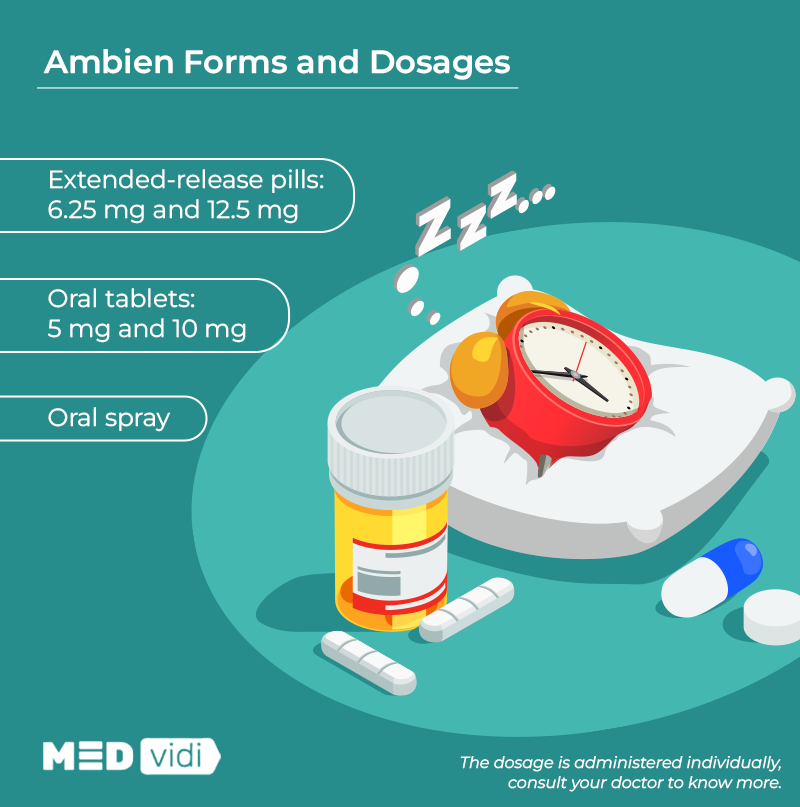
Determining the appropriate dosage of Ambien is crucial in achieving the desired sedative effects while minimizing the risk of side effects. Ambien is available in different strengths, including 5 mg and 10 mg, with starting doses and adjustments tailored to individual patient needs.
The initial recommended dosage for adult females is typically 5 mg, while adult males may start at 10 mg, taking into consideration factors such as body mass and medication sensitivity. For elderly patients, lower doses are recommended to mitigate risks associated with sensitivity and potential side effects.
Common guidelines for taking Ambien include:
- Taking the medication immediately before bedtime, ideally with a full night’s rest plan in place.
- Avoiding consumption of both alcohol and heavy meals right before taking Ambien, as these can impact absorption and effectiveness.
- Not exceeding the prescribed dosage, as higher doses can lead to an increase in adverse effects and dependency risk.
How Long Does Ambien Take to Work?
The onset of action for Ambien is relatively quick, with most patients beginning to feel the effects within 30 minutes to an hour. The rapid-acting formulation is one of the key advantages of Ambien, attracting individuals who require immediate relief from insomnia symptoms. Peak concentrations of zolpidem typically occur within 2 hours of ingestion, making it essential that the patient takes Ambien at a time when they can comfortably and safely sleep for several hours without interruption.
For individuals using the extended-release version, the drug’s effects are designed to last longer, helping prevent nighttime awakenings and ensuring a more consistent experience of sleep throughout the night. However, it is crucial for patients to recognize their specific sleep patterns and choose the appropriate formulation accordingly.
Potential Side Effects of Ambien
While Ambien can be an effective treatment for insomnia, it is essential to be aware of potential side effects, which can vary depending on the individual and the dose taken. Common and less common side effects include:
1. **Daytime drowsiness or dizziness**: This is particularly pronounced the following day, especially if the medication is not taken as directed.
2. **Memory problems**: Some individuals report experiencing memory lapses or gaps, particularly if they do not achieve a full night’s sleep after taking Ambien.
3. **Behavioral changes**: Ambien has been linked to unusual behaviors during sleep, including sleepwalking, sleep driving, and other risky activities that the patient may not remember upon waking.
Although most side effects are mild, some can be severe, necessitating immediate medical attention. Severe side effects include:
- Allergic reactions, including rash, itching, or swelling
- Suicidal thoughts or changes in mood
- Signs of an overdose, such as extreme drowsiness or difficulty breathing
How to Mitigate Ambien Side Effects
To minimize the risk of experiencing side effects from Ambien, patients can adopt several proactive strategies, including:
- Adhering strictly to prescribed usage guidelines to avoid unexpected reactions or complications.
- Informing healthcare providers about all medications and supplements being taken to identify possible interactions that could exacerbate side effects.
- Monitoring the response to the medication closely, sharing any adverse effects with a healthcare provider to allow for timely adjustments.
Ambien and Addiction Risks
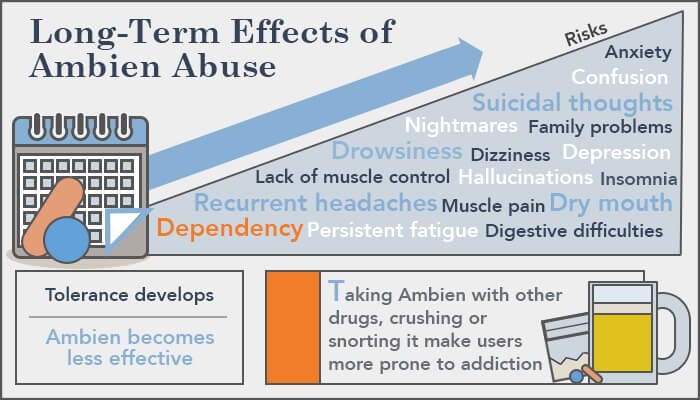
The potential for dependency and addiction with Ambien is a critical concern. As a sedative-hypnotic, the risk of developing a reliance can increase with prolonged use or misuse of the medication. Zolpidem is considered a controlled substance in many regions, which underscores the importance of responsible usage.
Withdrawal symptoms may occur if Ambien is suddenly discontinued after long-term use, leading to rebound insomnia and symptoms such as anxiety, irritability, and restlessness. Due to its addictive potential, Ambien should not be considered a first-line treatment for chronic sleeping problems, especially when non-pharmacological interventions like cognitive-behavioral therapy for insomnia (CBT-I) may be more appropriate.
Is Ambien a Controlled Substance?
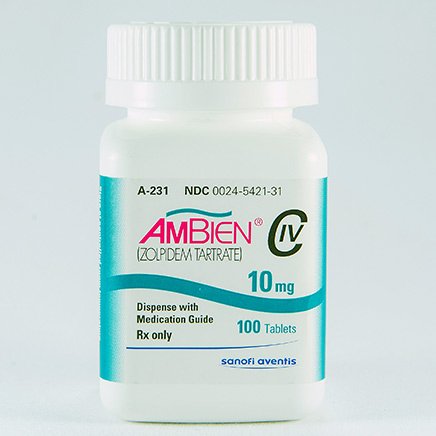
Yes, Ambien is classified as a Schedule IV controlled substance in the United States. This classification means that while it has recognized medical benefits, it also poses a risk for abuse and dependence, requiring careful regulation and monitoring by healthcare providers. Patients must be aware that misuse—including taking higher doses than prescribed or using Ambien for non-medical purposes—can lead to significant health risks and legal consequences.
Interactions with Other Substances
Ambien has the potential to interact adversely with various substances, including medications, alcohol, and herbal supplements. Alcohol, in particular, heightens the sedative effects of zolpidem, increasing the risks of extreme drowsiness, dizziness, and impaired coordination, which can result in serious accidents.
Healthcare providers should be informed of the full spectrum of medications, both prescription and over-the-counter, that a patient is using. For instance, CNS depressants—such as benzodiazepines, opioids, and some antidepressants—can synergistically exacerbate the sedative effects of Ambien, increasing the risks associated with its use.
Precautions Before Taking Ambien
Before initiating treatment with Ambien, patients are encouraged to discuss their full medical history and any existing conditions. Certain populations, particularly the elderly or those with respiratory disorders, may require adjustments to their treatment plan or alternative therapies altogether. Additionally, individuals with a history of substance abuse should approach Ambien with caution.
Some vital precautions include:
- Engaging in a thorough dialogue with a healthcare provider regarding past personal and family histories of substance use disorders.
- Discussing other medical conditions that may complicate the use of Ambien, such as liver or kidney dysfunction.
- Considering other methods to address sleep issues before relying on pharmacological approaches.
FAQ Section
What is the typical dosage of Ambien?
The typical initial dosage of Ambien varies based on gender and health considerations. Usually, adult women are prescribed 5 mg, whereas men may begin with 10 mg. For the elderly, healthcare providers often recommend starting with lower doses to assess any sensitivity to the drug. Always follow a physician’s instructions regarding dosage.
Can Ambien be taken long-term?
Ambien is intended for short-term use, generally not exceeding two to four weeks. Extended use can lead to tolerance, dependence, and withdrawal symptoms upon discontinuation. For chronic insomnia, doctors may recommend exploring cognitive-behavioral therapy or other behavioral interventions instead.
Is Ambien safe for everyone?
Although Ambien is beneficial for many individuals, it is not suitable for everyone. Those with a history of substance abuse, respiratory issues, or certain other health conditions may face elevated risks when using Ambien. Always discuss medical history with a healthcare provider to discern the safest treatment options.
What happens if I miss a dose?
If a dose of Ambien is missed, it should only be taken if there is sufficient time to get at least 7-8 hours of sleep afterward. If it is almost time for the next scheduled dose, skip the missed dose and resume the regular dosing schedule. Never take two doses at once to make up for a missed one, as this increases the risk of side effects.
Are there alternatives to Ambien?
Yes, there are several alternatives to Ambien for treating insomnia. Non-pharmacological approaches, such as cognitive-behavioral therapy for insomnia (CBT-I), relaxation techniques, and lifestyle changes, may provide effective solutions. In cases where medication is necessary, healthcare providers may consider other sedative-hypnotics or antihistamines with fewer addiction risks.
Can Ambien worsen depression or anxiety?
Ambien may have varying effects on mood, and in some individuals, it can exacerbate feelings of anxiety or depression. Patients are advised to monitor their emotional state closely and communicate any adverse changes to their healthcare provider, as adjustments may be necessary in managing concurrent mental health conditions.
Conclusion: Navigating the Use of Ambien Safely
In summary, Ambien, or zolpidem, serves as a valuable tool for the short-term management of insomnia, enabling patients to achieve the restorative sleep they require. However, as with any medication, it is vital to approach its usage thoughtfully and cautiously.
The potential for side effects, addiction risks, and severe interactions necessitates a thorough understanding of the medication before administration. Individuals considering Ambien should consult healthcare providers to ensure it aligns with their overall treatment goals for sleep difficulties, weighing potential risks against the anticipated benefits.
Ambien can significantly enhance sleep quality when used appropriately. Thoughtful consideration, open dialogue with healthcare professionals, and adherence to prescribed guidelines will allow patients to safely navigate their path toward sleep wellness and improved overall health.
