🏠 Stay at home! 25% discount on all medicines


Understanding Adderall: Uses, Effects, and Risks


Approximately 8% of American children and around 4% of adults are diagnosed with Attention Deficit Hyperactivity Disorder (ADHD), leading to an increasing reliance on treatments such as Adderall. As a prescription medication that combines two powerful stimulants—amphetamine and dextroamphetamine—Adderall has become synonymous with ADHD treatment. But what exactly is Adderall, and what role does it play in managing this common disorder? This comprehensive guide will dissect the complexities of Adderall, its applications, effects, potential risks, and more.
Understanding Adderall starts with recognizing its primary purpose: to help individuals with ADHD manage their symptoms, which can include difficulty focusing, impulsivity, and hyperactivity. In addition to ADHD, Adderall is also prescribed for narcolepsy, a condition that leads to excessive daytime sleepiness. By enhancing certain neurotransmitters, Adderall helps millions of individuals improve their quality of life. However, like any medication, it has potential risks and side effects that users should be aware of.
This article will provide a thorough analysis of Adderall, examining its components, how it works, and why it’s such a prevalent treatment method. We’ll also delve into the societal implications of Adderall, discussing its emergence in the context of academic pressure and performance enhancement. For anyone considering or currently using Adderall, understanding its benefits and risks is crucial for making informed decisions about their health.
What Is Adderall? A Pharmacological Overview
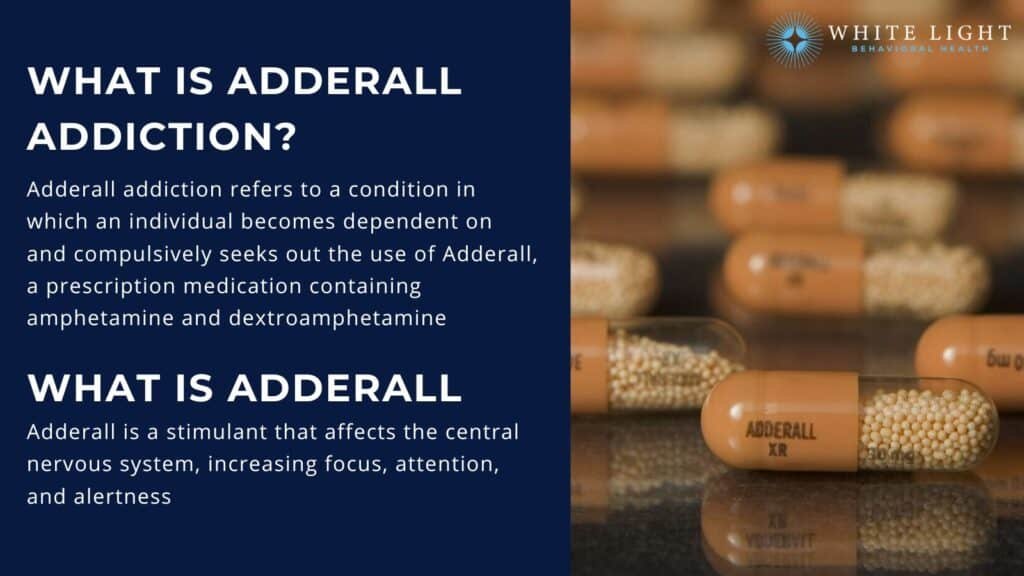
Adderall, a combination of dextroamphetamine and amphetamine, is classified as a central nervous system (CNS) stimulant. It is designed to affect chemicals in the brain and nerves that contribute to hyperactivity and impulse control. By stimulating the production and availability of neurotransmitters such as dopamine and norepinephrine, Adderall aids in improving focus and overall cognitive function.
The FDA originally approved Adderall for the treatment of ADHD in both children and adults, as well as for narcolepsy. It comes in two formulations: immediate-release and extended-release. The immediate-release version is typically taken 1-3 times daily, while the extended-release formulation is designed to last throughout the day and is taken once in the morning. Many practitioners may prefer Adderall over other ADHD medications due to its longstanding reputation and efficacy.
While Adderall is mainly seen as a therapeutic agent, it has garnered attention in contexts outside medical necessity. As academic pressures and competition have intensified, especially among college students, some individuals without ADHD have turned to Adderall for its cognitive-enhancing effects. This off-label use raises significant ethical questions and concerns about safety and accessibility.
How Does Adderall Work in the Brain?
The pharmacological effects of Adderall can be traced to its ability to increase neurotransmitter levels in the brain, particularly dopamine and norepinephrine. Dopamine plays a vital role in reward, motivation, and attention, while norepinephrine is critical for attention, response actions, and the body’s
