🏠 Stay at home! 25% discount on all medicines


Comprehensive Guide to the Side Effects of Vyvanse

Introduction
With over 2 million prescriptions filled in the U.S. every year, Vyvanse has become a popular treatment for Attention-Deficit/Hyperactivity Disorder (ADHD) and binge eating disorder. However, despite its benefits in managing these conditions, the side effects of Vyvanse can raise concerns among both patients and healthcare providers. A staggering 60% of users experience at least one side effect, which can affect their quality of life and adherence to treatment.
Vyvanse (lisdexamfetamine dimesylate) is classified as a stimulant medication. While it is effective in improving attention and reducing impulsivity, the range of possible side effects spans from mild to severe. Understanding these side effects helps patients make informed decisions, enhances communication with healthcare professionals, and ensures better coping strategies.
This comprehensive guide aims to break down the various side effects associated with Vyvanse, exploring how they differ based on age and gender, how they can be managed, and when one should consult a medical professional. By gaining insight into these potential outcomes, patients and caregivers can better prepare and respond to the challenges that may arise during treatment.
The Most Common Side Effects of Vyvanse
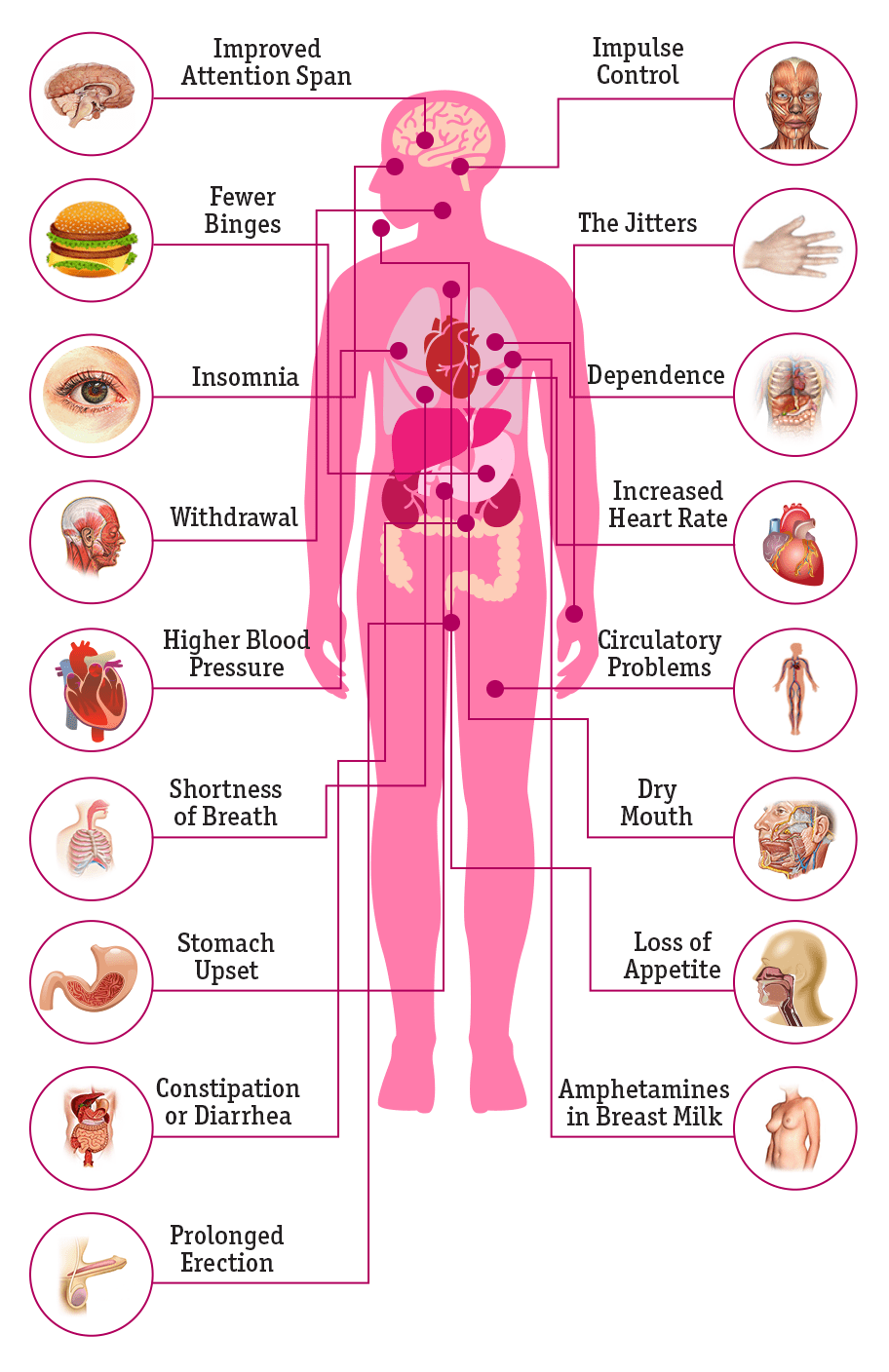
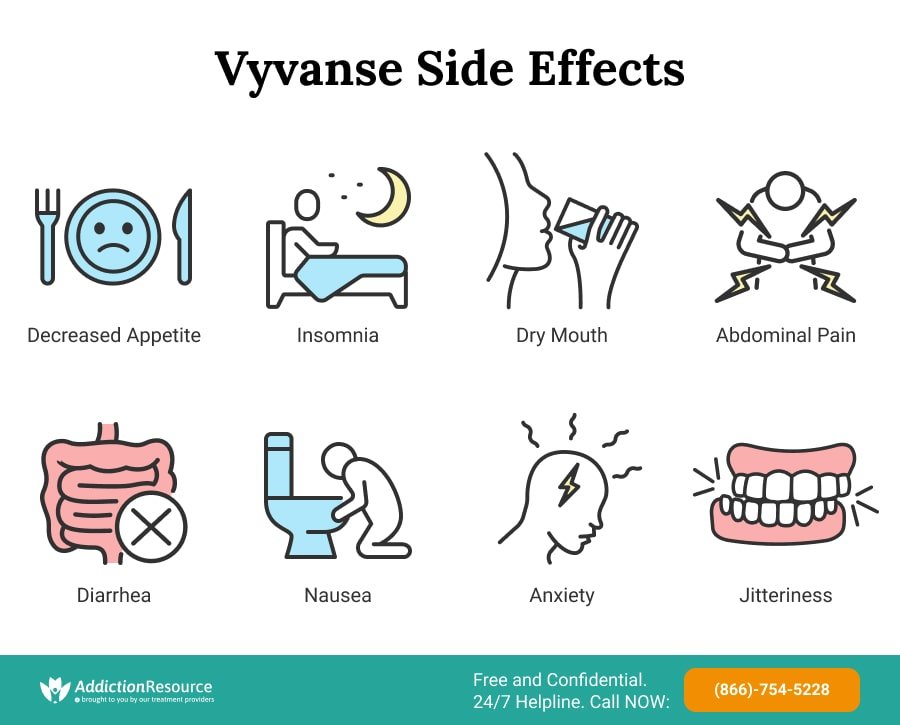
As with any medication, the side effects of Vyvanse can vary widely in both intensity and duration. Some individuals may find that they adapt quickly, while others might struggle with persistent symptoms that can interfere with their daily lives. The most frequently reported side effects include:
- Decreased appetite: This side effect is particularly prevalent in children and adolescents, often leading to noticeable weight loss. Patients might not feel hungry even during mealtimes, which can affect their nutritional intake.
- Insomnia: Difficulty falling asleep or staying asleep is a common complaint. For many, this can impact overall mood and functioning during the day.
- Dry mouth: A sensation of persistent thirst can be bothersome. Some patients report that this side effect can be so pronounced that it leads to increased water consumption.
- Headaches: Users frequently cite tension or migraine-like headaches, often occurring during the initial phase of treatment.
- Increased heart rate: Palpitations may cause panic in some users, particularly those with pre-existing cardiovascular issues.
These side effects usually manifest during the early weeks of treatment. As the body acclimates to the medication, many of these symptoms may gradually subside or become more manageable. However, it’s crucial for patients to monitor these changes in their symptoms and discuss them with their healthcare provider, especially if they cause distress or impede daily functioning.
How Do Vyvanse Side Effects Differ Between Gender?
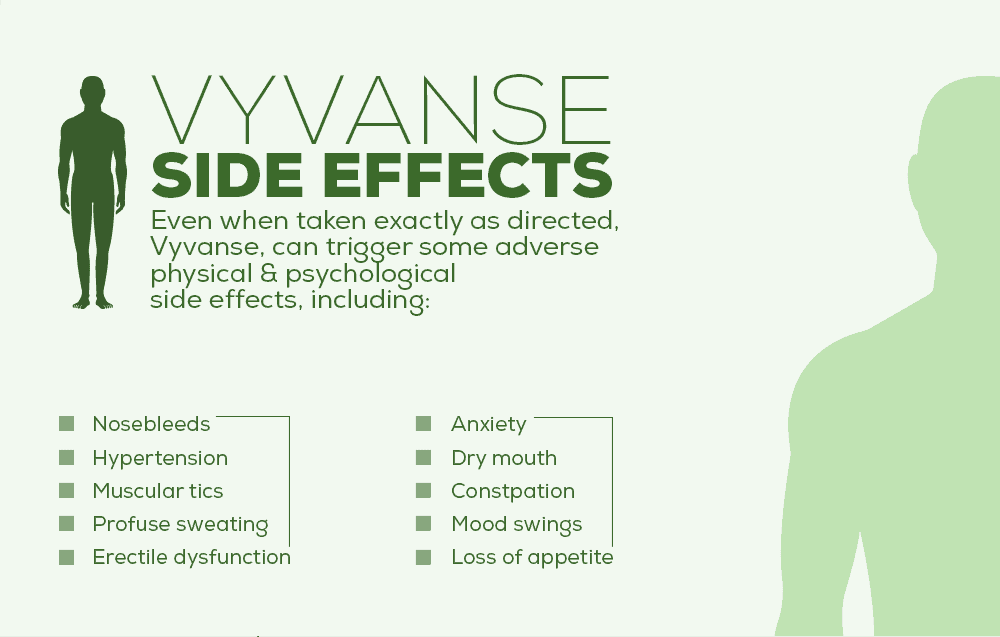
The perception of side effects can differ significantly between genders. Studies indicate that women and men may experience Vyvanse’s side effects differently, potentially due to hormonal variations and psychological factors. For instance, women tend to report more **anxiety**, while men might experience more pronounced **mood swings** or feelings of **irritability**. Understanding these differences is vital, as it can influence treatment strategies.
Additionally, societal pressures and roles may affect how each gender subjects themselves to their side effects. Women, for instance, might be more likely to attribute mood changes to personal stress or external factors, minimizing a potential link to medication, whereas men could share their struggles more openly.
As healthcare providers strive for personalized treatment plans, recognizing these gender-specific side effects becomes an essential part of managing conditions like ADHD and binge eating disorder effectively.
Can Side Effects of Vyvanse Be Managed?
Many patients are understandably concerned about how to handle the side effects of Vyvanse. Fortunately, effective strategies exist for managing these common issues. Here are several approaches:
- Consulting with a healthcare provider: The first course of action should always be to discuss side effects with a doctor. They may adjust the dosage or recommend changes to the treatment plan.
- Dietary adjustments: To tackle decreased appetite, patients can be encouraged to consume smaller, more frequent meals, focusing on nutrient-dense options that provide vital vitamins and minerals necessary for overall health.
- Sleep hygiene: For those struggling with insomnia, developing a sleep routine can help. This may include creating a calming evening environment and avoiding stimulating activities before bed.
- Staying hydrated: Carrying a water bottle can mitigate the effects of dry mouth while also promoting overall health.
- Relaxation techniques: Techniques such as yoga or mindfulness can greatly assist in managing anxiety or irritability that may arise from Vyvanse use.
It’s essential for patients to actively communicate with healthcare professionals, report any side effects, and collaboratively seek solutions. Adopting a proactive approach to side effects not only enhances treatment efficacy but also supports mental and emotional well-being.
Signs You Might Be Taking Too High a Dose of Vyvanse
Determining the right dosage of Vyvanse can be a delicate balance. While it is vital to achieve therapeutic effects, overdosing can lead to exacerbate side effects and other health complications. Below are several signs that may indicate a dosage adjustment is needed:
- Severe anxiety or agitation: If feelings of anxiety, panic, or agitation intensify or occur for the first time, it may suggest that the dosage is too high.
- Intensified insomnia: Struggling to sleep longer than usual, despite changes to sleeping environments or practices, warrants a discussion about dosage.
- Extreme irritability: Overreaction to minor inconveniences or persistent frustration can be signs of excessive stimulation.
- Physical symptoms: Serious issues, such as heart palpitations or increased blood pressure, indicate it is time to consult a medical professional.
- Psychological effects: Symptoms such as aggression or emotional numbness may also signify that a dosage decrease is necessary.
Recognizing these signs early can prevent more significant complications. Continuous monitoring by both patient and healthcare provider plays an integral role in effective Vyvanse treatment.
Understanding how Vyvanse Affects Personality
The side effects of Vyvanse can significantly shape one’s personality and behavioral responses. While many users find that their focus and organizational skills improve, some report experiencing negative shifts in mood and personality traits. Changes may include increased irritability, mood swings, and even social withdrawal. Such changes can be frustrating, particularly for those who rely on Vyvanse to manage their ADHD symptoms effectively.
Some patients may also experience heightened empathy and understanding, while others may swing towards emotional bluntness or inattentiveness. It’s essential to approach these changes with care; journaling and reflecting on feelings can provide clarity for both patients and their support systems.
Additionally, it is important to differentiate between inherent personality changes versus medication-induced shifts in behavior. Users might benefit from discussing these experiences openly with their therapists, allowing them to navigate challenges associated with both their treatment and their personal lives effectively.
Comparing Vyvanse and Adderall
When considering ADHD medications, two of the most commonly discussed options are Vyvanse and Adderall. While both are stimulants and effective for managing symptoms of ADHD, they differ significantly in terms of composition, delivery, and side effect profiles. Here’s how:
Composition: Vyvanse is a prodrug, meaning it becomes active only after being metabolized in the body. This leads to a more even delivery of the medication and typically fewer side effects, as the risk of peak and trough symptoms is minimized. In contrast, Adderall is a combination of amphetamine salts, leading to a more immediate impact but also a higher likelihood of side effects.
Duration: Vyvanse is designed for long-lasting effects, with effects lasting up to 14 hours, allowing for once-daily dosing. Adderall offers both immediate-release and extended-release formulations, which can lead to fluctuations in effectiveness and side effects.
Side Effects: Users of Vyvanse often report a smoother transition with fewer acute side effects compared to Adderall, which can produce pronounced jitteriness, especially if the timing and dosage are off.
Choosing between Vyvanse and Adderall often comes down to individual response and preferences. Discussions with a healthcare provider will ensure that the right medication aligns with specific needs and lifestyle constraints.
Side Effects of Vyvanse in Children
When prescribing Vyvanse to children, it’s essential to consider that they may experience unique side effects compared to adults. Common issues reported include:
- Growth suppression: Some studies suggest a connection between stimulant use and slowed growth in children. Continuous monitoring of height and weight is critical during treatment.
- Behavioral changes: Parents may observe increases in irritability or mood swings, which might be troubling and could disrupt their academic and social lives.
- Social withdrawal: Certain children may appear more reserved or less engaged socially under Vyvanse treatment.
- Difficulty with appetite: Maintaining nutritional health is crucial, as decreased appetite can lead to worrisome weight loss.
Parents should keep an open line of communication with their children’s healthcare provider, closely monitoring their child’s response to the medication and addressing any concerns promptly.
Long-Term Side Effects: What You Should Know
Patients considering long-term treatment with Vyvanse should be cognizant of the potential side effects associated with prolonged use. These may include:
Cardiovascular issues: In individuals with preexisting conditions, long-term stimulant use may contribute to heart strain or hypertension.
Dependency risks: While Vyvanse is less likely to be abused than other stimulants, misuse can occur, leading to potential psychological dependence.
Emotional effects: Prolonged use can exacerbate symptoms of anxiety, leading to chronic distress or changes in mental health status.
Regular assessments and open communication with healthcare providers about any concerning changes should form an integral part of ongoing treatment.
Vyvanse Withdrawal Symptoms
After prolonged use, ceasing Vyvanse can result in withdrawal symptoms due to the body’s adaptation to its effects. These might include:
Professional support: When discontinuing Vyvanse, it is advisable to work closely with a healthcare provider, who may recommend a tapering schedule or alternative therapies to ease withdrawal effects.
Frequently Asked Questions (FAQs)
What should I do if I experience severe side effects from Vyvanse?
If you encounter severe side effects such as heart palpitations, uncontrollable anxiety, or aggressive behavior, it is vital to seek medical attention promptly. A healthcare provider can assess the severity of your symptoms and determine whether a dosage adjustment or a change in medication is necessary. Do not hesitate to reach out to a doctor, especially if the side effects impact your daily life.
How can I differentiate between normal side effects and a severe allergic reaction?
Common side effects of Vyvanse may include dry mouth, insomnia, or decreased appetite. Conversely, a severe allergic reaction may manifest through symptoms like hives, swelling, difficulty breathing, or severe dizziness. If any of these serious symptoms arise, contact emergency medical services immediately, as they may indicate a life-threatening condition.
Do side effects of Vyvanse improve over time?
For many users, the intensity of side effects can lessen after the initial adjustment period, typically lasting the first few weeks of treatment. Continued communication with healthcare providers can ensure that any ongoing symptoms are managed appropriately, and dosage adjustments can be made if necessary to optimize comfort.
Are Vyvanse side effects more pronounced in children than in adults?
Children may experience different side effects than adults, sometimes more pronounced, such as decreased appetite and behavioral changes. Close monitoring of their health and well-being is essential, as children’s bodies and minds react differently to medications. Caregivers should communicate concerns promptly with healthcare providers.
Can you take Vyvanse with other medications?
Vyvanse can interact with other medications, and it’s crucial to inform your healthcare provider of all drugs, supplements, and vitamins you are taking. Some combinations can lead to increased side effects or reduce the efficacy of treatments. Always consult a healthcare professional before combining medications.
Are there lifestyle changes I should make while on Vyvanse?
While taking Vyvanse, incorporating healthy lifestyle changes can enhance medication efficacy and minimize side effects. Focus on eating balanced meals, maintaining regular physical activity, and ensuring you have set routines for sleep and relaxation. Establishing such habits can improve overall well-being and create resilience against potential side effects.
Summary and Final Thoughts
The side effects of Vyvanse can significantly influence both the treatment experience and patient outcomes. From common effects like decreased appetite to severe reactions requiring immediate medical attention, understanding these potential challenges is crucial for effective management. Open dialogues with healthcare professionals, careful monitoring, and lifestyle adjustments can provide necessary support throughout the course of treatment. As research continues to evolve around medications and their impacts, staying informed plays a vital role in optimizing ADHD treatment strategies. By using Vyvanse thoughtfully and responsibly, patients can work towards achieving their health goals while minimizing challenges presented by side effects.
Finally, if you or a loved one is considering Vyvanse, consult with a healthcare provider who can provide personalized advice and guidance. Always feel empowered to discuss concerns about side effects and seek support when needed. Your health and well-being should always come first.
