🏠 Stay at home! 25% discount on all medicines


Understanding the Differences Between Ritalin and Concerta

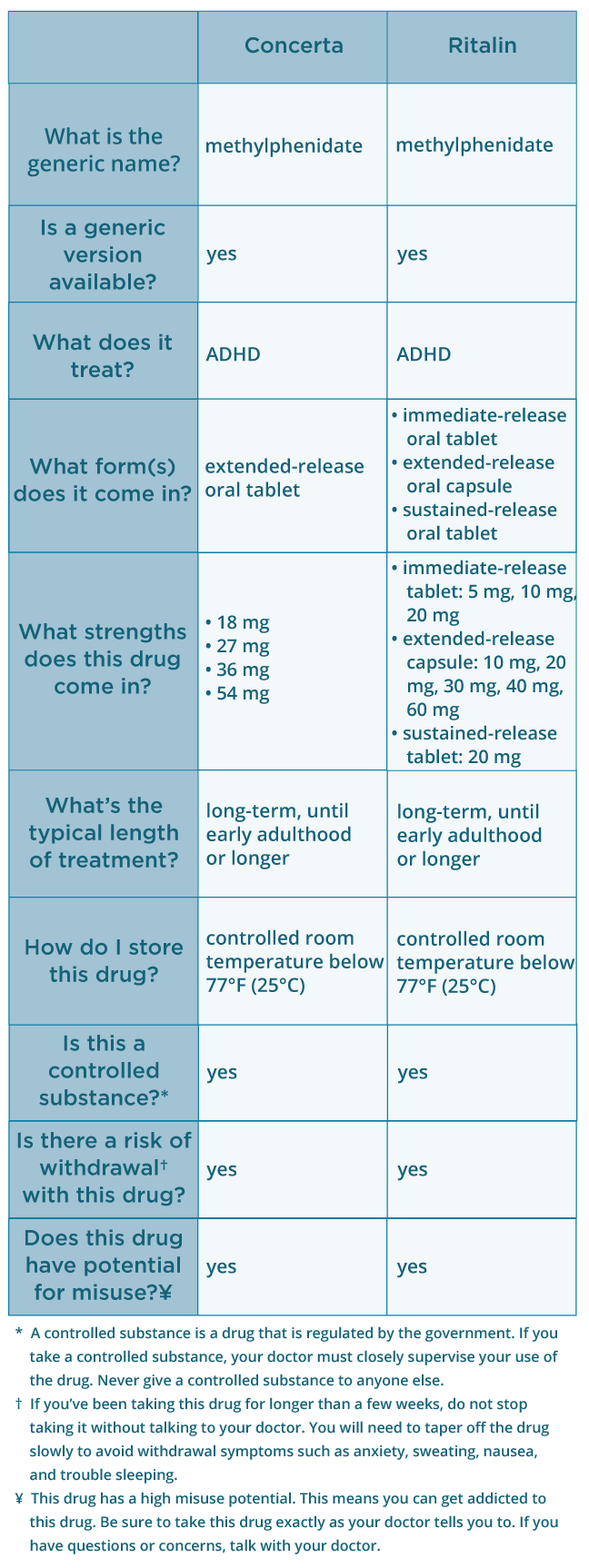
Attention Deficit Hyperactivity Disorder (ADHD) affects millions of people worldwide, and medications like Ritalin and Concerta are among the most commonly prescribed treatments. Both medications contain the active ingredient methylphenidate, yet they differ significantly regarding dosage forms, release mechanisms, and duration of effects. Understanding these differences is critical to selecting the appropriate medication for managing ADHD symptoms.
According to recent statistics, approximately 6.1 million children in the United States are diagnosed with ADHD, making it one of the most prevalent childhood disorders. As awareness of ADHD grows, so does the need for effective treatment options. Medications like Ritalin and Concerta play vital roles in symptom management. However, a common question arises: Are Ritalin and Concerta the same? The answer is layered, involving pharmacological differences and personal medical considerations.
This article will delve deeply into the similarities and differences between Ritalin and Concerta, examining how these medications work, their dosing regimens, possible side effects, and the factors influencing the choice between them. By the end, readers will gain a clearer understanding of which medication may be best for their individual situation, ensuring that they can engage in informed discussions with their healthcare providers.
Are Ritalin and Concerta the Same Medication?
While Ritalin and Concerta contain the same active ingredient, methylphenidate, they are not the same medication. The fundamental difference lies in their formulations and how the methylphenidate is released into the body. Ritalin is classified as a short-acting medication, while Concerta is a long-acting formulation. This distinction plays a crucial role in determining how each medication interacts with the body and addresses ADHD symptoms.
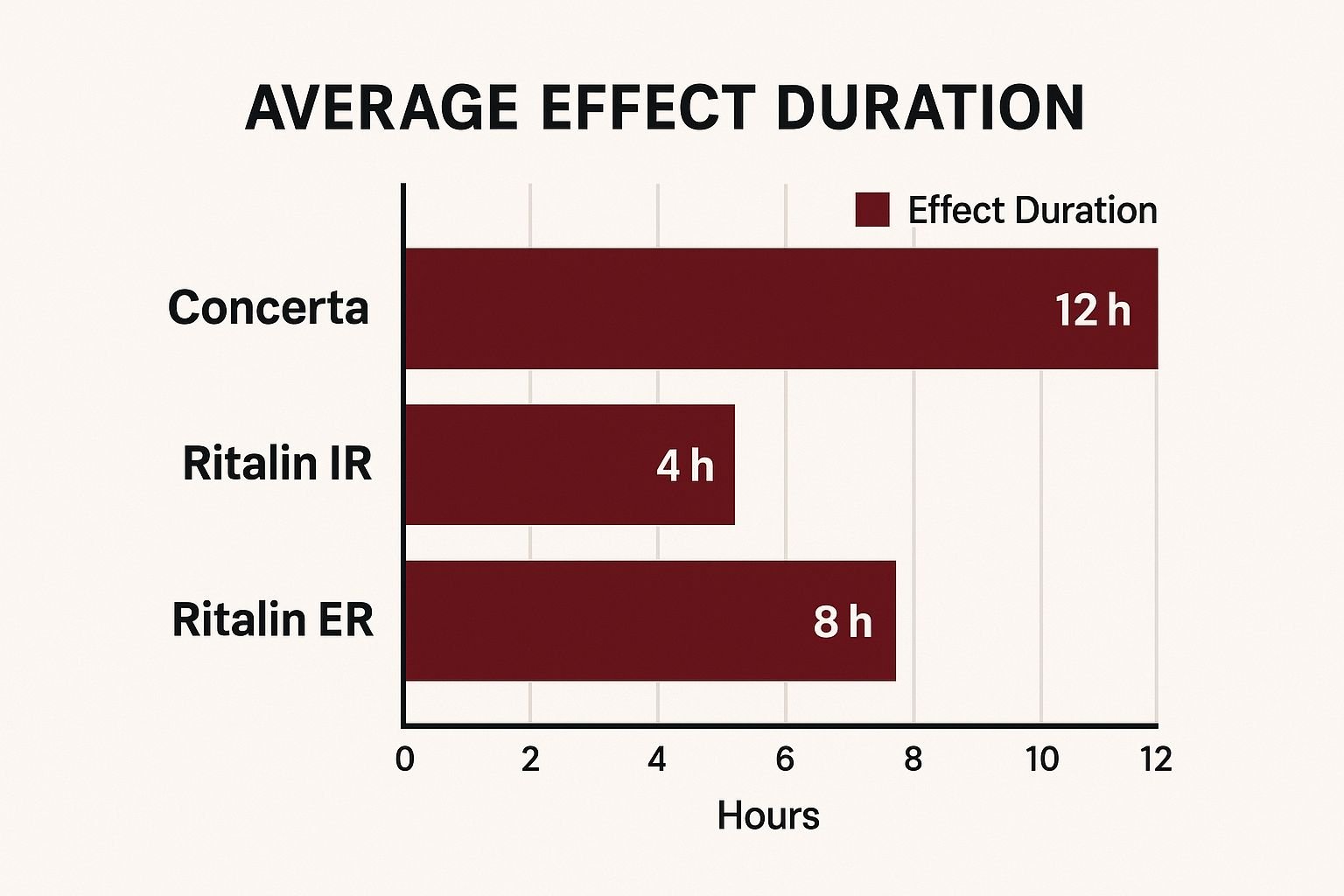
Ritalin is typically administered in immediate-release forms, offering effects that last approximately three to four hours. Patients may need to take multiple doses throughout the day to maintain symptom control. In contrast, Concerta employs a unique delivery system that allows for a controlled release of methylphenidate over an extended period—typically lasting about ten to twelve hours. This extended-release mechanism may appeal to patients seeking a once-daily dosing regimen.
Additionally, the way these medications are metabolized differs. Ritalin is quickly absorbed and begins to take effect fairly rapidly after ingestion, whereas Concerta may take longer to feel its full effects due to its gradual release mechanism. Patients considering either medication should consult their healthcare providers to explore the potential implications of these differing properties on their treatment plans.
How do the Formulations of Ritalin and Concerta Differ?
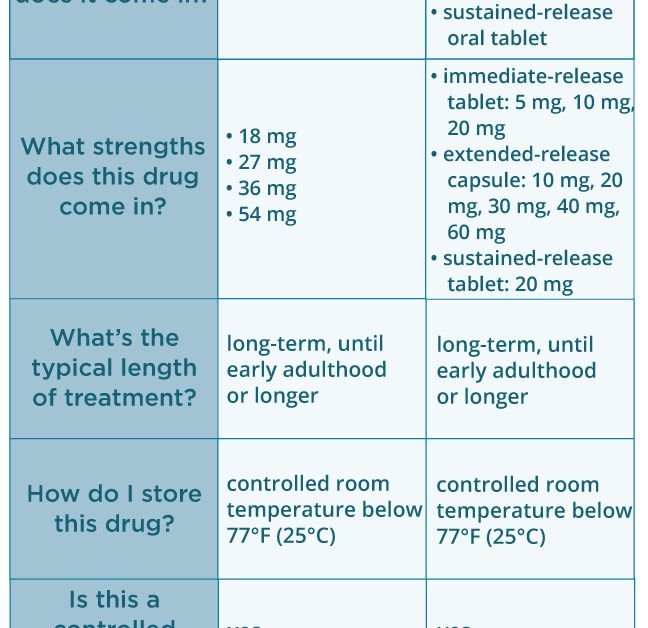
The manufacturing and design of Ritalin and Concerta are key to understanding their unique properties. Ritalin is offered in both immediate-release and extended-release formulations, while Concerta is specifically designed as an extended-release medication. The release mechanisms between the two create different therapeutic profiles and user experiences.
For Ritalin, the immediate-release formulation allows for a swift onset of action, providing symptomatic relief nearly within 30 to 60 minutes post-ingestion. However, patients must manage their dosing schedules actively, typically taking doses morning, midday, and potentially in the afternoon to mitigate the symptoms of ADHD throughout the day.
Concerta employs a bi-layer delivery system, characterized by an osmotic pressure mechanism that permits the medication to be released over time. This feature offers a sustained and uniform release of methylphenidate, providing a consistent blood concentration throughout the day, which is particularly beneficial for individuals who need prolonged symptom management without the hassle of multiple doses.
What are the Duration of Effects for Ritalin and Concerta?
The duration of effectiveness for Ritalin and Concerta significantly defines their usage for treating ADHD. As previously noted, Ritalin’s immediate-release formula can last from three to four hours, which may be sufficient for individuals requiring short-term relief or during specific periods of high concentration, such as in classrooms or work settings.
On the other hand, Concerta provides an extended therapeutic window of approximately ten to twelve hours. This prolonged duration makes it an attractive option for individuals who need consistent focus throughout their business or school day without the interruptions of having to administer additional doses.
Patients or caregivers must consider their daily schedules when choosing between Ritalin and Concerta. Adults with demanding jobs or students with long school days may benefit more from Concerta’s extended release, while those needing intermittent doses might find Ritalin better suited to their requirements.
Effectiveness of Ritalin vs. Concerta
Effective treatment of ADHD symptoms hinges on the effectiveness of prescribed medication. Numerous studies have evaluated Ritalin and Concerta’s effectiveness, showcasing their ability to manage ADHD symptoms. Both medications have been shown to reduce hyperactivity, impulsiveness, and inattention effectively.
The current literature indicates that while both medications yield comparable results in treating ADHD, individual responses can vary significantly. Factors such as metabolism, lifestyle, adherence to the medication schedule, and the presence of co-existing conditions often impact overall effectiveness. Given these variables, clinicians often adopt a personalized approach when selecting between Ritalin and Concerta.
Research indicates that many patients transitioning from Ritalin to Concerta report improved symptom management due to Concerta’s steady release profile. However, others may prefer Ritalin due to its rapid “on-off” action, which can be beneficial in specific scenarios, such as during formal assessments or tests.
What Should Patients Consider When Choosing Between Ritalin and Concerta?
When determining whether Ritalin or Concerta is the right choice, patients should actively collaborate with their healthcare providers to establish a medication plan tailored to their needs. Several considerations can influence this decision, including individual health history, the severity of symptoms, daily routines, and potential side effects.
The patient’s lifestyle will dictate the practical implications of their medication regimen. For example, a busy professional might prioritize a once-daily option like Concerta, while a student may opt for Ritalin to manage focus during specific periods of the day.
Seeking a balance between efficacy and tolerability is critical. Patients should provide thorough feedback on how they respond to medication, as this data can assist clinicians in modifying dosages or switching medications for optimal outcomes.
Side Effects of Ritalin and Concerta
Both Ritalin and Concerta can produce side effects, which are essential to understand before initiating treatment. Common side effects include insomnia, decreased appetite, stomach pain, headaches, and nervousness. While these adverse effects can occur with both medications, their duration and intensity may differ due to the varied release mechanisms.
Short-acting medications like Ritalin may lead to more abrupt peaks and troughs in medication levels, potentially causing more pronounced side effects during the drug’s peak concentration periods. In contrast, Concerta’s extended-release mechanism aims to mitigate side effects by maintaining a more stable concentration, reducing the intensity of any adverse reactions.
Importantly, patients should communicate any side effects they experience to their healthcare providers. For some, adjusting dosage or switching to an alternative medication may effectively manage side effects, ensuring a smoother treatment experience.
How Do Side Effects Compare Between Ritalin and Concerta?
When analyzing the side effects of Ritalin and Concerta, it’s evident that both medications share a similar side effect profile. However, individual variations can yield different experiences based on factors such as dosage and adherence to the prescribed regimen.
In clinical observations, patients using Concerta may report fewer side effects than those using immediate-release Ritalin due to the more gradual increase in medication levels. This gradual release can help prevent abrupt fluctuations that might lead to heightened side effects such as anxiety and irritability.
On the other hand, some patients might find a quicker onset of beneficial effects with Ritalin, thus tolerating its side effects better in the short term. It’s crucial for both patients and clinicians to carefully monitor how side effects affect treatment adherence and overall wellness during the medication course.
What Are the Long-term Effects of Ritalin and Concerta Use?
Long-term use of stimulant medications like Ritalin and Concerta is a topic of ongoing research, as their safety and efficacy in maintaining treatment benefits are critical to patient outcomes. Some studies suggest that consistent use of either medication can lead to improvement in ADHD symptoms over time, but it also raises concerns about potential side effects.
One of the primary concerns with long-term stimulant use is the potential for dependency or misuse, especially in adolescent populations. Moreover, some studies raise concerns about the impact of long-term use on growth rates in children and adolescents, which warrants close monitoring by healthcare providers.
Although Ritalin and Concerta are considered safe when used as prescribed, patients should engage in regular follow-up appointments to evaluate ongoing medication effectiveness and side effects. These assessments can ensure that any emergent issues are promptly addressed in the context of a comprehensive treatment plan.
Switching from Ritalin to Concerta: What to Expect
Transitioning from Ritalin to Concerta can present myriad questions for patients eager to enhance their ADHD management. The switch is often prompted by a quest for improved symptom control or a desire to streamline dosing regimens. Understanding what to expect during this transition is critical for ensuring a smooth process.
Upon switching, patients might experience differences in symptom relief timing, as the extended-release action of Concerta may delay the onset of noticeable effects. Thus, it’s common for patients to feel that Concerta takes longer to “kick in” compared to Ritalin. However, this is typically balanced by longer-lasting effects throughout the day.
It’s vital for patients transitioning to Concerta to remain in communication with their healthcare providers. They should track their symptoms, any side effects, and overall feelings during the adjustment period, as this information is valuable for optimizing their treatment journey.
What Should Patients Prepare for When Switching Medications?
Patients should approach the transition from Ritalin to Concerta fully informed about potential changes in their medication experience. This preparation entails understanding differences in onset and duration of effects, as well as side effect management strategies.
Healthcare providers often recommend a careful tapering off of Ritalin while initiating Concerta at an appropriate dose. Patients must note their body’s responses during this changing period, as differences in energy, focus, or anxiety levels can surface as the medication takes effect.
It’s also beneficial for patients to set up regular checkpoints with their healthcare providers to discuss their experiences, allowing for adjustments in dosage or medication type as necessary. Switching medications is a common part of effective ADHD treatment; tracking progress diligently can foster a healthful transition.
What Information Should Be Shared with Healthcare Providers?
Effective communication with healthcare providers is essential throughout the process of switching medications. Patients should provide complete medical histories, including their past experiences with Ritalin, and detail both positive and negative effects observed during that time.
Additionally, individuals should share any lifestyle changes or stressors that could influence their medication’s effectiveness, such as changes in diet, sleep patterns, or support systems. This holistic view will assist providers in framing suitable treatment options and ensuring the best fit for each patient’s unique profile.
Concerta with Ritalin Booster: A Unique Combination Therapy
In some cases, healthcare providers may recommend combining Concerta with Ritalin as a booster for enhanced symptom management. This approach typically involves prescribing a lower dose of Ritalin to be taken in conjunction with once-daily Concerta for those times when heightened focus is necessary, such as during evaluations or performance situations.
The rationale behind this combination therapy is straightforward; while Concerta provides a steady release of medication throughout the day, adding a Ritalin booster can provide additional immediate relief during peaks of demand. This strategy can be particularly beneficial for students during final exams or adults facing high-stakes business presentations.
When employing this strategy, it is critical to monitor both the efficacy and side effects of the dual medication approach. Regular follow-ups with healthcare providers can ensure that adjustments are made according to patients’ evolving needs and objectives.
What Should Patients Consider When Opting for a Medication Combination?
Patients considering combining Concerta with a Ritalin booster should ensure they discuss their full treatment goals with their healthcare providers. This open dialogue helps clarify expectations regarding efficacy and tolerability of the combination.
It’s crucial that patients communicate any changes they notice with this dual therapy, particularly regarding side effects or symptom alleviation, as they can help refine future treatment decisions. By maintaining a proactive approach, patients can collaborate effectively with their providers to achieve optimal outcomes.
What Are the Risks Associated with Combination Therapy?
While combining Concerta with Ritalin can enhance symptom relief, it is not without potential risks. Patients may experience intensified side effects with the addition of an immediate-release medication, leading to increased anxiety, irritability, and sleep disturbances. Monitoring these effects closely is paramount.
Healthcare providers will typically recommend starting at lower doses to gauge tolerance before making adjustments. Comprehensive evaluations will help patients navigate combination therapy’s complexities while achieving their treatment goals without compromising well-being.
What Are the Alternative Medications for ADHD?
While Ritalin and Concerta are popular choices for managing ADHD, there are several alternative medications available should these options not be suitable or effective. Other stimulant options include Adderall and Dexedrine, both of which share similarities in addressing ADHD symptoms but have distinct mechanisms that may lead to different patient experiences.
Non-stimulant medications, such as Strattera and Intuniv, offer relief from ADHD symptoms without the stimulant-related side effects. It’s particularly vital for individuals who have sensitivities to stimulants or for those who may have a history of substance abuse, as non-stimulant options provide a different avenue for treatment.
Ultimately, the choice of medication should involve careful consideration of the individual’s needs, symptom profile, and potential side effects. Consulting with healthcare providers will allow patients to explore various options and find the best strategy for effective symptom management.
How Should Patients Approach Exploring Alternative Treatments?
Patients keen on exploring alternatives to Ritalin and Concerta should engage in frank discussions with their healthcare providers. This conversation should involve a comprehensive review of past treatments, future needs, and lifestyle considerations that can influence medication efficacy.
Medical professionals can help guide patients toward alternative options that align with their treatment goals, and they may even recommend behavioral or therapeutic interventions as adjunct therapies to augment medication effects.
Ultimately, a multifaceted approach that includes both medication management and supportive therapies can provide patients with the tools they need to navigate the complexities of ADHD effectively.
Frequently Asked Questions
1. Can I take Ritalin and Concerta together?
Combining Ritalin and Concerta is not standard practice, but some healthcare providers may prescribe this approach as a booster therapy for enhanced symptom management. If a patient requires both medications, it is essential to have close monitoring to assess their effectiveness and side effects. Always consult a healthcare professional before making any changes to medication regimens.
2. What are the common side effects of Ritalin and Concerta?
Common side effects of both medications can include insomnia, decreased appetite, stomach discomfort, headaches, and increased anxiety levels. While side effects may vary in intensity between the two drugs, patients should communicate any adverse reactions to their healthcare providers for guidance on managing these effects. Adjustments in dosage or switching to alternative medications may be necessary for optimal treatment.
3. How do I know which medication is right for me?
The right medication for managing ADHD symptoms depends on several factors, including symptom severity, lifestyle, treatment goals, and past experiences with medications. Patients should work closely with their healthcare providers to evaluate the options and create a personalized treatment plan based on their unique needs.
4. Are there any long-term effects of taking Ritalin or Concerta?
Long-term use of both medications is generally safe but requires ongoing monitoring by healthcare providers. Potential concerns can include dependency issues, impacts on growth in children, and changes in mental health status. Regular follow-ups can ensure that risks are adequately evaluated, allowing for adjustments based on the patient’s evolving health needs.
5. Can I switch from Ritalin to Concerta without consulting my doctor?
Switching medications, particularly from Ritalin to Concerta or vice versa, should always be done under the guidance of a healthcare provider. Abruptly changing medications can lead to withdrawal symptoms or fluctuating ADHD symptoms. It’s vital to discuss any changes with a qualified medical professional.
6. What lifestyle changes can help improve ADHD symptoms alongside medication?
Lifestyle changes, such as implementing a routine, ensuring proper nutrition, incorporating regular exercise, and establishing a consistent sleep schedule, can significantly impact ADHD management. Behavioral therapy and mindfulness practices can also complement medication treatment, providing patients with additional tools to manage symptoms effectively.
7. How can I manage the side effects of Ritalin or Concerta?
Managing side effects can involve adjustments in dosage, meal timing, and incorporating behavioral strategies. For issues like decreased appetite, scheduling meals around medication intake can help ensure proper nutrition. Outlining concerns with a healthcare provider enables tailored strategies to mitigate side effects and enhance the treatment experience.
Conclusion
The differences between Ritalin and Concerta signify more than just syntactic variations; they underline the importance of personalized treatment in addressing ADHD effectively. Understanding how these two medications operate, their benefits and challenges, and individual patient needs can pave the way for better therapeutic outcomes.
While they share the active ingredient methylphenidate, their differing release profiles, duration of effects, and side effect experiences can make a significant difference in patients’ lives. Engaging in comprehensive discussions with healthcare providers is essential for navigating these options and making informed decisions about ADHD treatment approaches.
Ultimately, whether considering Ritalin, Concerta, or alternate ADHD medications, the goal remains: to enhance focus, reduce impulsivity, and foster improved daily functioning. Patients and their providers can work together to ensure that the chosen path supports better management of ADHD symptoms.
