🏠 Stay at home! 25% discount on all medicines


Ritalin vs Adderall: Comprehensive Guide to ADHD Medications

Attention Deficit Hyperactivity Disorder (ADHD) affects millions globally. Among the most common treatments are two prominent medications: Ritalin and Adderall. These drugs have garnered significant attention for their efficacy and contrasting attributes.
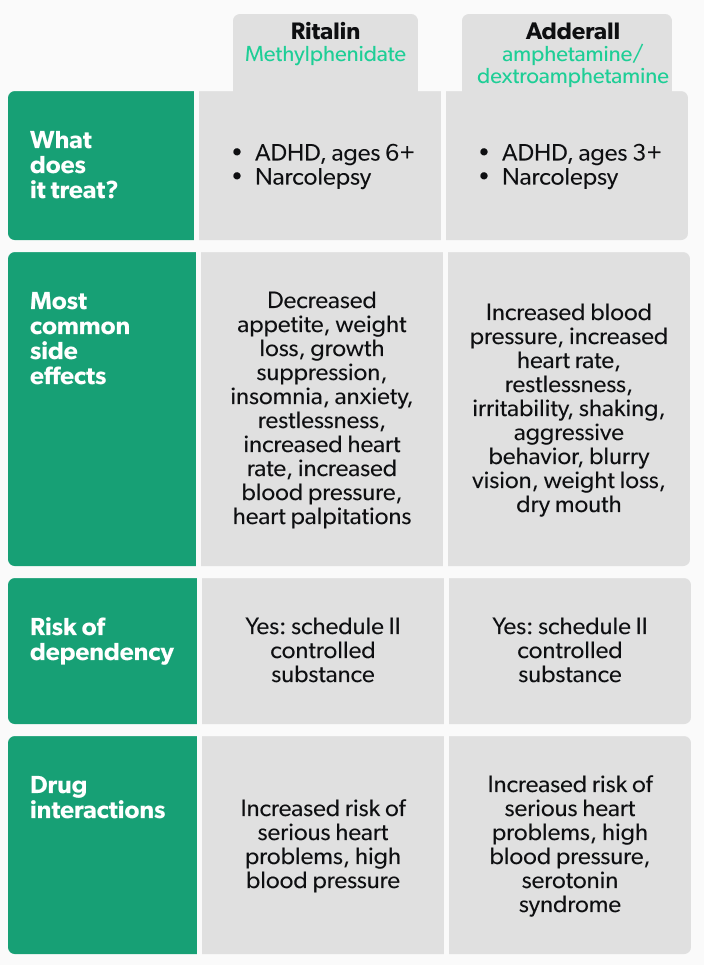
Interestingly, both Ritalin (methylphenidate) and Adderall (amphetamine salts) are stimulants that affect neurotransmitters like dopamine and norepinephrine, offering relief from ADHD symptoms. However, they differ in composition, duration of action, and side effects.
As those affected by ADHD seek effective control over their symptoms, understanding the differences between Ritalin and Adderall becomes essential. This article delves into their properties, usage, and what you should consider when discussing ADHD treatment options with your healthcare provider.
Understanding ADHD and Its Treatment Options
ADHD is a neurodevelopmental disorder that manifests in childhood, often continuing into adulthood. Symptoms such as inattention, hyperactivity, and impulsivity can significantly impact daily functioning. While therapy plays a crucial role in managing ADHD, pharmacological treatments often provide necessary symptom relief.
Medications for ADHD primarily fall into two categories: stimulants and non-stimulants. Stimulants, including Ritalin and Adderall, have been the mainstay for ADHD treatment, achieving a success rate of about 70-80%. They function by increasing the levels of certain neurotransmitters in the brain, enhancing focus and alleviating hyperactive behavior.
Understanding the nuances of each medication helps inform decisions. As mentioned, Ritalin and Adderall comprise different active ingredients and have distinct pharmacokinetic profiles. This article will rigorously compare these two medications to clarify which may be more suitable for particular situations.
The Active Ingredients: Ritalin vs Adderall
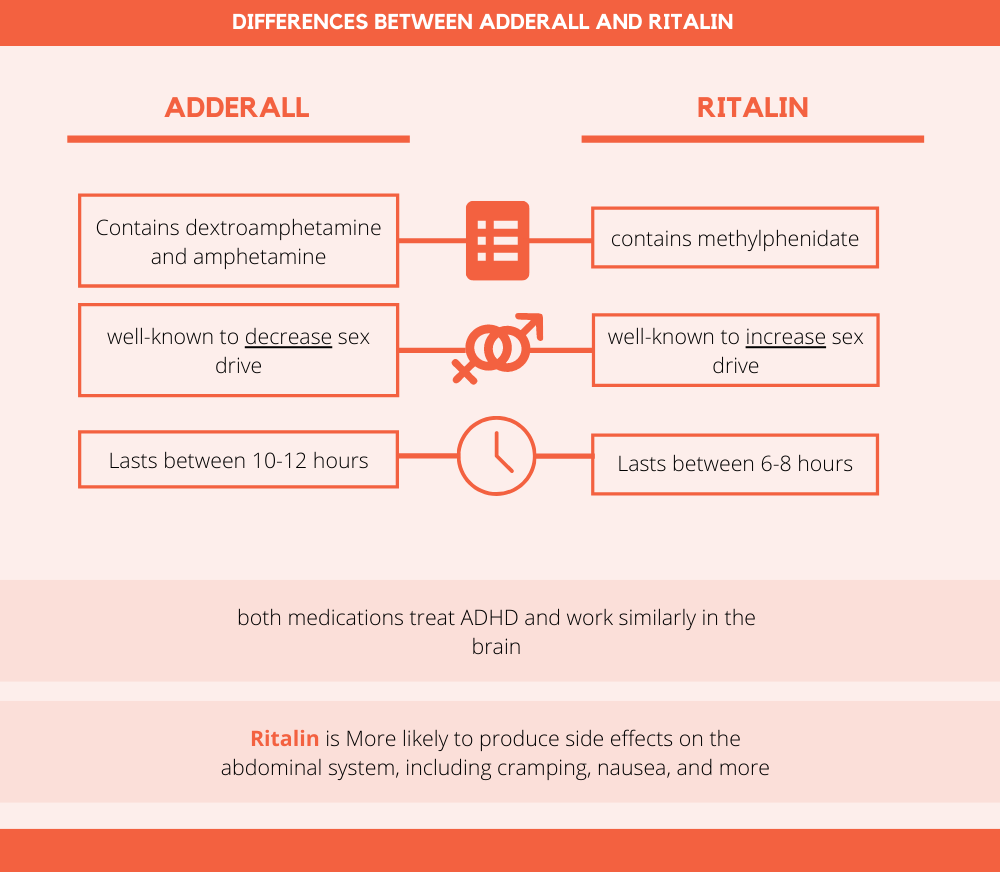
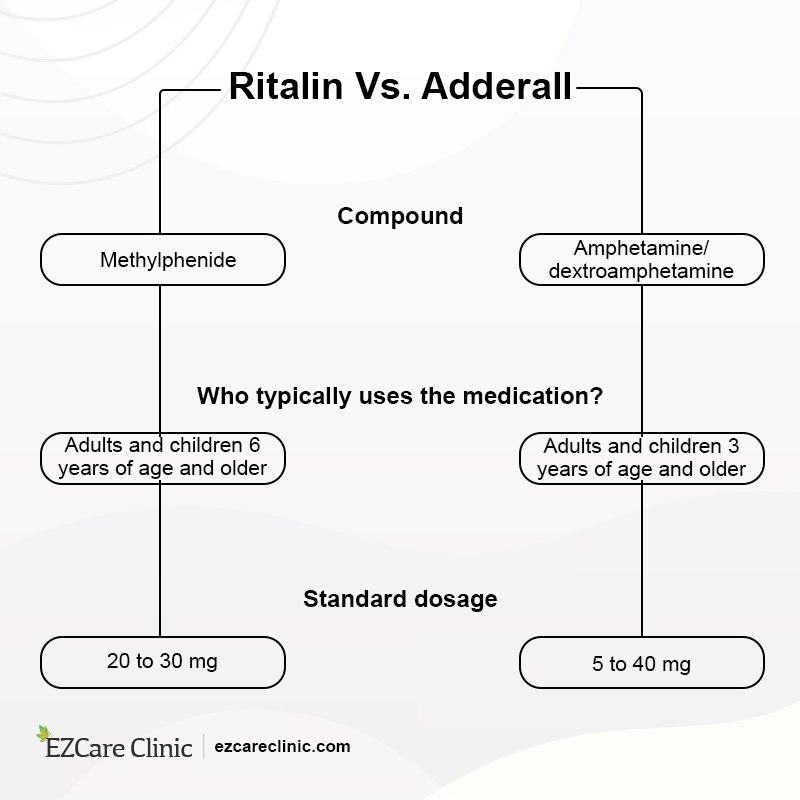
Ritalin contains methylphenidate as its active ingredient. This compound is a non-amphetamine stimulant functioning by inhibiting the reuptake of dopamine and norepinephrine, which are critical for attention and motivation. Ritalin typically comes in both immediate and extended-release formulations.
Conversely, Adderall comprises a blend of two amphetamine salts: amphetamine and dextroamphetamine. This combination enhances its effects by acting on the same neurotransmitters as Ritalin but with a different mechanism of action. Adderall is also available in immediate and extended-release formats, providing flexibility in managing symptoms throughout the day.
When comparing the chemical structures and mechanisms, it’s crucial to recognize that while both medications target similar neurotransmitters, their pharmacological effects can vary significantly. Thus, the choice between Ritalin and Adderall goes beyond mere preference; it must account for individual physiological responses and lifestyle considerations.
Duration of Action: How Long Do They Last?
The duration of action varies between Ritalin and Adderall, which can significantly impact patient management. Ritalin, particularly in its immediate-release format, typically lasts about 3 to 4 hours, necessitating multiple doses throughout the day to maintain symptom control. In contrast, the extended-release formulation of Ritalin can last up to 8 hours, offering a more prolonged effect.
Adderall, on the other hand, provides a more extended duration of symptom relief. Those using the immediate-release version can expect effects to last about 4 to 6 hours, while the extended-release version may last up to 12 hours. This means fewer doses are generally required throughout the day with Adderall, potentially enhancing convenience for some users.
This distinction is particularly essential for individuals who have demanding schedules or those who require consistent symptom management for the entire day. Patients may prefer Adderall for its longer duration, as it reduces pill burden and can improve adherence.
Side Effects: Understanding Risks and Considerations
Both medications share common side effects due to their stimulant nature, which can include insomnia, decreased appetite, anxiety, and increased heart rate. However, the specific side effects can vary in intensity and prevalence. Ritalin users often report a quicker onset of side effects due to its faster-acting nature.
Adderall users, on the other hand, might experience a more gradual development of side effects but are typically associated with longer-lasting impacts due to its extended efficacy. Additionally, some users report that while Ritalin can cause mood swings, Adderall may contribute to a heightened sense of focus contrasted with jitteriness in some individuals.
Importantly, the potential for addiction and misuse is an underlying concern with both medications, primarily due to their stimulant properties. Patients with a history of substance abuse may warrant a more cautious approach when considering either drug.
Ritalin vs Adderall: Weight Loss Effects
Weight loss is a frequent side effect associated with stimulant medications, including Ritalin and Adderall. Both medications can suppress appetite, which might lead to unintended weight loss, particularly in children and adolescents. While this side effect can be viewed as beneficial in some contexts, it raises concerns regarding nutrition and growth in younger patients.
Some studies suggest that Adderall may lead to more pronounced weight loss compared to Ritalin. This can often be attributed to differences in their dosages and the individuals’ responses to each medication. In practice, the side effects concerning weight should be monitored closely by health care providers, as any significant changes in weight can indicate the need for a medication review.
In the context of treatment, it is essential to strike a balance between managing ADHD symptoms and ensuring overall health, especially concerning nutrition. If weight loss becomes a concern, adjustments to dosage or a switch to a different medication may be warranted.
Comparative Efficacy: Ritalin vs Adderall
When considering efficacy, both Ritalin and Adderall have proven effective for ADHD treatment. However, individual responses vary widely, indicating that what works effectively for one person may not yield the same results for another.
Clinical studies have shown that both medications significantly improve ADHD symptoms, generally achieving similar levels of efficacy. However, research indicates that Adderall may boast a slight edge in effectiveness for some users, particularly those with more severe symptoms. Furthermore, Adderall’s longer half-life minimizes the likelihood of a rebound effect, where symptoms become more pronounced as the medication wears off.
Ultimately, a collaborative approach between patients and their healthcare providers often determines which medication proves most effective, taking into account symptom severity, lifestyle, and response to previous treatments.
Safety and Contraindications: Which is Safer?
Safety profiles for Ritalin and Adderall are crucial considerations when prescribing these medications. Both have contraindications and precautions that require attention. Each medication should be used cautiously in patients with a history of cardiovascular disease, high blood pressure, or mental health disorders such as anxiety or mood disorders.
In terms of potential interactions, Adderall may present a higher risk for users taking medications that raise blood pressure or have a history of substance abuse due to its amphetamine base. Conversely, Ritalin’s shorter duration and lower addictive potential may offer a safer alternative in specific populations, such as children and adolescents.
Healthcare practitioners often perform thorough assessments to ensure the selected medication aligns with the patient’s health status and any coexisting conditions. Ultimately, regular follow-ups can yield adjustments based on effectiveness and safety.
Addressing Common Queries: Ritalin vs Adderall FAQ
Is Ritalin or Adderall better for adults?
The determination of whether Ritalin or Adderall is better for adults largely hinges upon individual responses. Adults might prefer the longer-lasting effects of Adderall, especially for managing symptoms throughout the workday. However, Ritalin could be more favorable for individuals sensitive to stimulant side effects or those needing shorter-duration management.
Can Ritalin or Adderall help with weight loss?
Yes, both medications may induce weight loss as a side effect, due to appetite suppression. While this may be perceived as beneficial, it is essential to monitor any significant weight changes, as this could negatively affect overall health and development in younger patients.
What happens if I switch from Ritalin to Adderall?
Switching from Ritalin to Adderall requires careful management. It’s essential to consult with a healthcare provider before making any changes to ensure appropriate dosages and to minimize withdrawal effects or side effects from the new medication.
Are there differences in cost between Ritalin and Adderall?
Generally, the costs for Ritalin and Adderall may differ based on the manufacturer, health insurance coverage, and region. Typically, generics are available for both medications, helping to mitigate costs. However, some individuals might find one more accessible than the other due to insurance plan coverage.
Can Ritalin or Adderall cause dependency?
Both Ritalin and Adderall carry a risk of dependency, particularly if misused. Users should adhere strictly to prescribed dosages and consult with healthcare providers regarding any concerns about substance use history and dependency.
How long does it take for Ritalin or Adderall to work?
Ritalin typically begins to take effect within 30 minutes to an hour, while Adderall may take a similar time frame. However, the extended-release versions of both medications prime for longer-lasting effects, impacting how quickly users notice symptom relief.
Which is more widely prescribed?
Both medications are widely prescribed, but Adderall has seen an increase in popularity in recent years. Prescribers consider patient needs, symptom severity, and previous medication responses when making decisions on which medication to prescribe.
Final Thoughts on Ritalin vs Adderall
When evaluating Ritalin vs. Adderall, understanding their differences, side effects, and efficacy plays a crucial role in determining the best treatment for ADHD. Individual responses to medications may vary markedly, making it imperative for patients to engage in open discussions with their healthcare providers.
While both medications serve as effective treatments for ADHD, recognizing the nuanced differences between them can help individuals make informed decisions. Continuous monitoring and adjustments depending on symptom management and side effects underscore the importance of personalized treatment plans.
As new research emerges and treatment methodologies evolve, remaining proactive in understanding ADHD management options will empower patients and caregivers alike. Having the right medication can profoundly enhance life quality, enabling individuals diagnosed with ADHD to achieve their potential effectively.
