🏠 Stay at home! 25% discount on all medicines


Is Strattera a Controlled Substance? Understanding Its Classification and Use

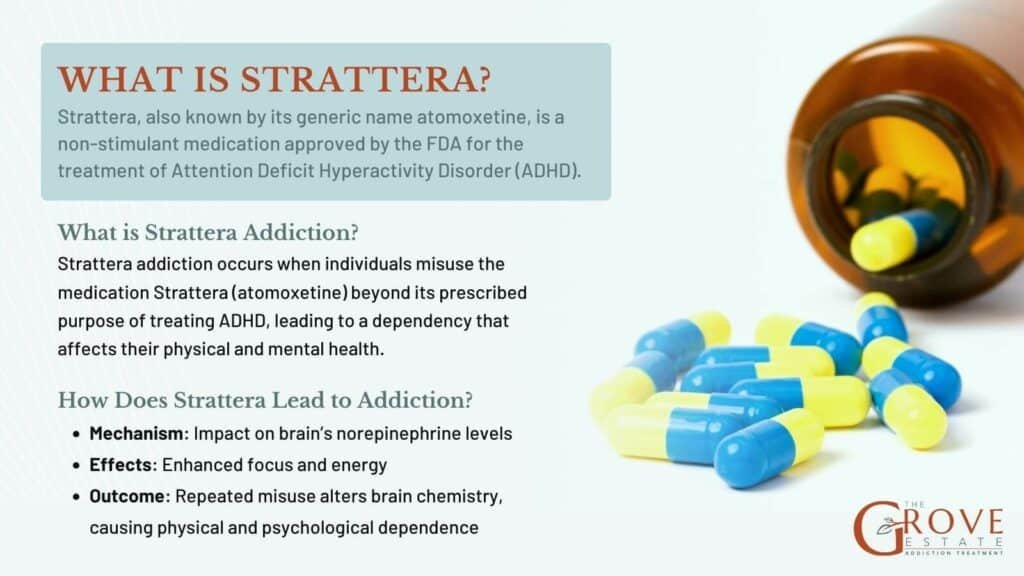
When it comes to medications prescribed for Attention Deficit Hyperactivity Disorder (ADHD), safety and regulatory classification are of paramount concern for both patients and healthcare providers. One such medication that often comes up in discussions regarding ADHD treatment is Strattera. Many patients, caregivers, and practitioners are left wondering: is Strattera a controlled substance? Understanding this aspect is crucial, as it informs not just the legality and prescription process but also implications for side effects and the potential for misuse.
Strattera, whose generic name is atomoxetine, is a non-stimulant medication primarily used to treat ADHD. Unlike other commonly prescribed ADHD medications, such as Adderall and Ritalin, Strattera does not belong to the category of controlled substances. In this comprehensive article, we will explore the classification of Strattera, compare it with other ADHD medications, and discuss its effects, potential side effects, and the unique aspects of its therapeutic use.
Understanding Strattera’s classification can empower patients in their treatment journey, helping them to navigate the complexities of ADHD medications, and make informed choices. So, without further ado, let’s delve into whether Strattera is classified as a controlled substance, and why this distinction matters.
What Is Strattera and What Does It Treat?
Strattera is a prescription medication that is primarily prescribed for the treatment of Attention Deficit Hyperactivity Disorder (ADHD) in children, adolescents, and adults. It is the first non-stimulant medication approved by the FDA specifically for ADHD management and has been on the market since 2003. Unlike stimulant medications that target dopamine levels in the brain, Strattera operates as a selective norepinephrine reuptake inhibitor (NRI), which essentially means it enhances norepinephrine levels without directly increasing dopamine.
The mechanism of action of Strattera allows it to improve attention span, reduce hyperactive behaviors, and control impulsiveness. Patients using Strattera may notice improvements in their ability to concentrate, learn, and engage in social activities, thereby enhancing their overall quality of life.
While Strattera is effective for many individuals, it is important to understand that its appropriate use is determined by a healthcare provider, who will consider various factors such as age, overall health, and the severity of ADHD symptoms.
Is Strattera a Controlled Substance?

To clarify, Strattera is not classified as a controlled substance. This classification is important because drugs that fall under federal controlled substance schedules typically require stricter prescriptions, monitoring, and regulations due to their potential for misuse and addiction. The Drug Enforcement Administration (DEA) categorizes controlled substances into various schedules based on their potential for abuse and dependency.
The reason Strattera is not considered a controlled substance lies in its pharmacological profile. Research has indicated that Strattera has a lower potential for misuse and addiction compared to stimulant medications. For instance, stimulant drugs like Adderall and Ritalin directly influence dopamine levels in the brain’s reward pathways, leading to a higher risk of developing addiction or dependence.
In contrast, Strattera’s mechanism primarily impacts norepinephrine, making it less likely to produce euphoric effects or cravings associated with substance abuse. Hence, patients can be prescribed Strattera without the heightened regulatory constraints typically associated with controlled medications.
How Does Strattera Compare to Other ADHD Medications?
When evaluating Strattera against other commonly prescribed ADHD medications such as stimulants, it is essential to consider various factors including efficacy, side effects, and the potential for addiction. Unlike Strattera, stimulant medications are classified as controlled substances due to their psychoactive effects and risk of dependency.
While stimulants can be effective for many patients—often providing rapid relief from ADHD symptoms—they come with a distinctive set of side effects, including insomnia, increased heart rate, and in some cases, heightened anxiety or irritability. These side effects may lead some patients to consider alternative treatment options like Strattera, especially those who have experienced adverse effects from stimulant medications.
Another aspect that sets Strattera apart is its timeline for action. An advantage of stimulant medications is their quick onset, often working within hours of administration. Strattera may take several days to weeks to reach its full therapeutic potential, which can be a drawback for individuals seeking immediate relief. However, Strattera’s profile as a non-stimulant medication reduces the risk of abuse, making it a safer long-term option for some patients.
Understanding the Drug Classification of Strattera
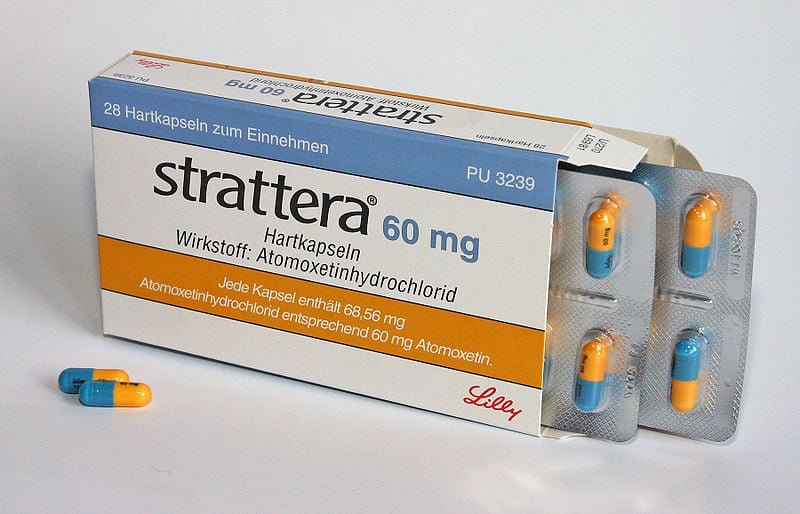
Drug classification plays a significant role in how medications like Strattera are prescribed and monitored. In the United States, medications are categorized based on their legal status and potential for misuse. Being a non-controlled substance, Strattera requires less stringent prescriptive oversight, minimizing barriers for patients who need access to treatment.
However, while Strattera is not under the same regulatory scrutiny as controlled substances, it is still meticulously monitored by the FDA and prescribed by qualified healthcare providers. Physicians must weigh the benefits and risks, making individualized treatment plans for their patients. The absence of a controlled status does not imply that Strattera is without its side effects or that it is ineffective; rather, it emphasizes a different paradigm of approach to ADHD treatment.
As with all medications, healthcare providers might still observe policies regarding the prescription refills and adjustments, ensuring that the patient is receiving appropriate care based on their responses and any related side effects.
Is Strattera Addictive?
Given that Strattera is not classified as a controlled substance, many individuals wonder about its potential for addiction. The evidence thus far suggests that Strattera is not addictive and does not produce the cravings or withdrawal symptoms typically associated with addiction. This is significant for patients or parents concerned about the risks of dependency often linked to stimulant medications.
Studies have shown that there is no observable
