🏠 Stay at home! 25% discount on all medicines


Is Concerta Stronger than Adderall? A Comprehensive Analysis

Attention deficit hyperactivity disorder (ADHD) is a common neurodevelopmental disorder that affects both children and adults. The demand for effective treatment options has led to the development of various medications, among which Concerta and Adderall are two of the most frequently prescribed stimulant medications. But when it comes to understanding the nuances of these drugs, a frequently asked question arises: Is Concerta stronger than Adderall? The answer is complex, dependent on a variety of factors including individual patient response, dosage, and specific symptoms being treated.
Stimulants, in general, are the first-line treatment for ADHD, and both Concerta and Adderall are designed to increase levels of certain neurotransmitters in the brain, primarily dopamine and norepinephrine. However, they achieve this through different active ingredients, mechanisms, and formulations. This article aims to delve deep into the similarities and differences between these two drugs, the specific nuances of their strength, as well as insights from medical literature and patient experiences. By the end of this comprehensive guide, readers will have a clearer and well-rounded understanding of their treatment options and considerations.
In examining whether Concerta is stronger than Adderall, it’s crucial to understand the context in which we define ‘strength’. Some may interpret strength as the intensity of effect, while others might view it as the duration of action or even overall efficacy in managing ADHD symptoms. Through this lens, we will explore key topics including their pharmacological similarities and differences, dosage comparisons, side effects, and how they stack up against one another in clinical practice.
Understanding ADHD Medications: Concerta and Adderall
Before diving into the comparative analysis, it’s important to have a solid understanding of what Concerta and Adderall are, including their composition and intended use. Both medications are prescribed to help manage symptoms of ADHD, which can include inattention, hyperactivity, and impulsivity.
Concerta (methylphenidate) is an extended-release formulation of methylphenidate. It is designed to provide a steady release of medication throughout the day. Known for its 12-hour duration of action, Concerta is generally taken once daily in the morning, making it appealing for individuals looking for all-day symptom relief without needing to manage multiple doses throughout the day.
Adderall, on the other hand, is a combination of amphetamine and dextroamphetamine and can come in both immediate-release and extended-release formulations. The immediate-release version can last about 4 to 6 hours, while the extended-release (Adderall XR) is designed to last up to 12 hours as well. Due to its mechanism of action, Adderall typically provides a more immediate effect than Concerta, which can contribute to the perception that it is stronger.
Mechanisms of Action
Both Concerta and Adderall belong to the stimulant class of medications used to treat ADHD, but they work through slightly different mechanisms. Concerta primarily increases dopamine levels in the brain by blocking the reuptake of dopamine and norepinephrine, resulting in enhanced concentration and a reduction in impulsivity and hyperactivity.
Adderall, however, not only inhibits the reuptake of these neurotransmitters but also increases their release from presynaptic neurons. This dual action can lead to a more intense effect, which some patients may interpret as strength. The onset of action for Adderall can be remarkably faster—showing effects in about 30 minutes for the immediate-release version, while Concerta typically takes about 1 to 2 hours to reach its full effect.
Comparative Pharmacokinetics
The pharmacokinetics of a medication, or how it is absorbed, distributed, metabolized, and excreted in the body, plays a crucial role in understanding its effectiveness. Concerta uses an osmotic controlled-release delivery system that allows for a gradual release of methylphenidate throughout the day. This means less fluctuation in drug levels, which can help maintain stable concentration and reduce the likelihood of side effects.
Contrastingly, Adderall’s absorption can vary widely among individuals and is influenced by several factors including pH levels in the gastrointestinal tract. Some users might find that Adderall affects them more quickly but may lead to a crash in effects as the medication wears off, which is less common with Concerta’s smoother release profile.
Assessing Strength: How Does It Really Compare?
When people refer to one medication being stronger than another, the context is critical. Concerta and Adderall don’t merely differ in strength; they serve slightly different purposes that can affect how each person experiences their effects.
In general terms, many users report that Adderall gives a more immediate and potent feeling, particularly in tasks requiring immediate focus or energy. This has led some to claim that Adderall is stronger. As one user noted in an online discussion, “When I take Adderall, I feel like I can do anything. It’s like flipping a switch. With Concerta, it feels more gradual, more like I’m getting there slowly.” However, this feeling doesn’t necessarily equate to greater efficacy in symptom management.
On the other hand, for individuals who need consistent and sustained attention over a longer period, Concerta may be perceived as more beneficial due to its extended release and lack of ‘ups and downs’. A study showed that patients using Concerta reported fewer peaks and troughs in their ADHD symptoms compared to those on instant release variants of Adderall.
Dosage Differences
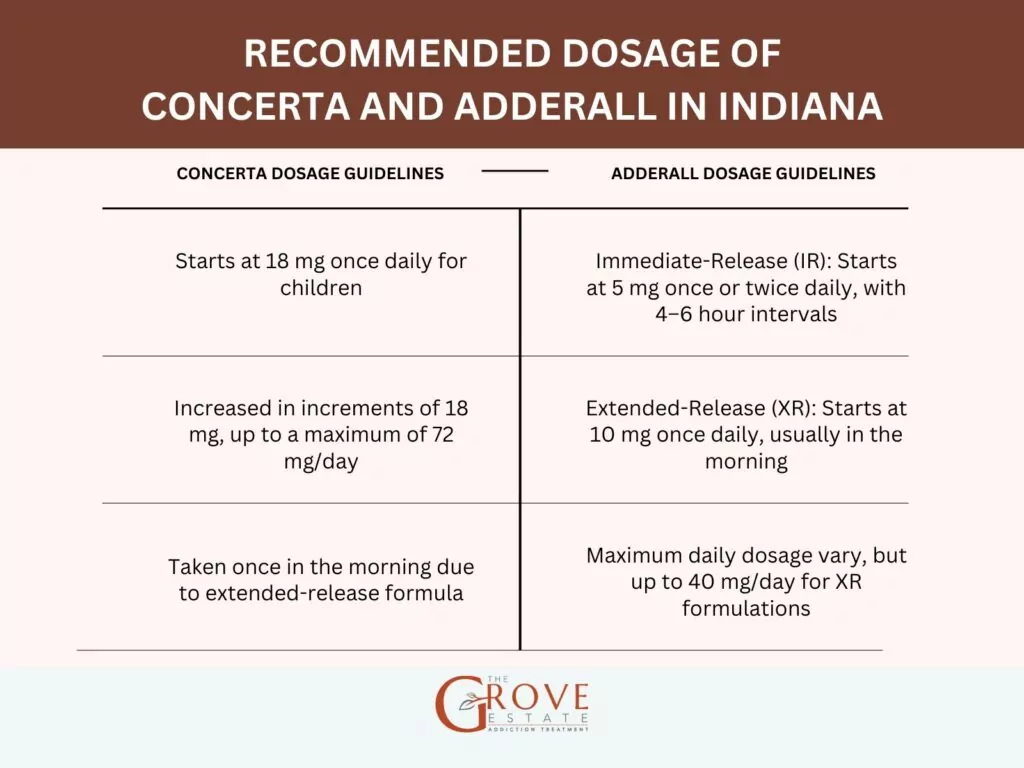
The dosage regimen significantly impacts how patients experience meds like Concerta and Adderall. Concerta generally comes in dose formulations ranging from 18 mg to 72 mg. Patients often start at a lower dose and may gradually increase as needed. The immediate versions of Adderall range from 5 mg to 30 mg, while the extended-release version starts at 10 mg and can go up to 30 mg. This means that a 30 mg dose of Adderall might feel ‘stronger’ than a 36 mg dose of Concerta simply due to the differing formulations and release mechanisms rather than an inherent superiority in effectiveness.
For instance, switching from one medication to the other is not as simple as a dosage conversion could imply. The therapeutic window for each can differ significantly, requiring careful adjustments and sometimes even a trial and error approach to find the right fit for the individual patient’s needs.
Potential Side Effects and Considerations
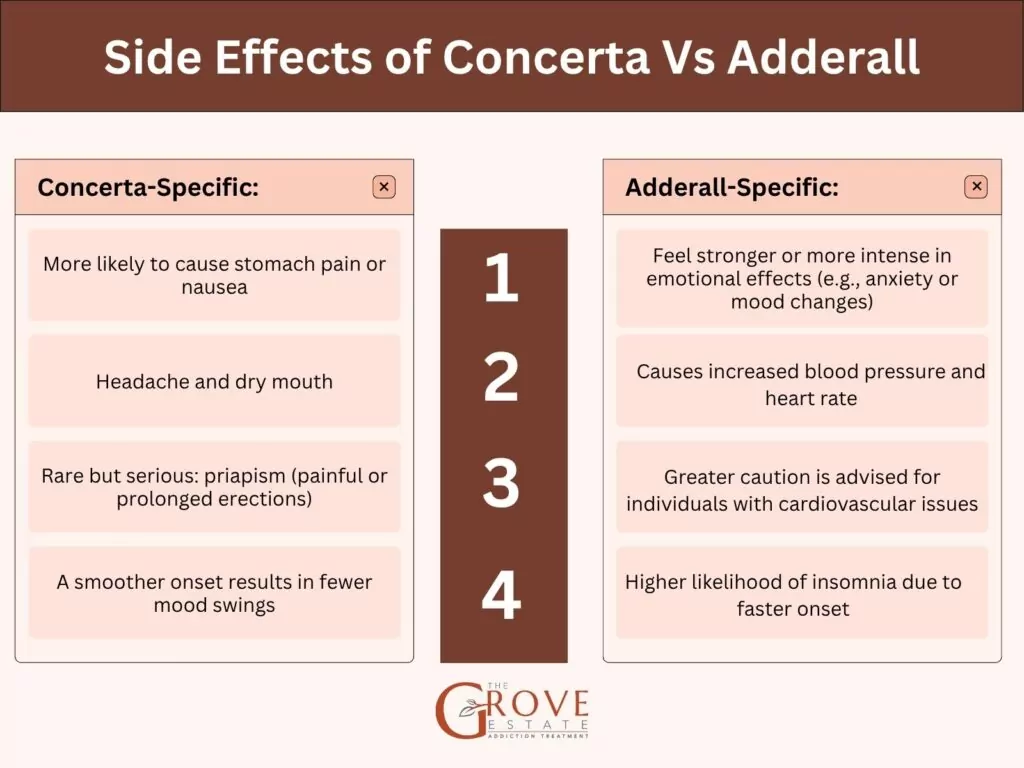
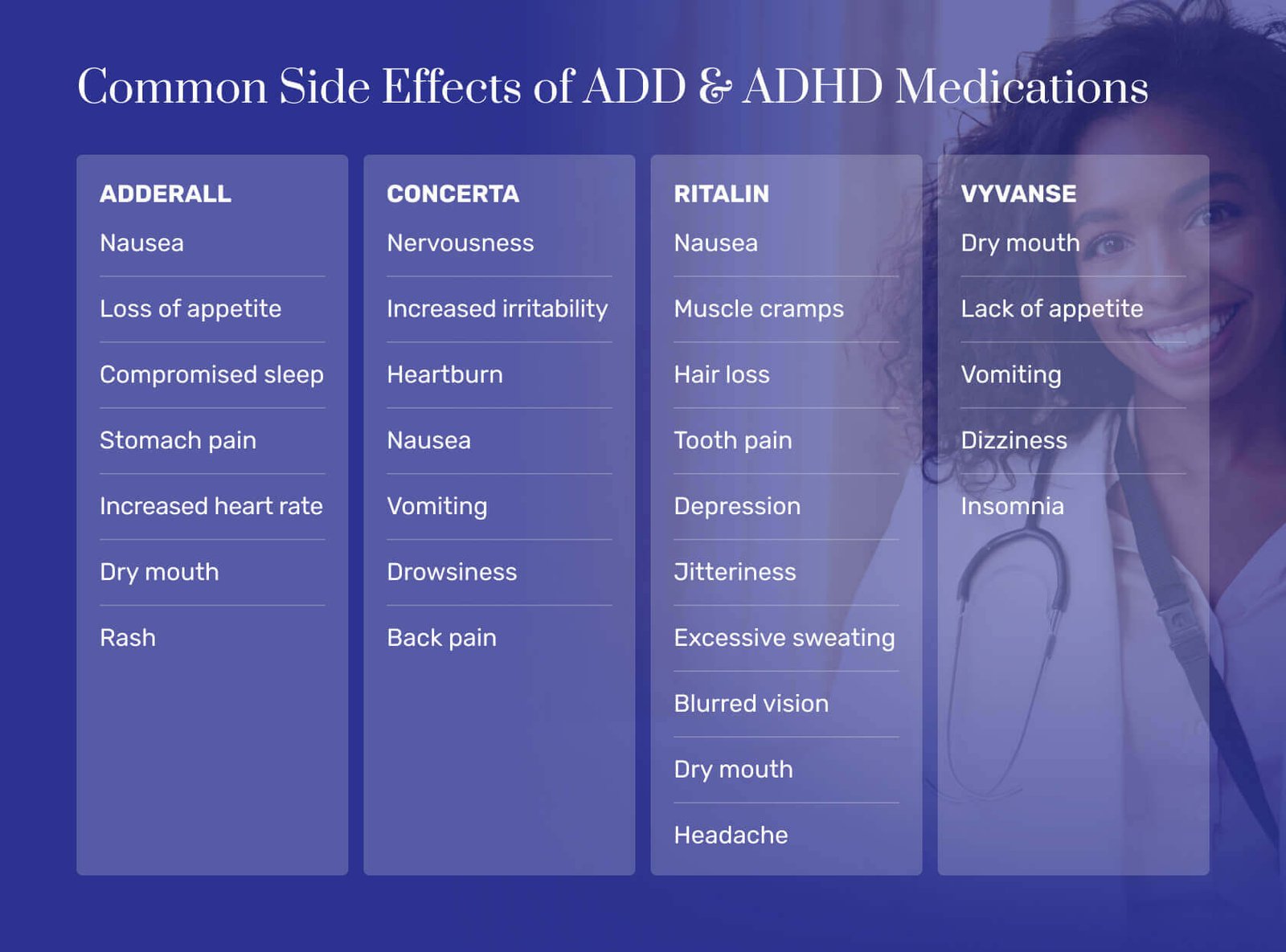
Both Concerta and Adderall have their profiles of side effects, which can include insomnia, decreased appetite, and anxiety. However, the kind of side effects and their intensity can vary between the two medications. Adderall is known to have higher risks associated with anxiety and jitteriness, especially in individuals predisposed to such conditions. Users often describe Adderall as leading to bursts of energy that can sometimes feel overwhelming.
Conversely, concerning Concerta, the steady release is generally associated with fewer peaks and troughs, translating to lower incidences of anxiety or jitteriness post-administration. Some individuals may prefer Concerta for this reason, even if others feel that Adderall’s intensity suits them better. The preexisting mental health status of each patient plays a crucial role in their medication experience. Understanding these subtleties is paramount when considering which medication might be ‘stronger’ or more suitable.
Clinical Efficacy: Which is More Effective for ADHD?
Numerous studies have sought to determine the comparative efficacy of Concerta and Adderall in treating symptoms of ADHD, each presenting compelling evidence in favor of both. However, the outcome largely comes down to individual response. In a clinical setting, patient-reported outcomes and verified symptom assessments are critical indicators of a medication’s effectiveness.
One study published in the Journal of Attention Disorders found that both medications demonstrated substantial improvement in ADHD symptoms, yet the short-term efficacy of Adderall was favored in terms of immediate focus and task completion. However, Concerta users reported sustained improvement and a better quality of life in long-term evaluations.
Ultimately, it is documented that either medication can be appropriate depending on the context and patient needs; hence, clinicians often emphasize the importance of personalized treatment plans grounded in ongoing assessments.
Patient Perspectives: Insights from Users
When evaluating medications like Concerta and Adderall, anecdotal evidence from users reflects a spectrum of experiences. Some individuals prefer the quick onset and intensity of Adderall, insisting it feels more effective in demanding situations. These users often cite periods during the day when the demand for attention is highest.
Others, particularly those with chronic ADHD challenges, may find Concerta’s gradual effect more manageable and conducive to day-to-day functioning. Users on forums have shared that switching from Adderall to Concerta allowed them to maintain better productivity and peace without the associated anxious feelings.
This discrepancy highlights the need for individualized assessments and discussions between patients and healthcare providers, recognizing that personal preference and experiences often guide treatment decisions.
Concerta vs. Adderall: Weight Loss Implications
One frequently discussed topic in ADHD medication circles involves the potential of stimulants like Concerta and Adderall to aid in weight loss. Both medications can suppress appetite, but the effects can differ considerably among individuals. While many experience weight loss in the initial stages of Adderall treatment, patients on Concerta may have a more subdued appetite decrease.
Some patients report that the abrupt energy highs from Adderall lead to a crash, causing them to rebound on their food intake later in the day. Contrarily, the sustained release of Concerta may lead to a more even metabolism throughout the day, with less compensatory eating behavior post-medication. It is essential for patients addressing weight concerns to discuss these implications with their healthcare providers before making any changes.
Switching Medications: Patients Share Their Experiences
Transitioning from one medication to another is fundamental for some ADHD patients seeking the most beneficial treatment. Many report having switched from Adderall to Concerta or vice versa due to inadequate symptom management or intolerable side effects. Online forums often feature personal stories where users describe their journeys toward finding a balance.
For some individuals, the switch from Adderall to Concerta alleviated side effects like jitteriness or increased anxiety. Conversely, others express that they switched to Adderall for its rapid-action profile after finding Concerta insufficient in tackling their symptoms during peak demand hours in academic or work settings.
When considering a switch, factors such as personal side effect profiles, individual ADHD symptoms, and specific life situations must all converge to inform the final outcome. Consulting a healthcare professional is paramount in navigating the transition process safely and effectively.
Frequently Asked Questions
1. Is there a significant difference in efficacy between Concerta and Adderall?
The efficacy varies between individuals. While some studies indicate that Adderall may have a quicker onset and a more intense effect at first, Concerta is often better for sustained symptom control throughout the day. Patient experiences and symptom specificity significantly influence perceived efficacy.
2. Can you switch from Concerta to Adderall safely?
Yes, switching from Concerta to Adderall is possible and often done when patients find that their symptoms are not adequately managed. It’s essential to consult with a healthcare provider who can evaluate your individual needs and help in safely adjusting dosages, monitoring possible side effects, and ensuring effective management of your ADHD symptoms.
3. Are the side effects of Concerta and Adderall similar?
Both medications can cause side effects such as reduced appetite, insomnia, and anxiety. However, Adderall is typically associated with more acute anxiety or jitteriness, particularly shortly after ingestion, owing to its immediate-release effects. Concerta may produce less intense side effects as a result of its gradual release, allowing for a smoother therapeutic experience.
4. How long does each medication typically last?
Concerta is designed for a duration of action of about 12 hours due to its extended-release formulation. Adderall, while the immediate-release version typically lasts about 4-6 hours, the extended-release version can also provide coverage for up to 12 hours. This makes each suitable for different daily routines and needs for symptom control.
5. Are there any interactions with other medications to consider for Concerta and Adderall?
Yes, both Concerta and Adderall can interact with various medications, including certain antidepressants, blood pressure medications, and medications that treat anxiety. Patients should inform their healthcare provider of all medications they are taking so that potential interactions can be assessed before initiating treatment with either stimulant.
Conclusion
The question of whether Concerta is stronger than Adderall cannot be answered unequivocally; rather, the effectiveness of either drug hinges on individual patient factors, treatment goals, and the specific presentation of ADHD symptoms. Both medications offer unique benefits, with Concerta providing stable, long-lasting symptom control while Adderall can deliver immediate focus and energy, which might be preferable in certain contexts.
The journey toward finding the right ADHD medication is often rife with trial and error, underscoring the importance of personalized treatment plans and ongoing communication with healthcare providers. Understanding how these medications work, their potential side effects, and their clinical efficacy can empower patients and their caregivers to make informed choices.
Ultimately, whether one medication is perceived as ‘stronger’ than the other may be less important than finding the one that fits best with a patient’s lifestyle and individual needs. Active collaboration with healthcare providers is key in determining the most suitable treatment course in managing ADHD effectively and sustainably.
