🏠 Stay at home! 25% discount on all medicines


Is Ambien a Narcotic? Understanding the Classification and Implications

Approximately 70 million Americans suffer from chronic sleep disorders each year, making sleep aids like **Ambien** increasingly popular. This prescription medication, known generically as **zolpidem tartrate**, has garnered considerable attention due to its effectiveness in treating insomnia. However, the question remains: Is Ambien a narcotic? Understanding this classification is crucial, especially for patients considering its use or those concerned about its potential implications.
A common misconception is that any prescription medication that causes sedation or alters mood is a narcotic. While Ambien acts on the brain to induce sleep, it does not fit the traditional definition of a narcotic. Instead, Ambien belongs to a different class of drugs known as **sedative-hypnotics**. This article delves deeply into Ambien’s classification, its effects, potential risks, and the reasons behind the confusion regarding its narcotic status.
Additionally, we will explore the broader context of Ambien as a controlled substance, its symptoms of addiction, and available treatment options for individuals who may misuse it. By the end of this article, readers will have a comprehensive understanding of Ambien, its proper usage, and the distinction between narcotics and other drug categories.
Understanding Ambien: What Is It? Is Ambien a Narcotic?
**Ambien**, or zolpidem, was approved by the FDA in 1992 as a short-term treatment for insomnia. The drug works by enhancing the activity of a neurotransmitter called gamma-aminobutyric acid (GABA) in the brain, which promotes feelings of relaxation and sleepiness. This mechanism is similar to that of benzodiazepines, but it is not classified within that family.
When considering whether Ambien is a narcotic, it is essential first to clarify what a narcotic actually is. Narcotics typically refer to opioids used to manage pain and induce sedation. Common examples include morphine, oxycodone, and heroin. These substances bind to opioid receptors in the brain to provide pain relief but can lead to severe addiction and dependence. On the other hand, **Ambien** does not share this pharmacological profile; it does not bind to opioid receptors, nor is it used for pain management.
In summary, **Ambien is not classified as a narcotic**. Instead, it is a sedative-hypnotic medication that falls into a category designed for the treatment of sleep disorders.
What Class Does Ambien Belong To?
As mentioned, Ambien is classified as a **sedative-hypnotic**. This category includes medications that help induce sleep and reduce anxiety by depressing the central nervous system (CNS). Common examples of sedative-hypnotics, beyond Ambien, include barbiturates and benzodiazepines; however, Ambien itself is notably different in its chemical structure and mechanism of action.
In addition to being a sedative-hypnotic, **Ambien is a controlled substance**. More specifically, it is classified as a **Schedule IV controlled substance** by the U.S. Drug Enforcement Administration (DEA). This designation indicates that while there is potential for abuse or dependence, it is less than substances listed in higher schedules, such as Schedule II or III drugs. The Schedule IV classification is critical for medical practitioners and patients to understand, as it entails strict regulations on prescribing and dispensing the medication.
Furthermore, drugs in this category, such as Ambien, can cause physical dependence with continued use, leading to withdrawal symptoms if stopped suddenly. It is essential for patients using Ambien to carefully follow their doctor’s guidelines to avoid potential dependence or withdrawal issues.
Effects and Uses of Ambien
Ambien is primarily prescribed for the short-term treatment of insomnia, particularly for individuals who struggle with sleep initiation. Unlike other sedative-hypnotics that may have longer-lasting effects or serve various purposes, Ambien’s fast-acting nature ensures users can fall asleep quicker than with traditional over-the-counter sleep aids.
In addition to its sleep-inducing properties, Ambien can also have secondary effects on mood and anxiety. Some patients report feeling less anxious, which may be attributed to its calming influence on the CNS. However, these effects can vary significantly from person to person, and misuse of the drug can lead to complex side effects such as confusion, hallucinations, and memory impairment.
Given its effectiveness, it is no surprise that Ambien is often prescribed to combat the immediate symptoms of sleep disorders. However, the potential for misuse and the pressing question of whether it constitutes a narcotic raises awareness about the need for proper education regarding its use.
The Debate: Is Ambien a Narcotic?
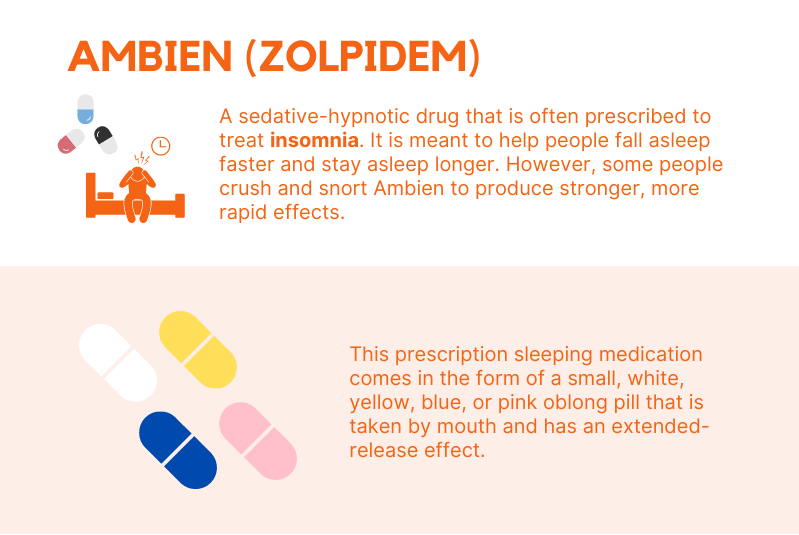
The question of whether Ambien is a narcotic often surfaces due to misinformation about drugs that affect the brain’s function. The terms used to describe various types of medications can be convoluted, contributing to the confusion surrounding Ambien’s classification. To address this essential question, it is critical to delve into the nuances of drug classifications.
As previously noted, narcotics are primarily associated with opioids, typically used for pain relief and can lead to physical dependence. Ambien, on the other hand, primarily targets sleep regulation without the pain-relief properties or receptor binding found in **narcotics**. This distinction is vital for understanding how Ambien should be viewed in the broader landscape of medications and their associated risks.
Another contributing factor to the debate is that while Ambien may not be classified as a narcotic per se, it still has potential for abuse. Although not physically addictive in the same way opioids may be, some users develop a psychological dependence on the drug, prompting concerns among healthcare professionals and patients alike. It is crucial for individuals prescribed Ambien to be aware that, while it is not a narcotic, it is still subject to careful management and monitoring.
How Does Ambien Compare to Other Controlled Substances?
Understanding how Ambien compares to other controlled substances is key to grasping its place within the realm of sedatives and depressants. **Sedative-hypnotics** as a class, including Ambien, are used in various treatments, from managing anxiety to inducing sleep.
Benzodiazepines, for example, such as Xanax and Valium, are also sedatives that can produce calming effects. However, they interact differently within the CNS and often carry a higher potential for abuse and dependence compared to Ambien. This greater potential for dependence underscores why many healthcare providers may opt for Ambien as a first-line treatment for insomnia, especially in patients with a history of substance abuse.
On the other hand, barbiturates, another class of sedative-hypnotics, fell out of favor largely due to their propensity for fatal overdose and addiction. Ambien’s relatively favorable safety profile makes it a more attractive option, provided it’s used responsibly and under medical guidance.
Is Ambien a Benzodiazepine or a Barbiturate?
To clarify further, Ambien is neither a benzodiazepine nor a barbiturate. While it shares similar sedative qualities with these drugs, it functions through a unique mechanism involving **the GABA-A receptor**. This distinction is essential because benzodiazepines and barbiturates carry different risks and side effects related to their physiological effects.
For example, **benzodiazepines** are known to carry risks of significant sedation, confusion, and memory loss, particularly in older adults. Barbiturates, similarly, can cause dangerous respiratory depression. Ambien is designed with a different action mechanism, aiming to minimize these risks while still effectively promoting sleep. However, this does not eliminate the need for caution, especially considering the potential for misuse and dependence.
In practice, while Ambien is a prescription drug and offers benefits for those struggling with sleep issues, it should always be approached with care and respect for its pharmacological properties.
The Controlled Substance Classification of Ambien
In the United States, all controlled substances are categorized based on their potential for abuse and medical value. Ambien, designated as a **Schedule IV** controlled substance, indicates a recognized therapeutic use but comes with specific regulatory constraints aimed at preventing misuse and addiction.
This scheduling means that Ambien may be prescribed by healthcare professionals, but measures are in place to monitor and control how it is dispensed. For instance, prescriptions may require refills to be handled more carefully than a non-controlled drug, and patients may need ongoing assessments to determine if continued use is necessary.
The classification as a Schedule IV controlled substance does not equate to a narcotic designation; however, it suggests that while Ambien is effective and necessary for many patients, it should not be taken lightly. There is a potential for abuse, and appropriate measures should be maintained throughout the prescribed period.
History: When Did Ambien Become a Controlled Substance?
Ambien was introduced in the early 1990s and gained popularity as a sleep aid within a few years due to its effectiveness and lower risk of dependence compared to other sleep medications available at the time. However, as with many medications that are widely adopted, concerns began to surface regarding its safety, particularly related to abuse potential and side effects.
In 2007, the DEA classified Ambien as a **Schedule IV controlled substance**, triggering a new era of oversight regarding its prescriptions and distribution. This classification aimed to mitigate the potential misuse and dependency issues that had become apparent over time.
Subsequent studies indicated that while effective for sleep induction, some patients exhibited challenges such as memory impairment and complex sleep behaviors, further emphasizing the need for awareness around its use. Thus, the classification not only reflected the medication’s risks but also emphasized the necessity for responsible prescribing practices.
The Risks of Ambien Misuse and Addiction Potential
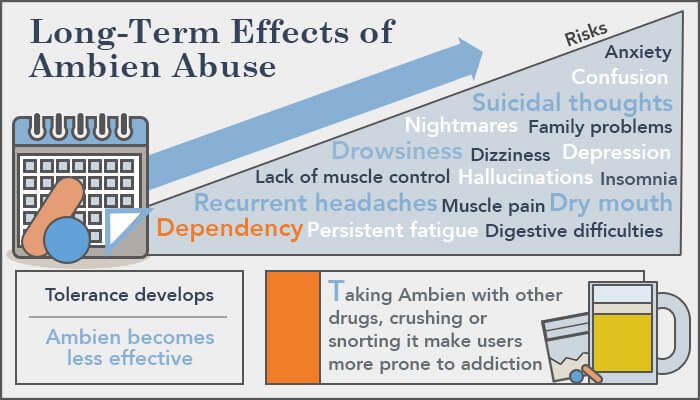
While Ambien can be beneficial for individuals dealing with insomnia, it can also lead to various risks, particularly regarding misuse and addiction. Given its action on the brain, the potential for psychological dependence exists, especially among individuals who may already have a history of substance abuse.
Common symptoms of Ambien misuse may include:
- Increased tolerance, requiring higher doses to achieve the same effect
- Experiencing withdrawal symptoms such as anxiety, insomnia, and irritability when not using the drug
- Engaging in risky behavior, such as driving while under the influence of Ambien, leading to dangerous situations
- Social, occupational, or recreational activities becoming compromised due to drug use
Recognizing these signs early on is crucial for anyone at risk of developing an addiction to Ambien. It is essential to have regular discussions with healthcare providers and consider alternative sleep strategies or therapies when necessary. Various treatment options exist for those facing addiction, allowing for a holistic approach toward recovery.
FAQs About Ambien: Common Questions Answered

1. Is Ambien Safe to Use Long-Term?
The safety of long-term Ambien use largely depends on individual circumstances. Typically, it is recommended for short-term use due to the potential for dependence and adverse effects. If a person finds they require Ambien for longer than prescribed, it is imperative to consult with a healthcare provider to explore alternative treatments or therapies.
2. Can I Take Ambien While on Other Medications?
Taking Ambien alongside other medications is something that must be approached cautiously. Several drug interactions can amplify the sedative effects, posing risks like respiratory depression and increased drowsiness. Individuals should always disclose their complete medical history and any other medications they are taking to their healthcare provider before starting Ambien.
3. What Should I Do If I Miss a Dose of Ambien?
If a dose of Ambien is missed, it is generally advised not to take a double dose if it is already close to the next scheduled dose. Instead, individuals should follow the prescribed schedule and contact their healthcare provider for guidance if they frequently miss doses or have issues sticking to the medication regimen.
4. Is It Possible to Overdose on Ambien?
While the risk of overdose exists, it is more frequently associated with the combination of Ambien with other CNS depressants like alcohol. Symptoms of overdose may include severe drowsiness, confusion, impaired breathing, and lack of coordination. Anyone suspecting an overdose should seek medical attention immediately.
5. How Can I Transition Off Ambien Safely?
Transitioning off Ambien should always be conducted under medical supervision. Healthcare providers may recommend gradually tapering the dosage to minimize withdrawal symptoms. Patients should never abruptly stop taking Ambien, as this can lead to rebound insomnia and heightened anxiety.
6. Are There Alternatives to Ambien for Insomnia?
Yes, numerous alternatives exist to Ambien for managing insomnia. Behavioral therapies, lifestyle changes, and other medications can often provide relief without the associated risks of dependency. Cognitive Behavioral Therapy for Insomnia (CBT-I) is particularly effective and should be considered as a first-line treatment.
7. Can Ambien Affect My Mental Health?
Ambien can have varying effects on mental health, ranging from improvement in mood due to better sleep to exacerbated anxiety or depression in some individuals. Close monitoring by a healthcare provider is crucial to observe any adverse mental health effects during use of the medication.
Conclusion: Key Insights on Ambien and Its Classification
In summary, while Ambien is a widely used medication for treating insomnia, it is not classified as a narcotic. Understanding its classification as a sedative-hypnotic and a Schedule IV controlled substance is crucial for both patients and medical professionals as they navigate its use.
Despite its effectiveness, the potential for misuse and psychological dependence requires careful management and ongoing assessments. Anyone considering taking Ambien for sleep should maintain an open dialogue with their healthcare provider, weigh the risks and benefits appropriately, and explore potential alternatives if necessary.
By arming yourself with knowledge and understanding the distinctions between narcotics and other drug classifications, you can make informed decisions about your treatment options for sleep disorders. Always prioritize safety and be proactive in discussing your health needs with qualified professionals.
