🏠 Stay at home! 25% discount on all medicines


Is Adderall Legal? Understanding Its Status and Implications

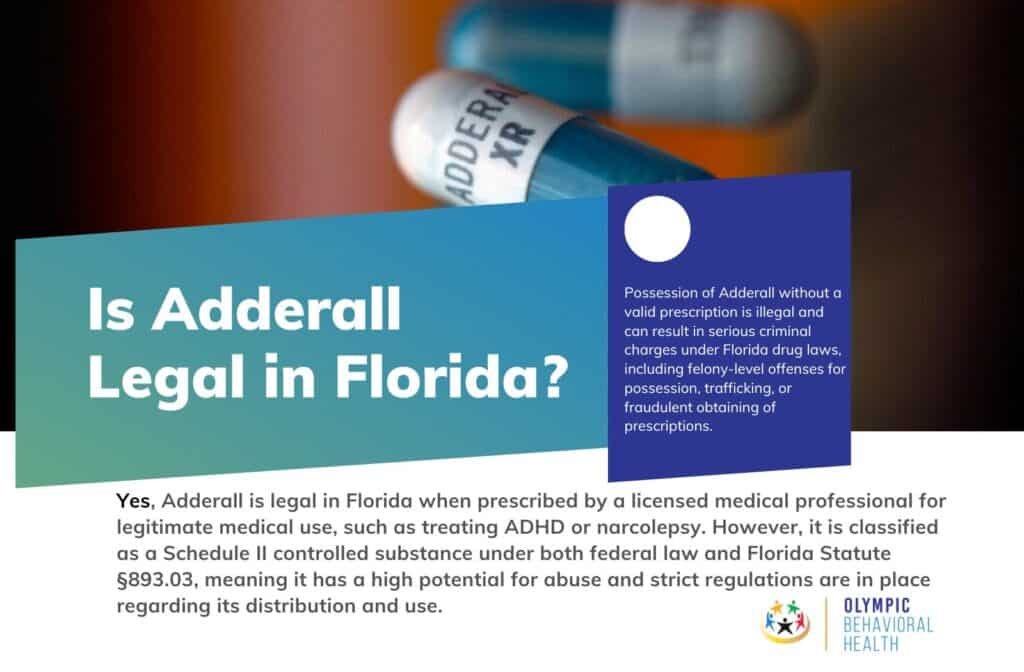
Adderall has increasingly become a household name, particularly among students seeking a competitive edge in academia or young professionals trying to balance demanding schedules. With reports showing that up to 30% of college students use Adderall without a prescription, the question of legality becomes not just a legal matter but a significant ethical and health concern. According to the Substance Abuse and Mental Health Services Administration, approximately 1.1 million people misused Adderall in 2020. As a Schedule II controlled substance, understanding its legal ramifications is essential.
The legality of Adderall is often misunderstood. Many people assume that since it is a medication legally prescribed by healthcare professionals, it can be used freely. However, the fact is that using Adderall without a prescription is illegal and can lead to serious legal consequences. This article aims to demystify the legal status of Adderall in various contexts, address key questions surrounding its use, and delve into the implications for individuals and society.
In this comprehensive guide, readers will gain insights into Adderall’s status as a controlled substance, its potential for addiction, and what happens if someone is caught possessing it without a prescription. Additionally, we’ll explore its implications in sports, legality in other countries, and answers to frequently asked questions regarding this controversial drug.
What Is Adderall and How Is It Classified?
Adderall is a brand name for a combination of two stimulant medications: amphetamine and dextroamphetamine. These are part of a larger class of drugs known as amphetamines, which are used primarily to treat attention deficit hyperactivity disorder (ADHD) and narcolepsy. By increasing the levels of certain neurotransmitters in the brain, Adderall helps improve focus, attention span, and impulse control.
Legally, Adderall is classified as a **Schedule II controlled substance** under the Controlled Substances Act (CSA) in the United States. This classification indicates that while it has accepted medical uses, it also has a high potential for abuse and dependence, warranting stringent controls by law enforcement. Schedule II drugs are only available via prescription from a licensed medical professional, and their use and distribution are highly regulated.
Due to its classification, Adderall is subject to numerous restrictions. For instance, prescriptions cannot be refilled automatically, and renewals typically necessitate a follow-up appointment with a healthcare provider. This regulatory framework aims to mitigate the risk of misuse and ensure patient safety while addressing legitimate medical needs.
Is Adderall Legal to Possess Without a Prescription?
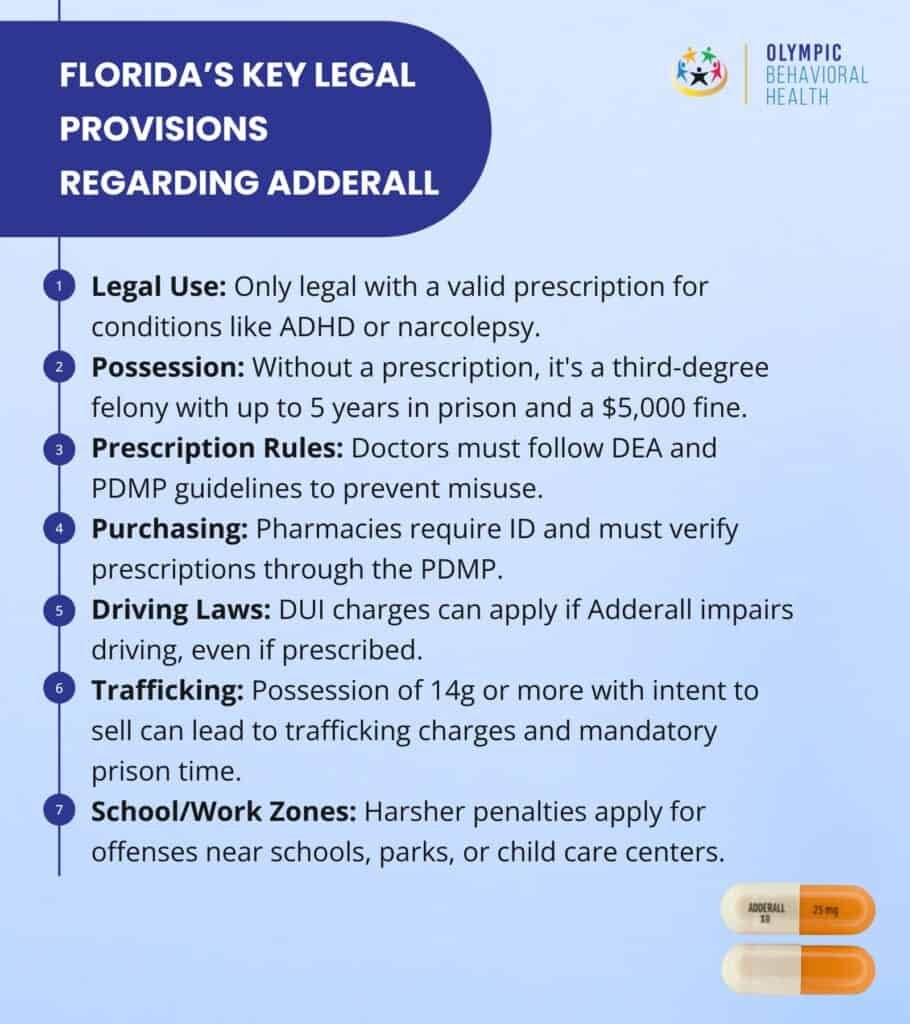
The answer is a resounding no. Possession of Adderall without a valid prescription is illegal in the United States. Under Health and Safety Code 11350 HS, individuals found in possession of Adderall can face serious legal repercussions. The law recognizes Adderall as a controlled substance; therefore, possessing it without authorization places a person at risk for criminal charges, which may range from misdemeanors to felonies, depending on the quantity in possession and the circumstances surrounding the case.
Further complicating matters, individuals caught with Adderall without a prescription may be subject to fines, community service, or even imprisonment. These consequences signify the law’s acknowledgment of potential public health risks associated with illicit use, which include adverse side effects such as cardiac issues, mental health disturbances, and a risk of addiction.
The penalties for unauthorized possession can lead to severe impacts on one’s professional and personal life, including loss of jobs, educational opportunities, and damage to one’s reputation. Hence, understanding the legal ramifications surrounding Adderall is vital for anyone considering using it without a prescription.
What Are the Potential Consequences of Getting Caught with Adderall?
Understanding the consequences of possessing Adderall without a prescription is crucial. If an individual is caught, they could face varying penalties, often dictated by factors such as the amount of the drug in possession and prior criminal history. In some states, possessing small amounts may result in a misdemeanor, while larger quantities could lead to felony charges.
Moreover, beyond criminal penalties, there are also non-legal consequences to consider. Employers may conduct background checks that reveal felony drug offenses, affecting one’s job prospects or promotional opportunities. Educational institutions may impose severe penalties for violations of drug policies, including expulsion or suspension from school.
Moreover, there’s the personal aspect of such a situation, as being charged with a drug offense can lead to significant stress and mental health implications. This is a critical consideration for individuals, particularly adolescents and young adults, who may be tempted to misuse Adderall to enhance cognitive performance.
Is Adderall Addictive? An Exploration of Its Risks
Yes, Adderall is considered addictive, particularly when used without a prescription or not as directed. According to the U.S. Drug Enforcement Administration (DEA), the potential for abuse is significant, leading many individuals to misuse this medication for its stimulant effects. Studies indicate that the misuse of Adderall can lead to increased tolerance and dependency, prompting users to consume higher doses to achieve the same effects.
This addictive nature arises mainly from how Adderall works in the brain. It increases dopamine levels, a neurotransmitter associated with pleasure and reward, which can create a euphoric feeling when misused. Consequently, people may want to continue using the drug to replicate that feeling, leading to a feedback loop of increased use and dependency.
Furthermore, individuals who misuse Adderall may experience withdrawal symptoms if they try to stop, ranging from fatigue, depression, and increased appetite to more severe emotional disturbances. As such, understanding the potential for addiction and taking appropriate measures is essential for those prescribed Adderall.
What Are the Signs of Adderall Misuse?
Identifying Adderall misuse is critical, particularly for friends and family members of individuals prescribed the medication. Signs may include drastic changes in behavior, withdrawal from friends and family, and changes in academic or work performance. Some individuals may also exhibit physical symptoms like increased heart rate, insomnia, and heightened anxiety.
Developing a psychological dependence on Adderall is a significant concern. Individuals may increasingly rely on the medication to perform academically or cope with stress, leading to a potential downward spiral. Mental health professionals warn that early intervention is critical in addressing the misuse and helping an individual understand their reliance on the drug.
A proactive approach, including open dialogue between family members and friends, can help develop recognition and build support for those who may be struggling with misuse. Understanding the potential for such risks can help create an environment in which individuals feel safe discussing their concerns and seeking help.
Is Adderall Legal in Sports?

The legality of Adderall in competitive sports is a subject of debate. Many professional sports leagues, including the National Football League (NFL), Major League Baseball (MLB), and National Basketball Association (NBA), have prohibited its use without a prescription. These organizations consider its stimulant effects to provide an unfair competitive advantage, potentially endangering the integrity of sports competitions.
Given its classification as a performance-enhancing drug, athletes risk suspension or disqualification if found using Adderall without a valid medical exemption. Athletes who legitimately need Adderall for medical reasons must go through a comprehensive process to attain the necessary permissions to use the medication during competition.
The World Anti-Doping Agency (WADA) also lists Adderall as a banned substance, and its presence in an athlete’s system during competition will result in sanctions. The debate regarding its status in sports often raises questions about fairness, health, and the ethics of performance enhancement.
What Should Athletes Know About Using Adderall?
Athletes considering using Adderall must first consult with a healthcare provider to assess their health needs and understand the implications of its use within sports. If an athlete is legitimately prescribed Adderall for ADHD or related conditions, it is critical to ensure proper documentation is in place to avoid potential issues.
Moreover, athletes should educate themselves on the regulations surrounding substances in their respective sports, including any processes required to receive exemptions for medically necessary treatments. Being transparent with sport associations and coaches can help facilitate better understanding and compliance.
Ultimately, the responsibility lies with the athletes to navigate the complexities of using controlled substances while maintaining their health and competitive performance. Understanding the legal and ethical implications of using Adderall in sports is vital for all competitive athletes.
What Are the International Laws Regarding Adderall?
The legal status of Adderall varies widely across different countries. In some nations, especially in Europe and Canada, the drug is also classified as a controlled substance, requiring a prescription for legal use. However, each country has different protocols and restrictions surrounding its prescription and distribution.
For instance, in countries like the United Kingdom, Adderall is available but may be prescribed under stricter guidelines than in the United States. Some nations may not have Adderall approved for treatment, categorizing it differently or restricting its availability entirely.
Traveling with Adderall, especially internationally, requires careful planning and an understanding of local laws. Individuals carrying Adderall must have a valid prescription, and proof of necessity could help mitigate potential legal issues at customs. Failure to comply with local regulations regarding controlled substances can lead to severe penalties, including fines and imprisonment.
What Should International Travelers Know About Adderall?
Traveling internationally with Adderall necessitates thorough preparation. Ensure that you carry your medication within its original pharmacy container, which includes the label with your name, the prescription information, and the doctor’s name. Additionally, it can be beneficial to carry a copy of the prescription and a letter from your physician stating the necessity of the medication.
It’s wise to research the legal status of Adderall in your destination country. Some regions have stricter regulations regarding what medications can be brought in, while others may entirely prohibit it. Being informed about these regulations can prevent unexpected legal complications and ensure that your travels go smoothly.
For frequent travelers, maintaining a supply of necessary medications and being aware of the legal landscape concerning controlled substances can provide peace of mind and minimize stress during your travels.
Adderall and Its Role in Society
The use of Adderall has sparked ethical debates centered around its role in academic performance enhancement. The growing prevalence of Adderall prescriptions indicates a societal shift in how we view mental health and cognitive enhancement. While many individuals have legitimate medical needs for the drug, the misuse among those seeking academic or professional edge raises ethical questions.
The increased accessibility of Adderall has made it more susceptible to abuse, particularly among college students who may pressure each other to perform academically. This reflects broader cultural values associated with achievement, productivity, and competition. As a result, educational institutions face challenges in addressing substance use, integrating mental health support, and promoting healthy coping mechanisms among students.
Moreover, the dialogue surrounding Adderall necessitates a critical evaluation of mental health services and how society supports individuals requiring assistance. Advocates for mental health awareness argue for improved education on the nuances of stimulant medications, emphasizing the importance of responsible use and recognizing the risks associated with misuse.
How Can Society Address Misuse of Adderall?
Addressing Adderall misuse within society requires comprehensive strategies that emphasize education, prevention, and support. Educational programs in schools and universities can shed light on the drug’s risks, promoting healthy lifestyles that do not rely on stimulant medications. Initiatives focusing on mindfulness, stress management, and time management can empower students to navigate academic pressures without turning to drugs.
Additionally, improving access to mental health resources enables individuals to seek help and understand their relationship with medications like Adderall. Such resources should aim to decrease stigma around mental health issues and encourage open discussions regarding substance use amongst peers.
Ultimately, fostering an environment that values mental well-being and healthy competition is essential in curbing misuse. A coordinated effort between educational institutions, healthcare providers, and policymakers is necessary to create lasting change in addressing the complexities surrounding Adderall and its use in society.
Frequently Asked Questions (FAQ)
Is Adderall an Opioid?
No, Adderall is not an opioid. It is classified as a stimulant medication primarily used to treat ADHD and narcolepsy. Opioids, on the other hand, are a class of drugs that are used to manage pain and work differently in the brain. While both Adderall and opioids may be subject to misuse, they belong to entirely different categories with distinct pharmacological effects.
Can I Buy Adderall Online Legally?
Purchasing Adderall online without a prescription is illegal. Legitimate online pharmacies require a prescription from a licensed healthcare provider. Be cautious of illegal websites that offer Adderall without a prescription; purchasing from such sources is risky and can lead to legal issues and health hazards from counterfeit drugs.
What Does Adderall Do to the Brain?
Adderall enhances the levels of neurotransmitters such as dopamine and norepinephrine in the brain, which can improve focus, increase alertness, and decrease impulsiveness. However, misuse can lead to harmful side effects, including anxiety, increased heart rate, and potential addiction.
Is It Possible to Get a Prescription for Adderall as an Adult?
Yes, adults can obtain a prescription for Adderall if they have a legitimate medical condition such as ADHD or narcolepsy. A comprehensive evaluation by a healthcare provider is essential to diagnose the condition and determine appropriate treatment options.
How Long Does Adderall Stay in Your System?
Adderall can typically be detected in urine for 1 to 3 days after use. However, factors such as metabolism, dosage, and frequency of use can influence detection times. Blood and saliva tests may also be used, with varying detection windows. Consult a healthcare professional for personalized information.
Is There an Alternative to Adderall?
Yes, alternatives to Adderall exist, including other prescription medications such as Ritalin (methylphenidate) and non-stimulant medications like Strattera (atomoxetine). Behavioral therapies and lifestyle modifications can also effectively manage symptoms of ADHD. Discussing options with a healthcare provider is essential in finding the most suitable treatment.
Conclusion: Navigating the Legal Landscape of Adderall
Adderall remains a contentious topic within both public health and legal frameworks. As a **Schedule II controlled substance**, its legal implications are stringent, especially regarding possession and use without a prescription. Misunderstandings about its legality can lead to significant consequences, underscoring the importance of education around its use.
The dependence on Adderall in academic and professional settings raises ethical questions about society’s pressure to perform and the risks associated with substance use. Addressing these issues through targeted education, mental health resources, and open conversations can create a more informed public, ultimately promoting healthier coping strategies.
Understanding the complexities surrounding Adderall, its legal status, and its implications is essential for users, healthcare providers, and society. As individuals navigate its legal landscape, it is crucial to prioritize health, safety, and responsible use, paving the way for a healthier relationship with stimulant medications.
