🏠 Stay at home! 25% discount on all medicines


Is Adderall Addictive? Understanding the Risks and Realities

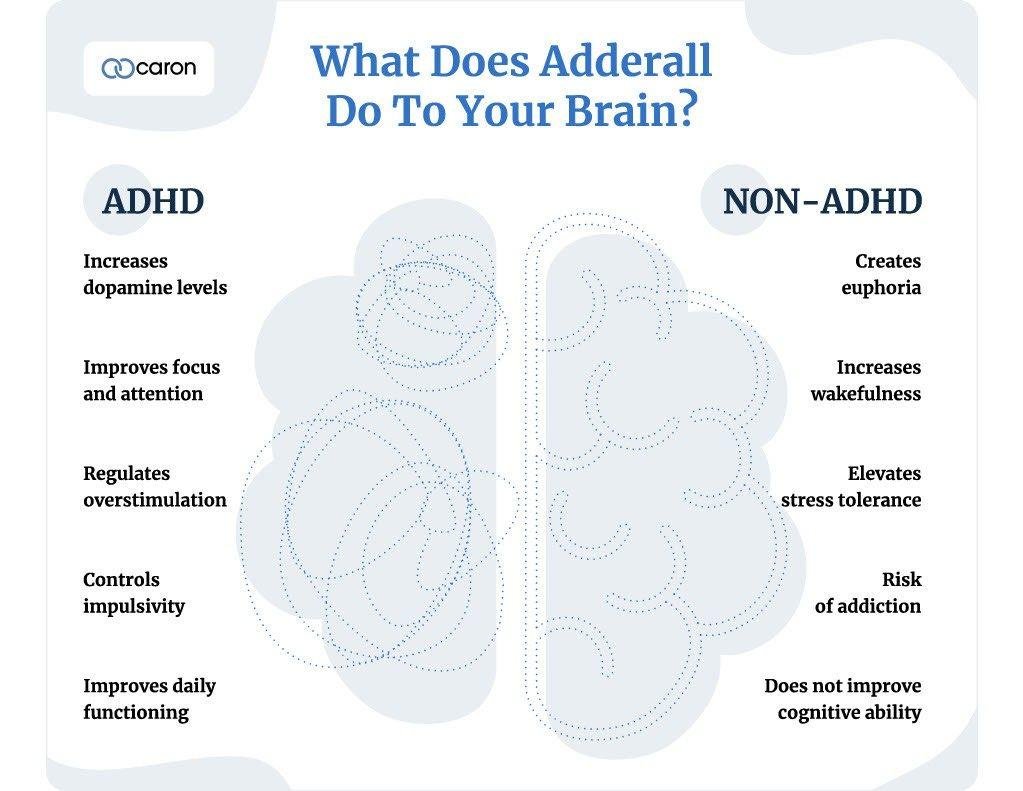
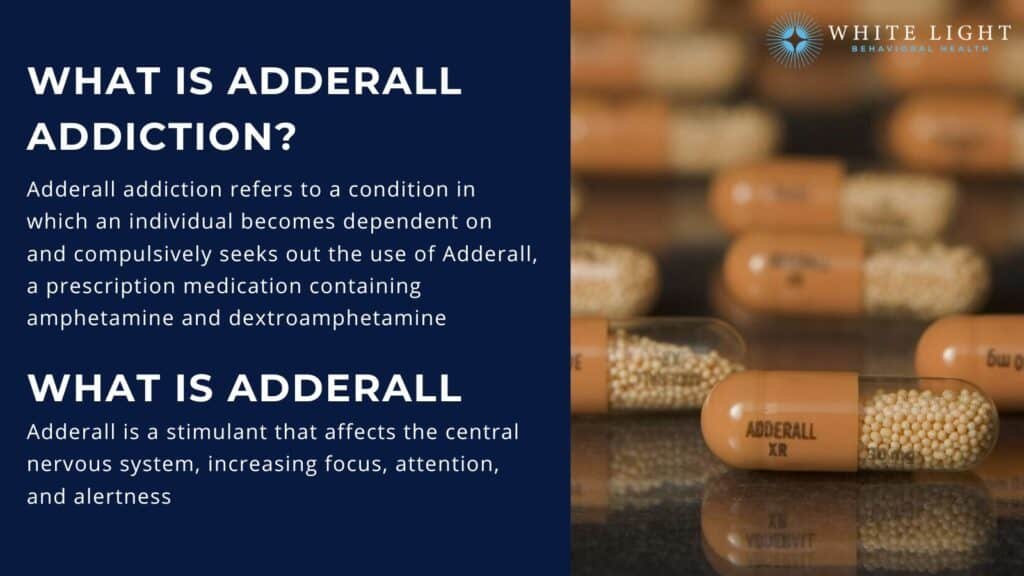
Adderall is a widely prescribed stimulant medication primarily used to treat Attention Deficit Hyperactivity Disorder (ADHD). However, despite its therapeutic benefits, there is growing concern about its potential for addiction. A study from the National Institute on Drug Abuse (NIDA) highlights that amphetamines, including Adderall, can lead to addiction when abused. In fact, the misuse of prescription stimulants is rising, particularly among young adults and teenagers, often leading to serious health consequences. Understanding whether Adderall is addictive is crucial for users, caregivers, and medical professionals.
Research indicates that stimulant medications can result in tolerance and physiological dependence in some users, which can develop into addiction over time. Adderall addiction shares similarities with other substance dependencies, making awareness and education vital for prevention. This article delves into the complexities of Adderall addiction, exploring its signs, the risks associated with misuse, and potential treatment options.
If you, a friend, or a loved one is considering the use of Adderall, particularly recreationally or without a prescription, it is essential to be informed about the risks. Additionally, acknowledging the balance between therapeutic use in those diagnosed with ADHD versus the potential for misuse in individuals without a medical need is imperative to understanding the full scope of this issue.
Understanding the Nature of Adderall Addiction
Adderall is a combination of amphetamine and dextroamphetamine, both of which are classified as central nervous system stimulants. These compounds enhance the levels of certain neurotransmitters in the brain, promoting improved focus and reduced impulsivity in individuals with ADHD. However, when used outside of a legitimate medical framework, the effects of Adderall can be vastly different.
Many individuals misuse Adderall to experience enhanced concentration, energy, or even as a means of weight loss. This recreational use significantly increases the risk of developing an addiction. Studies show that individuals who do not have a need for the medication often use it in higher doses than prescribed, leading to an increased potential for negative side effects and dependencies. The subjective experience of heightened alertness or euphoria can create a cycle where users continually seek to replicate this feeling, leading to higher consumption.
The physiological brain changes caused by Adderall can be akin to those seen with illegal drugs, such as cocaine. Long-term use can lead to altered dopamine pathways, which may reinforce the addictive behaviors associated with the drug. For individuals genetically predisposed to addiction or those with existing psychological conditions, the likelihood of developing an addiction can be heightened significantly.
Signs of Adderall Addiction: How to Recognize the Warning Signs
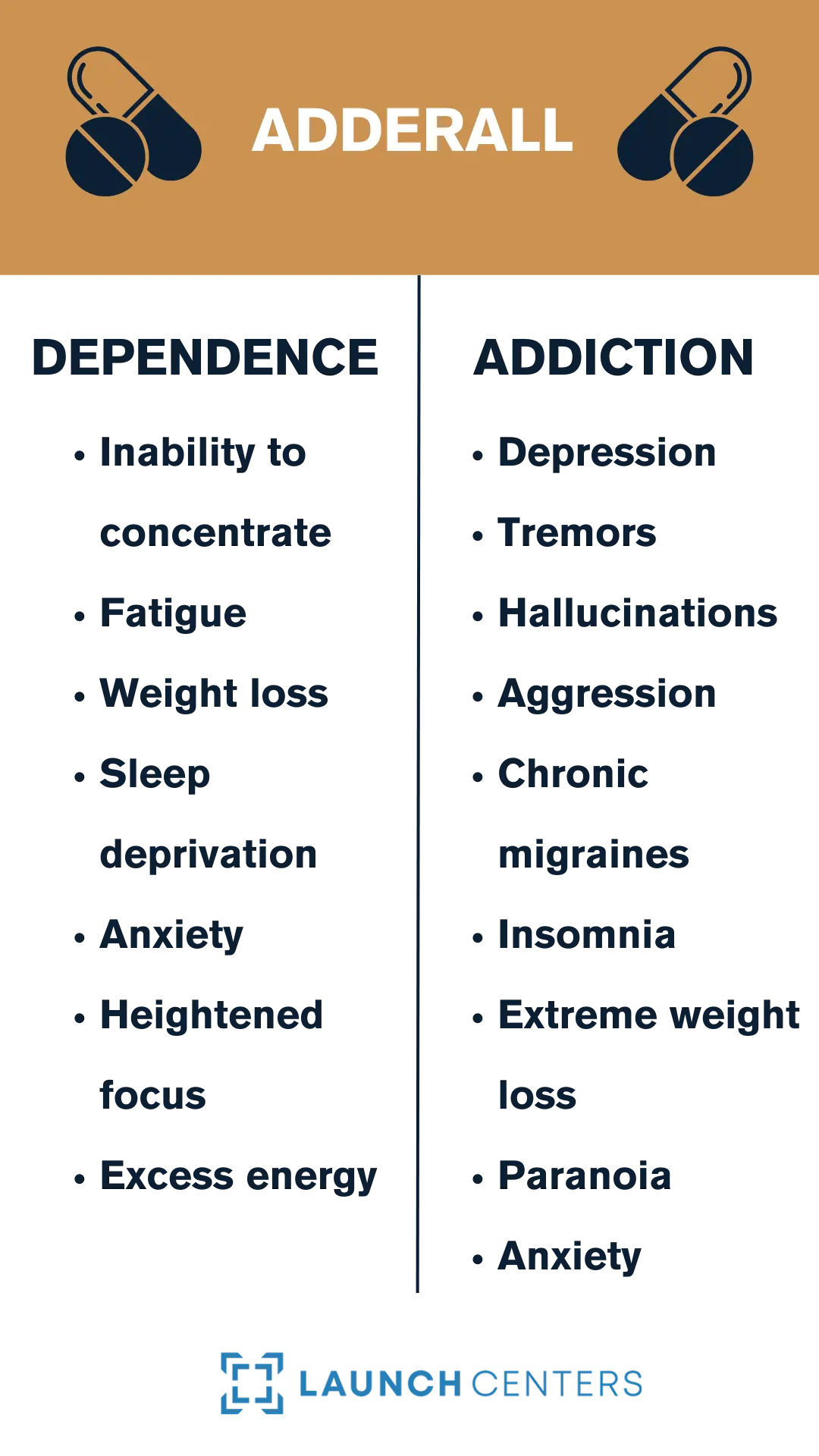
Recognizing the signs of Adderall addiction can be challenging, particularly because many of the symptoms may initially appear as beneficial effects of the medication. However, the line between therapeutic use and addiction can be blurred. Here are some common indicators:
What Behavioral Changes Should You Look For?
People struggling with Adderall addiction may exhibit significant changes in behavior. These can range from increased irritability and mood swings to withdrawal from social activities that previously mattered to them. A noticeable decline in work or academic performance might also be evident, as the user becomes increasingly consumed by obtaining and using the drug.
Physical Symptoms of Dependence
Physical signs of Adderall addiction can include insomnia, loss of appetite, rapid weight loss, and increased heart rate. Some users may also experience heightened anxiety, paranoia, or delusions when the drug’s effects wear off. These physical symptoms might be more apparent to family and friends and can lead to crucial interventions.
Changes in Relationships and Social Circles
Individuals caught in the cycle of addiction often find their personal relationships strained. They may prioritize obtaining and using Adderall over previous interests, friends, or responsibilities. This shift can lead to isolation and loneliness, compounding the psychological issues that often accompany addiction.
Is Adderall Addictive for Kids and Teens?
The misuse of Adderall is especially concerning among adolescents, who may view the medication as a means to enhance academic performance or productivity. In fact, studies have shown that teenagers are among the fastest-growing groups misusing prescription stimulants.
In younger populations, the risk of addiction can be compounded by the fact that their brains are still developing. The impulsivity and risk-taking behavior common in adolescence can lead to increased experimentation with drugs, including Adderall, which can lead to a higher probability of addiction.
What Risks Do Teens Face with Misuse?
Teens who misuse Adderall often seek the stimulant’s ability to enhance focus, energy, and performance, particularly in academic settings. However, the dangers include not just potential addiction but also mental health issues, such as anxiety disorders or exacerbated ADHD symptoms. As stimulant medications alter brain chemistry, they can lead to longer-term mental health challenges.
How Can Parents Recognize Signs of Misuse?
For parents, spotting signs of Adderall misuse in their children can be crucial. Changes in behavior, academic performance, and peer relationships are significant indicators. Open communication and education about the dangers of misuse and the realities of addiction are essential for prevention.
What Are Effective Strategies for Prevention?
Preventive strategies may include discussing the importance of only using medication as prescribed, fostering trust where children feel comfortable discussing their challenges, and emphasizing healthy coping mechanisms for academic pressure. Engaging in open dialogue can significantly reduce the stigma associated with seeking help.
Adderall Dependence vs. Addiction: Understanding the Difference
When discussing Adderall, it is imperative to differentiate between dependence and addiction. Dependence refers to the body’s adaptation to a drug, leading to tolerance and withdrawal symptoms if the medication is ceased. Conversely, addiction encompasses compulsive drug-seeking behavior, resulting in harmful consequences despite the awareness of those consequences.
What Does Dependence Look Like?
Dependence may occur in individuals who use Adderall as prescribed, particularly in chronic users. They might find that the drug no longer produces the same effect as it once did, reflecting the body’s growing tolerance. Some symptoms of dependence can include fatigue, mood shifts, or anxiety when not on the medication.
Can You Be Addicted Even If You Need It for ADHD?
Yes, individuals diagnosed with ADHD can still develop an addiction to Adderall, even when it is taken as prescribed. The risk increases when doses are modified without medical guidance, highlighting the importance of adhering to the prescribed regimen set by healthcare professionals. Users should consult their healthcare provider about any concerns regarding their dosage or side effects.
How Are Dependence and Addiction Treated Differently?
Treatment for dependence may involve a gradual tapering of the medication under medical supervision, while treatment for addiction usually requires a more comprehensive and multi-faceted approach, including therapy, counseling, and support groups. Understanding these differences is essential for tailored interventions and support that caters to each individual’s needs.
The Effects of Continued Adderall Use: What to Expect
Individuals who continue to misuse Adderall or take it inappropriately can experience various physical and mental health effects. The immediate experience might mimic a feeling of increased productivity or alertness; however, these short-term benefits are often accompanied by negative long-term consequences.
What Physical Consequences Can Arise?
Long-term Adderall use can lead to cardiovascular issues such as elevated blood pressure, heart palpitations, and increased risk of heart attack. Additionally, users might experience significant mental health challenges. Various studies connect chronic stimulant use to anxiety disorders, increased aggression, paranoia, and depression.
What Are the Psychological Implications?
Psychologically, users may experience feelings of dependence and anxiety, leading to a difficult cycle that reinforces their usage. This includes the overwhelming compulsion to possess and consume the drug, despite its adverse effects on their mental health and overall well-being.
Can Long-Term Use Result in Cognitive Impairment?
Long-term abuse of Adderall has been shown to potentially impair cognitive functions, including memory, decision-making processes, and impulse control. Individuals may find it increasingly difficult to function without the medication, creating reliance that goes beyond physical dependence.
Treatment Options for Adderall Addiction
Addressing Adderall addiction is a complex journey that often requires professional intervention and support. Treatment usually involves multiple facets tailored to address the specific needs of the individual. Recognizing the need for help is the first step towards recovery.
What Should You Expect in Treatment?
Typical treatment for Adderall addiction involves a combination of behavioral therapy, counseling, medication management, and peer support. Behavioral therapies focus on identifying triggers for addiction and developing coping strategies to handle cravings and pressure to use.
Are There Effective Support Groups?
Support groups such as SMART Recovery and NA (Narcotics Anonymous) offer community-based approaches that emphasize shared experiences and recovery strategies. Participating in these groups can provide emotional support and accountability, reinforcing the recovery process.
Can Medical Professional Intervention Help?
Consultation with healthcare professionals can help identify underlying conditions that may contribute to dependency or addiction, such as anxiety or depression. A doctor may prescribe alternative medications or recommend changes in treatment plans for ADHD, allowing for safer symptom management without the risk of addiction.
FAQs about Adderall Addiction
Can You Get Addicted to Adderall If You Have ADHD?
Yes, even individuals with ADHD can develop an addiction to Adderall if used outside the prescribed guidelines. It is critical to adhere to the healthcare provider’s recommendations and be vigilant about any signs of misuse.
What Are Some Signs of Adderall Misuse?
Signs of misuse can include changes in sleep patterns, increased anxiety, stress, or irritability, withdrawal from everyday activities, or obsessive behavior related to acquiring the medication.
Is Adderall Only Addictive Without a Prescription?
While misuse is predominantly linked to non-prescription use, dependence can develop for individuals taking the medication as prescribed if not monitored appropriately. Regular consultations with a healthcare provider are essential.
What Are the Psychological Effects of Adderall Addiction?
Psychological effects can include anxiety, paranoia, irritability, and depression. Users may also face cognitive impairment or difficulty focusing without the drug, heightening the dependence cycle.
What Treatment Resources Are Available for Adderall Addiction?
Treatment resources include outpatient and inpatient rehabilitation programs, support groups such as NA, and therapy focused on cognitive behavioral techniques. Seeking professional guidance is crucial for developing a personalized recovery plan.
Is it Possible to Recover Completely from Adderall Addiction?
Yes, recovery is entirely possible with the right support, treatment options, and lifestyle changes. Many individuals successfully manage their addiction, developing healthier coping mechanisms and strategies for functioning effectively without reliance on Adderall.
Conclusion: The Importance of Responsible Use and Treatment
Adderall exhibits a meaningful potential for addiction, particularly when misused. For individuals with ADHD, when taken as prescribed, its benefits often outweigh the risks. However, the misuse of this medication can lead to severe consequences, impacting both physical health and mental well-being.
Recognizing the signs of addiction and understanding the differences between dependence and addiction are key factors in addressing the issue effectively. Comprehensive treatment strategies exist to assist those impacted by Adderall misuse, highlighting that recovery is within reach for individuals willing to seek help.
Ultimately, fostering open conversations about the risks associated with misuse and educating individuals about the signs of dependence can significantly contribute to prevention and intervention efforts. If you or someone you know is struggling with Adderall addiction, reaching out to a healthcare professional is the first step towards reclaiming a healthy and fulfilling life.
