🏠 Stay at home! 25% discount on all medicines


Is Adderall a Stimulant or Amphetamine? Understanding the Details

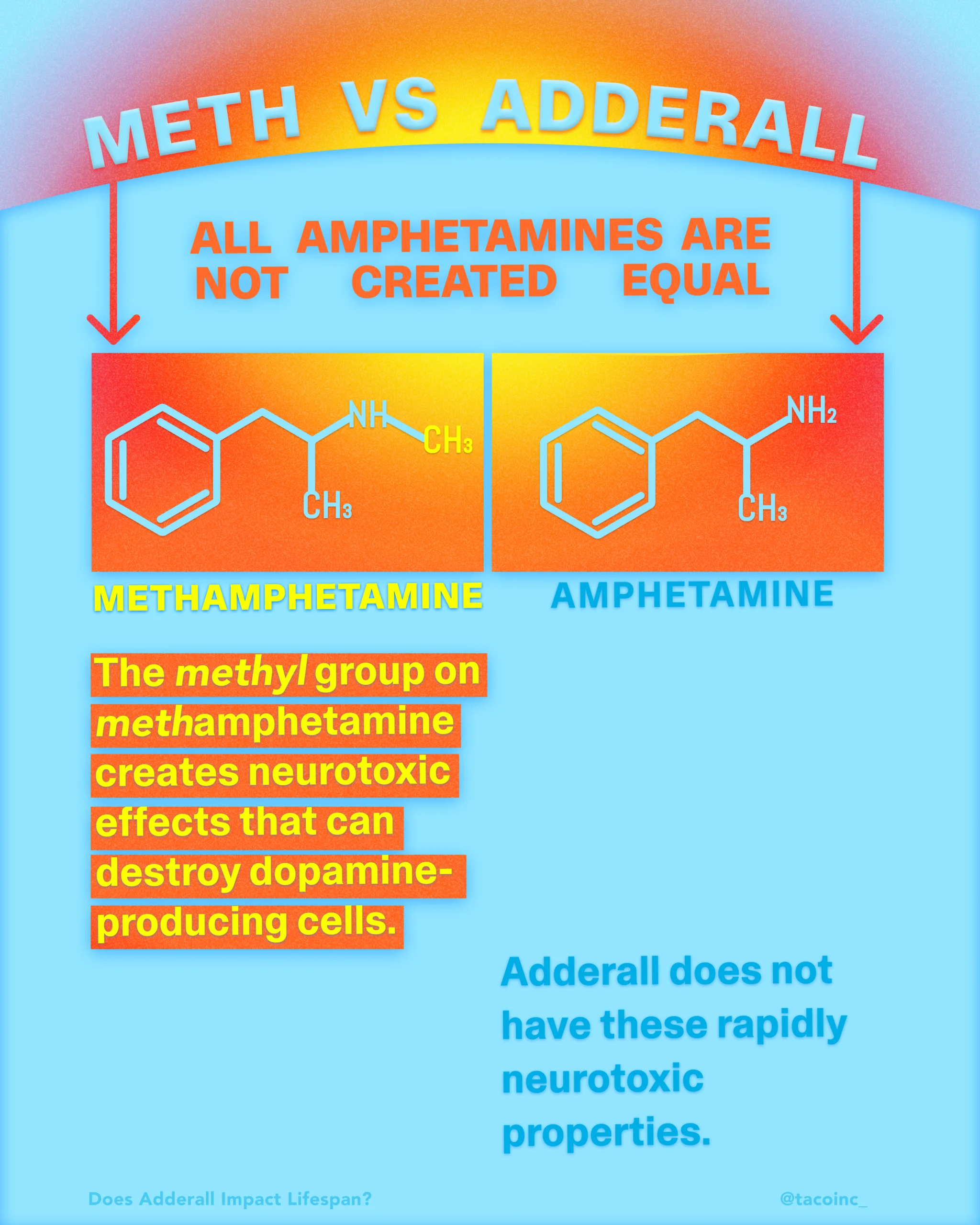
Adderall, a prescription medication primarily used to treat attention deficit hyperactivity disorder (ADHD) and narcolepsy, has long been the subject of discussion and debate regarding its classification. A bold assertion is that this powerful drug acts as both a stimulant and an amphetamine, but how do these classifications intertwine? In a world increasingly filled with information overload and distractions, understanding what Adderall does, the mechanisms behind it, and its potential impacts on users is crucial.
In recent years, the use of Adderall has skyrocketed, especially among college students and professionals seeking to enhance their focus and productivity. This trend, however, invites scrutiny into the drug’s addictive potential, its short- and long-term effects on health, and its overall classification. The aim of this article is to clarify whether Adderall is strictly a stimulant, an amphetamine, or both, while also exploring its effects, risks, benefits, and the broader implications of its use.
As we dive deeper into the world of Adderall, we will analyze its chemical structure, side effects, and how it compares to other related medications. This comprehensive exploration will shed light on a topic that directly affects millions, empowering readers to make informed decisions regarding their health and well-being.
What is Adderall? A Brief Overview
Adderall is marketed as a prescription medication that combines two central nervous system (CNS) stimulants: amphetamine and dextroamphetamine. This combination creates a powerful effect that helps increase attention span and reduce impulsivity among those diagnosed with ADHD. The drug works by increasing the levels of certain neurotransmitters—primarily dopamine and norepinephrine—in the brain, which are essential for regulating mood, attention, and focus.
FDA-approved in 1996, Adderall has since gained popularity for its effectiveness in managing ADHD symptoms. It is classified as a Schedule II controlled substance, meaning it has a high potential for abuse and can lead to severe psychological or physical dependence. It is important to note that Adderall is available in various forms, including immediate-release and extended-release formulations to accommodate the different needs of patients.
The medication’s effects are typically felt within 30 minutes to an hour after ingestion, peaking around two to three hours after taking it. The extended-release versions allow for a gradual release of the drug, providing prolonged effects that can last anywhere from eight to twelve hours. Understanding these pharmacokinetics is essential for evaluating both the benefits and potential risks associated with Adderall use.
Is Adderall a Stimulant?
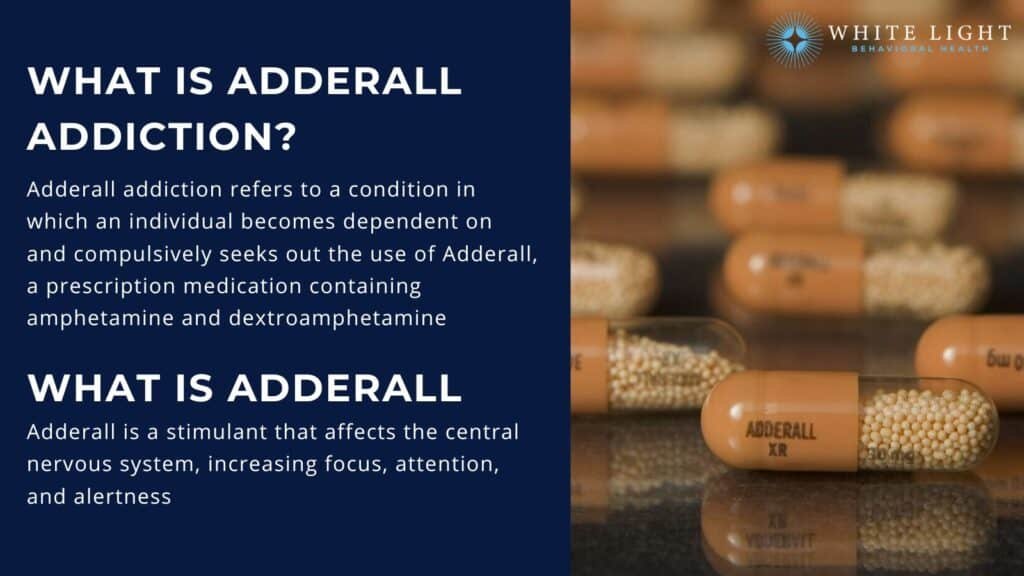
To address whether Adderall is a stimulant, one must first define what a stimulant is. Stimulants are substances that increase the activity of the brain and central nervous system. They accelerate various bodily functions and can produce increased alertness, heightened energy levels, and even improved mood. Common examples of stimulant medications include caffeine, nicotine, and various prescription medications used to treat ADHD.
Since Adderall elevates the levels of neurotransmitters in the brain, it fits the definition of a stimulant. Studies show that stimulants can enhance cognitive performance, particularly in individuals suffering from ADHD. Users often report increased focus, faster reaction times, and improved task completion rates when taking Adderall. Given these effects, it is clear that Adderall functions as a stimulant.
Moreover, the stimulant effect occurs through the drug’s influence on the dopamine and norepinephrine pathways in the brain. Dopamine is associated with pleasure, reward, and motivation, while norepinephrine is linked to the body’s ‘fight or flight’ response. By increasing the availability of both neurotransmitters, Adderall awakens the brain, leading to enhanced focus and attention.
How Do Stimulants Affect the Body?
Taking stimulants impacts the body in various ways. The effects can include increased heart rate, elevated blood pressure, and improved respiratory function. These responses are a part of the body’s natural reaction to heightened alertness. Many users initially experience a sense of euphoria, heightened awareness, and increased concentration, making stimulants like Adderall popular among those seeking to enhance performance.
However, while short-term effects can seem beneficial, long-term stimulant use carries risks. Overuse can lead to restlessness, anxiety, or insomnia. Because stimulants often create a euphoric sensation, users may find themselves chasing this feeling, leading to potential dependency.
Furthermore, the adverse physiological effects may result in sleep disturbances and increased appetite suppression, leading to improper weight management. As with any drug, the balance between benefits and risks must be assessed when considering stimulant medication.
Understanding Amphetamines: A Closer Look at Adderall’s Composition
Amphetamines are a class of potent CNS stimulants known to enhance alertness and concentration. Adderall’s active ingredients, amphetamine and dextroamphetamine, belong to this class. The drug’s composition, specifically its mixed amphetamine salts formulation, optimizes the therapeutic effect while attempting to minimize potential side effects.
The combination of these two components helps achieve a more balanced stimulation of neurotransmitters, facilitating improved focus and reduced hyperactivity without the more intense highs or lows associated solely with one component. This method provides a more sustained and steady effect, somewhat mitigating the potential for abuse and addiction.
While both components have proven effective when used appropriately, understanding their mechanisms highlights why Adderall is classified as an amphetamine. The classification arises from its chemical structure and its capacity to stimulate the CNS significantly.
What Does Adderall Do to a Normal Person?
For individuals diagnosed with ADHD, Adderall helps mitigate symptoms such as inattention, impulsivity, and hyperactivity. However, the effects on individuals without ADHD can be far different. Research indicates that in people without attention disorders, the drug can induce heightened alertness, increased energy, and improved mood.
Some individuals may misuse Adderall recreationally, seeking performance enhancement for studying or professional tasks. In such cases, users often report improved concentration, enhanced cognitive performance, and increased productivity. However, these perceived benefits are accompanied by risks; increased heart rate, elevated anxiety levels, and potential emotional swings can detract from the intended positive effects.
Long-term use of Adderall, especially among those without ADHD, raises concerns about dependency and addiction. Abuse can lead to adverse side effects like cardiovascular issues and significant mental health challenges, including anxiety, depression, or panic attacks.
Adderall Side Effects and Risks
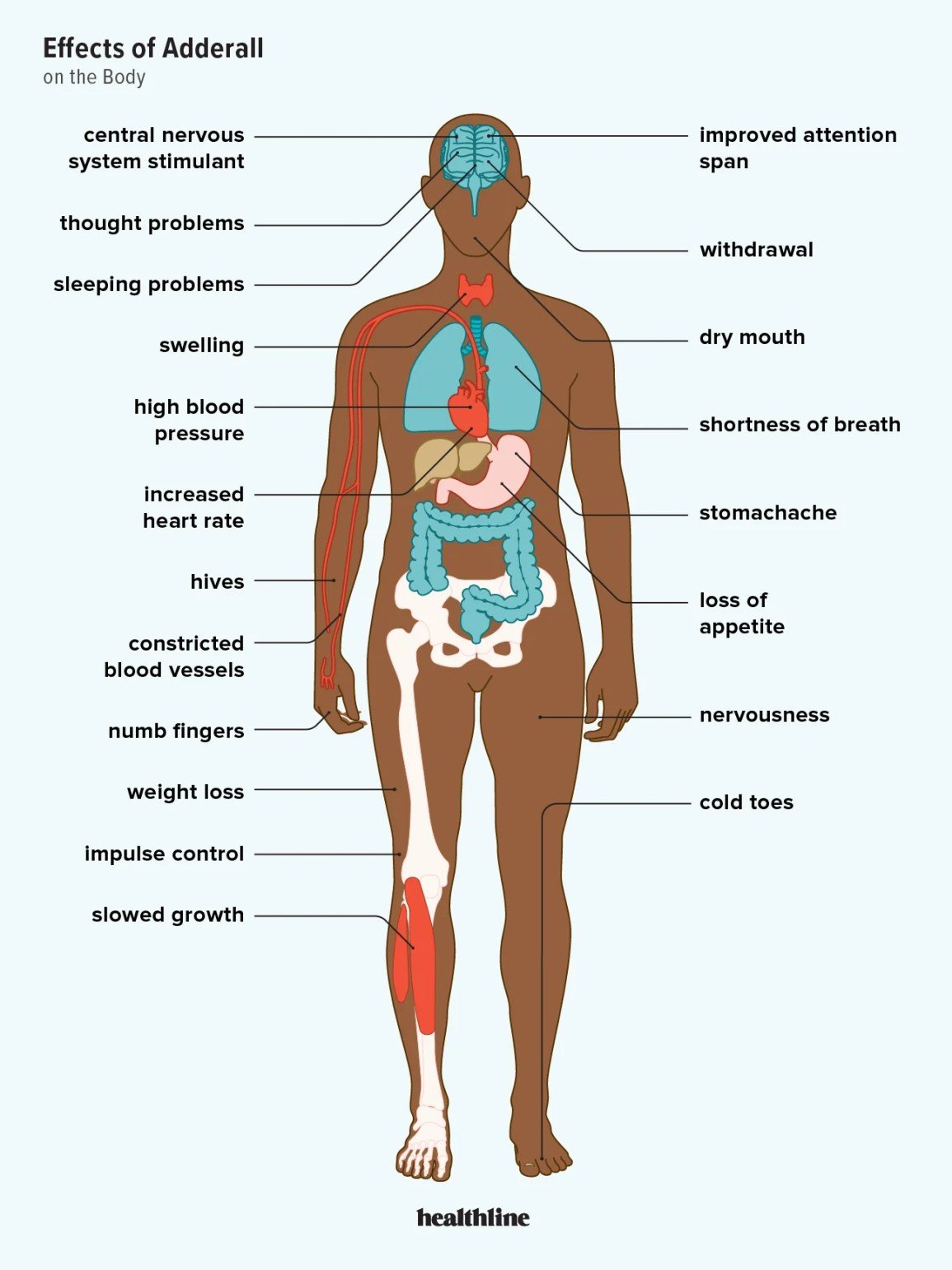
Despite its effectiveness in treating ADHD, Adderall is not without its risks and side effects. Common side effects experienced by users include insomnia, dry mouth, increased heart rate, and elevated blood pressure. These effects can be distressing and may deter some individuals from continuing medication.
Long-term use of Adderall raises additional health concerns. Chronic stimulant use can lead to more severe issues such as heart problems, anxiety disorders, and even dependencies. In addition, some users may experience stimulant-induced psychosis, hallucinations, or aggressive behavior. A comprehensive understanding of these risks is crucial for those considering or currently using Adderall.
Additionally, the potential for abuse creates a noteworthy concern. Users seeking recreational highs may misuse prescription drugs, leading to serious health consequences. This potential for dependence and addiction is compounded by the drug’s Schedule II designation, highlighting its classification as having a high potential for abuse.
Is Adderall an Opioid?
While Adderall can lead to dependency and misuse, it is important to clarify that it is not classified as an opioid. Opioids are a different class of drugs typically used for pain management and include substances like morphine, oxycodone, and heroin. Unlike opioids, which primarily act on opioid receptors in the brain to alleviate pain, Adderall functions as a stimulant affecting dopamine and norepinephrine levels.
Understanding the differences between these two classes is critical. Opioids can lead to respiratory depression, overdose, and a completely different set of withdrawal symptoms compared to stimulant withdrawal. Recognizing these distinctions helps clarify the risks associated with Adderall while addressing the specific dangers and effects of opioid misuse.
It is worth noting that both opioids and stimulants can be misused and may lead to addiction; however, their mechanisms of action, intended use, and medical implications vary greatly.
Adderall and the Brain: How It Works
Understanding how Adderall works within the brain is crucial for comprehending its classification as a stimulant and amphetamine. Both amphetamine and dextroamphetamine function by increasing the release of dopamine and norepinephrine within the synaptic cleft, thereby enhancing synaptic transmission and improving signal fidelity in the CNS.
This change in neuronal signaling translates directly to improved attention and cognitive performance. Individuals with ADHD have been shown to have irregularities in dopamine signaling; thus, Adderall helps correct this imbalance, leading to modifications in behavior and enhanced focus.
Moreover, research indicates that Adderall’s stimulant properties can also affect regions of the brain associated with reward and motivation. This is substantiated by reports of improved mood and increases in motivation, which can be particularly beneficial for those struggling to manage ADHD symptoms. However, these same properties raise concerns around potential misuse and addiction among those without diagnosed disorders.
Comparing Adderall with Other Stimulants
Adderall is not the only stimulant medication prescribed for ADHD. Other options include methylphenidate derivatives, such as Ritalin and Concerta. Both types foster similar effects in treating ADHD but operate through slightly different mechanisms and may have different side effect profiles. For instance, while Adderall increases dopamine and norepinephrine levels through the release of neurotransmitters, methylphenidate inhibits the reuptake of these neurotransmitters.
Comparing the effectiveness of these medications is essential for healthcare professionals and patients alike. Some patients may respond better to one class of medication over another. Furthermore, tolerance can develop to these medications when taken over time, necessitating adjustments in dosage or switching to alternative medications.
It is crucial for individuals to work collaboratively with healthcare professionals to monitor their responses to these medications and make informed decisions on their treatment pathways.
The Stigma Surrounding Adderall Use
The growing use of Adderall among university students and young professionals raises societal concerns about misuse and the stigma associated with stimulant medications. Many users engage in off-label use, taking the medication to enhance cognitive performance rather than for legitimate medical purposes. This typically results in mixed narratives surrounding the efficacy, risks, and repercussions of Adderall’s non-prescribed use.
Addressing the stigma surrounding the use of Adderall involves increased education on ADHD, neurodiversity, and mental health awareness. Society must recognize that for individuals diagnosed with ADHD, Adderall is a therapeutic tool that can significantly improve quality of life and functionality. On the other hand, recognizing the delicate balance of its use among individuals without a diagnosis is equally important.
Policies and regulations around prescription medications must evolve alongside societal attitudes. Legitimizing the conversation regarding ADHD and medication can facilitate greater understanding and address the concerns associated with the potential misuse of Adderall.
Frequently Asked Questions about Adderall
What is the generic name for Adderall?
The generic name for Adderall is the mixed amphetamine salts formulation. This formulation consists of equal parts of amphetamine and dextroamphetamine, which are both stimulants classified under the schedule II category of controlled substances.
Does Adderall make you high?
Adderall can produce feelings of euphoria or heightened energy, especially in individuals without ADHD, which may be misconstrued as a “high.” However, for individuals with ADHD, Adderall helps improve focus without causing euphoric sensations. The difference in experiences largely rests on whether the individual has an attention disorder.
Is Adderall safe for long-term use?
While many patients successfully manage their ADHD symptoms with long-term Adderall use, there are potential risks, such as increased dependency and adverse effects on cardiovascular health. Regular check-ups with healthcare providers are important to monitor patients’ responses and adjust dosages when necessary to minimize risks.
What are the side effects of Adderall?
Common side effects of Adderall include anxiety, dry mouth, loss of appetite, insomnia, and increased heart rate. Some people may also experience mood swings and irritability. Recognizing and discussing side effects with healthcare providers ensures that patients can make informed decisions regarding their treatment options.
How should Adderall be taken for maximum effectiveness?
Adderall is typically prescribed to be taken once or twice daily, with or without food. Taking the medication consistently and appropriately as prescribed maximizes its effectiveness. Patients should discuss any potential interactions with other medications or lifestyle factors with their healthcare providers to enhance therapeutic outcomes.
Understanding the Future of Adderall and Stimulant Medications
The discussion surrounding Adderall is emblematic of broader conversations regarding mental health treatment, medication use, and societal expectations of performance. As the stigma surrounding ADHD and stimulant medications continues to evolve, there is potential for a reevaluation of current treatment modalities and practices.
Furthermore, research into alternative treatments, therapies, and technologies to manage ADHD effectively offers hope for the future. As professionals in healthcare continue to expand their understanding of neurodiversity, there may be a shift in the emphasis on non-pharmacological interventions that can complement or even replace traditional stimulant medications.
This ongoing dialogue is essential for advancing mental health treatment and ensuring that individuals have access to the best options available for their unique needs.
Conclusion: Summarizing Key Insights about Adderall
Adderall is a complex medication that plays a crucial role in managing ADHD and related disorders. Understanding its dual classification as both a stimulant and an amphetamine highlights its effects on the central nervous system and the brain. While the medication has proven effective in treating symptoms of ADHD, the potential for abuse and addiction raises important considerations for its use.
The ongoing conversation about Adderall reflects broader societal attitudes toward prescription medications and mental health. As awareness increases, it is vital for individuals to have access to accurate information regarding medication use, risks, and alternative therapies to promote better mental health outcomes.
In an era where cognitive enhancement is often commodified, the emphasis on understanding mental health disorders and treatments becomes imperative. By demystifying medications like Adderall, society can strive toward compassionate, informed discussions that promote education, understanding, and the well-being of those affected by neurodiversity.
