🏠 Stay at home! 25% discount on all medicines


Is Adderall a Stimulant or Amphetamine? Understanding the Facts and Myths

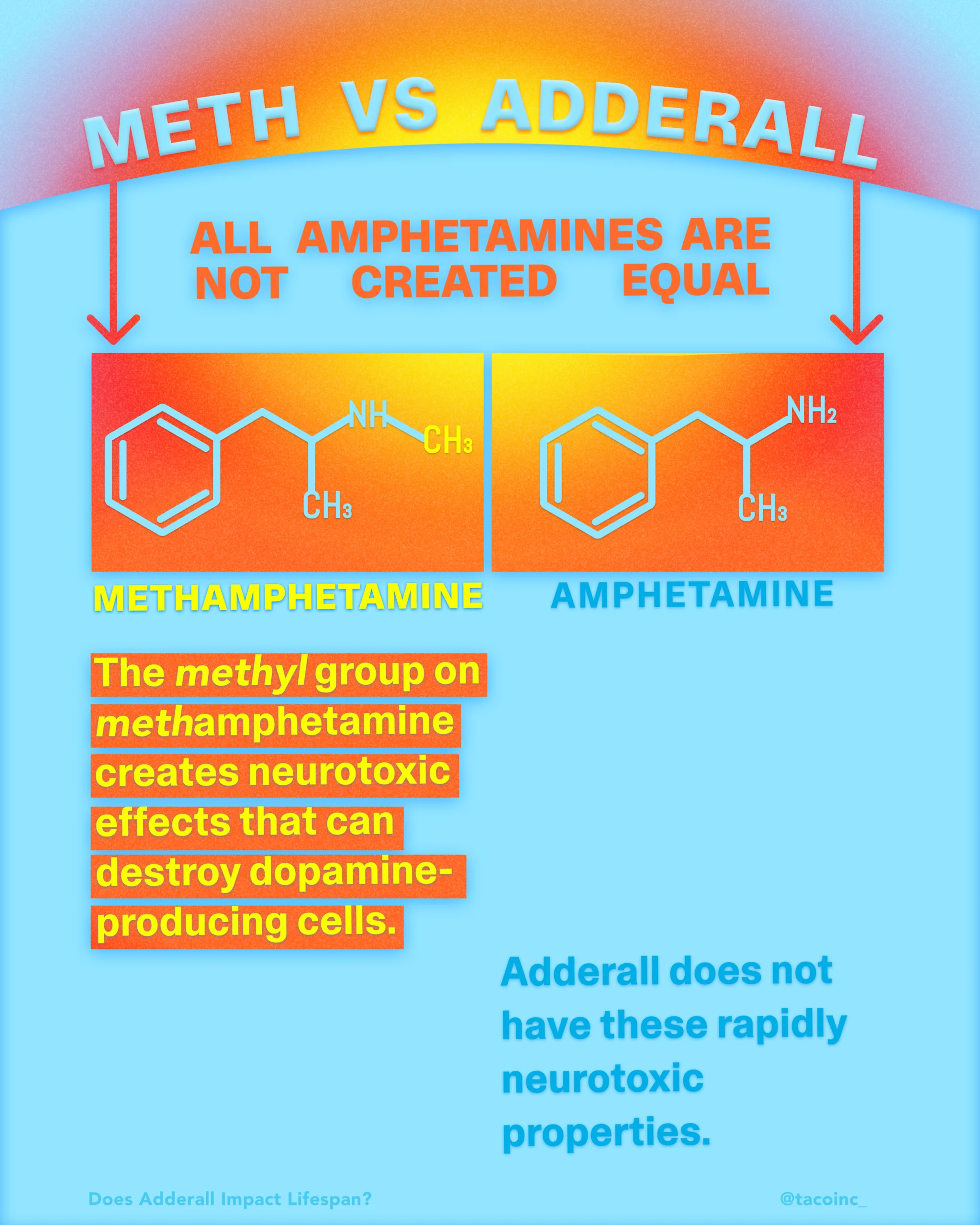
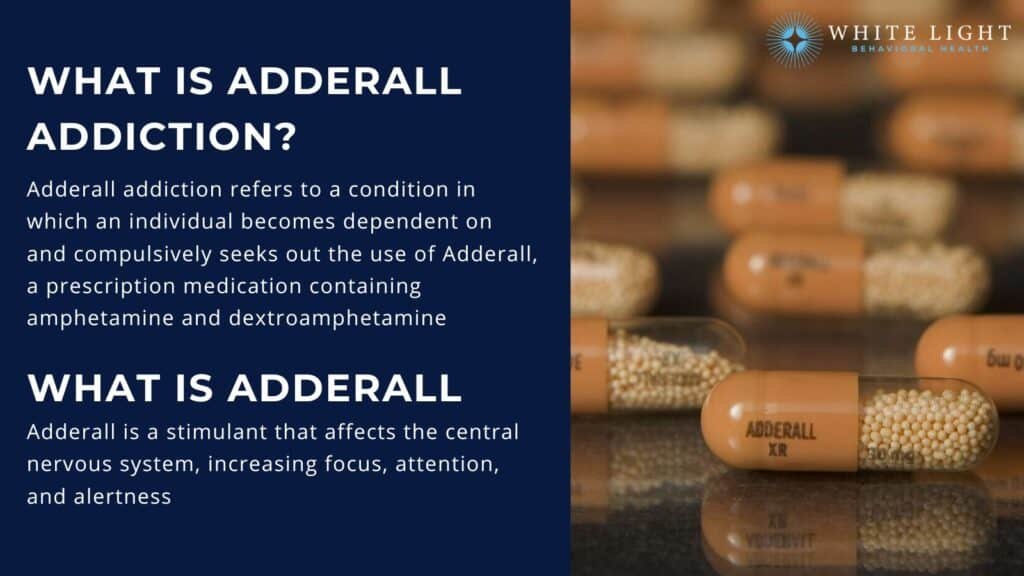
Adderall, a prescription medication frequently used for Attention Deficit Hyperactivity Disorder (ADHD) and narcolepsy, elicits both curiosity and concern due to its significant effects on the body’s central nervous system (CNS). A commonly discussed aspect of this medication is its classification. Is Adderall classified merely as a stimulant, or is it more accurately described as an amphetamine? Research and firsthand accounts reveal the complexities of this cognitive enhancer and its role in modern medicine.
To answer the question, we must delve into the pharmacological properties of Adderall. This medication comprises a mixture of amphetamine salts, serving as a potent CNS stimulant. Thus, it is accurate to describe Adderall as both a stimulant and an amphetamine. Understanding the nuances of these classifications sheds light on the reasons behind Adderall’s effectiveness as well as its potential dangers.
In this comprehensive analysis, we will explore the origins, effects, side effects, and legal status of Adderall, enabling readers to make informed decisions regarding its use. By demystifying the relationship between Adderall, amphetamines, and stimulants, this piece aims to illuminate various aspects that are often overlooked in the discourse surrounding prescription medications.
What Exactly Is Adderall?
Adderall is a widely prescribed medication combining two stimulant medications: dextroamphetamine and amphetamine. Both components act as stimulants to the CNS, enhancing neurotransmitter activity, particularly that of dopamine and norepinephrine. This facilitates improved attention, focus, and impulse control, making it particularly beneficial for individuals diagnosed with ADHD.
The medication is available in the form of immediate-release (IR) and extended-release (XR) tablets, with the latter offering a more prolonged therapeutic effect by releasing the active ingredients gradually over time. Each formulation has its specific applications, but both share a common mechanism of increasing available neurotransmitters in the synaptic cleft, thus enhancing communication between neurons.
Due to its effectiveness, Adderall has garnered significant attention in both medical settings and popular culture. Interestingly, its popularity has led to increased incidences of misuse among individuals without prescriptions, which raises pressing questions regarding safety and ethical considerations in medication use.
How is Adderall Classified?
To truly comprehend whether Adderall is classified as a stimulant or amphetamine, we need to dissect the relevant definitions. Stimulants are substances that elevate CNS activity, thus increasing alertness and energy levels. Amphetamines specifically refer to a class of compounds with stimulant-like properties, primarily utilized in treating ADHD and narcolepsy.
Consequently, it’s clear that Adderall fits into both categories: it is an amphetamine as well as a stimulant. The FDA recognizes amphetamines as controlled substances due to their potential for abuse and dependency. This designation underscores the importance of caution in prescribing and consuming Adderall.
The Mechanism of Action Behind Adderall
Understanding how Adderall works at a cellular level reveals why it is effective for those with ADHD. The medication promotes the release of neurotransmitters such as dopamine and norepinephrine, which play pivotal roles in mood regulation, motivation, and attention.
Moreover, by inhibiting the reuptake of these neurotransmitters, Adderall effectively increases their availability in the brain. This heightened level of neurotransmission positively influences a person’s ability to focus, reducing impulsivity and fostering improved attention span, which is particularly crucial for individuals with ADHD.
For individuals without ADHD, the effects of Adderall can lead to heightened cognitive performance and alertness; however, these benefits come with drawbacks. Misuse or recreational users may experience an enhancement in focus during high-pressure situations but can also face anxiety, hyperactivity, and insomnia.
Adderall: Stimulant Properties Explained
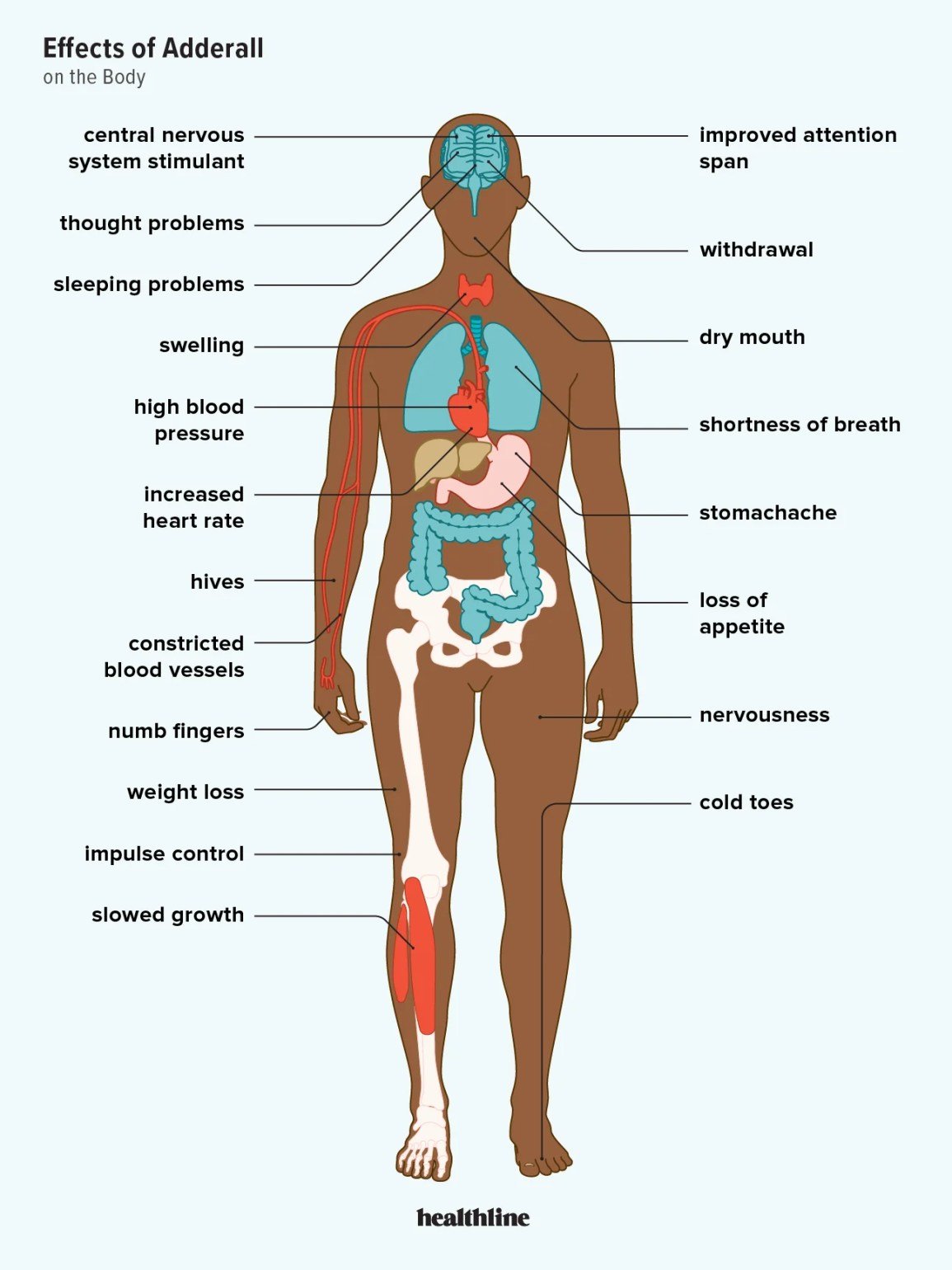
As a stimulant, Adderall energizes the body and mind. Common stimulant effects include increased heart rate, heightened alertness, and decreased fatigue. These outcomes arise from Adderall’s role in stimulating brain areas that control attention and behavior.
However, the stimulating effects of Adderall can have both beneficial and adverse consequences. While increased focus may be desirable under specific circumstances, the stimulation can easily transform into negative side effects if overdosed or misused.
Short-Term Effects of Adderall Use
Upon ingestion, the potent effects of Adderall can be felt relatively quickly. Short-term effects can include:
- Heightened Focus: Individuals often report an increase in attentiveness and focus, especially beneficial for those engaged in mentally demanding tasks.
- Increased Energy: Many users experience a substantial boost in energy levels, enabling them to combat fatigue and engage in prolonged activities.
- Enhanced Mood: For some, the medication may lead to slight euphoria, which can enhance one’s overall sense of well-being.
Though these effects may feel advantageous initially, they can create a false sense of security regarding the medication’s safety. Users may be driven to increase dosages over time, inadvertently setting themselves up for dependency and addiction.
Long-Term Effects and Risks of Adderall
The long-term use of Adderall can significantly alter brain chemistry. Chronic users may find that their bodies inevitably adjust to the drug’s presence, leading to tolerance, which may require higher doses to achieve previous effects. Over time, users may also encounter:
- Withdrawal Symptoms: If usage is stopped suddenly, patients may experience fatigue, depression, or difficulty concentrating.
- Cardiovascular Issues: As a stimulant, Adderall may potentially elevate blood pressure and heart rate, increasing the risk of cardiovascular events, particularly in individuals with preexisting conditions.
- Potential for Abuse: The medication’s reputation as a cognitive enhancer leads to its misuse among students and professionals hoping to maximize productivity, often resulting in adverse outcomes.
Medical providers often stress the importance of regular consultation to adjust dosages and monitor for any signs of complications associated with prolonged use.
Adderall vs. Other Stimulants
To understand Adderall’s role in the pharmacological landscape, it is beneficial to compare it to other stimulants. While Adderall is specifically a mix of amphetamine salts, various other stimulant medications are employed for similar conditions, including Ritalin (methylphenidate) and Vyvanse (lisdexamfetamine).
Methylphenidate, often marketed under the brand name Ritalin, functions through a similar mechanism but affects neurotransmitter systems differently. This variance can yield differing effects, side effects, and user experiences. Some may find greater efficacy with one over the other, highlighting the need for personalized healthcare solutions.
How Does Adderall Compare to Caffeine?
Perhaps one of the most ubiquitous stimulants is caffeine, usually consumed in coffee or energy drinks. Both caffeine and Adderall act as stimulants, but their mechanisms differ. Caffeine primarily blocks adenosine receptors, leading to increased alertness, whereas Adderall promotes the release of neurotransmitters directly.
While caffeine usage is generally safe when consumed in moderation, the potential for adverse effects escalates when dealing with prescription medications. Misuse of Adderall can lead to lasting psychological and physical hardships, reinforcing the importance of responsible usage.
What is the Legal Status of Adderall?
Recognizing the potential for abuse, the U.S. Drug Enforcement Administration (DEA) classifies Adderall as a Schedule II controlled substance. This categorization indicates that while it has accepted medical uses, it also carries high potential for abuse and dependence—a fact that both prescribers and patients must take seriously.
This legal status requires strict regulations on prescribing and dispensing the medication, ensuring that it is available only to those who genuinely need it. The stigma associated with its narcotic classification can deter some individuals from seeking the help they need.
Addressing Misconceptions About Adderall
As perceptions of Adderall evolve, numerous misconceptions continue to emerge in public discourse. From its classifications to its uses and potential side effects, it’s vital to differentiate fact from fiction.
Is Adderall an Opioid?
No, Adderall is not an opioid. It belongs to a different class of drugs designed for very distinct purposes. Opioids function primarily as pain relievers, acting on the brain’s opioid receptors. In contrast, Adderall primarily targets dopamine and norepinephrine pathways to alleviate symptoms related to attention disorders.
This distinction is critical in understanding the various classes of medications and their respective applications within healthcare. Misunderstanding can lead to stigmatization or apprehension surrounding therapy options for individuals with ADHD.
Does Adderall Make You High?
Some individuals can experience feelings of euphoria when taking Adderall, particularly if they misuse the medication or exceed their prescribed doses. In therapeutic contexts, users typically do not attain “high” effects as they would with other drugs specifically designed for recreational use.
However, it is essential to recognize that this potential for euphoria can lead to psychological dependency, pushing some individuals into patterns of misuse and ultimately addiction. Education and awareness surrounding this risk become paramount.
Frequently Asked Questions About Adderall
What Does Adderall Do to a Normal Person?
Individuals without ADHD who consume Adderall might initially experience rapid cognitive enhancement, including boosted concentration and energy levels. However, the results can vary widely. Many report adverse effects such as anxiety, heart palpitations, and insomnia which may outweigh any perceived cognitive benefits. Long-term or excessive use could also lead to dependency, fatigue, and potential cardiovascular health issues.
What Are the Side Effects of Adderall?
Adderall usage can result in a variety of side effects ranging from mild to severe. Common side effects include:
- Insomnia: Difficulty falling asleep or staying asleep.
- Anxiety: Increased feelings of nervousness or agitation.
- Loss of Appetite: Decreased desire to eat, often leading to weight loss.
- Dry Mouth: Reduced saliva production leading to an uncomfortable sensation.
- Increased Heart Rate: Palpitations or unusual fluctuations in heart rhythm.
Individuals experiencing severe or persistent side effects should consult their healthcare provider promptly to evaluate potential alternatives or interventions.
What is the Generic Name for Adderall?
The generic name for Adderall is a combination of its active ingredients: dextroamphetamine and amphetamine. Its formulation consists of mixed amphetamine salts, which is why it is commonly referred to as a combination product rather than simply by a single component name.
Is Adderall Safe for Everyone?
While Adderall can be an effective treatment option for ADHD patients, it is not suitable for everyone. Individuals with a history of cardiovascular issues, high blood pressure, or substance misuse should approach this medication cautiously. A thorough evaluation with a healthcare provider is vital before commencing treatment to ensure it is safe and appropriate for the individual’s specific health status.
Are There Alternatives to Adderall?
Yes, there are several alternatives to Adderall, including other stimulant medications such as Ritalin or Concerta. Non-stimulant medications such as atomoxetine (Strattera) also exist for patients seeking alternatives. Additionally, behavioral therapy can provide coping mechanisms and strategies in managing ADHD symptoms without direct medication intervention.
What Happens If You Stop Taking Adderall Suddenly?
Suddenly discontinuing Adderall can lead to withdrawal symptoms. Common indicators of withdrawal include fatigue, depression, increased irritability, and a resurgence of symptoms related to ADHD. To mitigate these symptoms, a gradual tapering off may be necessary, implemented under a supervised healthcare provider’s direction.
Conclusion: The Complex Nature of Adderall
Adderall’s classification as both a stimulant and an amphetamine highlights the complexity of this widely prescribed medication. While it offers significant benefits for those with ADHD, the potential for abuse, dependency, and serious side effects cannot be overlooked. A responsible approach involves educated understanding, cautious usage, and proactive consultation with medical professionals.
As society continues to grapple with the increasing prevalence of stimulant medications, fostering an environment that promotes awareness and responsible use becomes imperative. Clear communication about the risks and benefits of Adderall is essential to ensure that those who need this medication for legitimate medical reasons can access it without the burden of stigma or misinformation.
Ultimately, understanding Adderall’s classifications and implications fosters informed decisions both for patients and healthcare providers alike. The dialogue surrounding stimulants and their role in mental health will continue to evolve, underscoring the necessity of continued education in this critical area.
