🏠 Stay at home! 25% discount on all medicines


How to Get Adderall Prescribed: Your Complete Guide

Adderall, a combination of amphetamine and dextroamphetamine, is widely prescribed for Attention Deficit Hyperactivity Disorder (ADHD). Recent studies indicate that approximately 5% of the adult population in the U.S. experiences ADHD symptoms, with many seeking medication for relief. However, the process to obtain an Adderall prescription can be complex and multifaceted, particularly given the increasing awareness of ADHD and the medication’s potential for abuse. Understanding how to navigate this landscape can make all the difference.
In this extensive guide, we’ll dissect each step of the prescription process. From recognizing ADHD symptoms to understanding the medical evaluation and treatment options, we will equip you with the knowledge necessary to engage in informed discussions with healthcare providers. By the end of this article, you will empower yourself not just with knowledge about how to get Adderall prescribed, but also with insight into responsible medication management.
For those who are struggling with attention issues or hyperactivity, getting the right diagnosis and treatment can lead to substantial improvements in quality of life. Whether you are seeking a diagnosis for yourself or a loved one, this work aims to demystify the steps required to obtain Adderall legally and safely.
Understanding ADHD and Its Symptoms
To comprehend how to get Adderall prescribed, it is essential first to understand what ADHD is and how it manifests in individuals. ADHD can significantly impact daily life and functioning.
What is ADHD?
Attention Deficit Hyperactivity Disorder (ADHD) is a neurological disorder characterized by patterns of inattention, hyperactivity, and impulsivity. This disorder can affect individuals of all ages, although it is most commonly diagnosed in children. Traditional symptoms include difficulties in focusing, excessive talking, impulsiveness in decision-making, and challenges in maintaining organizational skills.
The exact causes of ADHD are still not fully understood, but research suggests a combination of genetic, environmental, and neurological factors contribute to its development. This complexity often leads to variability in how individuals experience symptoms, necessitating personalized assessments and treatment plans.
Recognizing the Symptoms of ADHD
The symptoms of ADHD can be broadly classified into two categories: inattention and hyperactivity/impulsivity. Both categories can impact various aspects of life, including academic performance, social interactions, and work responsibilities.
- Inattention: Difficulty sustaining attention, frequent careless mistakes, inability to listen when spoken to directly, challenges in organizing tasks.
- Hyperactivity/Impulsivity: Fidgeting, difficulty remaining seated, excessive talking, interrupting others frequently, and acting without thinking.
Understanding these symptoms is crucial for individuals looking to discuss potential concerns with a healthcare provider. In many cases, the awareness of ADHD symptoms can lead to earlier intervention and treatment options.
Consulting a Healthcare Provider for ADHD Evaluation

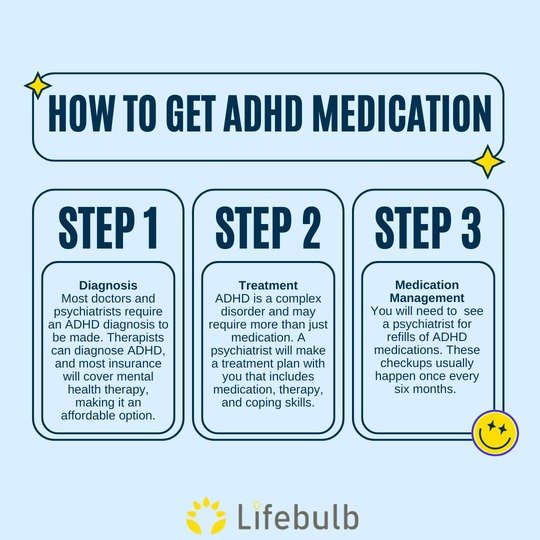
The first tangible step in getting an Adderall prescription is to consult with a healthcare provider, specifically a psychiatrist, psychologist, or even a primary care physician (PCP) who is knowledgeable about ADHD. This phase is critical as it sets the tone for the entire treatment journey.
Choosing the Right Provider for Evaluation
Choosing the right healthcare provider can significantly influence the experience and outcomes of obtaining an ADHD diagnosis. Specialists—like psychiatrists or psychologists—often have more experience diagnosing ADHD than a general practitioner. However, primary care physicians can also adequately assess and prescribe ADHD medications.
When selecting a healthcare provider, consider factors such as their experience in treating ADHD, their communication style, and patient reviews. It may also be beneficial to look for providers who provide telehealth consultations, as this can simplify scheduling and improve accessibility.
What to Expect During an ADHD Evaluation
The evaluation process typically involves a comprehensive assessment, which may include interviews, questionnaires, and standardized ADHD rating scales. A healthcare provider may ask about your personal and family history regarding ADHD, mental health, and any previous treatments.
Other common practices during the evaluation may include:
- Diagnostic Interviews: Questions regarding the onset of symptoms, severity, and impact on daily life.
- Behavioral Ratings: Standardized forms filled out by you, your family, or teachers to provide insight on behavior across multiple settings.
- Medical History Reviews: Understanding past medical conditions, medications, and potential allergies that may affect treatment.
This initial evaluation is crucial, as it significantly influences the diagnosis outcome and subsequent treatment recommendation.
Obtaining an Adderall Prescription
Once a thorough evaluation indicates that ADHD is present, and the condition necessitates pharmacological intervention, the next step is obtaining an Adderall prescription. This process involves communication, education, and partnership with a healthcare provider.
The Prescription Process
If ADHD is diagnosed, the provider may choose to prescribe Adderall or an alternative medication after discussing the potential benefits and side effects. It’s essential to ensure that the patient understands the medication’s role in their treatment.
During this phase, the healthcare provider may provide:
- Medication Guidelines: Information on how to take the medication, dosage instructions, and when to follow up.
- Discussion About Alternatives: Other medications may be recommended, depending on individual responses and reactions to Adderall.
- Additional Resources: Suggestions on behavioral therapies or lifestyle adjustments that can enhance the effectiveness of medication.
How to Talk to Your Doctor About Adderall
When discussing the possibility of an Adderall prescription, it’s imperative to communicate openly and honestly with your healthcare provider about your symptoms and how they impact your life. Here are key points to address during the conversation:
Be Honest About Your Symptoms: Clearly describe how your symptoms affect different aspects of your life, including work, relationships, and daily functioning.
Express Treatment Goals: Discuss what you hope to achieve with medication, such as improved focus, better productivity, or enhanced emotional regulation.
Discuss Previous Treatments: If you have attempted other treatments, both pharmacological and non-pharmacological, inform the provider about your experiences, any side effects, and changes in your symptoms.
Building rapport with your physician will facilitate a more personalized approach to your treatment plan.
Online Medical Evaluation and Getting Prescriptions Through Telehealth
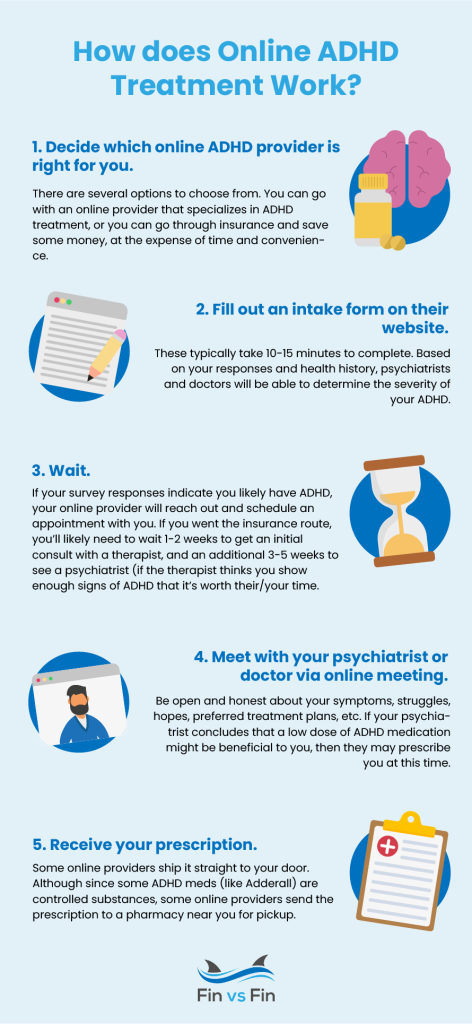
In recent years, telehealth has emerged as a convenient option for many seeking healthcare. Numerous licensed online services enable patients to consult healthcare providers regarding ADHD and obtain prescriptions for medications like Adderall.
The Advantages of Online Consultations
Opting for an online medical evaluation can simplify and accelerate the process of obtaining an Adderall prescription. The advantages include:
- Convenience: Access to services from the comfort of your home, eliminating long waiting times in clinics.
- Accessibility: Facilitates reaching providers who specialize in ADHD, irrespective of geographical limitations.
- Quick Consultations: Many telehealth platforms offer same-day evaluations, providing quicker access to ADHD assessments.
How Online Services Work
Online platforms typically follow a structured process where patients fill out detailed health questionnaires, which are followed by virtual consultations. Providers may use the submitted information to assess symptoms and make treatment recommendations without requiring an in-person visit.
It is crucial to use verified and reputable services, ensuring that all practitioners are licensed and comply with legal standards for prescribing medications. Research provider credentials and read reviews to optimize your choice.
What to Expect After the Prescription
After receiving an Adderall prescription, ongoing management is essential for ensuring the medication’s effectiveness and safety. Regular follow-up appointments and adjustments may be necessary based on responses and side effects.
Follow-Up Appointments
Regular follow-ups are essential in ADHD management, where providers will assess how the medication is working. Key areas of focus during these visits may include:
- Symptom Management: Is the medication alleviating symptoms? Are there any side effects?
- Dose Adjustments: Based on feedback, a healthcare provider may adjust dosages or consider switching medications if required.
- Additive Treatments: Explore behavioral therapies or lifestyle changes alongside pharmacological treatment for comprehensive management.
Understanding Medication Safety and Risks
Adderall, being a controlled substance, carries risks such as dependence and potential misuse. It is vital to use the medication strictly as prescribed. If concerns about dependence arise, openly discussing them with your physician can facilitate changes in your treatment plan.
Patients must also be educated about the potential for adverse effects including insomnia, loss of appetite, or increased heart rate. These should not be taken lightly, and patients should monitor their reactions carefully.
FAQs About Getting Adderall Prescribed
1. Can I get an Adderall prescription without a formal ADHD diagnosis?
In general, a healthcare provider is unlikely to prescribe Adderall without a formal ADHD diagnosis. Proper diagnosis is crucial for effective treatment and is typically established through comprehensive evaluations including symptom assessment, behavioral ratings, and medical history discussions. Doctors may be hesitant to prescribe controlled substances, like Adderall, due to potential risks and abuse if ADHD is not confirmed.
2. What should I tell my doctor to get prescribed Adderall?
When discussing the possibility of getting prescribed Adderall, it’s crucial to communicate your symptoms honestly. Explain how those symptoms interfere with daily life, and share any past treatments you have tried. Emphasizing your goals for management and being forthright about how ADHD affects you may lead to a more productive conversation and better outcomes.
3. Is it possible to get an Adderall prescription online?
Yes, many telehealth services allow you to consult with licensed healthcare providers for ADHD evaluations and prescriptions. It is essential to choose a reputable service to ensure that the provider is licensed and follows regulations regarding prescriptions for controlled substances like Adderall.
4. How long does it take to clear Adderall from my system?
Adderall can remain detectable in the body for varying durations depending on dosage, frequency of use, and individual metabolic factors. Generally, it can take around 1-3 days for Adderall to be cleared from urine and 12-48 hours from blood. However, traces can be present in hair follicles for longer periods. If you are concerned about the drug’s presence in your system for any reason, consult your healthcare provider.
5. Can I get prescribed Adderall if I have anxiety or depression?
While ADHD and anxiety or depression can coexist, healthcare providers take a careful approach when prescribing stimulants like Adderall to individuals with comorbid conditions. Providers may evaluate how ADHD symptoms interact with anxiety and depression, addressing how treatment for one condition may affect the other. Openly discussing your mental health history will help your provider make the best recommendation for your situation.
6. What are the side effects of Adderall?
Common side effects of Adderall include insomnia, dry mouth, decreased appetite, increased heart rate, and anxiety. Serious side effects may include cardiovascular issues, mood changes, or potential for abuse. Monitoring how you feel while on medication is important and should be communicated to your healthcare provider. Together, you can adjust treatment plans as needed to achieve optimal management of your ADHD.
7. How do I find a specialist for ADHD?
To find a specialist for ADHD, you can start with online searches for licensed psychiatrists and psychologists in your area. Recommendations from your primary care physician may also be valuable. Online directories, community health organizations, and ADHD support groups can provide references and reviews about potential specialists.
Conclusion
Navigating the process of securing an Adderall prescription carries significant importance. The journey begins with recognizing ADHD symptoms, followed by consultations with qualified healthcare professionals to explore diagnosis and treatment options. Utilizing online platforms has also improved accessibility and convenience, aligning perfectly with modern healthcare demands.
However, it is essential to approach medication responsibly by maintaining open communication with healthcare providers and monitoring symptoms during treatment. With routine follow-ups and an understanding of the treatment process, many individuals can achieve meaningful improvements in their quality of life.
For those exploring the option of obtaining an Adderall prescription, know that you are not alone. Reaching out for help and support is a courageous step toward better management of ADHD symptoms and a more focused life. Equip yourself with knowledge, seek professional assistance, and take proactive measures to manage your health effectively.
