🏠 Stay at home! 25% discount on all medicines


How Much Melatonin is Equal to Ambien? A Comprehensive Guide

Sleep disorders are a growing concern in modern society, affecting millions worldwide. According to the CDC, approximately one in three adults reports not getting enough sleep. While many turn to over-the-counter (OTC) sleep aids or prescription medications to combat insomnia, two common options are Ambien (zolpidem) and melatonin. But how do these substances compare, particularly when it comes to dosing? How much melatonin is equal to Ambien?
This question arises frequently, especially among individuals seeking more natural alternatives to prescription medications. Ambien, a powerful sedative, is commonly prescribed for short-term treatment of insomnia. In contrast, melatonin is a naturally occurring hormone that helps regulate the sleep-wake cycle. In this article, we’ll explore the equivalency between these two sleep aids, discuss their mechanisms of action, effectiveness, and safety profiles, and answer common questions about their use.
Understanding the differences between Ambien and melatonin can help you make informed choices about your sleep health. We’ll delve into how these substances work, their recommended dosages, potential side effects, and other important factors. By the end of this article, you’ll be better equipped to determine the most appropriate treatment for your sleep issues.
Understanding Ambien and Melatonin
Ambien is the brand name for zolpidem, a sedative-hypnotic medication. It is primarily prescribed for the treatment of insomnia, particularly for individuals who have difficulty falling asleep. Ambien works by enhancing the activity of gamma-aminobutyric acid (GABA), a neurotransmitter that promotes relaxation and sleepiness. The typical prescription dosage ranges from 5 to 10 mg, depending on individual needs and physician recommendations.
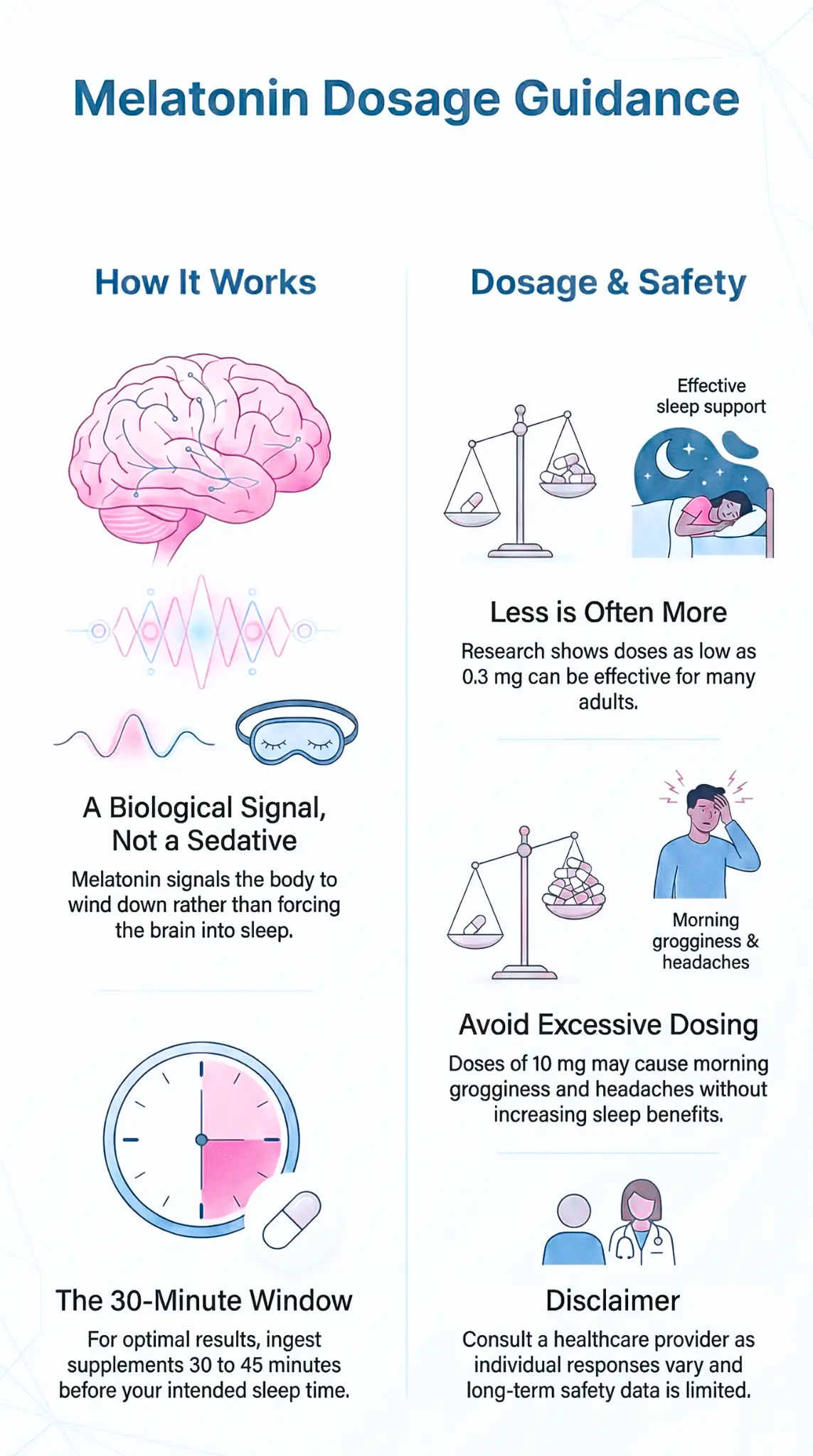
On the other hand, melatonin is a hormone produced by the pineal gland in response to darkness, signaling to the body that it is time to sleep. Melatonin supplements are commonly used to help with sleep onset, especially for issues like jet lag or shifts in sleep schedules. Unlike Ambien, melatonin does not induce sleep in the same way; rather, it helps regulate the body’s circadian rhythms.
The use of melatonin is generally considered safe and effective for short-term insomnia or sleep disturbances without the risk of dependence associated with many prescription sleep medications. Typical melatonin dosages range from 0.5 mg to 5 mg, depending on the individual and the specific sleep issues being addressed.
How Does Ambien Compare with Melatonin?

When comparing Ambien and melatonin, it’s vital to understand their differing roles in promoting sleep. While Ambien acts as a sedative, quickly inducing sleep, melatonin functions as a natural regulator of the sleep cycle. The difference in their mechanisms of action leads to different effects on the body.
Ambien can result in fast relief from insomnia symptoms, but its use carries risks like dependency, tolerance, and withdrawal symptoms when stopping the medication. Side effects can include dizziness, daytime drowsiness, memory issues, and complex sleep behaviors such as sleepwalking or driving while asleep. This profile necessitates careful consideration when using Ambien.
In contrast, melatonin is generally viewed as more benign. Most individuals can tolerate it well, experiencing minimal side effects, typically only mild dizziness or nausea. However, while melatonin can aid in shifting the sleep-wake cycle, it may not be as effective for those with acute insomnia or severe sleep disturbances since it doesn’t produce the same immediate sedative effects as Ambien.
Is There an Equivalence Between Melatonin and Ambien Dosage?
The short answer to whether there is an equivalence between melatonin and Ambien dosage is that there is no direct conversion. Ambien and melatonin have entirely different mechanisms of action, making direct comparisons inappropriate. However, an understanding of their respective effects can help clarify how individuals might consider using these substances together or separately.
For example, Ambien generally comes in doses starting from 5 mg up to 10 mg, which is significantly stronger than most melatonin supplements, which usually measure in the range of 0.5 mg to 5 mg. This leads consumers to ask questions like, “How much melatonin is equal to Ambien in terms of sleep onset?” While some anecdotal suggestions on forums, such as Reddit, might propose higher doses of melatonin to approximate Ambien’s effectiveness, clinical research has yet to confirm these claims.
In essence, melatonin optimization may require fine-tuning individual dosages and timing, as it may not provide the instant relief that Ambien does for sleep induction. Therefore, understanding how to approach both would require a personal discussion with healthcare providers regarding safe options.
The Benefits and Risks of Using Ambien
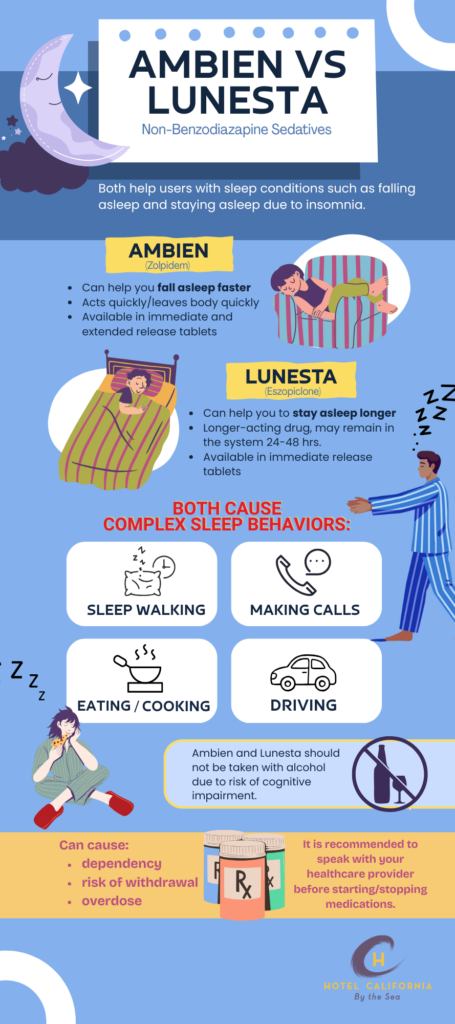
Ambien’s effectiveness in providing quick relief from insomnia has made it a widely prescribed solution for many individuals struggling with sleep disorders. However, while it can be a helpful tool, it also comes with risks that ought to be taken seriously. Some of the primary benefits of Ambien include its rapid onset of action and proven efficacy in inducing sleep within a short period after consumption.
One of the advantages of Ambien is that it allows for longer sleep durations without causing a hangover effect like some other sleep medications. This benefit can be vital for individuals who need restorative sleep before long workdays or critical activities. However, because Ambien can be habit-forming, healthcare providers typically recommend its use for short periods, generally not exceeding 2-4 weeks.
Moreover, the potential for developing tolerance is another reason for cautious use. Patients may find that over time, they require higher doses to achieve the same sleep-inducing effects, increasing dependency risks, as well as the incidence of withdrawal symptoms upon discontinuation. Furthermore, patients may experience side effects ranging from drowsiness to dangerous behaviors carried out while in a sleep-like state.
Exploring the Safety and Efficacy of Melatonin
Melatonin has gained popularity as a natural remedy for sleep disorders, especially among those looking to avoid the potential downfalls associated with conventional sleep medications like Ambien. The primary safety attribute of melatonin is that it is a naturally occurring hormone, which means that most adults can take it without significant side effects, particularly when using appropriate doses.
The benefits of melatonin extend beyond simply improving sleep quality. Research shows that melatonin may aid in adjusting circadian rhythms, making it useful for travelers adjusting to new time zones or workers on night shifts. A notable study published in the Journal of Clinical Sleep Medicine demonstrated that melatonin significantly improved sleep quality and reduced sleep onset latency.
However, melatonin is not without its limitations. While it may help facilitate sleep, it is less effective as a treatment for chronic insomnia compared to medications like Ambien. Additionally, while side effects are minimal, some individuals may experience daytime drowsiness or disruptions in hormonal balance if taken inappropriately or for prolonged periods.
Combining Ambien and Melatonin: What You Should Know
Many individuals considering the use of both Ambien and melatonin together might wonder if the combination could enhance sleep quality or mitigate potential side effects associated with higher Ambien dosages. However, this approach requires careful consideration and consultation with a healthcare professional.
Combining these two sleep aids could pose risks, particularly due to the sedative nature of Ambien. The secretion of melatonin might not significantly alter the sedative impact of Ambien, risking over sedation and impairing daytime alertness. Furthermore, as both substances affect sleep patterns, any potential benefits would require a clear understanding of how these two agents interact and their long-term effects.
In general, it is advisable to avoid using both medications simultaneously unless explicitly directed by a healthcare provider. If you’re considering melatonin as an adjunct to Ambien or vice versa, it’s important to prioritize open communication with your doctor to explore the best and safest course of action.
Understanding Proper Dosages for Ambien and Melatonin
Dosage is critical when using any sleep aid, as the correct amount can significantly affect its efficacy and safety. For Ambien, the typical starting dosage is 5 mg for women and 10 mg for men, with adjustments based on age or individual health conditions. For the elderly or patients with liver issues, doctors might prescribe lower doses to reduce the risk of side effects and over sedative effects.
Conversely, melatonin dosages can vary greatly based on individual needs and preferences. The standard recommendations for adults suggest starting with 0.5 mg to 5 mg about 30 minutes before bedtime. For those needing more significant adjustments to their sleep cycle, dosages may go up to a maximum of 10 mg; however, higher doses can induce side effects and are often unnecessary.
Although it’s tempting to escalate dosages in hopes of quicker sleep onset or longer sleep durations, it’s critical to consult with a healthcare provider to avoid potential negative effects associated with overdosing, particularly with melatonin, as excessive amounts may lead to further sleep disruptions.
Frequently Asked Questions
What is the difference between Ambien and melatonin?
Ambien is a prescription sedative-hypnotic primarily used for short-term treatment of insomnia through GABA activity, while melatonin is a natural hormone that helps regulate sleep-wake cycles. Ambien acts quickly to induce sleep, whereas melatonin helps prepare the body for sleep gradually.
How much melatonin should I take to help me sleep?
Dosage recommendations for melatonin vary, but it is generally advisable to start with 0.5 mg to 5 mg taken about half an hour before bedtime. It’s wise to consult a healthcare provider to adjust dosages based on individual needs and context.
Can I take melatonin and Ambien together?
Using melatonin and Ambien together is typically not recommended without explicit guidance from a healthcare provider. The combination could increase the risk of excessive sedation and may lead to unwanted side effects.
What are the side effects of Ambien?
Ambien’s side effects can range from dizziness, drowsiness, and headaches to more serious complications like memory impairment and abnormal sleep behaviors. Prolonged use can lead to dependence and withdrawal symptoms.
Is melatonin safe to use long-term?
While melatonin is generally considered safe for short-term usage, prolonged use requires careful monitoring. Long-term effects are not fully understood, and higher doses may interfere with hormonal balance and sleep patterns.
How long does Ambien stay in your system?
Ambien has a relatively short half-life, typically around 2 hours, meaning it can leave your system quickly. However, its effects can linger, particularly if taken frequently, potentially resulting in residual drowsiness into the following day.
What is the closest over-the-counter alternative to Ambien?
For those seeking OTC alternatives to Ambien, options such as diphenhydramine (found in Benadryl) or doxylamine are common. However, these medications may not be as effective for chronic insomnia and tend to carry more side effects.
Conclusion
Understanding the distinctions between Ambien and melatonin is crucial for navigating sleep difficulties safely and effectively. Ambien provides a rapid solution for acute insomnia but carries risks associated with dependency and side effects. In contrast, melatonin serves as a more gentle alternative that may help regulate sleep patterns without the same level of concern for addiction.
When considering how much melatonin is equal to Ambien, it is essential to acknowledge that no direct equivalency exists between these two substances. Each person’s experience with sleep aids can differ significantly based on individual health, medical history, and specific sleep disorders. Thus, personalized medical advice from a qualified healthcare provider remains paramount.
As you explore options to improve your sleep, keep in mind the potential side effects and long-term implications of each sleep aid. Through informed decision-making and professional guidance, you can find the most suitable solution for your sleep challenges. Ultimately, achieving quality sleep is an essential component of overall health and well-being, deserving of your attention and care.
