🏠 Stay at home! 25% discount on all medicines


How Much Adderall is Too Much? Understanding Dosage and Risks

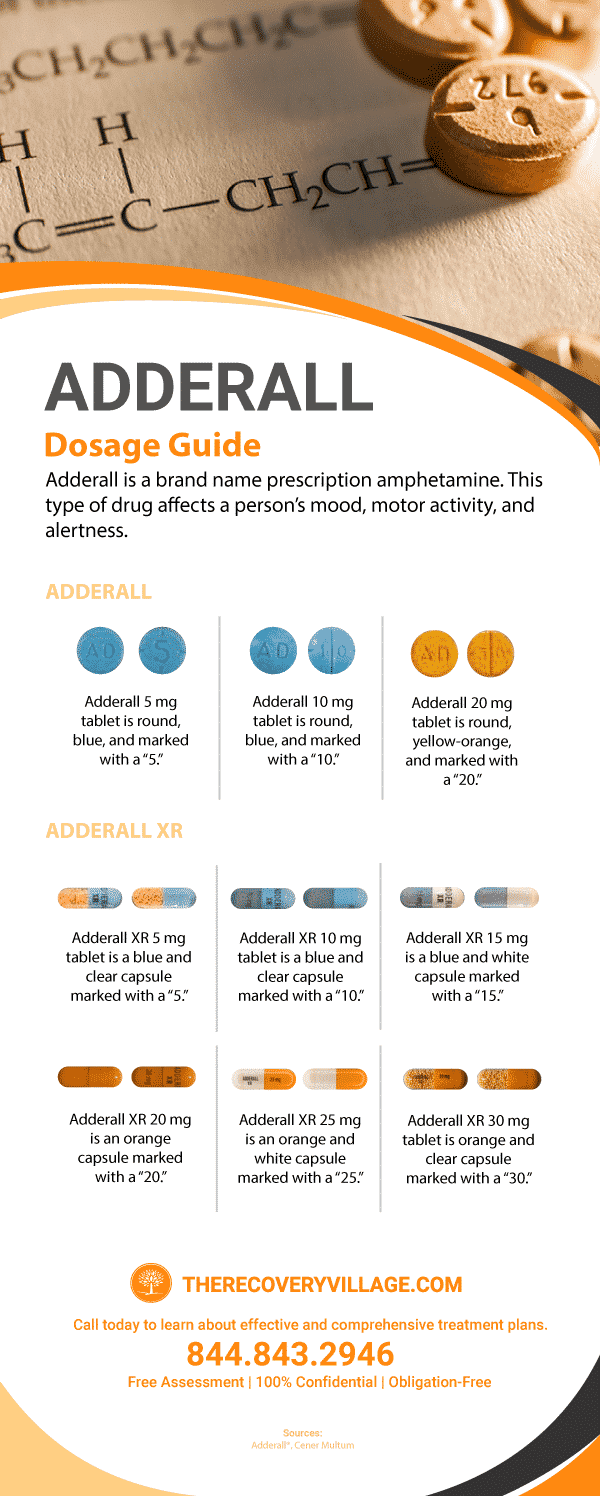
Adderall, a combination of amphetamine and dextroamphetamine, is commonly prescribed to treat Attention Deficit Hyperactivity Disorder (ADHD) and narcolepsy. While it can effectively manage these conditions, the question of how much Adderall is too much looms large for patients and clinicians alike. Misuse or unintended overdosing can lead to severe health risks, including life-threatening side effects. In this comprehensive guide, we will explore the safe limits for Adderall dosages, signs of overdose, and important considerations for those using this medication.
Statistics reveal that misuse of ADHD medications has been on the rise, leading to grave consequences. According to the National Institute on Drug Abuse, nearly 30% of college students reported using Adderall without a prescription, often viewed as a study aid. Such misuse can blur the lines of safety regarding dosages. Understanding the nuances of Adderall, including its proper dosage and the threshold for overdose, is essential for anyone prescribed this medication.
What does it mean to exceed the recommended dosage of Adderall? In this article, we aim to provide clarity on the dosages considered safe, the risks associated with taking too much, and guidelines for when to seek medical advice. Readers will walk away well-informed about the medication’s risks and benefits, ensuring they can confidently navigate their treatment plans.
Understanding Adderall and Its Usage
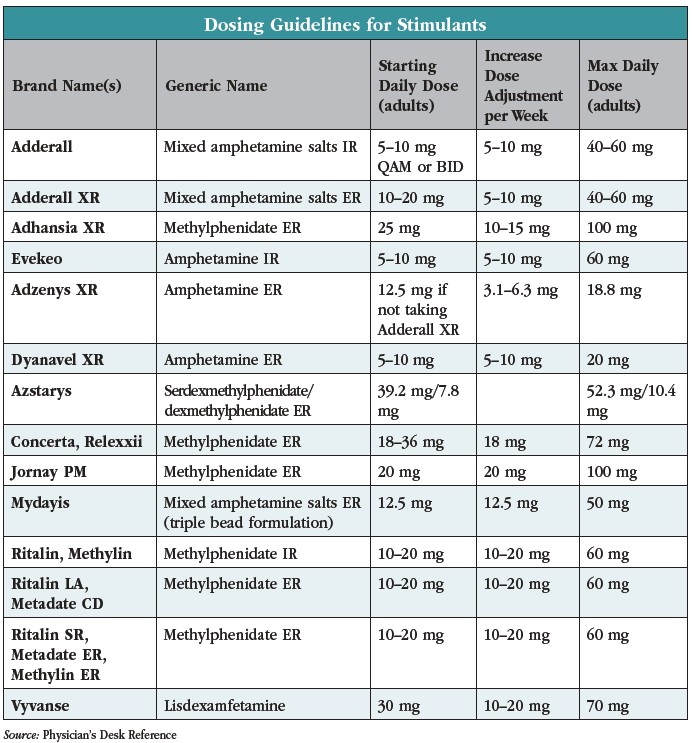
Adderall exists in two primary formulations: immediate-release and extended-release (XR). Each is designed to release the medication into the body at different rates, impacting how long the effects are felt. For adults diagnosed with ADHD, the initial starting dosage typically begins around 5 mg to 10 mg daily, with gradual adjustments made to find the optimal therapeutic amount.
When it comes to individuals with narcolepsy, the dosages can vary significantly. Adults may start with a lower dose, such as 5 mg, which can be gradually increased based on their response and tolerance to the medication. A ceiling dose of 40 mg per day is generally recognized for ADHD; however, it is critical for dosages to be tailored to individual needs. Understanding these nuances can help prevent unintentional overdosing.
In cases of misuse, many individuals may exceed the standard recommendations, believing that doing so will enhance focus or cognitive performance. While modest increases might not seem alarming, exceeding the standard maximum can have dire consequences. Every patient must work closely with their healthcare provider to determine an appropriate dose and recognize when how much Adderall is too much enters the conversation.
What is the Maximum Adderall Dose in 24 Hours?
The maximum recommended dose for Adderall can differ based on the individual’s condition and their specific medical history. For adults with ADHD, the total daily dose should not exceed 40 mg for the immediate-release formulation. For those prescribed Adderall XR, the limit can reach upwards of 60 mg per day, contingent on the prescribing physician’s guidance and patient response to treatment.
It’s essential to understand that exceeding these doses dramatically increases the risk of overdose, especially if combined with other stimulant medications or substances. Various studies suggest that tolerances can build with continued use, leading some to feel that they need higher doses to achieve the same therapeutic effects.
A frequently asked question among Adderall users is, “Is 80 mg of Adderall too much?” While this exceeds the typical limits, some individuals with heightened tolerance may take higher doses, potentially placing them at risk for severe health incidents. Physicians often advise against any use beyond the recommended limits, emphasizing the importance of adhering to prescribed guidelines.
Signs and Symptoms of Too Much Adderall
Understanding the signs of Adderall overdose is crucial for anyone taking the medication. Symptoms can vary from mild to severe, depending on how much over the limit an individual has taken. Early signs may include anxiety, restless agitation, and rapid heartbeat. Other indicators of too much Adderall can entail:
- Increased blood pressure
- Uncontrolled movements or tremors
- Gastrointestinal symptoms like nausea or vomiting
- Severe headache
- Hallucinations or panic
For those experiencing more serious reactions, such as chest pain, seizures, or signs of stroke (like sudden weakness or slurred speech), immediate medical attention is essential. These symptoms indicate a severe overdose and require urgent care.
Moreover, frequent misuse can lead to chronic effects such as insomnia, increased anxiety, and potential cardiovascular events. Patients are encouraged to communicate openly with their healthcare providers if they notice any adverse side effects or feel that they are not managing their medication appropriately.
What Happens if You Accidentally Take a Double Dose of Adderall?
Accidental double dosing can happen more commonly than individuals realize, primarily due to forgetting if a dose was already taken, especially with the extended-release formulations. If someone has inadvertently consumed double the prescribed amount, the best course of action is to contact a medical professional immediately. Depending on the individual’s health status, the clinician may recommend monitoring them for symptoms or visiting an emergency department for evaluation.
The immediate response to a double dose should focus on assessing any developing symptoms. If symptoms of an overdose such as rapid heart rate, severe anxiety, or gastrointestinal distress appears, medical intervention should not be delayed.
Healthcare providers emphasize the importance of utilizing pill organizers or reminders to prevent accidental double dosing. Maintaining clear communication about medication schedules can help individuals manage their prescriptions effectively.
Potential Risks Associated with Overdosing on Adderall
Adderall, like many medications that work by significantly altering neurotransmitter levels in the brain, carries substantial risks when overdosed. Depending on the severity of the overdose, effects can range from mild agitation to severe cardiovascular complications. A common question arises: is 100 mg of Adderall too much? Indeed, several studies indicate that doses exceeding 70 mg can increase the likelihood of adverse reactions, including overdose symptoms.
Beyond acute health risks, long-term overuse can lead to a range of chronic conditions. Individuals may develop heart issues, gastrointestinal problems, or experience long-lasting changes in mood and anxiety levels. The likelihood of developing a dependency on the medication increases as well, leading to withdrawal symptoms if they attempt to reduce their intake.
It is vital for individuals prescribed Adderall to work closely with their healthcare provider to regularly reevaluate their treatment plan. Adjustments may be necessary to optimize benefits while mitigating risks. This approach not only enhances treatment efficacy but also safeguards against the dangers of overdosing.
Safety and Precautions When Taking Adderall
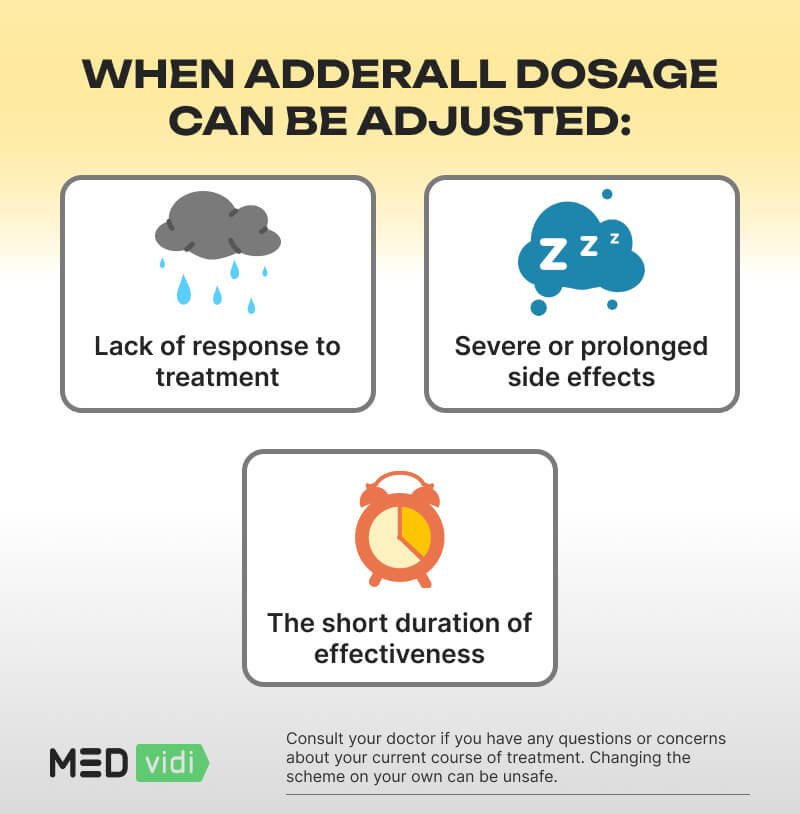
Taking Adderall responsibly involves numerous considerations, especially regarding safe dosing practices. Patients are advised to adhere strictly to their prescription and consult their doctors if they feel the need for dosage adjustments. Regular follow-ups are necessary to ensure that the medication continues to meet the patient’s therapeutic needs.
Moreover, individuals should be cautious about using other stimulant medications or substances while on Adderall. This combination can drastically increase the chance of harmful side effects, complicating health outcomes. Engaging in discussions about any over-the-counter medications or herbal supplements being taken concurrently can be immensely beneficial in preventing adverse reactions.
Education about the medication can also prevent misuse. Understanding how Adderall works, its intended purpose, and the risks associated with misuse are crucial for success. Families and caregivers should also be involved in this educational process, particularly for children or young adults who may be prescribed Adderall.
Adderall and Mental Health: Understanding the Psychological Impact
The relationship between Adderall and mental health is multifaceted. While it can effectively treat ADHD and improve concentration levels, it can also complicate existing mental health conditions. Patients with a history of anxiety or mood disorders should be particularly cautious, as Adderall can exacerbate these conditions, especially at higher doses.
Psychiatrists often encourage constant dialogue about mental health among those prescribed Adderall. Signs of anxiety or mood swings should be reported immediately to assess whether adjustments to the medication or treatment plan are necessary. In some cases, psychiatric care may become essential to manage symptoms effectively.
As newer evidence emerges outlining the psychological impact of stimulant medications, healthcare providers are tasked with thoroughly educating patients about both benefits and potential drawbacks. Ultimately, an informed patient is better equipped to manage their medication responsibly.
FAQs About Adderall Dosage and Safety
Is it possible to overdose on Adderall?
Yes, it is possible to overdose on Adderall, especially if the dosage exceeds recommended amounts. Symptoms can range from mild agitation to severe cardiovascular distress, and it is crucial to monitor your intake closely.
How can I know if I’m taking too much Adderall?
Symptoms such as increased heart rate, agitation, insomnia, or gastrointestinal issues can indicate that you may be taking too much Adderall. If you notice persistent adverse effects, consult your healthcare provider.
What should I do if I suspect an overdose?
If you suspect an overdose, it is vital to seek immediate medical attention. Early intervention could mitigate serious health risks and potential complications.
Can I safely mix Adderall with other medications?
Mixing Adderall with other stimulants or certain medications can increase the risk of adverse reactions. Always consult your healthcare provider before adding any new medications.
How long do the effects of Adderall last?
The duration of Adderall’s effects varies by formulation. Immediate-release forms generally last 4 to 6 hours, while extended-release can last up to 12 hours. Always discuss your specific condition with your doctor.
Is it safe to take Adderall while pregnant?
Using Adderall during pregnancy poses potential risks to both the mother and the fetus. Pregnant individuals should consult their healthcare provider to weigh the benefits and risks carefully.
Final Thoughts on Safe Adderall Usage
As Adderall use has become more commonplace, understanding its dosages and potential risks is essential for patients and families alike. Determining how much Adderall is too much requires an informed, vigilant approach to medication handling. Healthcare providers play a vital role in ensuring that patients receive personalized, safe treatment tailored to their needs.
Safe dosing practices, regular monitoring, and open communication are critical components of effective Adderall use. Patients must heed their bodies’ responses, discussing any concerning symptoms with their healthcare providers promptly.
Through education and effective dialogue, the risks associated with Adderall can be managed, allowing patients to gain the maximum benefit from this medication without falling prey to the dangers of overdose.
