🏠 Stay at home! 25% discount on all medicines


How Long is Adderall Detectable in Drug Tests? A Comprehensive Guide

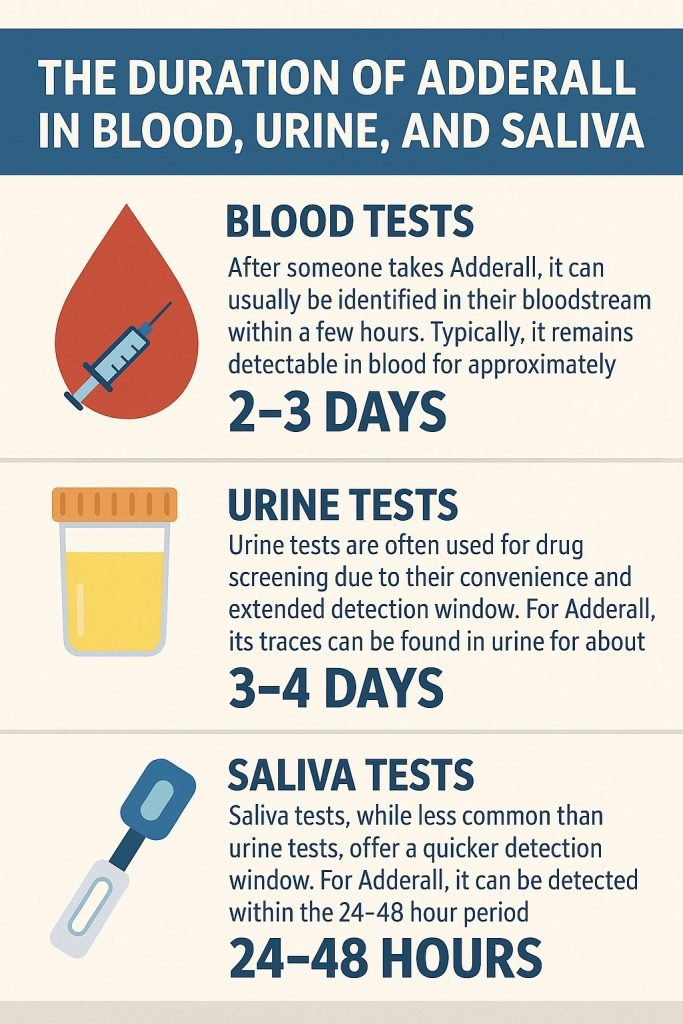
Adderall, a prescription medication primarily used to treat attention deficit hyperactivity disorder (ADHD), has garnered significant attention in recent years for its potential misuse, particularly among students and professionals seeking cognitive enhancement. A common concern among users is how long this substance remains detectable in various drug tests. This concern is paramount for those who may be subjected to these tests in the workforce, academic environments, or recreational settings. With the increasing prevalence of amphetamines in drug tests, clarity on their detection timelines is crucial.
In this guide, we delve into the specifics of how long Adderall is detectable in drug tests, offering insights into various methods of testing, the factors influencing detection times, and answering frequently asked questions. Understanding these elements can help individuals make informed decisions related to medication use and potential drug testing situations.
Research suggests that Adderall typically remains detectable for several days, but the exact duration varies based on numerous factors, including dosage, frequency of use, individual metabolism, and the type of drug test administered. This article aims to provide comprehensive answers to the question: How long is Adderall detectable in drug tests? We will explore urine tests—known for their prevalence—as well as blood, saliva, and hair follicle tests.
Understanding Adderall and Its Components
Adderall is a combination of two stimulant medications, amphetamine and dextroamphetamine. These compounds work by increasing the availability of neurotransmitters such as dopamine and norepinephrine in the brain, which plays a critical role in attention and focus. While effective for individuals diagnosed with ADHD or narcolepsy, the misuse of Adderall as a cognitive enhancer is a growing concern.
As a central nervous system stimulant, the use of Adderall can lead to a heightened state of alertness, concentration, and energy. However, alongside these benefits, its pharmacological profile means it can be closely monitored through drug testing. When consumed, Adderall undergoes metabolism primarily in the liver, resulting in the production of various metabolites that subsequently enter the bloodstream and are excreted predominantly through urine.
It is essential to understand that the duration for which Adderall remains detectable in bodily systems is influenced by various factors, including but not limited to:
- Dosage: Higher dosages can lead to longer detection times.
- Frequency of Use: Chronic use tends to lead to accumulation in the body.
- Individual Metabolism: Variations in metabolic rates can affect drug elimination.
- Urinary pH: The acidity or alkalinity of urine can influence the excretion rate.
Duration of Detectability in Urine Tests
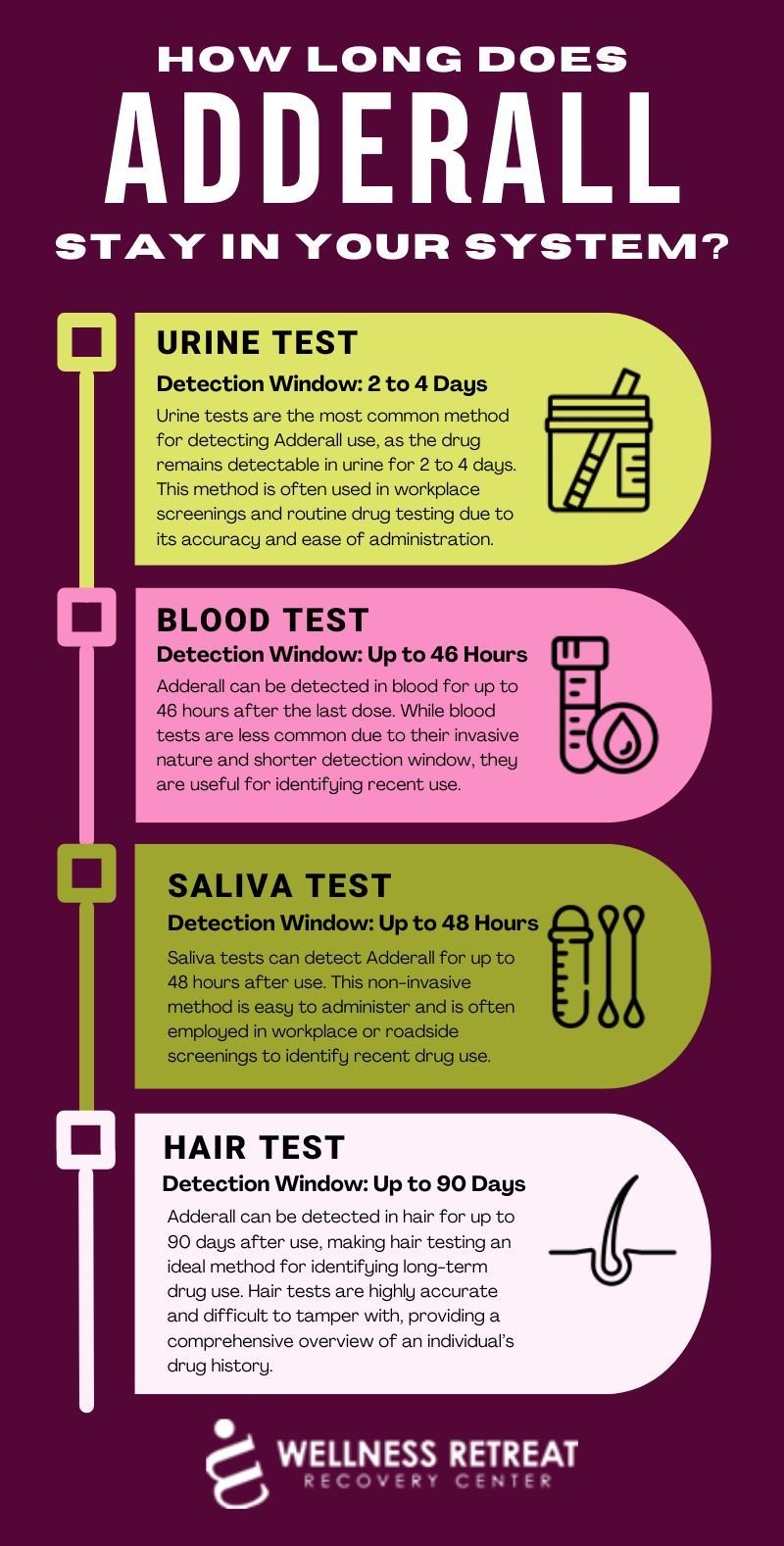
Urine drug tests are the most commonly employed method for detecting Adderall use, particularly in employment settings and clinical assessments. The detection window for Adderall in urine typically ranges from 2 to 4 days after the last dose in casual users. However, there are important nuances to consider.
For instance, studies indicate that individuals who consume Adderall at higher doses or frequently may experience extended detectability periods. In such cases, it is advisable to assume a detection window of up to 7 days. This is primarily due to the buildup of the drug and its metabolites in the body, which can result in slower excretion rates.
An important aspect of urine testing is the threshold level set for a positive result. Generally, standard urine tests look for amphetamine thresholds ranging from 500 ng/mL. If the concentration of the drug in the urine surpasses this level, a positive result will be indicated. Therefore, the individual’s usage pattern directly impacts whether a urine test will reveal the presence of Adderall.
What Happens After Taking Adderall?
When Adderall is ingested, it undergoes significant metabolic processing before it is excreted. After consumption, the efficacy of Adderall peaks within a few hours, but its metabolites can linger in the system for much longer. The half-life of amphetamines is approximately 9 to 14 hours in individuals without any metabolic impairments. This means that every 9 to 14 hours, the levels of the drug in the bloodstream decrease significantly.
Indeed, the metabolism of Adderall is primarily influenced by the liver enzymes that process amphetamine. Variability in metabolic rates among individuals can lead to substantial differences in how long Adderall remains in the system and, consequently, in the urine. For those who metabolize the drug slower, a single dose may be detectable for an extended period compared to those with quicker metabolic rates.
Moreover, factors such as diet, hydration, and overall health also play crucial roles in the speed of drug elimination. For instance, a highly acidic urine pH can enhance the renal clearance of Adderall, leading to shorter detection windows. Conversely, dehydration can result in more concentrated urine and potentially a longer detection period.
Factors Influencing Adderall Detection Times
The detection time for Adderall is influenced by a myriad of factors beyond dosage and frequency of use. Understanding these additional factors can help individuals gauge how long the drug might remain detectable in their systems:
- Body Mass Index (BMI): Individuals with a higher body fat percentage may retain drugs longer due to the drug accumulating in fatty tissues.
- Age: Metabolism changes with age; older individuals may experience prolonged drug metabolism rates.
- Health Conditions: Liver or kidney impairments can affect the metabolism and excretion of Adderall, extending detectability.
- Diet and Exercise: Diet can significantly affect metabolic rates; a high-protein diet may accelerate metabolism, while lack of exercise may slow it down.
- Hydration Levels: The more hydrated a person is, the quicker drugs can be flushed from the system, potentially shortening detection times.
Blood and Saliva Testing for Adderall
While urine tests dominate in drug detection, blood and saliva tests also serve as important methods for judging recent Adderall use. Blood tests present a shorter detection window, generally revealing Adderall for around 12 to 46 hours after consumption. This makes blood tests less common but valuable for instances requiring immediate verification of substance use.
Saliva tests, meanwhile, can detect Adderall from approximately 20 to 50 hours after the last intake. The convenience of administering saliva tests often makes them an appealing option for workplaces or events where quick testing is necessary.
When Are Blood and Saliva Tests Used?
Blood tests are primarily utilized in clinical settings to determine the acute effects of Adderall in a medical emergency or unforeseen incidents such as accidents. These tests provide a near real-time measurement of drug concentration in the system, enabling healthcare providers to understand the extent of the drug’s impact.
Similarly, saliva tests can be effectively used in roadside testing for suspected drug-impaired driving. They allow for rapid on-site testing for the presence of Adderall, making them integral to law enforcement protocols.
However, it’s worth noting that the use of blood and saliva tests for employment or screening of ongoing substance abuse is less common compared to urine tests, mainly due to costs and the invasiveness of blood tests.
What to Consider About Testing Methods
Each drug testing method possesses its unique advantages and disadvantages. Urine tests are the least invasive and easiest to administer, making them widely adopted in most workplaces. However, the detection times can significantly vary based on usage patterns.
Blood tests provide a more accurate picture of recent drug use but are invasive and costly. Similarly, saliva tests provide a practical solution for immediate testing but have shorter detection times. Understanding these testing parameters is essential for individuals considering the implications of their Adderall use on potential drug testing scenarios.
Hair Follicle Tests for Adderall Detection
Among all drug testing methods, hair follicle tests boast the longest detection window for Adderall. Typically, these tests can identify the presence of amphetamines for up to 90 days after use. This extended detection window makes hair follicle tests a popular choice for employers concerned about past drug use.
In hair testing, a sample of hair is collected and analyzed for traces of drugs. When drugs enter the bloodstream, they become incorporated into the hair follicles. As the hair grows, it retains a record of drug use, which can be determined through testing. Although hair tests are not commonly used for random drug screening due to cost and practicality, they may be employed in scenarios requiring long-term usage verification.
Challenges with Hair Follicle Testing
Despite their longer detection times, hair follicle tests come with challenges that can affect their accuracy. For example, there is an inherent delay before drugs appear in hair. Generally, hair tests can detect drug use only after a certain amount of hair growth, typically about 1.5 inches, which reflects a time range of 90 days. Therefore, recent users may escape detection during this initial growth period.
Additionally, individual variations in hair growth rates, ethnic background, and chemical components can influence the test outcomes. This variability means that while hair testing provides robust time frames for detecting previous drug use, it may not offer a precise measure of recent consumption.
What to Expect with Hair Follicle Tests?
Individuals undergoing hair follicle tests should anticipate a straightforward collection process, where a small portion of hair is taken from the scalp or another body area. In certain situations, tests may only focus on specific sections of hair thought to reflect recent use. Accuracy in these tests tends to be high but depends significantly on the integrity of the sample collected.
Understanding the implications of hair follicle tests for Adderall detection is essential for individuals concerned about the consequences of past usages, such as for employment screening or legal matters.
How to Flush Adderall Out of Your System
There are numerous anecdotal methods and commercial products marketed for flushing drugs out of the system before a test. However, it is essential to underscore that there are no guaranteed methods for expediting the elimination of Adderall. Adderall’s metabolization is a biological process and cannot be hurried significantly. However, some approaches may assist in promoting general metabolic health, potentially aiding in faster clearance.
Hydration is a commonly suggested method. Drinking water can help to dilute urine and may decrease the concentration of drugs present. However, excessive hydration can be counterproductive, leading to potential dilution of urine and susceptibility to more rigorous testing protocols. Varying fluid intake while maintaining a balanced diet can support metabolic functions and support kidney health, indirectly ensuring quicker clearance.
Exercise is another method occasionally recommended for those looking to flush drugs out faster. Engaging in regular physical activity can enhance metabolic rates and support overall health. However, individuals should be cautious as exercising just before a drug test can release stored metabolites from fat cells into the bloodstream, potentially increasing detectability.
Do Detox Products Work?
The market is saturated with detox products claiming to eliminate drugs from your system quickly. However, it is essential to approach these products with skepticism. Many have not undergone rigorous scientific evaluation to support their claims. Furthermore, the effectiveness of these products can vary significantly based on individual metabolism, frequency of use, and dosage.
Consulting healthcare professionals about safe practices for managing Adderall use, especially in anticipation of drug tests, is advisable. Rather than relying on detox solutions, individuals might consider focusing on responsible usage patterns and adherence to prescribed dosages.
Common Questions about Adderall Detection
How Long Does Adderall Stay in Your System for 20 mg Dose?
The detectability of a 20 mg dose of Adderall aligns closely with standard detection patterns established for the drug. Following consumption, users may expect Adderall to remain detectable in urine for approximately 2 to 4 days, as discussed earlier. However, elevation in dosage correlates with longer detection windows, especially in chronic users who may see prolonged presence lasting upwards of a week.
Metabolizing a higher dosage will inherently introduce more amphetamines into the system, leading to a higher concentration overall, which can extend how long it remains detectable in urine. It’s prudent for users of higher doses even on isolated occasions to allow ample time before undergoing testing.
Will 10 mg of Adderall Show Up on a Drug Test?
Yes, a 10 mg dose of Adderall can indeed show up on a drug test, particularly if taken within the detection windows established for urine tests. As previously discussed, this would typically follow the same detection window of about 2 to 4 days. When testing procedures are conducted, the threshold limits decided upon laboratory protocols (usually 500 ng/mL for amphetamines) will determine if traces of the drug are detected.
How Long Does Adderall Stay in Your Urine Test Reddit Discussions?
Reddit discussions reveal a tapestry of subjective experiences and anecdotal evidence regarding Adderall’s detectability. Users frequently share varied timelines based on personal pharmacokinetics, with community consensus suggesting the primary detection window falls between 2 to 4 days for casual users, while frequent users report longer detection periods.
Contributions in these forums often reflect a mix of scientific understanding and personal anecdotes, underscoring the multifaceted nature of drug detection that can vary widely across individuals. As such, community insights can serve as a point of reference, but users should remember that clinical tests yield the most definitive answers.
How Long Does Adderall Stay in the System After Regular Use?
In cases of regular or chronic use, Adderall’s detectability is notably extended. Researchers and various drug testing thresholds estimate that frequent users can anticipate detection periods closer to up to 7 days. For individuals who might have a consistent prescription or higher intake rates, it is crucial to approach drug testing scenarios with a heightened awareness of potential timelines.
What Does Adderall Show Up As on a Drug Test?
In the context of drug testing, Adderall will typically show up as amphetamines. Specifically, it is classified under the amphetamine/methamphetamine groups on drug panels. This is why it is essential for individuals undergoing drug tests to disclose any medications they are taking, particularly because some standard drug tests do not differentiate between legally prescribed amphetamines and illicit stimulant drugs.
Key Insights into Adderall Drug Testing and Usage
Understanding how long Adderall is detectable in drug tests and the various factors influencing this timeline can be invaluable whether for workplace scenarios, clinical assessments, or personal awareness. With detection windows ranging from a mere couple of days to as long as several months, knowledge of drug testing protocols and biological factors is fundamental in navigating the implications of Adderall usage.
As with any prescribed medication, transparency and caution should be exercised, especially in light of potential drug testing. For those concerned with the consequences of Adderall, discussing alternatives or adjustments with a healthcare provider can be beneficial in ensuring compliance without compromising wellbeing.
Ultimately, whether the need is to understand personal health or fulfill requirements for professional expectations, education regarding how long Adderall remains detectable in bodily systems is a crucial aspect of responsible medication management and substance awareness.
