🏠 Stay at home! 25% discount on all medicines

How Long Does Vyvanse Last? A Comprehensive Guide

Vyvanse (lisdexamfetamine dimesylate) is a widely prescribed medication used primarily to treat Attention Deficit Hyperactivity Disorder (ADHD). Known for its long-lasting effects, many individuals wonder, how long does Vyvanse last? Understanding its duration of action can significantly impact treatment plans for both patients and healthcare providers. In this article, we explore the duration and effects of Vyvanse, focusing on various dosages, how it works, and factors influencing its longevity in the system.
Research indicates that Vyvanse typically lasts between 10 to 14 hours. However, individual responses to the medication can vary significantly based on multiple factors, such as dosage, metabolic rates, and lifestyle choices. For those seeking clarity on the consistency of this medication, learning about the pharmacokinetics and why one might experience differing durations can help set realistic expectations when incorporating Vyvanse into daily routines.
Throughout this guide, we’ll delve into various aspects concerning Vyvanse’s active periods, including insights on specific dosages, how long it lasts in different age groups, and a look into common anecdotal experiences shared by users. The aim is to equip both patients and caregivers with valuable information about how to maximize the benefits of Vyvanse while managing expectations around its duration of efficacy.
Understanding Vyvanse: Mechanism and Usage
Vyvanse is often prescribed for treating ADHD in both children and adults. Unlike many conventional stimulants, it belongs to a class of medications called prodrugs, which means that it requires metabolic activation to exert its therapeutic effects. Once ingested, Vyvanse is converted into its active form, dextroamphetamine, which then influences neurotransmitter regulation in the brain. This conversion process is integral to the drug’s extended duration of action, setting it apart from other shorter-acting stimulants.
Moreover, Vyvanse’s design minimizes the potential for misuse and abuse, which can be a concern with other stimulant medications often associated with higher risks. For example, when playing a role in a treatment plan, Vyvanse provides a smoother release of medication into the bloodstream, facilitating prolonged focus and attention without the immediate peaks and valleys characteristic of other ADHD medications.
To ensure comprehensive understanding, medical professionals often guide patients on how to consume Vyvanse effectively. It’s essential to take the medication in the morning and maintain consistency, as taking it later can disrupt sleep patterns due to its stimulating properties. Additionally, Vyvanse works best when integrated into a broader treatment strategy, including behavioral therapy and organizational skills training.
How Long Does Vyvanse Last: Dosage Variations
The duration of Vyvanse’s effects significantly varies across different dosage levels. While the average action lasts between 10 to 14 hours for most doses, factors such as individual variability and age must be considered. Here’s a detailed look into the expected duration based on specific dosages:
How Long Does Vyvanse Last at 10 mg?
At the 10 mg dosage level, individuals might experience therapeutic benefits for approximately 6 to 8 hours. The relatively lower dose is often prescribed for those new to the medication or those looking for minimal stimulation. Users may find this dosage beneficial for managing ADHD symptoms during shorter durations of concentrated tasks without feeling overwhelmed or overly stimulated.
How Long Does Vyvanse Last at 20 mg?
For those prescribed the 20 mg dose, the expected duration extends to roughly 8 to 10 hours. This mid-range dose can effectively manage symptoms during a full workday or school hours, leading to improvements in focus and productivity. Patients often report that this level provides a balanced effect, reducing distractions while allowing cognitive functioning to remain stable.
How Long Does Vyvanse Last at 30 mg?
The 30 mg dose can sustain therapeutic effects for around 10 to 12 hours. With this dosage, users typically experience heightened focus during complex tasks and achievements during academic or occupational challenges. Some patients may find this dosage ideal for maintaining efficiency in their routines without excessive side effects.
Higher Dosages: 40 mg to 70 mg
Dosages in the range of 40 mg to 70 mg extend the drug’s effects even further, with individuals often experiencing sustained benefits from 12 to 14 hours. These higher doses are usually **carefully monitored** by healthcare professionals to ensure minimal side effects. For patients managing significant ADHD or binge eating disorder symptoms, higher dosages can provide the necessary clarity and control while enhancing productivity and mood stability throughout the day.
How Long Does Vyvanse Last in Different Age Groups?
Age can significantly impact how long Vyvanse lasts in an individual. Children’s metabolism often operates at different rates compared to adults. Here’s a deeper dive into how Vyvanse impacts children versus adults:
Effects of Vyvanse in Children
For children, Vyvanse generally exhibits a duration of effects similar to that seen in adults, with efficacy lasting around 10 to 12 hours for most prescribed doses. One critical aspect to remember is that children’s body compositions and metabolic rates can vary widely, influencing the medication’s metabolism and overall rate of action.
Healthcare providers will recommend monitoring children’s responses closely. This vigilant observation is vital, particularly during the titration period, where dosages are adjusted based on therapeutic responses. Parents may also need to adapt their children’s routines around Vyvanse’s duration to avoid late-night side effects that disrupt sleep patterns.
How Long Does Vyvanse Last in Adults?
In adults, Vyvanse typically lasts 10 to 14 hours, aligning closely with the pharmacological effects observed in clinical studies. However, factors such as body weight, metabolic rate, and even concurrent medications can influence its duration. Adult users often report that they can efficiently utilize this extended efficacy to manage their daily workloads and responsibilities.
Additionally, older adults may metabolize medications differently due to varying physiological changes. It’s essential for older patients to consult with healthcare providers as individual responses may vary significantly, warranting potential adjustments to dosages.
Factors Influencing Duration of Vyvanse Effects
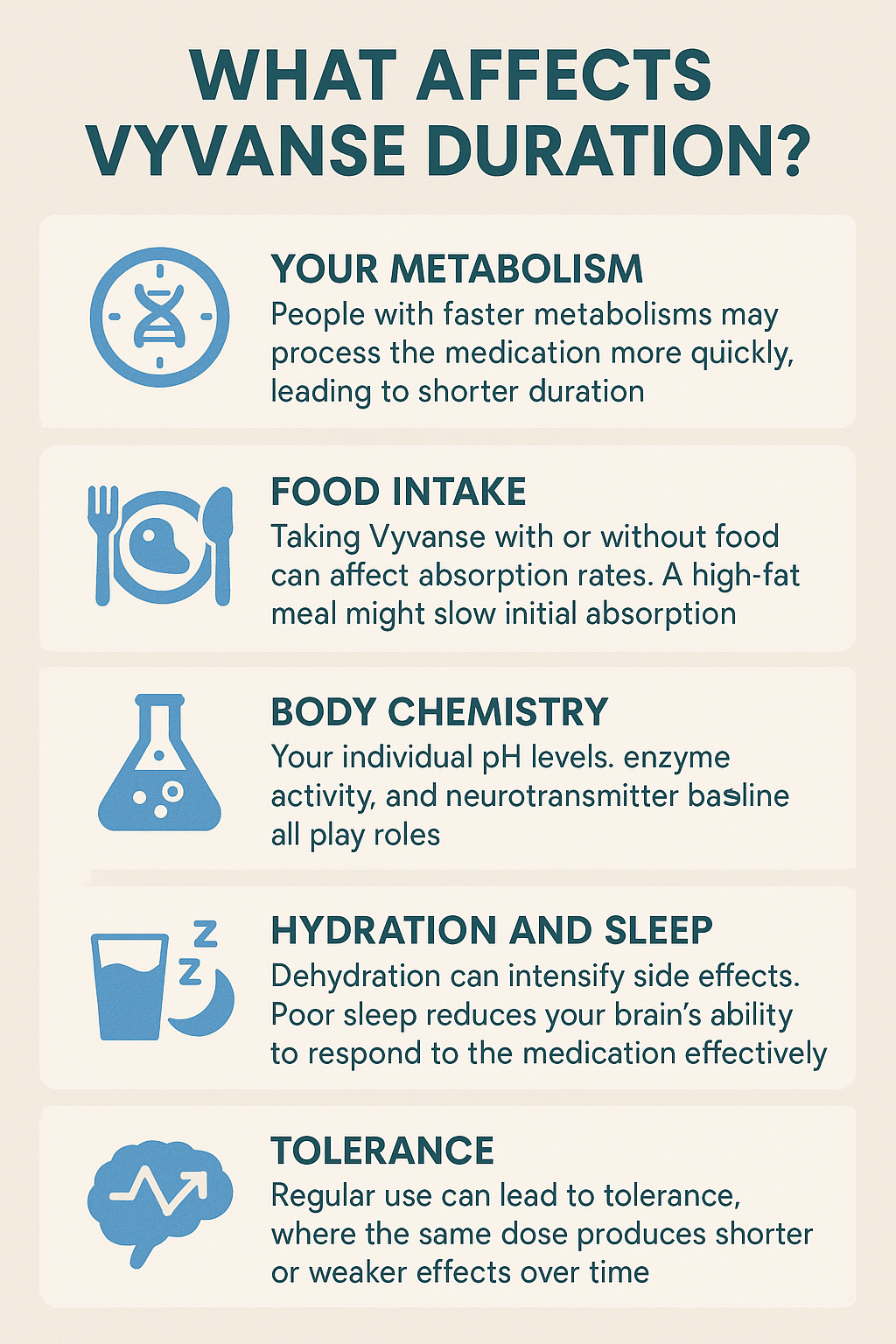
A variety of factors can play pivotal roles in how long Vyvanse lasts for different individuals. Among these are metabolic rates, food intake, sleep quality, and individual health conditions. Below, we delve into these factors more thoroughly to understand their implications.
Metabolism and Body Composition
The rate at which Vyvanse is metabolized is largely dependent on an individual’s metabolism and body composition. Those with higher metabolic rates often experience faster breakdown and clearance of Vyvanse from their systems. In contrast, individuals with slower metabolisms tend to enjoy the effects of Vyvanse for more extended periods. Body mass index (BMI) can also influence the medication’s distribution in the body.
Dietary Factors
What you eat can also significantly impact the effects of Vyvanse. Consuming the drug on an empty stomach may lead to quicker absorption, extending its active period. Conversely, a high-fat meal can delay absorption and reduce the medication’s peak effects. Thus, patients are advised to maintain healthy eating habits to optimize their experience with Vyvanse.
Sleep and Overall Health
A wealth of emerging research points toward the role of sleep in medication efficacy. Poor sleep between doses can result in diminished performance and optimized efficacy on the subsequent dose. Furthermore, overall health factors such as concurrent medical conditions or medications can interact with Vyvanse, impacting clearance time and effectiveness.
How Long Does Vyvanse Stay in Your System?
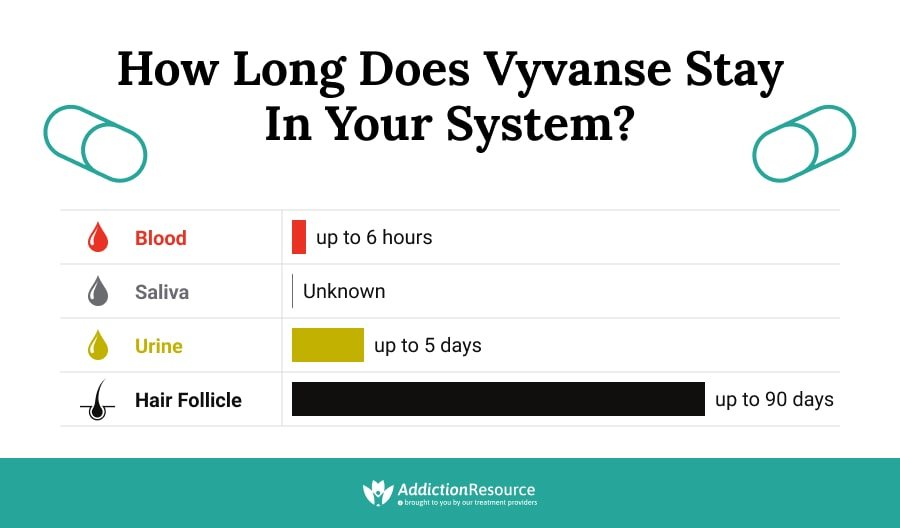
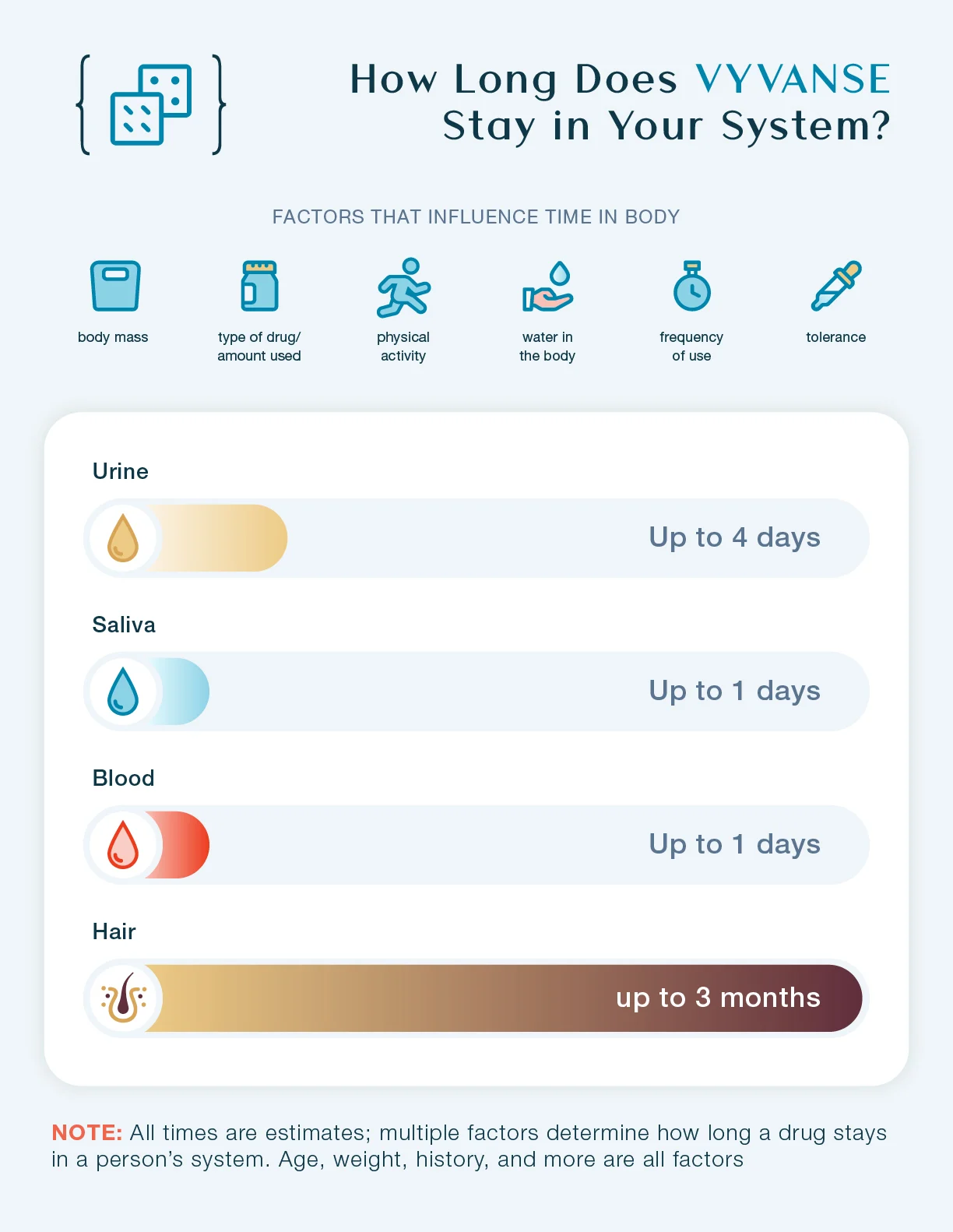
Aside from duration of effects, many individuals wonder how long Vyvanse remains detectable in the system. Typically, Vyvanse can be detected in the body for quite a while after ingestion due to its prolonged release and slow metabolism. Generally speaking, Vyvanse can stay in your system for up to 2-3 days, depending on urinary drug tests and individual metabolic factors.
Additionally, the half-life of Vyvanse is approximately 12 hours. This means it takes about that long for half of the drug to be eliminated from your body. Consequently, patients on Vyvanse could still test positive for dextroamphetamine long after its active effects have subsided. This is particularly relevant for individuals undergoing drug screenings for employment or legal reasons.
Common Concerns and Experiences on Vyvanse Duration
User experiences range broadly when it comes to Vyvanse. Some patients express concerns regarding how quickly the medication seems to wear off, while others find the duration exactly what they need. Understanding these personal anecdotes sheds light on the variability in experiences.
Discrepancies in Duration
Many users on forums like Reddit report mixed experiences regarding how long Vyvanse lasts for them. Some take note that they feel the effects fading by the 4 to 7 hour mark, while others find they feel effects up until the 14-hour mark. Such discrepancies can often lead to confusion and frustration, prompting discussions around adjusting dosages or schedules.
Strategies for Managing the Duration of Effects
Some patients employ specific strategies to maximize the duration of effects. These may include timing meals correctly, staying hydrated, and establishing consistent sleep routines. Additionally, utilizing behavioral therapies alongside Vyvanse can help reinforce the benefits, creating a comprehensive treatment strategy that enhances productivity and reduces symptoms effectively.
Anecdotal Optimizations
User experiences inform many patients to monitor their Vyvanse closely, adjusting intake practices to fit their lifestyle needs. Engagement in forums can also help individuals learn more about what might be contributing to their unique experiences and encourage ongoing discussions between patients and healthcare providers.
Frequently Asked Questions (FAQ)
1. How long does Vyvanse last in children?
Vyvanse generally lasts about 10 to 12 hours in children, similar to its effects in adults. Individual responses can vary, necessitating close observation by caregivers and healthcare providers during dosage adjustments.
2. Does food intake impact Vyvanse duration?
Yes, food can influence how long Vyvanse lasts. Taking it on an empty stomach usually results in quicker absorption and an extended duration of effects, while high-fat meals may delay absorption, impacting the medication’s peak effects.
3. Can I take Vyvanse if I have other health conditions?
Individuals with existing health conditions should discuss their medical history with their healthcare provider before starting Vyvanse. Some health conditions, especially cardiac issues, can influence how Vyvanse affects an individual.
4. What should I do if Vyvanse wears off too soon?
Patients experiencing premature wearing off of Vyvanse should consult their healthcare provider for potential dosage adjustments. It’s crucial to communicate any concerns openly to establish a regimen that works best.
5. Is bread and butter good or bad for taking Vyvanse?
Typically, a balanced and healthy meal is always recommended. However, high-fat foods can lead to delayed absorption of Vyvanse. It’s advisable to consult with a healthcare provider regarding specific dietary impacts on medication efficacy.
6. How long does Vyvanse last for adults at different dosages?
Vyvanse usually has a duration of approximately 10 to 14 hours in adults, depending on the dosage. While 10mg might last around 6-8 hours, higher dosages such as 30mg can maintain effects for up to 12 hours.
7. Can I drink alcohol while taking Vyvanse?
Combining Vyvanse with alcohol is not recommended due to the potential for adverse effects. Alcohol can exacerbate side effects and may diminish the effectiveness of Vyvanse, potentially leading to impulsive behavior.
Key Insights and Final Thoughts
Understanding how long Vyvanse lasts is crucial for optimizing treatment for ADHD and ensuring that individuals are well-equipped to manage their symptoms throughout the day. The average duration ranges from 10 to 14 hours based on dosage and personal factors.
Individual experiences and variations accentuate the necessity for careful monitoring and communication between patients and their healthcare providers. With numerous factors at play, each individual’s journey with Vyvanse is unique, emphasizing the importance of tailored treatment regimens.
As patients navigate their experiences with Vyvanse, prioritizing lifestyle choices—such as healthy eating, maintaining good sleep hygiene, and reflecting on overall well-being—can significantly benefit efficacy while incorporating medication into their lives. Always consult your healthcare provider to ensure that your Vyvanse therapy is as effective and safe as possible.
