🏠 Stay at home! 25% discount on all medicines


How Long Does Concerta Stay in Your System? A Comprehensive Guide

Concerta, a brand name for the drug methylphenidate, is widely prescribed for attention deficit hyperactivity disorder (ADHD) and narcolepsy. It is classified as a central nervous system stimulant and plays a crucial role in enhancing focus and reducing impulsivity. However, one critical question often arises: how long does Concerta stay in your system? Understanding the duration of Concerta’s presence in the body is essential for both users and healthcare providers for several reasons, including management of potential side effects, compliance with medical advice, and implications for drug testing.
Concerta features a unique extended-release formulation that allows for prolonged effects throughout the day. This aspect raises questions about not only its efficacy but also its longevity in the system and how its metabolites might affect drug tests. With a half-life of roughly 3.5 hours, Concerta has a predictable but variable elimination time. But numerous factors, ranging from dosage to individual metabolism, come into play when answering the question of how long it remains detectable in various bodily fluids.
This article will thoroughly explore the pharmacokinetics of Concerta, delve into how different factors can alter detection times, and discuss the implications of those times for individuals taking the medication. Furthermore, we will address common concerns surrounding Concerta’s use, ensuring a comprehensive understanding of this medication.
Understanding Concerta: Mechanism and Half-Life
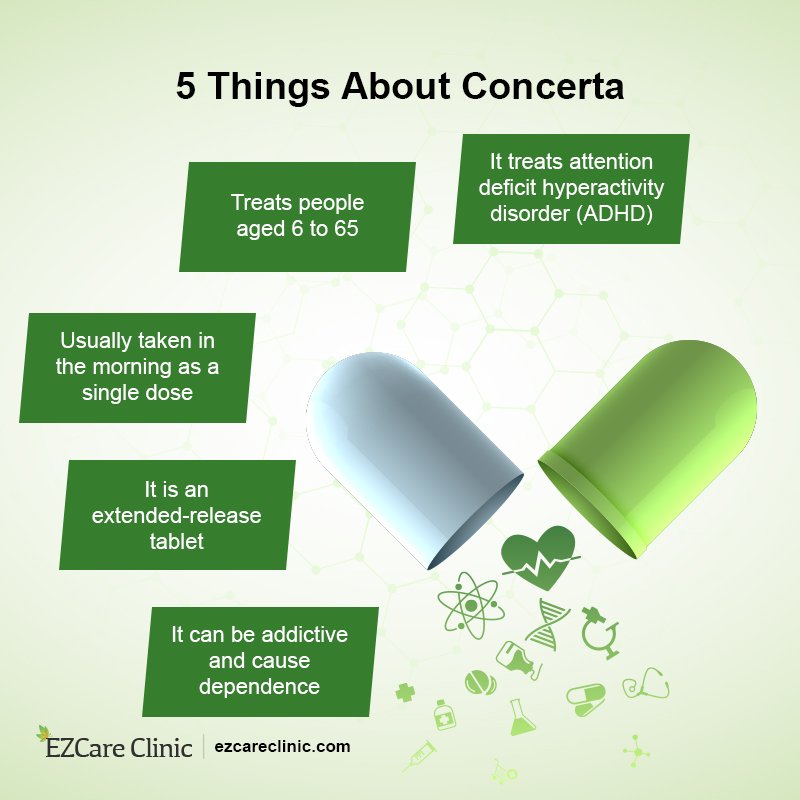
To comprehend how long Concerta lasts in the system, it is essential to first understand its mechanism of action. Concerta works by increasing the levels of certain neurotransmitters in the brain, specifically dopamine and norepinephrine. This enhancement promotes improved focus, reduced impulsivity, and better management of ADHD symptoms. Concerta achieves this through its extended-release delivery system, which provides a steady release of the medication over a user’s active hours.
When discussing longevity in the system, the half-life of the drug becomes crucial. The half-life of a substance is the time it takes for half of the drug to be eliminated from the body. For Concerta, this is approximately 3.5 hours. However, several pharmacological factors affect this duration, influencing how the drug is metabolized and excreted. For example, a significant amount (around 90%) of Concerta is eliminated through urine, indicating that hydration, urine pH, and the presence of other substances can alter how quickly it is removed from the body.
Moreover, distinguishing between the immediate effect of the drug and the time it stays in the system is vital. Many users report the effects lasting up to 12 hours, but once the medication is metabolized, the effects wane significantly sooner. Therefore, while Concerta can aid users throughout a day, it has a relatively short elimination timeline when considering its metabolites.
How Long Does Concerta Stay in Different Bodily Fluids?
The detection period of Concerta varies depending on the type of bodily fluid tested. Factors such as dosage, individual metabolism, and duration of use influence these timelines. A detailed understanding of these parameters is essential, particularly for those facing drug tests.
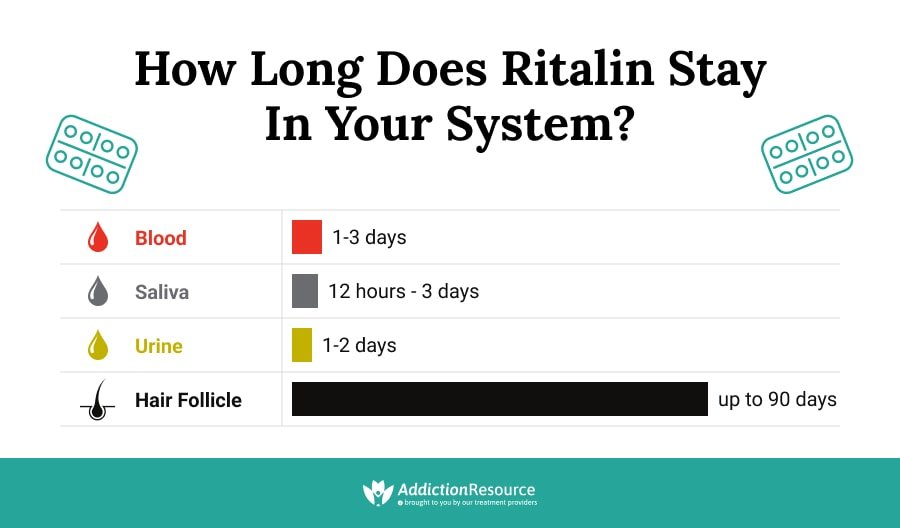
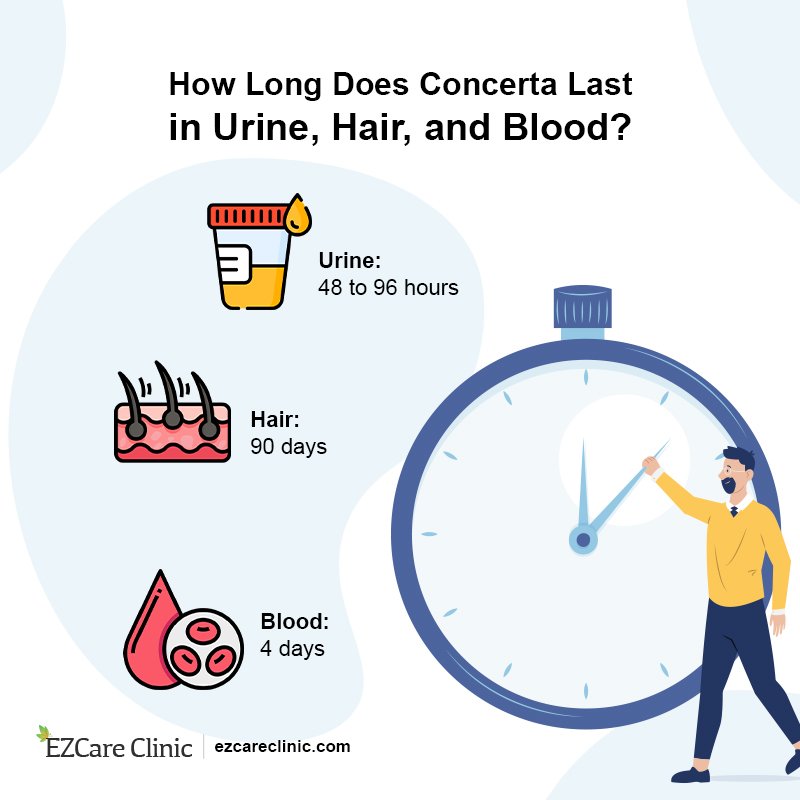
In urine tests, Concerta is typically detectable for 1 to 3 days post-ingestion. These types of tests are common in various situations, from workplace screenings to substance abuse evaluations. Since the metabolic process predominantly affects elimination, factors like hydration and overall kidney health can significantly alter how long Concerta remains in urine.
For blood tests, the detection window is much shorter—up to 12 hours after the last dose. Blood tests offer a more immediate measurement of the drug’s presence and its active physiological effects. Thus, while blood tests can reveal recent usage, they are less effective in determining chronic use than urine tests.
When considering saliva tests, the detection period aligns closely with that of urine, typically ranging from 1 to 3 days. These tests have become increasingly popular due to their ease of administration and ability to provide a snapshot of recent drug use. Lastly, Concerta can be detected in hair samples for up to 90 days, yet this method is less commonly used in routine drug testing formats.
Factors Influencing How Long Concerta Stays in Your System
Several factors can influence how long Concerta remains detectable in your system. While the standard elimination timelines provide a general guideline, personal characteristics and contextual factors can vary widely.
1. Dosage: The amount of Concerta taken directly impacts how long it stays in the system. Higher doses, such as the 54 mg formulation, might take longer to eliminate than the 18 mg or 27 mg forms. The greater the dose, the longer the pharmacokinetic processes can take, leading to prolonged detection times in various fluids.
2. Individual Metabolism: Metabolic rates differ significantly among individuals due to genetic, age, and health status factors. Some individuals may metabolize Concerta much faster or slower than average, affecting how long the substance stays in their urinary or blood streams. For instance, individuals with a faster metabolism may find that Concerta is eliminated in a day or even less, while others may experience longer durations.
3. Frequency of Use: Individuals taking Concerta regularly may develop a drug accumulation in their body, leading to longer detection times compared to occasional users. Continuous use leads to more metabolites being present, which can result in extended presence in urine or blood samples due to a higher steady-state concentration of the drug.
4. Age and Health Factors: Younger individuals often metabolize drugs more efficiently than older adults. Additionally, kidney and liver function significantly influences how drugs are processed and excreted. Health conditions affecting these organs may prolong how long Concerta stays in the system, leading to updated strategies for treating ADHD in older patients or those with chronic illnesses.
How Long Does Concerta Take to Kick In?
Understanding when Concerta begins to take effect is critical for users to manage their daily schedules and symptoms effectively. After ingestion, Concerta typically starts to work within 30 to 60 minutes, with peak effects showing between 2 to 4 hours after administration. This onset time can vary based on multiple factors, including whether the user has just eaten or taken the medication on an empty stomach.
The extended-release formulation is designed to provide sustained activity throughout the day, which is particularly beneficial for individuals struggling with ADHD. Users appreciate this steady effect as it helps maintain concentration and focus without the peaks and troughs often associated with immediate-release formulations.
While the stimulating effects of Concerta last approximately 10 to 12 hours, its metabolites will gradually clear from the system long after the subjective effects fade away. Therefore, understanding this timeline can help users organize their medication schedule to maximize effectiveness while minimizing any potential side effects.
Concerta and Drug Testing: What You Need to Know
Concerta’s presence in the system raises pertinent questions for individuals facing drug tests. Given that Concerta is a central nervous system stimulant and a controlled substance, it could show up on various drug screening methods. Consequently, users must be informed about how long it remains detectable in various tests.
Common drug tests typically target illicit substances and can erroneously flag Concerta if the user is not forthcoming about their medication history. It is imperative for users to inform testing authorities of their prescription to avoid misinterpretation of drug use findings. If a drug screening includes monitoring for methylphenidate, a positive result may necessitate providing documentation from the prescribing physician to clarify the legitimate use of the medication.
The detection windows vary based on the test type, as previously mentioned, with urine tests being the most comprehensive for everyday situations. Additionally, knowing these timelines can allow users to plan their medication intake relative to any impending tests.
Will Concerta Show Up on a Drug Test?
Absolutely, Concerta can show up on standard drug tests, especially those designed to screen for stimulants. While most traditional tests primarily screen for cannabis, opiates, and cocaine, many advanced tests include metabolites specific to Concerta. This situation can lead to positive test results unbeknownst to users if they have not disclosed their prescribed medication.
In addition to urine and blood tests, Concerta may also be detectable in saliva and hair tests, albeit for different durations. Users unaware of potential drug testing might be caught off guard by unexpected positivity on a drug test. Therefore, it is advisable to discuss any legal or medical implications of Concerta use with a healthcare provider.
Organizations and workplaces that require drug testing often have protocols for managing legally prescribed medications. Knowing this can provide peace of mind for Concerta users while also enabling informed decision-making around their medication and occupation.
Potential Side Effects and Considerations for Users
Like any medication, Concerta is not without its potential side effects. Understanding these is essential for users to mitigate risks effectively while benefiting from the drug’s advantages. Common side effects include but are not limited to a loss of appetite, insomnia, increased heart rate, and anxiety.
Moreover, individuals may experience emotional changes such as mood swings or increased irritability while on the medication. As Concerta influences neurotransmitter levels, its effects can also trickle into anxiety disorders or contribute to stress responses. Users should remain vigilant for any adverse reactions and contact their healthcare providers if they observe concerning changes.
Concerta is generally well-tolerated, yet some populations must tread cautiously. Individuals with a history of substance use disorders or severe cardiovascular issues should discuss risks associated with stimulant medications with their physicians. It’s essential to individualize treatment plans to align medical needs with health safety.
What Are the Symptoms of Concerta Overdose?
Knowing about potential overdose symptoms is vital for users of Concerta. Although rare, taking doses beyond the prescribed amount can lead to nausea, vomiting, rapid breathing, panic, abnormal heart rhythms, and, in severe cases, seizures. If any of these symptoms arise, it is critical to seek medical attention immediately.
In cases of overdose, medical professionals may administer activated charcoal to prevent further absorption of the medication or utilize supportive care to manage symptoms. Understanding these risks encourages users to adhere closely to their prescribed dosages and maintain open lines of communication with their healthcare providers.
As a best practice, individuals using Concerta should regularly consult with their doctors to monitor their response to the medication and adjust dosages as necessary to reduce risks while maximizing therapeutic efficacy.
FAQs About Concerta and Its Duration in the System
1. How long does Concerta last for ADHD treatment?
When taken as prescribed, Concerta is designed to last between 10 to 12 hours. This time frame allows individuals with ADHD to have extended focus during the day, improving their capacity to manage symptoms effectively. The drug’s design allows patients to maintain greater concentrations of neurotransmitters throughout the day, assisting them in their daily activities and responsibilities without the peaks and valleys typically experienced with other formulations.
2. Does food affect how long Concerta stays in your system?
Food can impact the absorption of Concerta, which in turn could slightly alter how long it stays in your system. Taking Concerta with food, especially a high-fat meal, can delay its absorption, potentially extending the time it remains active in the bloodstream. Users should consider timing their doses accordingly based on their eating habits to optimize therapeutic effects.
3. Can drinking water expedite the elimination of Concerta?
While staying hydrated is essential for overall health, drinking excess water does not significantly speed up the excretion of Concerta from the system. Since Concerta is primarily eliminated through urine, maintaining adequate hydration can ensure normal kidney function, but it does not drastically alter the drug’s half-life or detection windows.
4. How long does Concerta remain detectable in urine for a regular user?
For regular users, Concerta can generally remain detectable in urine for up to 3 days after the last dose. However, some factors—such as dosage, frequency of use, and individual metabolism—can influence this timeframe, leading to variations among users.
5. What should I do if I’m facing a drug test while on Concerta?
If you are on Concerta and facing a drug test, it is crucial to disclose your prescribed medication to the testing authorities prior to testing. Maintaining communication with your healthcare provider can also provide you with pertinent documentation verifying your use of Concerta. This transparency helps to avoid misunderstandings about drug use that could arise from a positive test result.
6. Are there any alternatives to Concerta for ADHD treatment?
Yes, there are several alternatives to Concerta for ADHD treatment. Other methylphenidate formulations exist, as well as amphetamine-based medications like Adderall. Moreover, non-stimulant medications such as atomoxetine or guanfacine can be useful for patients who may not tolerate stimulants well. Consideration of alternatives should always involve a thorough discussion with a qualified healthcare provider to determine the best fit for individual treatment plans.
7. Is it safe to take Concerta long-term?
Long-term use of Concerta can be safe for many individuals when monitored by healthcare professionals. Regular evaluations can help assess the effectiveness and any potential side effects experienced over time. Patients must remain in continual communication with their providers to ensure the medication adheres to evolving health needs and circumstances.
Conclusion: Key Takeaways on Concerta’s Presence in Your System
Understanding how long Concerta stays in your system can play a vital role in managing ADHD treatment and navigating daily challenges, including drug testing. With its half-life of approximately 3.5 hours and individual factors influencing detection times in urine, blood, and saliva, users should remain informed and proactive in their health journeys.
Concerta typically remains detectable for 1 to 3 days in urine, up to 12 hours in blood, and may linger in hair for up to 90 days. Various factors, including dosage, metabolism, and frequency of use, contribute to how long the medication is present in the body. Therefore, maintaining transparent communications around prescribed medications in situations like drug testing is essential.
As the role of medications like Concerta continues to evolve in managing ADHD, educating oneself about the pharmacodynamics at play can empower users to navigate their treatment responsibly and effectively. Always consult healthcare professionals for personalized advice, and remain aware of potential side effects and risks associated with long-term usage.
