🏠 Stay at home! 25% discount on all medicines


How Long Does Ambien Take to Kick In? Understanding Its Effects

Ambien, known generically as zolpidem, is a widely prescribed medication for individuals struggling with insomnia. Statistics reveal that as many as 30% of adults experience insomnia at some point in their lives, and with that, many turn to medications like Ambien for relief. Knowing how long it takes for Ambien to kick in is crucial for those who are trying to manage their sleep disorders effectively and safety. Understanding the pharmacokinetics of zolpidem and its effects can set the stage for better sleep management.
The primary action of Ambien is to facilitate the onset of sleep by interacting with the brain’s GABA receptors, promoting a sedative effect. For individuals who are eager to find quick solutions to sleep disturbances, the speed with which Ambien enables sleep becomes a vital factor. In medical guidance, it’s indicated that Ambien takes approximately 30 minutes to begin to take effect, allowing users to drift into sleep relatively quickly when taken properly.
In this comprehensive article, we will dive deeper into the topic, covering not only how long Ambien takes to kick in but also how it works, the proper way to take it, potential side effects, and important safety considerations. For anyone considering or currently using Ambien, these insights can be invaluable.
Understanding the Mechanism of Ambien (Zolpidem)
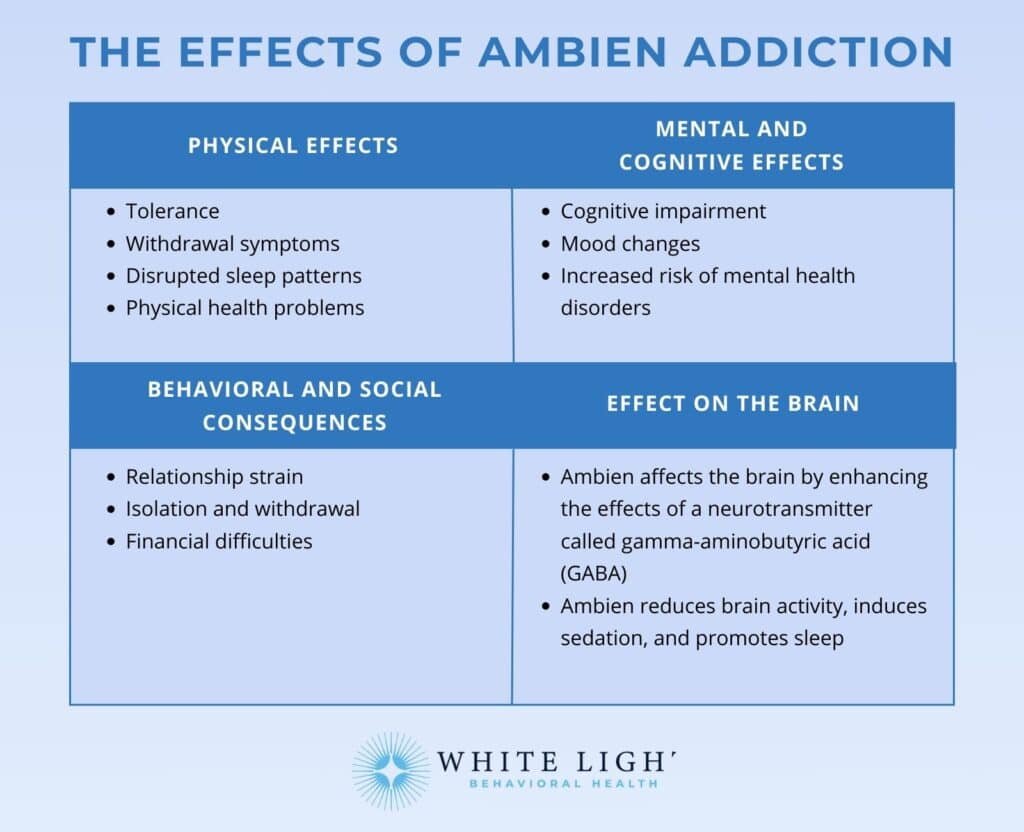
To grasp how long Ambien takes to kick in, it’s essential to understand its mechanism of action. Ambien belongs to a class of medications known as sedative-hypnotics, specifically a subgroup known as non-benzodiazepine hypnotics. Its primary mechanism involves modulating the activity of neurotransmitters in the brain, particularly the neurotransmitter gamma-aminobutyric acid (GABA).
When Ambien is ingested, it rapidly enters the bloodstream and reaches the brain, where it binds to GABA receptors, enhancing the inhibitory effects of this neurotransmitter. This inhibition helps facilitate relaxation and induces drowsiness, making it easier to fall asleep. It’s this action that explains why most people begin to feel the effects within 15 to 30 minutes after taking the medication.
This swift onset is critical for those who need immediate relief from their inability to sleep. But while many users may find that it starts working within half an hour, individual variances play a significant role, influenced by factors such as dosage, consumption of food, and overall body chemistry.
What Influences the Onset Time?
While Ambien generally takes about 30 minutes to kick in, several factors can influence this timing:
- Food Intake: Taking Ambien on a full stomach can delay its onset of action. If a user consumes a heavy meal shortly before taking the medication, it may slow the absorption rates, increasing the time it takes for the sedative effects to begin.
- Dosage: Ambien is available in several strengths, typically 5 mg and 10 mg. A higher dosage may have a more pronounced effect than a lower one, but it could also come with increased potential for side effects.
- Individual Differences: Age, metabolic rate, and overall health can impact how quickly medications are processed in the body. For instance, older adults may metabolize medications more slowly than younger individuals.
- Alcohol Consumption: Pairing Ambien with alcohol can amplify sedative effects but also can lead to unpredictable outcomes, including delayed onset times. This is a dangerous combination that can severely impact mental and physical health.
Understanding these various factors is crucial for any user of Ambien. Being aware of how these can change individual experiences with the drug can help in effectively managing sleep strategies and avoiding potential pitfalls.
How to Take Ambien Correctly
The manner in which Ambien is taken can significantly affect how quickly it works. It’s recommended to take Ambien just before bedtime, ideally when one is actually prepared to sleep. Here are some guidelines to ensure that it works effectively:
1. **Timing**: Taking Ambien within 15 minutes of intending to go to bed can optimize its efficacy.
2. **Dosage**: The typical prescription for adults is one 10 mg tablet; however, physicians may prescribe a lower dosage for older adults or those with certain health conditions. It’s critical not to take more than the prescribed dosage to avoid severe side effects.
3. **Avoiding Food and Alcohol**: Ambien should ideally be taken on an empty stomach, and consumption of alcohol should be strictly avoided. Both factors can alter the medication’s effects and lead to undesirable outcomes.
By adhering to these guidelines, users can maximize the likelihood that Ambien will work effectively and safely.
Duration of Ambien’s Effects
After understanding how long it takes for Ambien to kick in, it’s also essential to be aware of how long its effects last. The sedative effects of Ambien typically last for about 6 to 8 hours, which aligns with its intended use for treating sleep onset insomnia. The medication is designed to help users fall asleep and ideally helps maintain sleep throughout the night.
However, the actual duration of effects can vary based on the same factors influencing its onset time. For instance, individuals with a fast metabolism might find that the effects wear off sooner, while those who metabolize slower may experience prolonged sedation.
It’s also worth noting that Ambien’s effects can vary widely in individuals, particularly regarding feelings of grogginess or fatigue upon waking. Some users report experiencing a hangover effect the following day, particularly if they didn’t get a full night’s sleep after taking it.
What Are the Side Effects of Ambien?
Like any medication, Ambien comes with potential side effects that users should be aware of. While many people tolerate zolpidem well, others may experience adverse effects that could deter them from its use:
Common Side Effects:
- Drowsiness
- Dizziness
- Headaches
- Nausea
- Daytime fatigue
These side effects are generally mild but can be enough to prompt users to discuss alternatives with their healthcare providers. More severe reactions, although rare, can occur and include:
Severe Side Effects:
- Allergic reactions (rash, itching, swelling)
- Memory problems (amnesia) related to behavior performed after taking the drug
- Sleepwalking or engaging in other activities while not fully awake
- Changes in mood or behavior
Awareness of these side effects is crucial for anyone considering Ambien, as it can help users remain informed and vigilant regarding their health while using this medication.
Risk of Dependence and Withdrawal
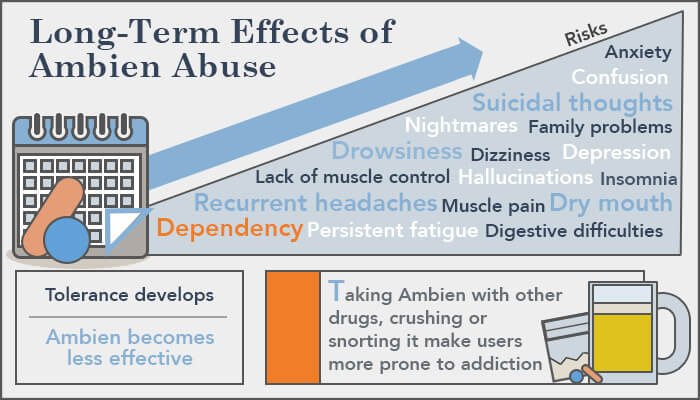
Another important aspect of taking Ambien is the risk of dependence, especially with prolonged use. While Ambien is not categorized as a narcotic, it does have sedative properties that can lead to psychological dependence. Regular use can lead to tolerance, which may require individuals to consume higher doses to achieve the same sleep-inducing effects.
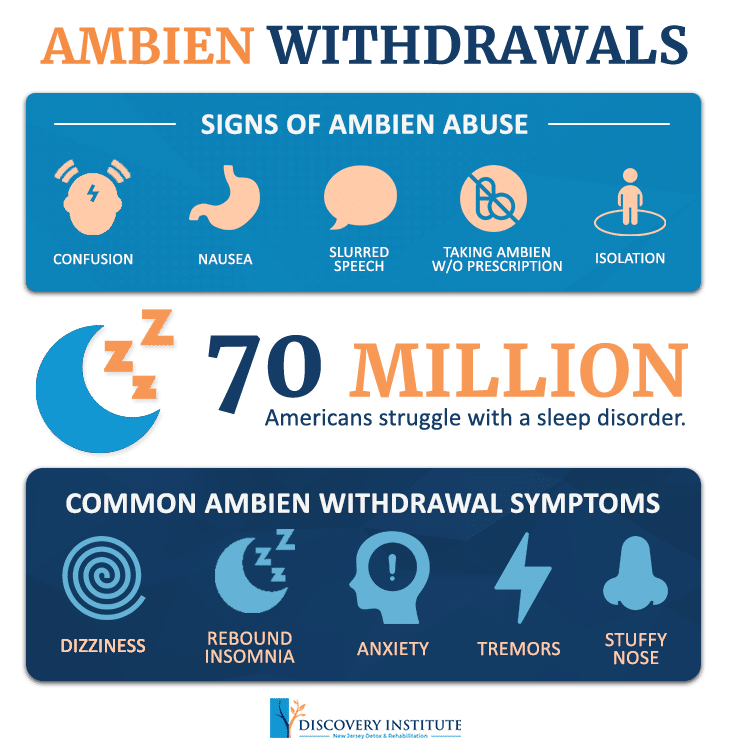
Should a user decide to stop taking Ambien after long-term use, they may experience withdrawal symptoms, which can include:
- Insomnia
- Increased anxiety
- Tremors
- Severe agitation
To safely discontinue use, it’s recommended to consult with a healthcare provider who can formulate a tapering plan, helping to gradually reduce the dosage to minimize withdrawal symptoms.
Ambien and Specific Populations
The effects of Ambien can differ among various populations, and it’s crucial for healthcare providers to adjust prescriptions accordingly. Two critical groups to consider are older adults and those with liver problems.
Older Adults and Ambien Use
Older adults often face unique challenges when taking medications like Ambien due to age-related physiological changes. The body’s metabolism slows with age, which might lead to prolonged effects of the drug. These individuals are often prescribed lower doses, commonly 5 mg, to reduce the likelihood of intense sedation and increase the safety of the medication.
In older patients, doctors need to exercise caution, particularly because the risk of falls and injuries increases with excessive sedation. Continuous assessment and monitoring are vital to ensure this demographic can use Ambien safely.
Individuals with Liver Conditions
For those with liver issues, dosage adjustments are equally important. As the liver metabolizes Ambien, any impairment in liver function can lead to elevated blood levels of the drug, increasing the likelihood of side effects and potential toxicity. Therefore, the healthcare provider typically assesses liver function before prescribing this medication, tailoring the dosage to suit the individual’s unique health status.
Alternatives to Ambien for Insomnia Management
While Ambien can be effective for many people, it is not the only option for managing insomnia. Several alternatives exist, ranging from lifestyle changes to natural remedies and other prescription medications. Key alternatives include:
Behavioral Therapy
One of the most effective long-term solutions for insomnia is Cognitive Behavioral Therapy for Insomnia (CBT-I). Unlike medications, CBT-I addresses the underlying causes of insomnia through behavioral and cognitive interventions. Studies have shown that patients often experience sustainable improvements in sleep quality and duration without the side effects associated with sleep medications.
Natural Sleep Supplements
Several over-the-counter alternatives can aid sleep, such as melatonin, valerian root, and magnesium supplements. These natural remedies often serve as a gentle alternative to prescription medications, making them a viable option for individuals seeking to avoid drug dependence.
Sleep Hygiene Practices
Adopting good sleep hygiene practices can significantly improve sleep quality. This includes maintaining a regular sleep schedule, creating a relaxing wind-down routine, optimizing the sleep environment for comfort, and avoiding stimulants like caffeine and electronics before bedtime. Simple lifestyle adjustments can make a profound difference in combating sleep disturbances.
Frequently Asked Questions
1. Is Ambien safe for long-term use?
Ambien is generally recommended for short-term use due to risks of dependency, addiction, and tolerance. Long-term usage can pose risks, so it is crucial to consult with a healthcare provider if you find the need to use it regularly.
2. Can I take Ambien with other medications?
It’s essential to discuss all medications and supplements you are taking with your healthcare provider before initiating Ambien. Combining Ambien with certain medications, especially other central nervous system depressants, can increase sedation and the risk of respiratory issues.
3. What if I forget to take my Ambien?
If you forget to take Ambien before bedtime, do not double the next dose. If it’s close to your regular wake-up time, skip the dose entirely to avoid carrying over effects into the next day.
4. Are there alternatives to chemical sleep aids?
Yes, many alternatives exist, including behavioral therapies like CBT-I, natural supplements such as melatonin, and implementing good sleep hygiene practices. These methods tend to have fewer side effects and can lead to more sustainable sleep benefits.
5. How long does Ambien stay in your system?
Ambien typically remains detectable in the body for 24 hours after ingestion. However, its effects usually last around 6 to 8 hours, depending on individual metabolic rates and the dosage taken.
6. Can I drive after taking Ambien?
It is recommended that you refrain from driving or operating heavy machinery after taking Ambien, especially within the first few hours after consumption, due to potential impairment and decreased alertness.
7. What should I do if I experience unusual side effects?
If you experience side effects that concern you or if any unusual behavior occurs after taking Ambien (such as sleepwalking), it’s crucial to notify your healthcare provider immediately for further advice and management.
Conclusion
Understanding how long Ambien takes to kick in, its effects, and potential side effects is essential for anyone considering this sleep medication. Armed with this knowledge, users can make informed decisions about the medication while prioritizing their safety and well-being.
Ambien is a powerful tool for managing sleep-related issues, especially for individuals grappling with the distress of insomnia. Nonetheless, the importance of understanding proper usage, potential risks, and alternative sleep strategies cannot be overstated. If you or someone you know struggles with sleep issues, exploring all options and consulting with a healthcare provider can pave the way toward healthier and more sustainable solutions.
Whether Ambien serves as a temporary aid or prompts deeper conversation regarding sleep management, being well-informed empowers users to take control of their sleep health confidently. By combining knowledge with personal experiences, the journey towards restful sleep can be a more positive and efficacious endeavor.
