🏠 Stay at home! 25% discount on all medicines


How Long Does Adderall Take to Work or Kick In?

Adderall, a combination of amphetamine and dextroamphetamine, is a widely used medication prescribed for treating attention deficit hyperactivity disorder (ADHD) and narcolepsy. Millions of people rely on this stimulant to enhance their focus, attention span, and energy levels. However, a common question arises: how long does Adderall take to work or kick in? This query is essential for both new users and those adjusting their dosages. Understanding its onset time and peak effectiveness is vital for getting the most out of the medication.
The onset of Adderall’s effects can vary significantly based on several factors, such as whether the individual has consumed food before taking the medication, the dose taken, and whether the individual is using the immediate-release (IR) or extended-release (XR) formulation. This article provides a deep dive into how long it takes for Adderall to kick in, factors that influence its effectiveness, and important considerations for users.
When prescribed Adderall, patients often seek to understand its timeline and how it affects their daily lives. Knowing when to expect the medication to take effect can help optimize its use and align it with daily activities, whether for work, school, or other commitments. In the following sections, we will break down the onset time for different dosages and formulations, helping readers gain a comprehensive understanding of Adderall’s efficacy.
Understanding Adderall Onset Time
The onset time of Adderall varies primarily between its immediate-release and extended-release formulations. Generally, users can expect to notice effects from Adderall within 20 to 60 minutes after ingestion for the immediate-release form.
What is the Onset Time for Immediate-Release Adderall?
The immediate-release form of Adderall typically starts showing effects within 20 to 30 minutes after consumption. Users might feel a surge of focus and energy as the medication begins to take effect. However, achieving peak performance usually takes a little longer; users may notice that effects peak around the 2 to 3-hour mark following ingestion.
It’s essential to remember that individual responses can vary. While some might feel the initial effects relatively quickly, others may take up to an hour to fully experience the medication’s impact. This variability is often attributed to factors like metabolism, individual sensitivity to stimulants, and overall health.
How Long Does Extended-Release Adderall Take to Work?
For those using Adderall XR (extended-release), the timeline is slightly different. Generally, individuals taking the XR version can expect effects to begin around 30 to 60 minutes after ingestion. This formulation is designed to release the medication gradually over time, providing more sustained relief from ADHD symptoms.
The duration of effectiveness for Adderall XR can last much longer than the IR version, with effects typically extending up to 12 hours. This prolonged effect can be particularly beneficial for those who require consistent attention and focus throughout their day.
Factors Influencing the Onset of Adderall
Understanding how long Adderall takes to work is multifaceted and influenced by various factors. From food intake to individual physiology, here’s what users need to consider.
Does Food Intake Affect How Quickly Adderall Works?
What users consume prior to taking Adderall can significantly impact its onset time. When taken on an empty stomach, many individuals report a quicker onset of action, often within the typical 20 to 30-minute range. This occurs because the body can absorb the medication more rapidly when there is little to no food in the stomach to delay absorption.
Conversely, taking Adderall on a full stomach may delay its effectiveness. Digestion can slow the absorption of the medication, leading to a longer onset time, often pushing it to the 60-minute mark or beyond. Users are strongly advised to consider their eating habits in relation to their dosing schedule to achieve optimal results.
How Does a Person’s Metabolism Impact Adderall Onset?
Individual metabolism plays a crucial role in how quickly Adderall takes effect. Factors such as age, overall health, and genetic predispositions can contribute to variances in metabolic rates. For instance, younger individuals often have faster metabolic rates than older adults. Consequently, younger patients may experience faster onset times compared to their older counterparts.
Additionally, certain medical conditions or medications can influence metabolism. Individuals with slower metabolic rates may find that Adderall takes longer to kick in, while those with faster metabolisms may feel its effects more quickly. It’s critical for users to work closely with healthcare providers to understand how their unique physiology might affect their response to the medication.
What Are the Effects of Dosage on Onset Time?
Another significant factor influencing how long Adderall takes to work is the dosage. Common initial doses of Adderall, such as 5 mg, typically lead to rapid onset times. Users may notice effects manifesting quickly due to the low dosage, allowing for efficient absorption in the body.
Higher doses, such as 10 mg or 20 mg, can also impact onset time. While individuals often still experience effects within the expected time frame, the peak intensity may vary. Some users may find that their bodies take a bit longer to adjust to higher doses, potentially leading to a longer perceived onset time. It is crucial for individuals to consult their healthcare providers for proper dosing to manage expectations regarding onset and overall effectiveness.
Duration of Adderall’s Effects
Understanding how long Adderall takes to work includes looking into the duration of its effects. Depending on the formulation and individual usage patterns, the duration can vary significantly.
How Long Does Immediate-Release Adderall Last?
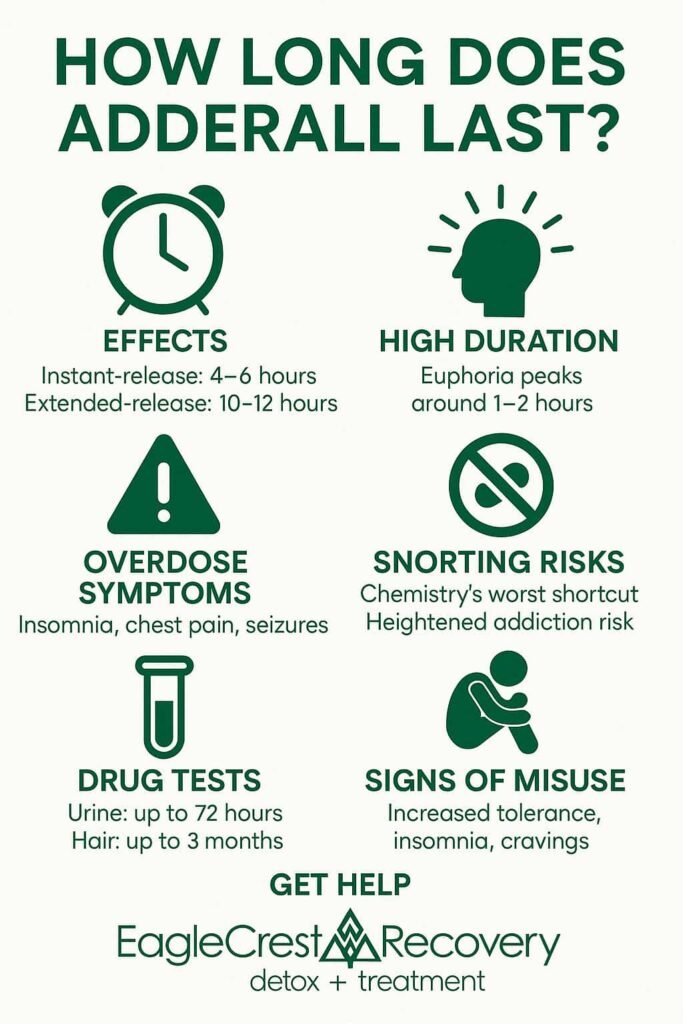
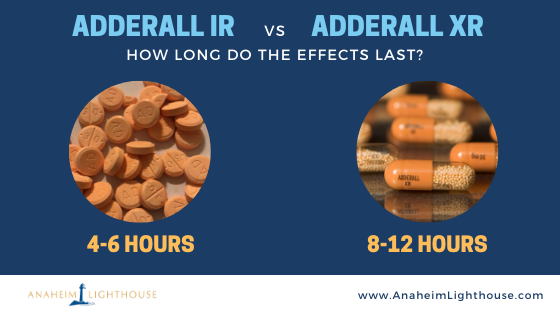
The effects of immediate-release Adderall typically last around 4 to 6 hours. This short duration can be advantageous for users who prefer to manage symptoms in a more segmented manner throughout the day. It allows for flexibility in behavior, as individuals can take subsequent doses as needed to maintain functionality.
However, the short duration might lead some users to require multiple doses throughout the day to achieve consistent symptom management. This ‘dosing schedule’ can turn into a balancing act, ensuring that the timing aligns with daily responsibilities.
How Long Does Adderall XR Last Compared to IR?
In contrast, the extended-release version of Adderall is built to last much longer. Users can typically expect effects to last between 8 to 12 hours. This longer duration makes Adderall XR a more convenient option for those who prefer less frequent dosing throughout the day.
While many users appreciate the extended duration, there can be drawbacks as well. Some may experience a lack of efficacy toward the end of the dosage cycle, which can lead to challenges in maintaining consistent attention and focus. This phenomenon encapsulates the importance of individual preference and lifestyle management in selecting between the two formulations.
Common Experiences of Adderall Users
When discussing how long Adderall takes to work, anecdotes from users often provide insight into real-world effectiveness. While clinical guidelines offer general expectations, individual experiences can vary widely.
What Do Users Report About Immediate-Release Adderall?
Many users of immediate-release Adderall report that they feel the effects kick in within the established 20 to 30 minutes. Some users note a particularly acute awareness and increased motivation almost immediately after taking the medication.
However, frustration can arise among those who feel that their body takes too long to respond, sometimes reporting onset times stretching to close to an hour. Recognizing that there is a chance for variability can help users set reasonable expectations accordingly.
How Do Experiences Differ with Adderall XR?
Users of Adderall XR often express gratitude for its sustained effect, as it allows them to manage symptoms throughout a busy workday or during classes. Those who adhere to a structured routine tend to find the extended-release formulation a valuable ally in balancing productivity with personal downtime.
However, some users have reported that the effects may feel weaker toward the end of the dosage period, leading to a phenomenon sometimes called the “crash.” This experience highlights that although Adderall XR is designed to provide lasting effects, attention to one’s own rhythm and energy levels is crucial.
FAQs About Adderall Onset and Effects
How can I tell if Adderall is working for me?
The effectiveness of Adderall can be measured through various aspects of functioning. Many users report feeling more focused, organized, and less impulsive after taking the medication. Accepting these changes as signals that Adderall is working can be beneficial in evaluating its efficacy. It’s advisable to maintain open communication with healthcare providers to discuss any changes in behavior or side effects.
What should I do if Adderall isn’t working as expected?
If users observe that Adderall does not seem to be providing the necessary relief, it is crucial to reach out to a healthcare provider. Factors influencing the medication’s efficacy could stem from improper dosing, food intake, or personal health considerations. Adjustments may be made to optimize treatment effectiveness.
Can I take Adderall with other medications?
Before mixing Adderall with other medications, it’s essential to consult with a healthcare professional. Certain medications may interact with Adderall, altering its effectiveness or increasing the risk of side effects. A thorough review of prescription lists and health status with a provider can ensure that any potential interactions are carefully managed.
How long does it take Adderall to kick in during different times of the day?
While the timeframe for Adderall’s onset generally remains consistent irrespective of the time of day, some users might find variations in effectiveness based on their body’s energy levels or prior dietary habits. Morning doses when taken on an empty stomach may yield faster results compared to afternoon doses, particularly if meals interfere with absorption.
What should I know about the potential side effects of Adderall?
While many users enjoy the benefits of Adderall in managing ADHD symptoms, it’s crucial to recognize potential side effects. Common side effects may include insomnia, decreased appetite, dry mouth, and increased heart rate. Monitoring these effects and discussing any concerns with a healthcare provider can help maintain the treatment balance.
Can I develop a tolerance to Adderall over time?
Yes, some users may develop a tolerance to Adderall, meaning that over time they might find that the same dosage provides diminished effects. Regular check-ins with healthcare providers can allow individuals to assess their usage patterns and make necessary adjustments to maintain efficacy.
Conclusion
In summary, understanding how long Adderall takes to work is vital for users seeking to optimize their treatment for ADHD and narcolepsy. The onset times for immediate-release and extended-release formulations vary significantly, typically ranging from 20 to 60 minutes. Additionally, factors such as food intake, metabolism, and dosage all play a crucial role in determining how quickly the medication takes effect.
While many report positive outcomes, variability in individual responses highlights the importance of tailored approaches to medication. Users must closely monitor their experiences and maintain open communication with healthcare professionals to achieve the best results.
As with any medication, both patience and understanding of one’s personal health journey are key to successful management. Being informed about the nuances of Adderall’s effectiveness can empower users to take control of their treatment plans and improve their daily lives.
