🏠 Stay at home! 25% discount on all medicines


How Does Strattera Work? Understanding Its Mechanism and Benefits

Attention Deficit Hyperactivity Disorder (ADHD) affects millions of individuals worldwide, significantly impacting their daily functioning and quality of life. The treatment landscape for ADHD has evolved, with a variety of medications available. Among these is Strattera (atomoxetine), a non-stimulant drug that operates distinctly from traditional stimulant medications like Adderall and Ritalin. Its unique mechanism of action offers an alternative for both children and adults struggling with ADHD symptoms. This article will explore the question ‘how does Strattera work’ in depth, examining its biochemical effects, clinical implications, and potential benefits.
Strattera gained FDA approval in 2002 as the first non-stimulant medication for ADHD. Unlike stimulant medications that primarily increase dopamine levels, Strattera works by selectively inhibiting the reuptake of norepinephrine, a neurotransmitter linked to attention regulation and impulse control. Understanding how Strattera works, not only sheds light on its efficacy but also highlights why it may be the better choice for certain patients, particularly those who might be sensitive to stimulants or have a history of substance abuse.
Through this comprehensive overview, readers will gain insights into the intricate workings of Strattera, evaluate its benefits over stimulants, and clarify common questions surrounding its use. From understanding its mechanism of action to exploring its effects on the brain and symptoms of ADHD, we will provide a detailed examination to equip you with knowledge about this critical treatment option.
What Is Strattera and How Does It Work?
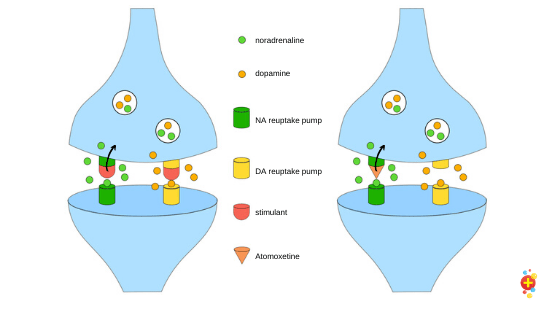
Strattera, generically known as atomoxetine, belongs to a class of medications specifically designed for the treatment of ADHD. As a selective norepinephrine reuptake inhibitor (NRI), its primary role is to enhance the concentrations of norepinephrine in the brain. By blocking the norepinephrine transporter (NET), Strattera prevents norepinephrine from being reabsorbed back into the presynaptic neuron, which effectively increases its availability in the synaptic cleft—where neurotransmitters communicate between nerve cells.
Unlike stimulants that elevate dopamine levels and consequently may lead to euphoria and potential misuse, Strattera targets norepinephrine exclusively. This difference in action showcases the importance of norepinephrine in moderating attention control, mood, and impulse regulation. In individuals with ADHD, research suggests that there may be insufficient levels of norepinephrine, making the role of Strattera in restoring balance crucial. By increasing norepinephrine availability, patients often notice an improvement in their ability to concentrate, completing tasks more efficiently, and controlling impulsive behavior.
Clinical trials have demonstrated the efficacy of Strattera for both children and adults diagnosed with ADHD. Certain studies indicate that patients might experience notable improvements in as early as one to two weeks following the initiation of Strattera, although optimal benefits could take up to several months to manifest fully. This gradual onset shapes the expectations for treatment, distinguishing it from stimulant medications that can yield immediate effects.
How Does Strattera Work in the Brain?
The primary action of Strattera revolves around its selective inhibition of norepinephrine transport, directly affecting the norepinephrine level in critical areas of the brain responsible for attention and executive function. When atomoxetine binds to the norepinephrine transporter (NET), it reduces the reabsorption of norepinephrine and enables greater amounts of this neurotransmitter to remain active in the synapse, facilitating heightened alertness and cognitive processing.
This action manifests in core symptoms of ADHD, which include inattention, hyperactivity, and impulsivity. By increasing norepinephrine, Strattera promotes enhanced signal transmission in neurons, particularly within the prefrontal cortex, an area essential for decision-making, social behavior, and emotional regulation. With more norepinephrine circulating, patients often report increased focus and decreased distractibility, key challenges typically faced by those living with ADHD.
Moreover, Strattera’s modulating effects on norepinephrine can extend beyond attention issues, potentially aiding with coexisting conditions such as anxiety and mood disorders, which frequently co-occur with ADHD. Patients who may have been managing multiple diagnoses might find a multifaceted benefit from the single prescription of Strattera, thereby streamlining treatment and decreasing the overall medication burden.
How Long Does It Take for Strattera to Work?
One critical aspect when considering treatment with Strattera involves understanding its onset of action. Unlike stimulant medications that can show rapid results, Strattera operates on a different timeline due to its mechanism of selective norepinephrine reuptake inhibition. Typically, improvements in ADHD symptoms may begin to manifest within two weeks after commencing treatment for some individuals, though full therapeutic effects might take several weeks to a few months to be realized in others.
This delayed effect may be due to the brain’s adaptive changes to increased norepinephrine levels. Consequently, many healthcare providers emphasize patience during the initial treatment phase and the potential need for dosage adjustments. Regular follow-ups with a healthcare professional can help ensure that the treatment plan is yielding the desired results. It is essential to keep lines of communication open, allowing for alternate strategies that may be explored should Strattera not provide sufficient symptom relief over time.
Furthermore, it is crucial for patients and caregivers to recognize that individual responses to Strattera can vary significantly. Factors such as age, concurrent health conditions, and metabolic processes can influence overall efficacy and tolerability. Thus, monitoring patient responses closely is paramount throughout the duration of therapy.
The Pros and Cons of Strattera Compared to Stimulants
The decision to initiate treatment for ADHD can be multifaceted, with healthcare providers often weighing the benefits of non-stimulant options like Strattera against traditional stimulant medications. Each approach comes with its benefits and limitations that can significantly impact treatment adherence and overall satisfaction.
One of the most significant advantages of Strattera is its non-stimulant classification. As a non-controlled substance, Strattera carries a lower risk for abuse and dependency compared to stimulant medications, making it a more suitable choice for individuals with a history of substance misuse or those who may require continuous medication long-term. Additionally, as mentioned earlier, Strattera’s selective action on norepinephrine rather than dopamine helps mitigate potential side effects like cravings and euphoric feelings that stimulants can induce. For patients who may be sensitive to those effects, Strattera can present a more palatable option for management.
However, while Strattera offers unique benefits, it is not without potential drawbacks. Patients often experience a gradual onset of therapeutic effects, which may lead to frustration for those seeking immediate relief from ADHD symptoms. A percentage of patients does not respond favorably to Strattera, necessitating alternative treatments. Common side effects may include dizziness, dry mouth, fatigue, nausea, and changes in mood—side effects that could alter adherence to treatment.
- Pros of Strattera:
- Non-stimulant formulation with a low risk of abuse
- Can be effective for ADHD in children and adults
- Less immediate crash after medication withdrawal compared to stimulants
- Potential benefits for co-occurring anxiety disorders
- Cons of Strattera:
- Delayed onset of action, potentially taking weeks for full effect
- Not all patients respond positively
- Possible side effects include fatigue and mood changes
- Requires consistent dosage adjustments under medical supervision
Does Strattera Work for Adults?
The efficacy of Strattera extends beyond pediatric populations, as numerous studies confirm its viability as an ADHD treatment for adults. Attention-deficit hyperactivity disorder is not exclusive to children; many adults face the challenges associated with unmanaged ADHD symptoms. Special considerations should be made for adult diagnoses, which may manifest as chronic inattention, disorganization, and impulsivity that impact professional and personal life.
Clinical trials involving adult participants have shown that atomoxetine effectively reduces ADHD symptoms, establishing lasting effects that improve daily functioning. Additionally, adults may appreciate the lack of a stimulant’s “high” or “crash,” resulting in smoother management of cognitive tasks without the disruption associated with typical stimulant withdrawal.
This transition into adulthood is not free from challenges, as mood disorders frequently co-occur with adult ADHD. However, for many, Strattera offers a reliable solution without the pitfalls of stimulants, aligning therapeutic goals with lifestyle adjustments. The decision to use Strattera should involve a thoughtful discussion with a healthcare provider, weighing both the benefits of symptom relief and any concerns regarding medication side effects or interactions.
How Does Strattera Make You Feel?
Understanding what to expect when taking Strattera can help patients manage their ADHD symptoms effectively. While everyone’s experience may differ based on individual neurochemistry and specific ADHD manifestations, many users report a notable shift in their cognitive abilities after a consistent treatment course. The increased norepinephrine levels can lead to an enhanced ability to concentrate and process information, resulting in greater productivity.
Unlike the stimulating effects associated with medications like Adderall, Strattera’s mood effect is subtler. Many users describe a sense of clarity, reduced anxiety, and a general feeling of being more in control of their impulses. They may find that everyday tasks become less daunting, as the internal distractions that previously plagued their cognitive abilities diminish.
However, some patients might initially experience side effects that could alter their perception of the drug’s effectiveness. Common complaints include fatigue, stomach discomfort, or changes in mood. These effects often normalize as the body adjusts to the medication dose. Adequate monitoring by healthcare providers during this adjustment period ensures that concerns about side effects are addressed promptly, facilitating better overall treatment outcomes.
Strattera Dosage and Administration Guidelines
When determining an appropriate dose of Strattera, healthcare providers often consider factors such as the patient’s age, weight, overall health status, and any co-existing medical conditions. Strattera is typically administered once or twice daily, with dosage adjustments made as necessary to optimize therapeutic outcomes.
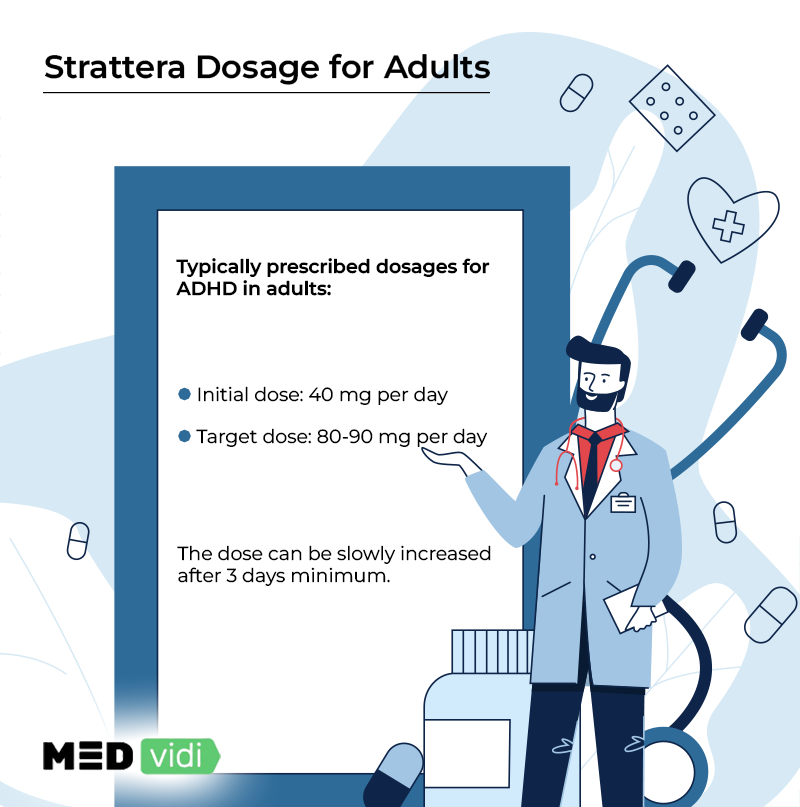
For children aged six to sixteen, the typical starting dose is around 0.5 mg/kg, which can be increased to a recommended target dosage of 1.2 mg/kg as a maximum. Adults may start with a dose of 40 mg and be gradually increased to a maximum of 100 mg daily. The gradual uptick in dosage not only fosters increased tolerance but also minimizes the risk of pronounced side effects.
It is critical for patients to stick to prescribed dosages and maintain open lines of communication with healthcare providers regarding any side effects or concerns that arise during treatment. Adjustments based on how the medication is processed by the body can help create a personalized treatment plan. Promptly addressing any emerging issues can elevate the chances of achieving the best outcomes, leading to a more manageable ADHD experience.
Can You Take Strattera with Other Medications?
The safety of combining Strattera with other medications depends significantly on the specific drugs involved, as well as the individual’s health profile. It is vital to provide comprehensive information about all medications, supplements, and over-the-counter products a patient may be taking to avoid potential adverse interactions. Some individuals may simultaneously manage ADHD with medications for related conditions, necessitating a collaborative approach to prescribing.
Healthcare providers should be mindful of interactions that could occur when Strattera is combined with medications affecting serotonin levels—such as selective serotonin reuptake inhibitors (SSRIs) or certain tranquilizers—which may increase the risk of serotonin syndrome, characterized by confusion, agitation, and increased heart rate.
In addition to looking for drug interactions, healthcare professionals must monitor how combined therapies impact symptoms. Some patients may need careful adjustment to optimize the effectiveness of all medications, focusing on achieving balanced mental health management tailored to an individual’s needs.
What Should You Know About Stopping Strattera?
Discontinuing Strattera must be conducted under the guidance of a healthcare professional. Unlike stimulants, which can lead to a sudden withdrawal phenomenon, Strattera often allows for a more subdued tapering off period. This effect is because of its gradual adjustment of neurotransmitter systems. Still, patients may experience a return of ADHD symptoms, so care must be taken when transitioning away from the medication to ensure that symptom management remains adequate.
Some patients may consider stopping Strattera due to side effects or perceived ineffectiveness of treatment, but discussing these concerns with a healthcare professional can lead to alternative therapeutic avenues or adjustments in dosage. It remains essential to create a plan for managing ADHD symptoms effectively throughout any changes to medication regimens, ensuring that patients are adequately supported and informed.
Frequently Asked Questions About Strattera
1. Can Strattera be taken during pregnancy?
Strattera’s safety during pregnancy is not fully established, so it is important for pregnant individuals to discuss their options with a healthcare provider. Weighing the potential benefits of continuing treatment against possible risks to the developing fetus is crucial. If ADHD management is necessary, alternative approaches may be explored.
2. Is Strattera suitable for children?
Strattera is FDA-approved for use in children aged six and above. Numerous studies indicate its effectiveness in managing ADHD symptoms in pediatric populations. Parents and guardians should work closely with healthcare providers to determine an appropriate treatment plan tailored to their child’s needs.
3. Does Strattera cause weight gain?
Unlike some ADHD medications, particularly stimulants that may cause appetite suppression, Strattera does not typically lead to significant weight changes. However, as with all medications, individual responses can vary, so it’s essential to monitor any changes in body weight during treatment.
4. How does Strattera interact with alcohol?
Alcohol consumption can exacerbate certain side effects of Strattera, such as drowsiness or impaired judgment. Additionally, there may be concerns about increased risks of liver toxicity when combining the two substances. It is advisable to limit alcohol intake during treatment and consult with a healthcare provider regarding safe consumption levels.
5. Are there any long-term effects of taking Strattera?
Research continues to explore the long-term effects of Strattera, but most evidence suggests that the medication is generally well-tolerated with continuous use over time. Regular follow-ups with a healthcare provider can help assess any long-term side effects, ensuring that symptom management remains effective throughout the treatment period.
6. Can Strattera cause anxiety?
While Strattera may assist in alleviating symptoms of anxiety in individuals with ADHD, it can also cause heightened anxiety in some patients during the initial stages of treatment or at higher doses. Those experiencing increased anxiety should communicate with their healthcare providers immediately to explore potential adjustments in therapy.
7. How should Strattera be stored?
Strattera should be stored at room temperature, away from moisture and heat. It should be kept out of reach of children to prevent accidental ingestion. Always check expiration dates and dispose of any unused medication appropriately following the local disposal guidelines.
Final Thoughts on Strattera for ADHD Management
The unique mechanism of action and the non-stimulant properties of Strattera make it a valuable option for managing ADHD across diverse populations. For individuals seeking alternatives to stimulant medications, atomoxetine offers an effective approach rooted in its selective modulation of norepinephrine levels in the brain.
As with any treatment, open communication with healthcare professionals about potential effects, benefits, and experiences can heighten the chances of treatment adherence and satisfaction. By understanding how Strattera works and its place in holistic ADHD management, individuals can better navigate their treatment pathways.
As we push forward into a more comprehensive understanding of ADHD and its treatment modalities, Strattera stands out as a promising tool for patients seeking stability and effective management of their symptoms. For those considering Strattera, a discussion with a healthcare provider is an important next step to explore its suitability within individual treatment plans.
