🏠 Stay at home! 25% discount on all medicines


How Does Adderall Make You Feel? Insights on Effects and Experiences

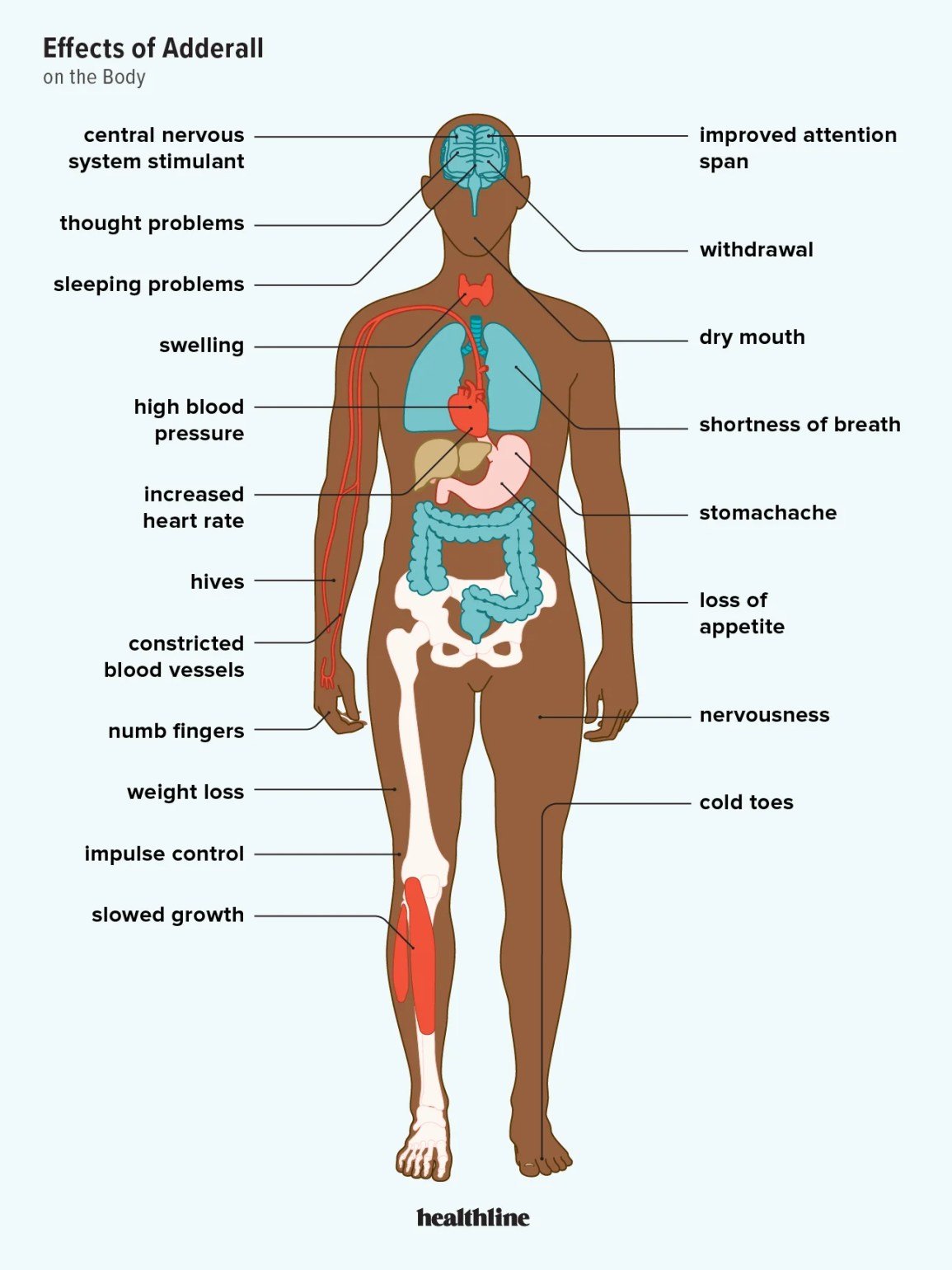
Adderall, a widely prescribed medication for Attention-Deficit/Hyperactivity Disorder (ADHD), can evoke a range of feelings in its users. According to recent studies, about 6 million children in the United States are diagnosed with ADHD, many of whom are treated with this stimulant. While it is established that Adderall can dramatically enhance focus and cognitive ability, its impact on mood and emotional wellbeing is often less discussed. So, how does Adderall make you feel, and what distinguishes the experience for those with ADHD from those without?
The unique effects of Adderall stem from how it interacts with neurotransmitters in the brain, particularly dopamine and norepinephrine. These neurotransmitters play critical roles in attention, motivation, and reward. When someone takes Adderall, the increase in dopamine can result in feelings of euphoria and enhanced energy—experiences not necessarily limited to those with ADHD. Understanding these effects can lead to greater awareness of the potential benefits and drawbacks of this medication.
In this comprehensive guide, we aim to unravel the multifaceted experiences associated with taking Adderall. Through research and anecdotal evidence, we will explore the subjective feelings that users report, the distinctions between those with and without ADHD, and considerations for safe usage.
How Does Adderall Affect Users with ADHD?
For individuals diagnosed with ADHD, the primary goal of Adderall is to help alleviate symptoms associated with the disorder. These include challenges in maintaining attention, impulsivity, and hyperactivity. When administered appropriately, Adderall generally fosters a feeling of calm and focus rather than euphoria.
Research indicates that for these users, the medication enhances the availability of dopamine in the brain. The result is not a stimulating high but rather an ability to concentrate effectively. Users often report improved engagement with tasks and a significant reduction in distractibility. Many find that they can participate in conversations better and manage their daily responsibilities more efficiently, which can lead to feelings of accomplishment and patience.
However, the experience is not universally positive. Some users report anxiety or an irritability that can accompany the medication, especially when the effects wear off. This phenomenon is often called the ‘Adderall crash,’ which can lead to feelings of fatigue, low motivation, and irritability once the medication begins to fade. Learning how to manage these effects is crucial for sustained benefit from the drug.
What Are Common Emotional Responses to Adderall in Users with ADHD?
The emotional responses to Adderall can vary widely among users with ADHD. Some common feelings they report include:
- Enhanced focus: Users can often concentrate on tasks that were previously challenging.
- Improved mood: The ability to manage tasks can lead to a more positive outlook.
- Increased anxiety: Some may experience heightened anxiety, particularly as the medication wears off.
- Irritability: Users might feel irritable or moody as the effects recede.
These varied reactions demonstrate the complexity of treating ADHD and validating individual experiences with medications like Adderall. Importantly, users should continuously communicate with their healthcare providers to adjust dosages and address side effects.
Does Adderall Lead to Euphoria in Those With ADHD?
While users without ADHD may experience euphoria, the effects on those with the disorder are typically more subdued and focused on cognitive improvement. The mechanism of action of Adderall in individuals with ADHD is thought to stabilize dopamine levels, consequently leading to a more balanced emotional state.
Some users indeed report moments of heightened enjoyment or satisfaction upon completing tasks that once seemed daunting. However, this is less about a euphoric high and more about a newfound capability to participate in life actively and meaningfully. The contrast between low motivation prior to taking Adderall and the productivity achieved while on the medication can feel rewarding but does not equate to an extreme high.
What About Users Without ADHD? Understanding Their Experience with Adderall
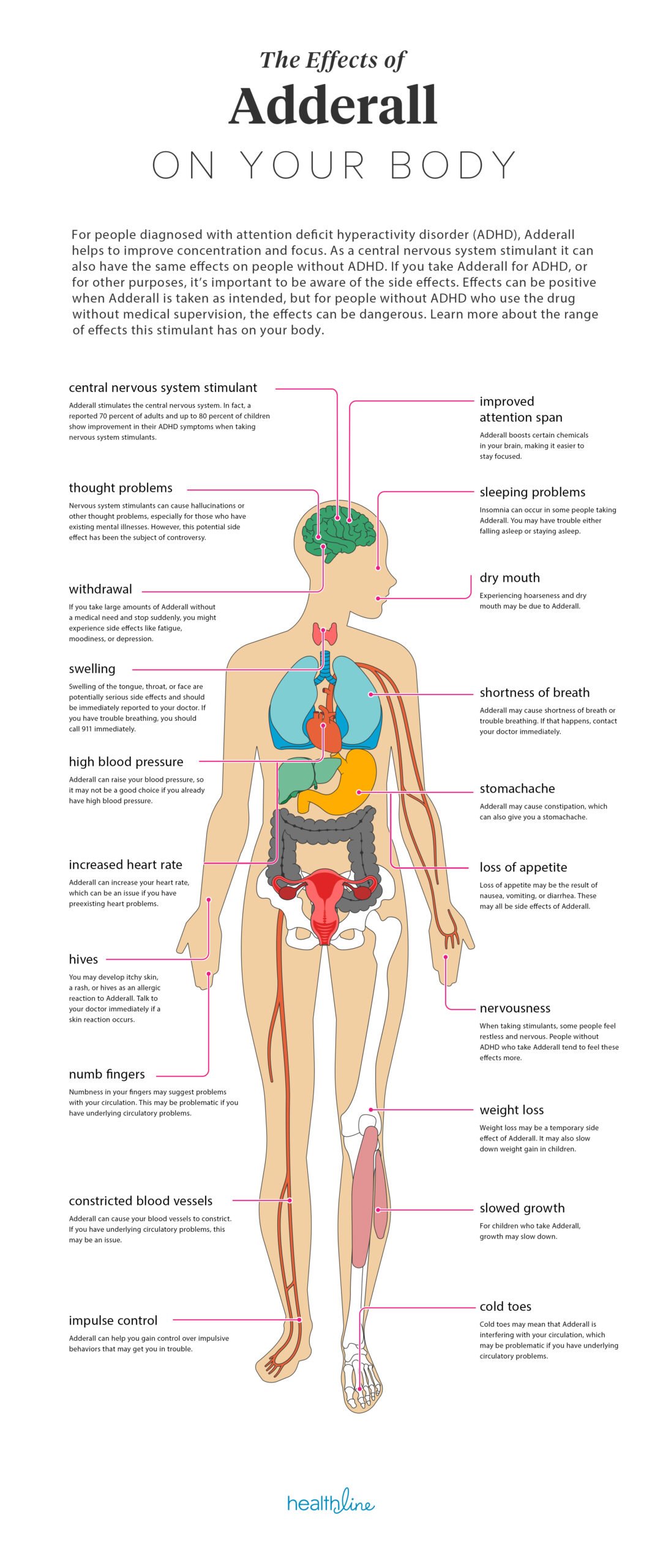
The effects of Adderall in individuals without ADHD can be significantly different. For these users, the medication works as a stimulant, leading to heightened alertness and energy, and potentially a sense of well-being. This contrast raises an important question: What does Adderall do to a normal person?
The primary response to Adderall in those without ADHD seems driven by the drug’s sympathomimetic properties. This means that it simulates the effects of the sympathetic nervous system, leading to increased heart rate, elevated mood, and enhanced perception of energy.
How Does Adderall Make Non-ADHD Users Feel?
Individuals without ADHD often report feelings of euphoria, high energy, and increased sociability after taking Adderall. Among the notable effects are:
- Increased euphoria: Some users experience an intense sense of happiness and excitement.
- Heightened alertness: There is often a marked increase in focus and energy levels.
- Creativity spikes: Many users report enhanced creativity or unique problem-solving abilities while under the influence.
- Appetite suppression: Adderall often decreases the appetite, which may lead to weight loss over time.
This stimulating response can sometimes lead to misuse of the drug among individuals seeking to enhance academic or professional performance. Understanding that Adderall is more than a ‘study drug’ is key in recognizing the potential for addiction and long-term health consequences.
What Risks Are Associated with Non-Medical Use of Adderall?
While the immediate effects may seem desirable, the non-prescribed use of Adderall can lead to several severe risks, including:
1. **Dependence**: Over time, individuals may find that they need larger doses to achieve the same effects, creating a risk for dependence and addiction.
2. **Psychiatric effects**: Some users report heightened anxiety, mood swings, or even paranoia after prolonged misuse.
3. **Cardiovascular issues**: The increased heart rate can place significant strain on the cardiovascular system, leading to increased risks of heart complications.
4. **Withdrawal symptoms**: Stopping Adderall suddenly may result in withdrawal symptoms, including fatigue, depression, and difficulty concentrating.
Given these potential consequences, it is crucial for individuals to understand the risks that accompany recreational use of Adderall and to seek alternatives for productivity enhancement.
The Neurochemical Impact of Adderall on Users
Understanding how Adderall makes users feel also involves delving into its neurochemical impact. Adderall increases levels of dopamine and norepinephrine in the brain, which is essential for regulating mood, alertness, and attention. This chemical orchestration leads to characteristic feelings of improvement in focus and energy and can provide substantial relief to those with ADHD. However, it also raises questions about addictive potential, especially in individuals who do not have a clinical need for it.
What Neurotransmitters Are Affected by Adderall?
The two primary neurotransmitters influenced by Adderall are dopamine and norepinephrine:
Dopamine: Known as the ‘feel-good’ neurotransmitter, dopamine plays a vital role in the brain’s reward system. As levels increase, individuals often experience sensations of pleasure and satisfaction, leading to the euphoric feelings reported by some users.
Norepinephrine: This neurotransmitter is linked with the body’s stress response and affects attention and response actions. Increasing norepinephrine enhances alertness and awareness, allowing users to concentrate more effectively.
The stimulation of these neurotransmitters explains why Adderall can lead to such a vast array of emotional responses, from significant clarity and focus to euphoric highs.
Is There a Relationship Between Adderall Dosage and User Experience?
Yes, the dosage of Adderall prescribed can directly influence the user experience. Those prescribed lower doses may benefit from improved focus without the euphoric effects, as the increase in dopamine is managed better for optimal cognitive function.
Conversely, those taking higher doses might experience pronounced euphoria, as dopamine levels peak significantly. This high potential for dopamine release not only enhances focus but can also lead to dizzying highs followed by sharper crashes once the medication begins to wear off.
Healthcare providers emphasize the importance of monitoring dosage and effects to maintain a balance that supports productivity without compromising emotional state.
The Long-Term Effects of Adderall Use
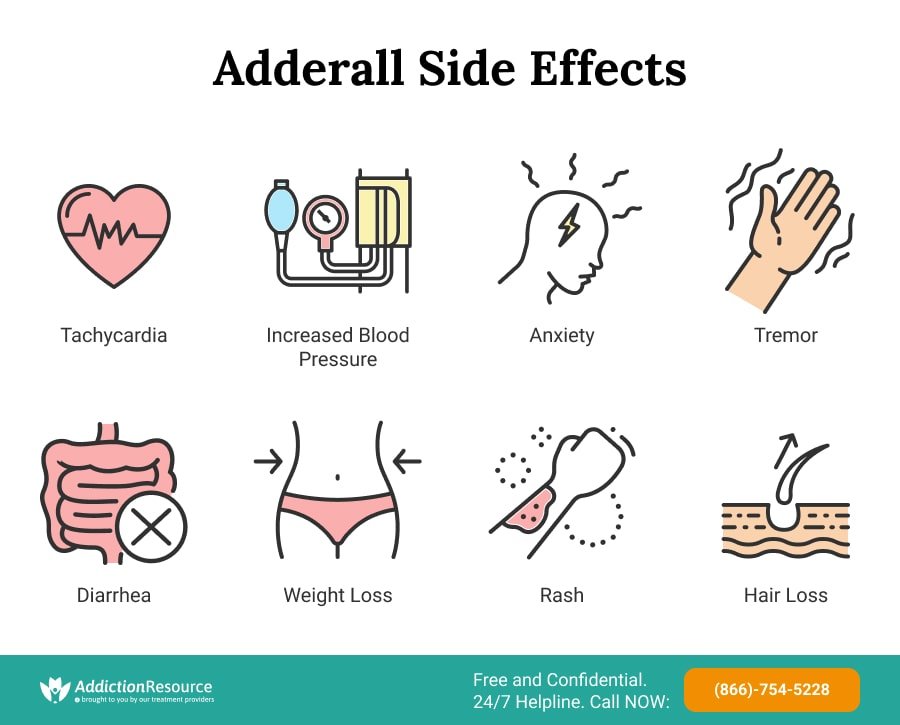
Another essential facet to consider when discussing how Adderall makes users feel is the long-term implications of its use. Continuous use of Adderall can produce a cycle of dependency that affects both mental and physical health, particularly if taken without medical supervision.
What Are the Long-Term Psychological Effects of Adderall?
Users can experience several long-term psychological effects, including:
Potential for addiction: Prolonged use can lead to physical dependence on the drug, making it difficult for users to function normally without it.
Increased anxiety and mental health issues: Long-term exposure may exacerbate underlying anxiety disorders or contribute to new psychiatric symptoms.
Cognitive deficits: Long-term users have reported mental fog and cognitive decline after prolonged heavy use.
Self-medication with illicit substances: Some individuals may turn to illegal substances to mitigate withdrawal effects, leading to a cycle of dependence.
What Are the Physical Effects Associated with Long-term Use?
Physical ramifications encompass various health risks, particularly:
Cardiovascular problems: Long-term use can strain the cardiovascular system, leading to high blood pressure, increased heart rate, and potential heart-related health crises.
Nutritional deficiencies: Appetite suppression may lead to nutritional deficiencies as essential vitamins and minerals become limited from inadequate dietary intake.
Insomnia and sleep problems: Many users experience chronic sleep issues, leading to other health complications stemming from fatigue.
Withdrawal symptoms upon cessation: Long-term users may experience severe fatigue, depression, and other cognitive impairments when they stop taking the medication.
Balancing Treatment: Finding the Right Approach
For those diagnosed with ADHD, finding the right treatment plan often requires an interplay of medication, lifestyle changes, and personal habits. Understanding how Adderall can make someone feel, whether positive or negative, allows for more informed choices regarding its use.
What Are Alternative Treatments for ADHD?
Beyond Adderall, several other treatment options exist for managing ADHD symptoms. These might include:
Behavioral therapy: This approach helps individuals develop coping strategies and skills to manage their symptoms.
Exercise: Physical activity has proven beneficial in moderating ADHD symptoms by boosting mood and improving focus.
Dietary changes: Certain dietary adjustments can enhance overall brain health, potentially mitigating ADHD symptoms.
Meditation and mindfulness practices: These techniques can help improve focus and emotional regulation without medication.
Why Is Medical Supervision Important?
Consulting a healthcare provider remains crucial when exploring treatment options. Regular monitoring of symptoms, side effects, and medication effectiveness can aid in achieving the best outcomes. Collaborating with professionals ensures that any risks are managed and that users are supported through their treatment journey.
FAQs: The Minor Details about Adderall Use
1. How does Adderall affect mood?
Adderall primarily alters mood by increasing dopamine and norepinephrine levels in the brain. This release can lead to feelings of euphoria, enhanced motivation, and in some cases, anxiety or irritability once the drug wears off. Users often experience improved emotional stability, especially when dosed appropriately, whereas improper use can lead to significant mood swings and an emotional rollercoaster.
2. Can anyone take Adderall?
Adderall is a prescription medication specifically indicated for ADHD and certain sleep disorders. While it may enhance focus and energy in individuals without these diagnoses, taking it without proper medical supervision poses serious risks and can lead to severe side effects, addiction, and legal repercussions.
3. Is it safe to share Adderall with friends?
No, it is unsafe and illegal to share Adderall with others. This practice can lead to misuse, psychological dependence, and health risks. Each person’s health profile and needs are different, necessitating a personalized medical approach.
4. How long does Adderall’s effect last?
The effects of Adderall can vary widely depending on the formulation: immediate-release versions typically last approximately 4-6 hours, whereas extended-release versions can last up to 12 hours. Peak effects often occur within a few hours of taking the medication, but individual experiences may differ based on metabolism and other factors.
5. What if I miss a dose of Adderall?
If a dose is missed, it is essential to take it as soon as remembered unless it is close to the next scheduled dose. In that case, users should skip the missed dose and resume the regular dosing schedule without doubling up. It is advisable to consult with a healthcare provider for personalized instructions based on individual situations.
6. Can Adderall cause weight loss?
Adderall can lead to significant weight loss in some individuals due to appetite suppression. While this might be desirable for some, it poses health risks, particularly regarding nutritional deficits and an unhealthy relationship with food. Therefore, users should monitor their eating habits closely and consult their healthcare provider if significant weight changes occur.
7. What should I do if I experience adverse effects?
If users experience adverse effects, it is crucial to contact their healthcare provider immediately. Adverse reactions may vary from mild to severe and might include increased heart rate, mood swings, and severe anxiety. A healthcare professional can guide adjustments or alternatives to mitigate these effects safely.
Concluding Thoughts on the Experience of Adderall
Understanding how Adderall makes users feel is essential for individuals considering its use or currently navigating treatment plans. The contrasting experiences between those with and without ADHD underscore the medication’s varying effects on focus and emotional wellbeing. While many find value in the ability to concentrate and manage daily tasks, we must remain cognizant of the potential dangers linked to misuse and dependency.
As users share their narratives, both the positive and negative facets come to light, illustrating the importance of individualized treatment plans and the profound impact of personal choice and medical guidance. By promoting responsible use and compassionate understanding, we can better navigate the complexities surrounding medications like Adderall.
Ultimately, whether through medication, therapy, or lifestyle adjustments, the goal remains the same: enhancing individual quality of life without compromising health and wellbeing. Seeking advice from healthcare professionals, adhering to prescribed treatments, and fostering open discussions about experiences creates a supportive environment for all navigating ADHD and its treatments.
