🏠 Stay at home! 25% discount on all medicines


Focalin vs Ritalin: A Comprehensive Comparison for ADHD Treatment

When it comes to the treatment of Attention-Deficit/Hyperactivity Disorder (ADHD), several medications are routinely prescribed, with Focalin and Ritalin being among the most recognized choices. Despite their common objective of alleviating ADHD symptoms, they differ significantly in their composition, efficacy, and side effects. Understanding these differences is crucial for patients, caregivers, and healthcare providers alike.
According to recent reports, approximately 6.1 million children in the United States have been diagnosed with ADHD. The increasing prevalence of this neurodevelopmental disorder has heightened the need for effective treatments. As such, distinguishing between medications like Focalin and Ritalin becomes paramount, not only for optimal treatment but also for minimizing potential side effects and maximizing therapeutic benefits.
This comprehensive article aims to provide readers with an in-depth comparison of Focalin and Ritalin, covering aspects such as their chemical makeup, uses, dosages, side effects, and more. Whether you are looking for information for yourself or for a loved one, this guide is intended to empower you with knowledge that can facilitate informed decisions regarding ADHD management.
Understanding the Basics: Focalin and Ritalin Defined
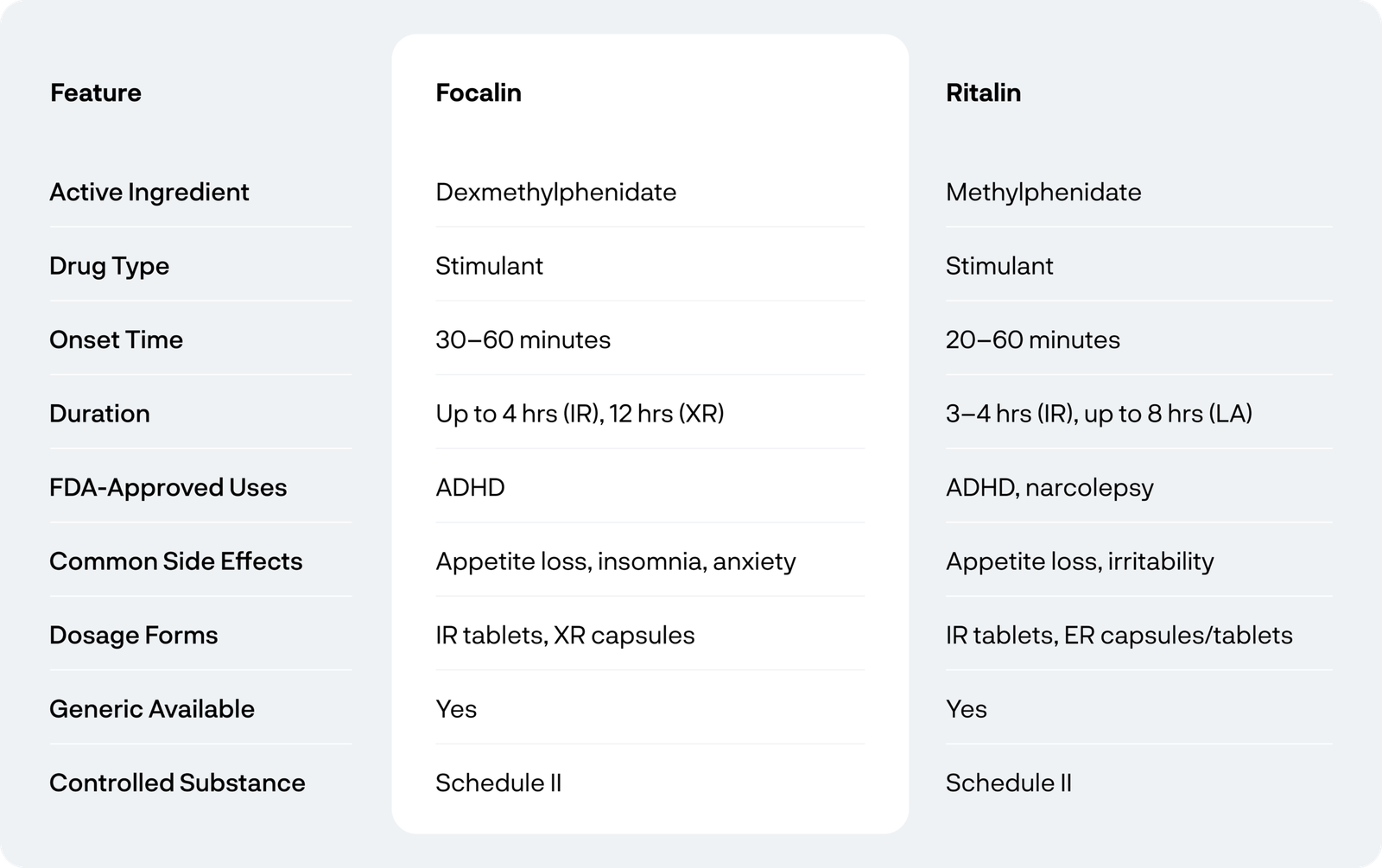
Focalin, generically known as dexmethylphenidate, and Ritalin, which contains methylphenidate, are both stimulant medications primarily prescribed to manage ADHD symptoms. While they belong to the same class of drugs, the way they work and their potency differ.
Focalin is essentially a more refined version of methylphenidate. It serves as an enantiomer of methylphenidate, meaning it delivers more potent effects using a smaller dose. This feature makes Focalin particularly advantageous for patients who may be sensitive to certain side effects associated with ADHD medications.
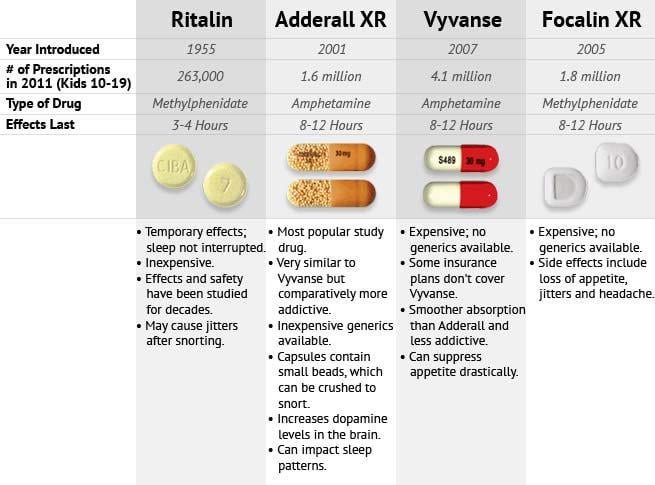
Ritalin, on the other hand, is often the first-choice medication for ADHD management. It has a long history in clinical use since its approval by the FDA in 1955. As a central nervous system (CNS) stimulant, Ritalin works by increasing the concentration of neurotransmitters in the brain, specifically dopamine and norepinephrine, which are involved in attention and behavioral control.
What Do Both Medications Treat?
Both Focalin and Ritalin are primarily prescribed to treat ADHD, but they may also be utilized in managing conditions like narcolepsy. Narcolepsy is a neurological disorder characterized by excessive daytime sleepiness and sudden sleep attacks.
The effectiveness of these medications in reducing hyperactivity, improving focus, and enhancing impulse control makes them suitable for ADHD management. However, the choice between Focalin and Ritalin often depends on individual tolerance and response to treatment.
How Do Focalin and Ritalin Work in the Brain?
The mechanism of action for both medications lies in their ability to increase the levels of certain neurotransmitters in the brain. For Ritalin, this increase happens in both dopamine and norepinephrine, leading to improved attention and decreased impulsivity. Focalin, being a more potent form, can achieve a similar or superior level of neurotransmitter elevation at a lower dose.
These adjustments in neurotransmitter levels help the individual manage symptoms effectively, further facilitating learning and functioning in social and academic settings. However, it is essential to monitor the effects of these medications closely, as overstimulation can lead to adverse effects, including increased anxiety and agitation.
Potency and Dosage: Focalin vs Ritalin
The potency of a medication can dictate the required dosage and, consequently, its effectiveness and side effects. As mentioned, Focalin is a more potent form of methylphenidate, which means that patients often require lower doses to achieve the desired therapeutic outcomes.
For instance, if a patient is prescribed Ritalin and is taking a 10 mg dosage, they might only need a 5 mg dosage of Focalin to experience comparable effects. This difference arises from Focalin’s higher bioavailability, which allows for a more effective concentration of the medication in the bloodstream, lessening the possibility of side effects.
Furthermore, the increments for prescribing both medications vary significantly. Ritalin typically follows a stepwise increase in dosage based on patient response and tolerability. In contrast, Focalin’s dosage adjustments can be more sensitive, given that its effects are more pronounced at lower doses. This property may result in fewer adverse reactions overall.
Initial Dosages: How Are They Determined?
The starting dosage for both Focalin and Ritalin usually depends on the age of the patient, the severity of symptoms, and any pre-existing medical conditions. In children, the treatment often begins with low doses to assess tolerance. For Focalin, the typical initial prescription can range from 2.5 mg to 5 mg taken once or twice daily, while Ritalin’s starting dosage generally falls between 5 mg to 10 mg.
Healthcare professionals will often conduct regular evaluations to determine the effectiveness of the treatment, adjusting dosages accordingly. The goal is to find a balance that manages symptoms without producing undesirable side effects, thus ensuring the best possible quality of life for the patient.
Long-Term Usage: What to Expect?
Long-term use of stimulant medications like Focalin and Ritalin does require careful monitoring. Both drugs carry risks, such as potential dependence and misuse. It is crucial for patients and caregivers to maintain regular communication with healthcare providers throughout treatment.
Studies suggest that long-term treatment with either medication can lead to significant improvements in attention and behavior. However, concerns about tolerance, where the effectiveness diminishes over time, have led some practitioners to suggest drug holidays or switching medications periodically to ensure continued efficacy.
Side Effects: A Comparative Overview
Like any pharmacological treatment, Focalin and Ritalin have potential side effects. Understanding these can help patients and caregivers better prepare for treatment outcomes. Both medications typically exhibit a similar range of side effects due to their closely related chemical structures.
Common side effects of both Focalin and Ritalin include:
- Insomnia: Both medications can interfere with sleep patterns.
- Reduced appetite: Appetite suppression can lead to weight loss over time, which is particularly concerning in pediatric populations.
- Nervousness or anxiety: Some users may experience elevated anxiety levels.
- Increased heart rate and blood pressure: This is closely monitored to ensure safety, especially in patients with pre-existing cardiovascular conditions.
However, patients on Focalin may report fewer side effects than those taking Ritalin, primarily due to its higher potency allowing for lower dosing. Careful monitoring for adverse effects, particularly during the initial treatment phase, is critical, as is maintaining follow-up appointments with healthcare providers.
What Are the Serious Side Effects?
While most individuals tolerate Focalin and Ritalin well, both medications carry a risk of serious side effects. These can include cardiac issues, such as palpitations or arrhythmias, and the potential for increased aggression or behavioral changes. Very rare side effects can range from hallucinations to signs of allergic reactions, necessitating immediate medical attention.
Patients should also be aware of the potential for **substance misuse and dependency** associated with stimulant medications, given their ability to enhance focus artificially. Those with a history of substance abuse or dependency should discuss their treatment options thoroughly with their healthcare provider to select the most appropriate course of action.
How Do Side Effects Differ Among Age Groups?
The side effect profiles for Focalin and Ritalin can indeed differ between children and adults. For children, especially those under five years of age, the prevalence of appetite suppression and sleep disturbances seems to be more pronounced. In adults, anxiety or mood alterations may be more common. For this reason, the prescribing physician will tailor treatment based on the patient’s age, behavioral tendencies, and collateral information from educators and family members.
Analysis of Effectiveness: Focalin Versus Ritalin
Research indicates that both Focalin and Ritalin are effective medications for managing ADHD symptoms; however, individual experiences can significantly vary. Clinical studies suggest that many patients report a preference for Focalin due to its relatively lower incidence of side effects and the convenience of dosing owing to its enhanced potency.
Nevertheless, some patients prefer Ritalin, often due to their unique experiences and responses to treatment. Clinical effectiveness can depend on a multitude of factors, including:
- Individual physiology: Each person’s metabolism and neurochemistry play a vital role in medication response.
- Severity of ADHD symptoms: More severe symptoms may respond better to higher doses of Ritalin.
- Coadministration with other medications: Some patients may be on supplemental medications, which could interact cumulatively with these stimulants.
Therein lies the importance of a provider’s assessment, utilizing their medical expertise to determine which medication aligns best with the patient’s unique needs.
Real-World Comparisons: Insights from Patients
Feedback from patients and caregivers yields valuable insights into how these medications perform in everyday contexts. In online discussions, such as those found on platforms like Reddit, patients frequently share their experiences with both Focalin and Ritalin. Some users report significant improvements with Focalin, highlighting a marked reduction in hyperactivity and impulsivity, alongside fewer adverse reactions.
Conversely, Ritalin users occasionally express concerns over side effects, particularly regarding appetite and sleep disruption. However, others vouch for the effectiveness of Ritalin, especially in academic settings. Such real-world perspectives can prove invaluable when making treatment decisions.
Can Switching Between the Two Medications Be Beneficial?
Switching between Focalin and Ritalin is not uncommon and can be beneficial for some patients who do not achieve the desired therapeutic effects or face intolerable side effects. Medication adjustments should always occur under the supervision of a healthcare professional, who can provide guidance on the optimal approach for transition while monitoring for effectiveness and safety.
Focalin and Ritalin for Kids: What Parents Should Know
When it comes to treating children with ADHD, both Focalin and Ritalin have been proven to be effective; however, parental choice may depend on the child’s specific reactions to the medications. Parents often express concerns ranging from the appropriateness of starting medication to the long-term implications of stimulant use.
Focalin is sometimes favored in pediatric settings due to its lower dosing requirements and potential for fewer side effects, but Ritalin also has a long-standing track record in treating ADHD in children. The key is in monitoring individual responses, working closely with pediatricians, and consulting psychologists or psychiatrists who specialize in childhood behavioral disorders.
How Do Providers Choose Between Focalin and Ritalin for Children?
Providers typically consider a variety of factors when prescribing for children, such as:
- Severity and type of ADHD: Different ADHD presentations (predominantly inattentive, hyperactive-impulsive, or combined presentation) may respond differently to each medication type.
- Previous medication trials: Previous experiences with other ADHD medications may inform providers about which option to try when starting treatment for new patients.
- Potential for side effects: Understanding family history regarding conditions such as anxiety or sleep issues may steer the provider toward one medication over the other.
Considering these factors can result in well-informed choices that lead to effective management of ADHD symptoms in children.
Pediatric Psychology Insights: Expert Perspectives
Experts in pediatric psychology often emphasize the importance of individualized treatment plans when it comes to ADHD medications. Dr. Jane Smith, a clinical psychologist specializing in childhood psychiatric medicine, notes that what works for one child may not work for another.
Dr. Smith recommends a comprehensive evaluation before initiating treatment, including a detailed assessment of behavioral symptoms, developmental history, and family dynamics. She explains that involving parents in monitoring medication effects and guiding lifestyle adjustments can significantly enhance the success of ADHD treatment.
Moreover, Dr. Smith underscores the importance of additional support systems, such as behavioral therapy and educational interventions that may occur alongside medication treatment, which can provide a holistic approach to managing ADHD.
Are There Alternatives to Focalin and Ritalin for Children?
While Focalin and Ritalin are two of the most commonly prescribed stimulant medications, several other treatment options exist, including non-stimulant medications like atomoxetine (Strattera) and guanfacine (Intuniv). These alternatives may be more fitting for individuals who experience significant side effects or have a history of substance abuse.
Behavioral therapies, such as cognitive-behavioral therapy (CBT) or parent training programs, can also serve meaningful roles in managing ADHD symptoms in conjunction with or sometimes independently of pharmacological treatments.
Focalin vs Ritalin: Analyzing Long-Term Outcomes
Long-term outcomes for individuals taking Focalin or Ritalin illustrate the effectiveness of both medications in improving ADHD-related symptoms. Studies indicate that patients often maintain their functioning across academic, occupational, and social domains over extended periods of treatment.
However, the potential challenges of long-term use, such as adherence to medication regimens and managing side effects, are significant considerations. Healthcare providers aim to frequently reevaluate treatment plans to balance the benefits and risks, especially as individuals transition into different life stages.
What Do Studies Reveal About Long-Term Usage?
Research has shown that children who receive ADHD treatment with either Focalin or Ritalin exhibit improvements in academic performance, peer relationships, and overall quality of life. Longitudinal studies reveal that early intervention can mitigate future complications associated with untreated ADHD, such as secondary anxiety or learning disorders.
However, as with any chronic condition, the management of ADHD often evolves. Patients may benefit from periodic adjustments or transitioning to alternative therapies as they age and their life circumstances change. Regular consultations with healthcare professionals are critical in facilitating this ongoing process.
Recommendations for Future Research Directions
The landscape of ADHD treatment continues to evolve; hence, long-term, large-scale studies exploring the efficacy of various medications remain essential. Future research should aim to delve deeper into patient-centered outcomes, examining aspects such as quality of life, academic success, and emotional well-being across diverse populations receiving Focalin versus Ritalin.
Frequently Asked Questions (FAQ)
Is Focalin or Ritalin more effective for ADHD?
Effectiveness often varies from patient to patient. Both Focalin and Ritalin are considered effective; however, some individuals may respond better to one over the other based on their unique neurochemistry and tolerability. It’s important to work closely with a healthcare provider to determine the best option for each individual.
What are the most common side effects of Focalin and Ritalin?
Common side effects for both medications include insomnia, appetite suppression, increased heart rate, and nervousness. However, some patients on Focalin may report fewer side effects due to its potency, which could allow for lower dosages.
Can adults take Focalin or Ritalin for ADHD?
Yes, both Focalin and Ritalin are approved for use in adults with ADHD. Many adults find these medications helpful in managing symptoms like inattention and hyperactivity, leading to improved occupational and social functioning.
How should Focalin or Ritalin be taken?
Focalin and Ritalin are typically taken orally. The dosage and frequency are determined by healthcare providers, usually requiring regular follow-ups to assess efficacy and adjust as needed. Patients should follow their physician’s recommendations closely.
Can Focalin or Ritalin be misused?
Yes, both medications are controlled substances and can be misused or abused due to their stimulant properties. Patients and caregivers should be vigilant about proper storage and usage to prevent misuse.
Is there a natural alternative to Focalin and Ritalin?
While no natural alternatives match the potency of stimulant medications, some individuals may find relief with lifestyle modifications, behavioral therapies, and supplements like omega-3 fatty acids. Nonetheless, it’s important to consult a healthcare provider before making changes to ADHD management strategies.
Final Thoughts on Focalin and Ritalin
Both Focalin and Ritalin play crucial roles in the treatment of ADHD, with distinct characteristics that can influence their effectiveness for different individuals. As the medical community continuously seeks to enhance the management of ADHD, the importance of tailored treatment approaches cannot be understated. Both patients and healthcare providers should remain engaged in open dialogue about the potential benefits and challenges associated with these medications.
The path to finding the right medication for ADHD can be complex, where trial and error may be necessary to identify the most effective regimen. Therefore, collaboration with healthcare professionals is essential to navigate this journey effectively.
Ultimately, whether one prefers Focalin or Ritalin, the focus should remain on achieving a balanced approach to treatment that supports quality of life, academic and occupational success, and overall mental health and well-being.
