🏠 Stay at home! 25% discount on all medicines


Focalin vs Ritalin: A Comprehensive Comparison for Managing ADHD

Attention Deficit Hyperactivity Disorder (ADHD) affects millions of individuals worldwide, presenting challenges primarily in attention, impulse control, and hyperactivity. For those diagnosed with ADHD, medication is often a critical component of treatment. Two medications frequently prescribed are Focalin and Ritalin, both effective in managing the symptoms of ADHD. However, they differ significantly in formulation, potency, dosages, and potential side effects, leading patients and healthcare providers to consider carefully which medication is the right fit. This article offers an in-depth exploration of Focalin vs Ritalin, their respective characteristics, and guidance for making informed treatment decisions.
Statistics indicate that roughly 6.1 million children between the ages of 2 and 17 are diagnosed with ADHD in the United States alone, according to the Centers for Disease Control and Prevention (CDC). With such a sizable population affected, it is essential to understand the available treatment options. Optimal management of ADHD symptoms is crucial for improving academic performance and enhancing quality of life. The choice between Focalin and Ritalin is a common conundrum for parents and patients alike.
As a healthcare professional or patient assessing treatment options, understanding the underlying differences between these two medications is vital. From dosing and side effects to their respective impacts on daily life, this comprehensive guide will delve into the nuanced differences, empowering you to make the best decision for your ADHD management plan.
Understanding Focalin and Ritalin: Mechanisms and Formulations
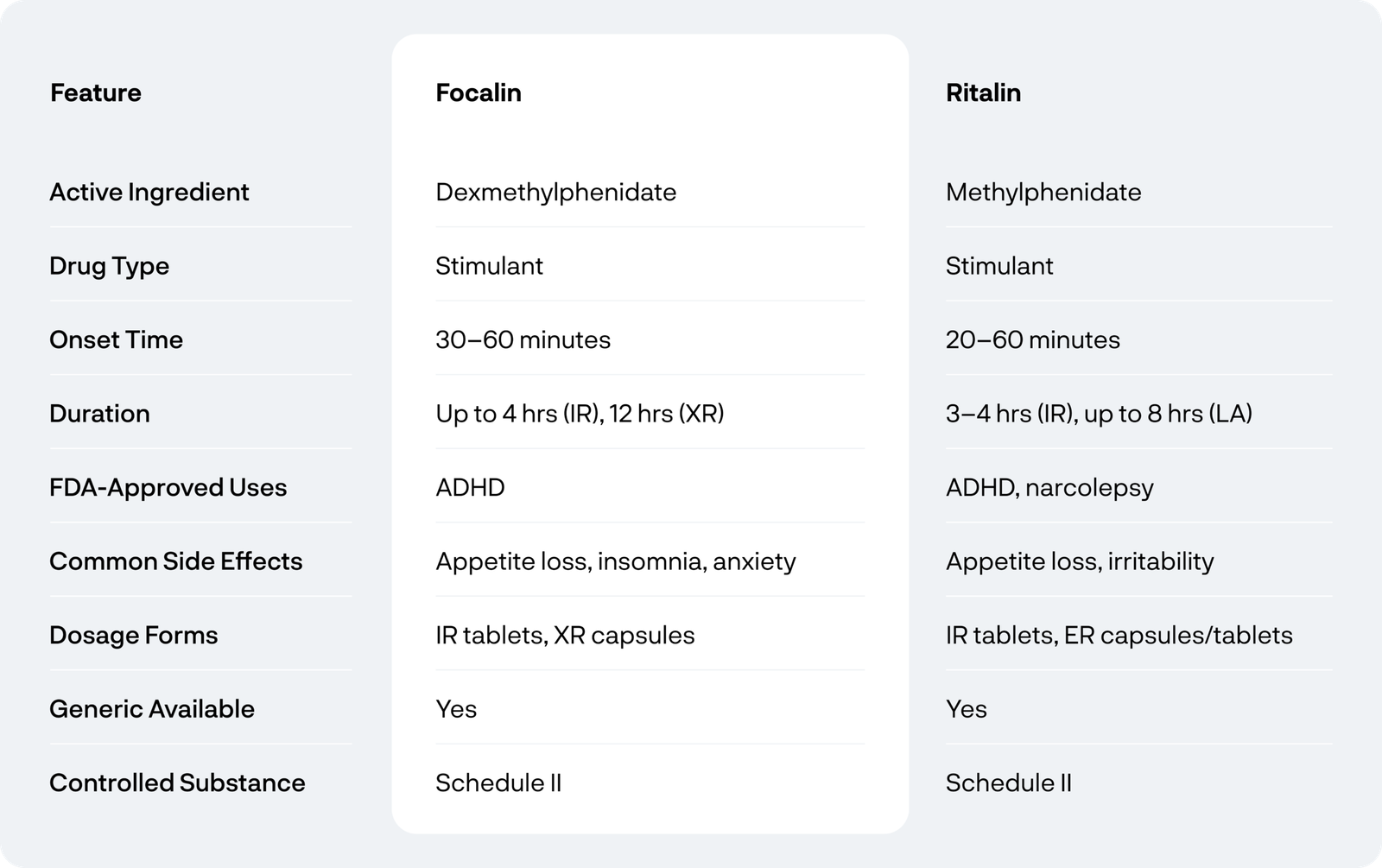
Focalin and Ritalin both belong to the class of medications known as stimulants, primarily used to manage ADHD. They act on the brain’s neurotransmitters, particularly dopamine and norepinephrine, which play significant roles in focus, attention, and impulse control. The primary active ingredient in both medications is methylphenidate; however, Focalin contains a more refined form known as dexmethylphenidate.
This distinction in chemical composition leads to notable differences in efficacy and dosing. Focalin’s formulation is considered more potent, leading to less medication needed to achieve similar therapeutic effects as Ritalin. Consequently, patients may experience fewer side effects on Focalin compared to Ritalin, lower dosages often result in a decreased risk of adverse reactions.
The availability of these medications varies, with both offered in immediate-release and extended-release formulations. Focalin, for instance, can be found in both Focalin (immediate-release) and Focalin XR (extended-release) formulations, while Ritalin is often available as Ritalin and Ritalin LA or Ritalin SR, indicating its long-acting versions. The release mechanism determines how quickly the drug enters the bloodstream, influencing its effectiveness and side effect profile throughout the day.
What Dosages are Typical for Focalin vs Ritalin?
The dosages for Focalin and Ritalin vary considerably due to their differing potencies and effects on individuals. For Ritalin, the standard starting dose for children typically ranges between 5 mg to 10 mg, taken 1-3 times a day, while adult dosages may start at 10 mg to 20 mg daily. Due to its higher potency, Focalin may start at a lower dose, often prescribed at 2.5 mg to 5 mg, with adjustments made based on the patient’s response.
It’s essential to note that dosages should always be managed by a healthcare provider based on individual circumstances, such as the severity of symptoms, age, and any coexisting medical conditions. Regular follow-ups enable doctors to assess the therapeutic response and make necessary adjustments.
Why Are Potency and Dosage Important?
The potency and dosage of medications prescribed for ADHD are paramount for effective symptom management. Higher potency drugs, like Focalin, can deliver similar clinical results as lower potency drugs like Ritalin with smaller amounts. This can offer significant benefits, such as a reduced risk of side effects and minimized potential for misuse. Patients are often advised to adhere closely to prescribed dosages to maintain symptom control while minimizing adverse reactions, which can include sleep disturbances, reduced appetite, and heightened anxiety.
Side Effects: How They Compare
Understanding the potential side effects associated with Focalin and Ritalin is crucial for informed treatment planning. Both medications, as stimulant drugs, share several common side effects, which can range from mild to severe. While many patients tolerate these medications well, some may experience symptoms that necessitate switching medications or modifying the dosage.
Common side effects for both Focalin and Ritalin include:
- Decreased appetite
- Insomnia
- Increased heart rate
- Nervousness or anxiety
- Stomach pain
- Headaches
However, the side effect profiles can vary for individual users. Focalin may produce fewer side effects at lower dosages than Ritalin due to its greater potency and swift action in the body. Some patients report improved tolerability with Focalin over Ritalin, while others might find the opposite is true. Monitoring for side effects is vital during treatment, especially during the initial weeks of administration.
What Should You Watch for in Side Effects?
Patients on stimulants should actively communicate with their healthcare provider regarding any side effects experienced. Damage to cardiac health is a notable risk factor associated with both medications, particularly in individuals with underlying heart conditions. Monitoring blood pressure and heart rate may be necessary during treatment. Psychological side effects, such as increased anxiety or mood swings, can also occur and should be addressed promptly to prevent disruption in daily life.
Managing Side Effects: Strategies and Considerations
For individuals experiencing side effects on either medication, there are various strategies providers may recommend to manage these concerns effectively. Adjustments to dosage can alleviate symptoms while maintaining therapeutic benefits. Additionally, integrating lifestyle changes such as nutrition and exercise into treatment may mitigate adverse reactions, targeting issues like appetite loss or anxiety. Finally, switching medications may be warranted if side effects are intolerable or significantly impacting quality of life.
Focalin vs Ritalin for Children: Considerations and Challenges
When considering medication options for children diagnosed with ADHD, many parents may feel overwhelmed by the potential impact. Focalin and Ritalin are both effective options; however, individual needs may vary widely. Research indicates that parents often worry about the side effects and long-term implications of stimulant medication.
In general, pediatric guidelines support the use of stimulants such as Focalin and Ritalin as first-line treatments for ADHD among children. Factors such as the age of the child, comorbid conditions, and individual response to treatment play significant roles in medication selection. The initial assessment typically highlights these factors, ensuring the child receives an effective regimen.
Are There Age-Specific Concerns with Usage?
For young children, especially those under the age of 6, healthcare providers may recommend behavioral therapy before starting pharmacological treatment. Children who are diagnosed with ADHD at an early age may have a higher rate of medication sensitivity, leading to potential side effects. Ritalin is commonly used and has a history of success in treating ADHD among younger children, but monitoring is essential as they grow and develop.
How Can Parents Make an Informed Choice?
Parents looking to make informed choices about medication for their child should engage in open dialogue with their healthcare provider. This includes discussing the potential for side effects, monitoring care procedures, and considering non-stimulant treatments if necessary. Understanding the available options equips parents with the knowledge they need to advocate for their child’s health and well-being.
Ritalin vs Focalin: Potential for Misuse and Dependence
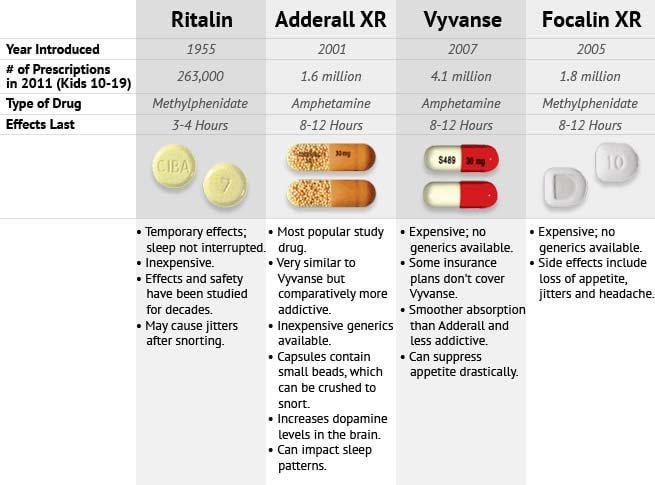
Both Focalin and Ritalin are classified as controlled substances due to their potential for misuse and dependence. Comprehensive studies reflect that stimulant medications can contribute to a higher risk of substance use disorder, primarily if not taken as directed. Patients must be closely monitored by healthcare providers, and medication should be stored securely to avoid misuse or diversion.
Healthcare professionals stress the importance of prescribing these medications only after comprehensive evaluations of the patient’s history and potential risk factors. Striking a balance between effective treatment and the potential for misuse is essential for those managing ADHD symptoms. Addressing treatment in collaboration with mental health professionals can also play a significant role in successful management.
What Strategies Can Minimize Misuse Risks?
To minimize the risk of misuse, strategies such as medication contracts, regular follow-ups, and discontinuation of medication if inappropriate use is suspected should be implemented. Parents and guardians should also engage in discussions with younger patients about the importance of responsible medication use and the dangers of sharing prescription medications.
Are There Alternative Treatments for ADHD?
In cases where patients are at increased risk for misuse or do not respond well to stimulant medications, non-stimulant options are available. Medications like Strattera (atomoxetine) and Intuniv (guanfacine) serve as alternatives that do not carry the same risk of abuse as stimulants. Behavioral therapy and psychoeducation are additional avenues that guide patients and families in managing ADHD effectively.
Focalin vs Ritalin for Adults: Insights and Considerations
ADHD is not just a childhood condition; it continues to affect many individuals into adulthood. The approach to treatment may differ for adults compared to children, with considerations such as coexisting psychiatric disorders, lifestyle, and work obligations influencing medication choices. Studies have shown that continuing treatment is crucial for adults to maintain effective symptom management.
Research indicates that adults typically respond well to both Focalin and Ritalin. However, personal experiences may vary, prompting the need for a tailored approach. Factors such as productivity, work efficiency, and social dynamics can inform whether Focalin or Ritalin may be a better choice to strike that balance between efficacy and manageable side effects.
How Do Adults Respond to These Medications?
In comparisons, some adults find that Focalin offers a smoother symptom control experience without the jittery side effects sometimes associated with Ritalin. Nevertheless, each individual’s physiological makeup plays a role in how they respond. Comprehensive assessment with a healthcare provider is favorable to determine which medication may provide the best balance for effective daily function.
What Lifestyle Factors Should Be Considered?
For adults, lifestyle factors such as sleep quality, diet, and stress management may influence the effectiveness of either medication. Incorporating healthy habits can enhance the therapeutic effects of both medications, creating an overall lifestyle that mitigates ADHD symptoms while maintaining general health.
Focalin vs Ritalin: A Comparative Review for Patients
Choosing between Focalin and Ritalin can be complex, but understanding patient experiences and assessing clinical data can guide decision-making. An ongoing dialogue with healthcare providers fosters an environment where informed choices can be made based on individual needs and treatment goals.
Each patient’s journey with ADHD is unique, requiring a tailored approach. Consulting with healthcare providers to determine an optimal treatment plan considering factors such as age, potential side effects, and personal history reinforces effective management of symptoms.
What Do Patient Reviews Reveal?
Online forums like Reddit showcase patient reviews and experiences with both medications, providing candid insights from those undergoing treatment. Many patients report significant improvements with both Focalin and Ritalin, with some preferring one over the other based on side effects and overall experience. These insights can serve as valuable touchpoints for patients considering medication options.
How Often Should Patients Reassess Their Treatment Plan?
Regular follow-ups and treatment evaluations are strongly recommended for both medications. Typically scheduled every three to six months, these assessments allow patients to discuss any concerns, evaluate their symptom management, and examine if any adjustments to their treatment regimen are necessary. Continuous reviews ensure that patients receive the most beneficial and safe care throughout their ADHD treatment.
FAQ Section: Commonly Asked Questions
What are the key differences between Focalin and Ritalin?
Focalin and Ritalin mainly differ in their chemical composition, with Focalin being a more potent variant of methylphenidate, which leads to smaller dosages required for similar therapeutic effects. Additionally, Focalin may lead to fewer side effects than Ritalin, but the effectiveness of each medication can vary by individual.
Can Focalin and Ritalin be used interchangeably?
No, patients should not switch from Focalin to Ritalin, or vice versa, without consulting their healthcare provider. The differences in potency, dosages, and side effect profiles necessitate a tailored approach to ADHD management that considers personal health history and is based on medical guidance.
Are Focalin and Ritalin safe for children?
Both Focalin and Ritalin are considered safe for use in children diagnosed with ADHD when prescribed and monitored by healthcare providers. A thorough evaluation prior to initiation of treatment is vital, and ongoing monitoring ensures the child’s response to medication is assessed regularly.
What are the long-term effects of taking Focalin or Ritalin?
The long-term effects of stimulant medications like Focalin and Ritalin are still the subject of ongoing research. Generally, both medications have been shown to be effective in managing symptoms of ADHD without severe long-term effects when taken as directed. However, potential for abuse, physical dependence, and possible cardiovascular effects warrant careful oversight by healthcare professionals.
Is there a risk of addiction with these medications?
Yes, both Focalin and Ritalin carry a risk of misuse and dependence, as they are classified as controlled substances. Patients should adhere strictly to prescribed dosages and discuss any concerns regarding misuse or dependency with their healthcare provider.
Can I take Focalin or Ritalin with other medications?
There may be interactions between Focalin or Ritalin and other medications, so it is crucial for patients to provide their healthcare provider with a detailed list of all medications and supplements they are taking. Healthcare providers can then assess potential interactions and make informed recommendations accordingly.
What experiences do users on forums like Reddit share regarding Focalin and Ritalin?
Discussions on platforms like Reddit highlight the variability in experiences among users taking Focalin vs. Ritalin. Many users report significant improvements in focus and impulse control with both medications, but some may express a preference for one due to side effects or personal efficacy, emphasizing the need for individualized treatment plans.
Conclusion: Making the Right Choice Between Focalin and Ritalin
Choosing between Focalin and Ritalin for ADHD management requires careful consideration of individual symptoms, potential side effects, and personal circumstances. Both medications effectively treat ADHD, but their differences in potency and dosing necessitate thorough assessment by healthcare providers.
It’s essential to have open dialogues with healthcare professionals to tailor treatment plans aligned with individual needs, involving regular assessments to ensure that the chosen medication continues to provide optimal benefit. Issues of potential misuse should also remain a focus, ensuring patients are not only treated effectively but also safely.
Finally, as research continues to evolve in understanding ADHD and treatment strategies, being informed and proactive in discussions about medication choices will lead to more successful outcomes. Whether opting for Focalin or Ritalin, the goal remains the same: to foster better focus, improve quality of life, and support those living with ADHD in their daily lives.
