🏠 Stay at home! 25% discount on all medicines


Does Strattera Cause Weight Loss? Understanding the Effects of Atomoxetine

Strattera, known generically as atomoxetine, is primarily used for treating Attention-Deficit/Hyperactivity Disorder (ADHD). As the need for effective ADHD treatments has increased, Strattera has gained popularity due to its non-stimulant nature. While it has been effective in managing symptoms for many individuals, another question arises: does Strattera cause weight loss? This inquiry has gained attention, particularly as weight management remains a critical health topic. According to clinical studies, some individuals report experiencing weight loss as a side effect, while others might not notice any significant change in their weight.
As reported in various clinical trials, up to 3% of children and teens using Strattera experienced weight loss over an observation period of 18 weeks. This statistic raises important questions about how the medication affects appetite, metabolism, and overall health. The side effects of Strattera include decreased appetite and nausea, both of which can contribute to weight loss for some users. However, this response is not universal, and a variety of factors—including individual biology, dosage, and lifestyle—can influence the degree of weight change experienced.
In this comprehensive exploration, we will delve deep into the relationship between Strattera and weight loss. We will analyze clinical research findings, discuss user experiences shared across various platforms, and evaluate the potential benefits and drawbacks of using Strattera for individuals desiring weight management. By the end of this article, you will gain valuable insights into whether Strattera may be a suitable option for your weight management concerns.
Understanding Strattera: What You Need to Know
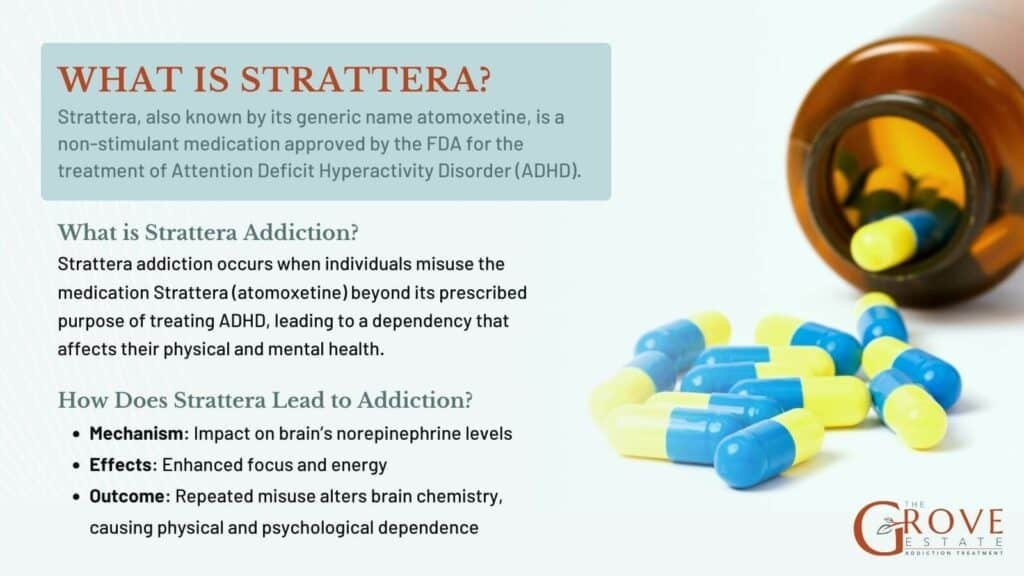
Strattera is classified as a selective norepinephrine reuptake inhibitor (NRI), specifically designed for individuals diagnosed with ADHD. Unlike traditional stimulant medications used in treating ADHD—which often cause an increase in heart rate and appetite suppression—Strattera’s mechanism targets norepinephrine in the brain, helping improve attention and reduce impulsivity.
This medication is often preferred because it does not carry the same risk of dependency or abuse associated with stimulant medications. Strattera is available in capsule form and is typically prescribed in doses ranging from 40mg to 120mg per day, dependent on individual factors such as age and specific health conditions.
However, as with any medication, Strattera comes with potential side effects. The most common adverse effects reported include gastrointestinal issues like nausea and vomiting, sleep disturbances, and decreased appetite. The relationship between decreased appetite and weight loss is also an important consideration for healthcare practitioners and patients alike.
How Does Strattera Affect Appetite?
A key factor in the discussion of Strattera potentially causing weight loss is its impact on appetite. As already mentioned, decreased appetite is a frequent side effect of atomoxetine, particularly in the initial stages of treatment. Many patients undergoing treatment report finding it challenging to eat enough calories or to feel hungry throughout the day.
The reduction in appetite can be more pronounced during the first few weeks as the body adjusts to the medication. For some patients, this can lead to significant weight loss, which raises questions about the long-term sustainability and safety of such outcomes. It’s also important for patients and health care providers to monitor weight closely during the early phase of treatment to avoid potential nutritional deficits.
Individuals who experience a loss of appetite may also notice other physiological changes. For instance, energy levels might dip, hydrating adequately might become challenging, and individuals may feel fatigued more easily. Therefore, while some might welcome weight loss, it’s crucial to consider these potential side effects seriously and seek medical advice as needed.
Clinical Studies on Strattera and Weight Loss
Several clinical studies have investigated the relationship between Strattera and weight management. Typically, these studies focus on the population of children and adolescents with ADHD. One significant finding from these studies indicates that about 3% of participants may experience weight loss as a side effect within a treatment duration of 18 weeks or longer.
In some research, atomoxetine has demonstrated modest effectiveness for weight reduction, particularly in obese populations undergoing treatment solely for weight management. Although the weight loss was reported to be modest, it offers insights into how the medication could impact metabolic processes. These findings make it crucial for clinicians to consider the patient’s health history and treatment goals when prescribing Strattera.
Furthermore, factors such as body mass index (BMI), lifestyle, and genetic predisposition may play roles in the extent to which patients experience weight loss. Patients are encouraged to approach their health care provider to discuss their concerns about weight changes while on Strattera.
The Broader Impact of Strattera on Weight Management

While weight loss may be an attractive side effect for some individuals, understanding the broader implications of taking Strattera for weight management is essential. Oftentimes, patients experiencing ADHD-related symptoms may also find themselves struggling with weight management due to associated lifestyle factors such as impulsive eating and challenges with routine.
Hence, Strattera’s capacity to help control ADHD symptoms may indirectly benefit individuals’ ability to maintain a healthy weight by promoting better food choices, increasing physical activity, and improving sleep patterns. As individuals experience an overall improvement in functioning due to Strattera, they may feel more inclined to engage in healthy lifestyle changes.
However, caution must be exercised. For individuals who are primarily seeking Strattera for weight management without a diagnosis of ADHD, there are risks to consider. The medication is not specifically approved for weight loss purposes, and relying on it for this reason can lead to other medical complications or dependency on the medication.
Benefits of Using Strattera for Weight Management
For individuals using Strattera within the context of managing ADHD, there may be intriguing benefits regarding weight stability or even gradual weight loss. Some potential benefits include:
- Improved Appetite Regulation: As mentioned earlier, Strattera’s effects can lead to a reduction in impulsive eating that is common in those with ADHD.
- Enhanced Focus and Energy Levels: Addressing ADHD symptoms may lead to greater overall energy and motivation levels, fostering better engagement in physical activity.
- Support in Establishing Routines: Patients often report improved day-to-day management, leading to healthier eating and exercise patterns.
- Stability in Mood and Behavior: By helping to reduce hyperactivity and impulsivity, Strattera can help individuals maintain a more stable emotional state, which can play a significant role in healthy weight management.
Risks and Drawbacks of Weight Loss with Strattera
Despite the potential benefits, using Strattera for weight loss or experiencing weight loss while on this medication carries associated risks. Some of the critical considerations include:
Nutritional Deficiency: Significant weight loss may lead an individual to fall short of necessary vitamins and minerals, resulting in adverse health impacts, including fatigue, weakened immune system, and muscle loss.
Impact on Mental Health: Weight loss can trigger various psychological effects. Individuals may face negative body image issues or anxiety related to weight change, especially if it is significant and unintentional.
Metabolic Effects: Any significant shift in weight—whether gain or loss—can lead to metabolic changes. Monitoring to ensure metabolic health is maintaining is essential.
User Experiences: Strattera’s Impact on Weight
The experiences of individuals taking Strattera can vary widely. Many users have turned to platforms such as Reddit to share their observations, challenges, and weight-related outcomes while on the medication. As seen in user discussions, some individuals reported considerable weight loss alongside improvements in focus and attention.
One Reddit user commented on their experience of feeling much less hungry since starting Strattera, leading to a weight drop of around 8 pounds within a few weeks on a low dose. This account matches several clinical findings related to appetite suppression and weight loss ratios. Others discussed similar experiences, emphasizing the importance of closely monitoring health changes during the initial treatment phase.
However, not everyone that uses Strattera encounters weight loss. Some individuals reported maintaining their weight or even gaining weight due to changes in eating habits or metabolic factors. This range of experiences sheds light on the variability of Strattera’s effectiveness and impact—highlighting that the answer to whether it causes weight loss is not a straightforward one.
Should Strattera be Considered for Weight Loss? A Balanced Overview
While there is some evidence and anecdotal reports suggesting that Strattera may lead to weight loss, it is crucial to exercise caution. Using Strattera without a proper diagnosis of ADHD for the sole purpose of weight regulation is ill-advised, given that it is not officially approved for this purpose.
The potential for side effects, the impact on physical health, and the psychological consequences all warrant careful consideration. Individuals who find themselves struggling with weight management should first explore traditional lifestyle modifications—such as balanced nutrition, regular exercise, and other support systems—before considering medication as a potential solution.
For those already on Strattera for ADHD, discussing any notable weight changes or concerns regarding appetite with a medical professional is warranted. Regular check-ins with a healthcare provider can aid patients in navigating the complexities of weight changes while receiving treatment, allowing for ongoing assessment of their overall health.
FAQs About Strattera and Weight Loss
1. Is weight loss a common side effect of Strattera?
Weight loss can be a side effect of Strattera, particularly due to its impact on appetite. Studies suggest that about 3% of patients may experience weight loss in clinical trials. However, individual responses can vary considerably based on various factors including dosage and metabolism.
2. How long does weight loss occur after starting Strattera?
Weight loss, if it occurs, often manifests within the initial weeks of starting Strattera. As the body adjusts to the medication, some individuals may notice a significant reduction in appetite, which can contribute to weight loss. However, it is essential to monitor this change closely, as significant weight loss can lead to nutritional deficiencies.
3. Does Strattera affect adults differently than children regarding weight?
Strattera can have different effects based on age; adults may experience varying levels of appetite change compared to children. Adults often have more established eating patterns that may influence weight change outcomes, while children might be more affected due to their growth and developmental needs.
4. Can Strattera lead to weight gain instead?
While Strattera is more frequently associated with weight loss due to appetite suppression, some individuals may experience weight gain. This can occur as a result of psychological factors, lifestyle changes, or fluctuations in metabolism.
5. What steps should I take if I’m losing weight on Strattera?
If you notice weight loss after starting Strattera, consult with your healthcare provider. It is essential to evaluate your overall health, dietary intake, and lifestyle habits. Your doctor may recommend adjusting the dosage or exploring other treatment options to meet your health needs.
6. Does Strattera help with anxiety and how does it relate to weight?
Strattera has been noted to have anxiety-reducing effects for some individuals. Improved management of ADHD symptoms can result in decreased anxiety, which can indirectly support a more stable relationship with food and personal health. However, it is essential to seek appropriate treatment for anxiety if it becomes overwhelming.
7. Are there non-pharmaceutical ways to manage ADHD related weight issues?
Yes, various non-pharmaceutical strategies exist, such as cognitive-behavioral therapy, nutritional counseling, and lifestyle modification programs. These methods can provide personalized support for managing ADHD symptoms and associated weight challenges.
Final Thoughts on Strattera and Weight Loss
As ongoing research explores the many facets of Strattera and its impact on weight, the reality is that responses are distinctly individual. While many users may experience decreased appetite and subsequent weight loss, it is crucial to approach these outcomes with a balanced perspective.
Those managing ADHD and considering Strattera should keep in mind that fluctuations in weight and appetite should be addressed in collaboration with healthcare professionals. Personalized treatment and support systems can address the core challenges associated with ADHD while maintaining a healthy lifestyle.
This comprehensive investigation highlights that while Strattera has the potential to lead to weight loss, individuals should prioritize health and overall well-being over mere weight outcomes. Open discussions with healthcare providers ensure that individuals take informed steps towards achieving their health and wellness goals while on Strattera.
