🏠 Stay at home! 25% discount on all medicines


Does Concerta Cause Weight Loss? Exploring the Effects of Methylphenidate

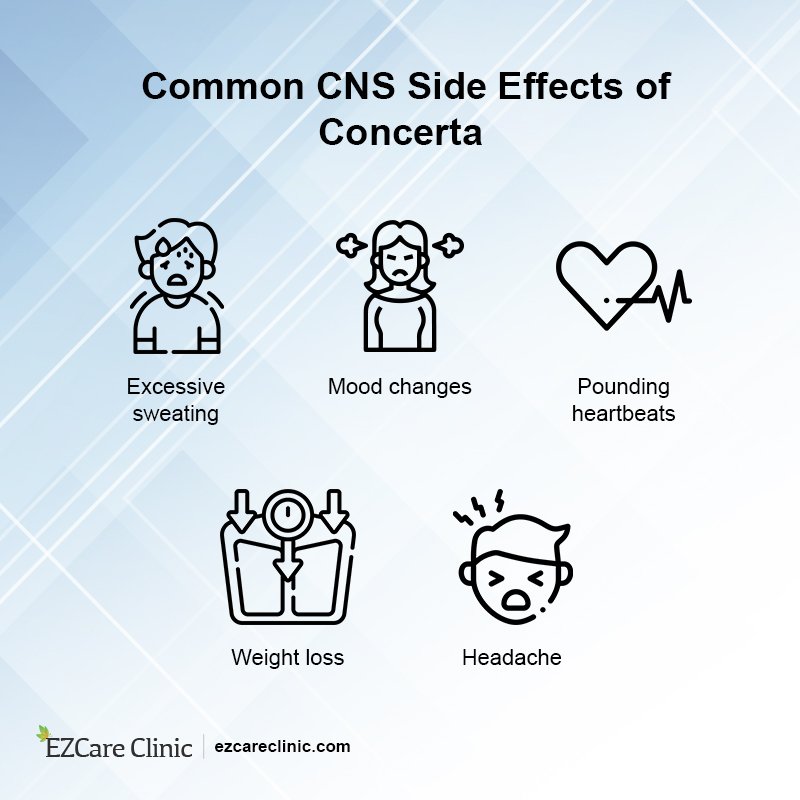
Concerta, a widely prescribed medication for attention deficit hyperactivity disorder (ADHD), is well-known for its potential side effects. Among these, many users report an unexpected and often unwanted effect: weight loss. An estimated 65% of individuals using stimulant medications like Concerta experience some degree of appetite suppression, which can lead to a decrease in overall caloric intake and subsequent weight loss. However, this intriguing relationship between Concerta and weight loss raises several questions regarding safety, effectiveness, and the long-term impacts on those who rely on this medication for managing their ADHD symptoms.
In assessing whether Concerta causes weight loss, it’s essential to consider the underlying mechanisms, user experiences, and available research. Factors such as dosage, duration of use, individual metabolism, and concurrent lifestyle choices play significant roles in determining how Concerta affects each person uniquely. Understanding these complexities is vital for anyone considering this medication or currently undergoing treatment.
This article will comprehensively explore the effects of Concerta on weight management, discuss user experiences, and clarify common misconceptions regarding its use as a weight loss aid. Whether you’re a newcomer to Concerta or someone seeking clarity about your ongoing experience, this exploration will provide insights and information to help you navigate your path.
Understanding Concerta and Its Mechanism of Action
Concerta is the brand name for methylphenidate, a central nervous system stimulant primarily prescribed for ADHD. Its active component works by affecting neurotransmitters in the brain, specifically dopamine and norepinephrine, which play crucial roles in attention, focus, and impulse control. By enhancing these neurotransmitter levels, Concerta helps many users achieve better concentration and decreased impulsivity, essential for navigating daily responsibilities.
The medication is designed to be long-acting, meaning it provides a steady release of methylphenidate over the course of the day, helping maintain its effectiveness and reducing the risk of side effects that can accompany short-acting formulations. However, this mechanism may also extend to appetite and metabolism, producing effects that can lead to weight loss in some individuals.
Research indicates that stimulants such as Concerta can suppress appetite, particularly in the early stages of use. This suppression can lead to significant weight changes as patients often report reduced feelings of hunger and less inclination to eat. Additionally, when users experience increased focus and energy levels, they may also engage in more physical activities, indirectly contributing to weight loss.
Does Concerta Affect Appetite and Metabolism?
Concerta’s appetite-suppressing properties are part of the pharmacological effects of stimulant medications. When methylphenidate is introduced into the body, it triggers the release of certain hormones and neurotransmitters that decrease hunger signals. Users may find that they prioritize their tasks and responsibilities over meal preparation or consumption, leading to a caloric deficit over time.
In terms of metabolism, some studies have shown that stimulant medications can increase metabolic rate, leading to higher energy expenditure. This interplay between appetite suppression and increased energy could explain why many individuals experience weight loss when starting treatment with Concerta.
However, it is essential to recognize that these effects may vary significantly from person to person. While some might truly benefit from the appetite suppression to manage weight, others may encounter risks associated with reduced nutrient intake, especially if they are using the medication long-term.
Potential Risks of Weight Loss with Concerta
While weight loss might appear beneficial to some users, it is not without its drawbacks. Sustained weight loss achieved through appetite suppression can lead to nutritional deficiencies if individuals don’t compensate for their caloric reduction with healthy foods. Essential nutrients, including vitamins and minerals, are necessary for overall health, and reduced intake can lead to negative health outcomes. For example, deficiencies in iron and fiber are common concerns among those who experience significant weight loss due to appetite suppression.
Moreover, long-term weight loss or a drastic change in body weight can result in issues related to metabolic health. Some users might also experience psychological effects, such as feeling pressured to maintain a specific weight or image, leading to an unhealthy relationship with food and body image.
Furthermore, users also report varying experiences regarding weight fluctuations, with some recovering their previous weight after adapting to the medication. This adaptation period could potentially lead to situations where an individual may experience cyclical patterns of weight loss and gain.
Real-Life Experiences: Concerta and Weight Loss Stories
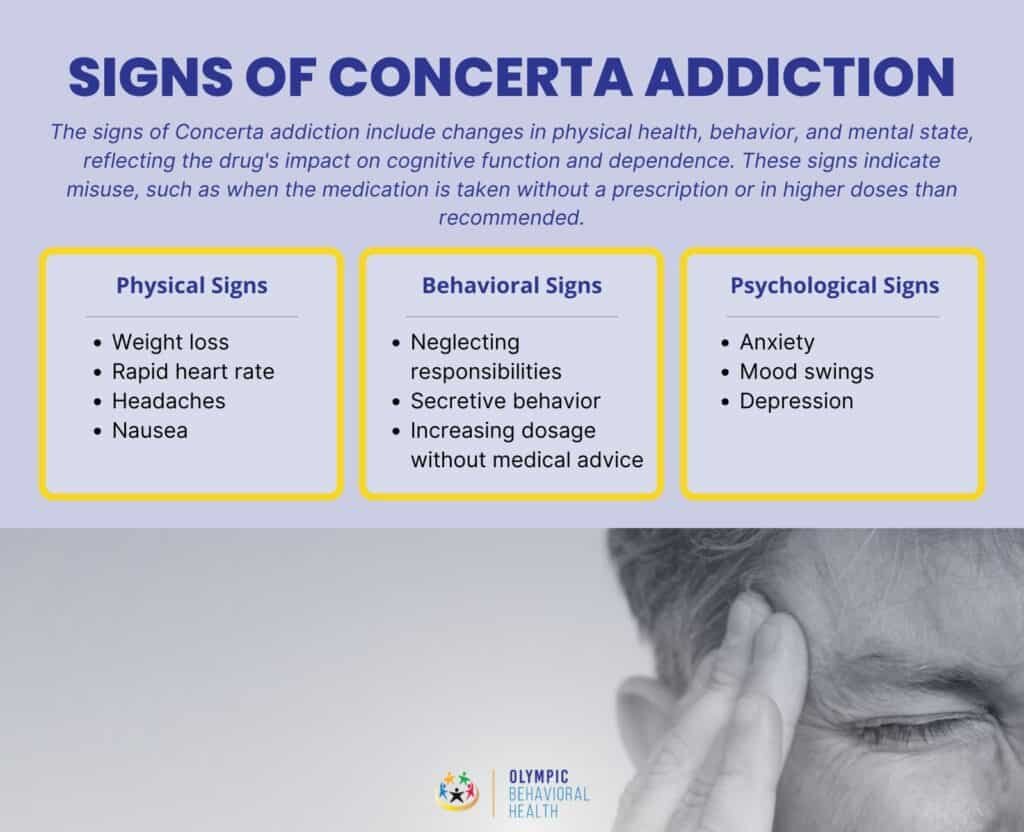
Many users have taken to forums and social media to discuss their weight loss experiences on Concerta, often providing a diverse range of perspectives. Some individuals report dramatic weight loss in a short period, leading to compliments and attention from peers that can be both validating and distressing.
For example, a user on a prominent discussion forum shared their experience of losing over 30 pounds within the first few months of treatment. This individual described the initial economic benefits of feeling more energetic and focused but later became concerned due to their inability to eat regular meals. They found themselves taking in fewer calories than their body required, leading to feelings of fatigue and concentration issues as treatment continued.
Another user noted their struggle with Depression and anxiety while on the medication, which compounded their appetite suppression experience. They shared how they had become reliant on Concerta and experienced fluctuations of more than 20 pounds in a few months, ultimately leading them to seek support from a healthcare professional.
Trending Discussions: Weight Loss on Concerta on Reddit
Reddit and similar platforms feature ongoing discussions about Concerta, with users sharing personal experiences, querying doctors, and supporting one another through challenges. Observers note common sentiments regarding weight loss, including surprise, relief, and concern for individuals managing drastic weight shifts.
A recurrent theme within those discussions is how the medication can be a double-edged sword: effective for managing symptoms of ADHD but having the potential to create a new set of challenges pertaining to weight management. Beyond health implications, many users contemplate the social ramifications of weight changes, with some finding they were more confident with less weight while others felt stigmatized.
This conversation highlights the multifaceted implications of being prescribed medication like Concerta. While weight loss is a critical side effect for some, it can open up discussions around mental health, self-esteem, and self-care strategies that need to be managed alongside the use of the medication.
Does Concerta Cause Weight Gain Instead of Weight Loss?
Interestingly, not everyone experiences weight loss when taking Concerta. Some individuals report **weight gain** as a side effect, particularly after the initial months of treatment. This divergence underscores how individual physiology and lifestyle factors interact with medication effectiveness. Various factors, such as lifestyle changes, increased caloric intake, or alterations in physical activity levels, can contribute to weight gain despite the appetite-suppressing effects of Concerta.
For instance, an individual may feel relief from ADHD symptoms, enabling them to engage more actively in social situations. Their improved focus may lead to changes in diet, where a heightened awareness of meals can inadvertently increase overall caloric intake, resulting in weight gain.
Another contributing aspect is metabolic adaptation: when a body undergoes weight loss, it may respond by slowing its metabolic rate to conserve energy, making it easier to gain weight back after initial losses. Understanding how Concerta interacts with each individual’s metabolism is crucial, emphasizing the necessity for monitored changes in weight, diet, and overall health.
Managing Weight While Taking Concerta
Those concerned about weight changes while using Concerta should take proactive steps to monitor and manage their health. Key strategies include keeping a food diary, ensuring regular meals, maintaining balanced nutrients, and consulting healthcare professionals for tailored advice. Regular check-ins with a doctor can help in addressing both mental and physical well-being while on medication.
Healthcare professionals may recommend a comprehensive approach that includes behavioral therapy, dietary adjustments, and exercise to ensure users gain a holistic understanding of their health. Staying informed about any potential side effects related to weight can empower users to navigate challenges effectively while keeping their ADHD symptoms managed.
Ultimately, users need to communicate openly with their healthcare providers about their experiences with Concerta, providing insight that can lead to adjustments, additional support, or alternative treatment options if required.
What Are the Side Effects of Concerta in Females?
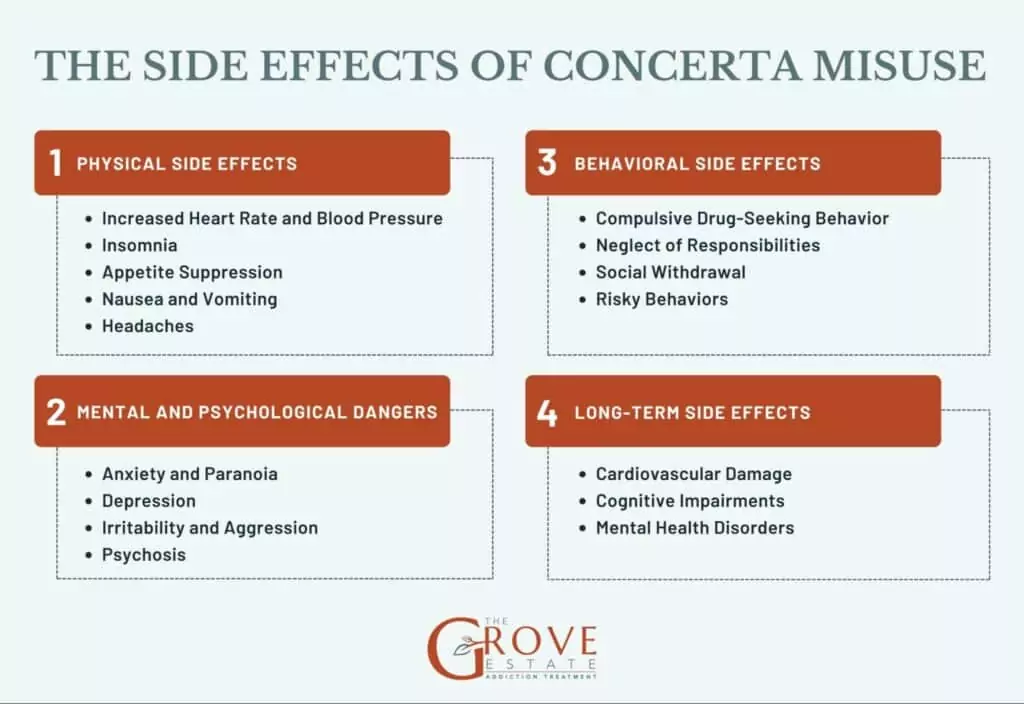
Side effects from Concerta do not discriminate by gender, but females may have specific concerns regarding long-term health, hormonal cycles, and weight changes. Women taking Concerta often report side effects similar to men, including insomnia, headaches, and stomach issues. However, hormonal fluctuations in women can influence how effectively medication works or how side effects manifest.
One notable side effect reported is changes in menstrual cycles, which can influence weight fluctuation and appetite control. Weight loss or gain might not be attributed directly to the medication, but hormonal points of interest are essential for women to track. Consulting healthcare providers for personalized insights may ensure that both ADHD management and reproductive health are in balance.
Additionally, some women report an increased risk of anxiety or depression on Concerta, which can correlate with appetite changes and weight loss or gain. Addressing these psychological effects directly can be an integral part of a woman’s overall treatment plan.
Balancing ADHD Management and Weight Health
For many women, managing ADHD with medications such as Concerta calls for an adaptable strategy that encompasses both mental health and physical wellness. Engaging in open dialogues with healthcare providers on emotional well-being, lifestyle habits, and symptoms can provide a healthier balance throughout the treatment process.
Support groups, be it in-person or online forums, can help provide a sense of community where shared experiences allow individuals to feel less isolated in their journey. Whether discussing concerns about weight loss, gaining confidence, or finding healthier eating patterns, having a network can make the journey more achievable.
Ultimately, the dialogue surrounding using Concerta for ADHD is continually evolving, emphasizing the necessity of a comprehensive and personalized approach. Creating a collaboration between healthcare providers, individuals managing ADHD, and their support networks can lead to more favorable outcomes as treatment progresses.
FAQ
1. Can Concerta be used as a weight loss medication?
While Concerta has appetite-suppressing effects that may lead to weight loss in some individuals, it is primarily prescribed for managing ADHD symptoms and not weight loss. Relying on this medication solely for weight management poses significant health risks and potential nutrient deficiencies.
2. How long does it take to notice weight loss on Concerta?
The timeline for experiencing weight loss varies per individual. Many users report initial weight loss within the first few weeks of treatment, typically as they adjust to the medication. However, this weight loss can stabilize or reverse once the body adapts, and appetite returns.
3. Will I regain weight after stopping Concerta?
Many users experience some degree of weight regain after discontinuing Concerta as their appetite normalizes and caloric intake increases. Maintaining healthy lifestyle choices can help manage weight during this transition period.
4. Can Concerta cause weight loss in adults?
Yes, adults taking Concerta can experience weight loss due to reduced appetite and individual metabolic responses. However, experiences can vary widely from one person to another, with some individuals reporting weight gain instead.
5. What should I do if I experience significant weight loss on Concerta?
If significant weight loss occurs, it is essential to consult a healthcare professional. They can assess the situation, evaluate for possible nutritional deficiencies, and recommend strategies for maintaining a healthy weight while managing ADHD effectively.
6. Are there any dietary adjustments recommended while on Concerta?
Maintaining a balanced diet is crucial for those on Concerta. Incorporating nutrient-dense foods, prioritizing regular meals, and monitoring caloric intake can help manage weight while ensuring proper nutrient levels are sustained during treatment.
7. How can I manage side effects, including weight fluctuations, while on Concerta?
Managing side effects, including potential weight fluctuations, involves maintaining close communication with healthcare providers, participating in therapy, and establishing a balanced diet. Solutions may vary based on personal experiences and should focus on holistic health.
Conclusion
The relationship between Concerta and weight loss is complex and multifaceted. For some, the medication is a transformative tool in managing ADHD, leading to improved focus and productivity. However, the side effect of weight loss, while seemingly advantageous at first, can lead to challenges in overall health and well-being. Each individual’s response to Concerta can differ widely and necessitates comprehensive monitoring and care.
Understanding the mechanisms of Concerta, its impact on appetite and metabolism, and user experiences can empower individuals to navigate the challenges of treatment proactively. By establishing a collaborative relationship with healthcare providers and developing support networks, patients can better manage their weight and overall lifestyle while utilizing Concerta to its fullest potential.
Ultimately, fostering awareness and open dialogue about the multi-dimensional effects of medications like Concerta can lead to healthier outcomes for those navigating life with ADHD. Maintain consistency in your treatment approach, seek advice as necessary, and prioritize personal well-being as you journey through your ADHD management.
