🏠 Stay at home! 25% discount on all medicines


Does Adderall Show Up on Drug Tests? A Comprehensive Guide

Adderall, a prescription medication that combines amphetamine and dextroamphetamine, is widely used to treat Attention Deficit Hyperactivity Disorder (ADHD) and narcolepsy. Despite its medical benefits, the use of Adderall can lead to concerns, especially when it comes to drug testing. Whether you are an employee, a student, or someone who uses this medication legitimately, knowing whether Adderall shows up on drug tests and how long it remains detectable in your system is crucial.
Studies suggest that prescription amphetamines, like Adderall, can affect the brain’s neurochemistry in significant ways, enhancing focus and concentration. However, their classification as a controlled substance raises a red flag in contexts where drug testing is frequent. This article aims to answer critical questions about Adderall and drug tests, outlining detection methods and timelines, while providing insights into legal protections for those with a prescription.
Additionally, we will explore various aspects of Adderall usage, the implications of testing positive, and what steps individuals can take if faced with a drug test. Our goal is to elucidate what you should understand about Adderall’s presence on drug screenings, providing you with informed guidance.
Understanding Adderall and Its Composition
Before diving into drug testing specifics, it’s important to understand what Adderall entails. Adderall is composed of amphetamine, which falls under the category of central nervous system stimulants. This substance can improve attention and decrease impulsivity in individuals diagnosed with ADHD. Its chemical structure allows amphetamine to prompt the release of neurotransmitters such as dopamine and norepinephrine, which are critical for attention and behavioral regulation.
Adderall comes in two formulations: immediate-release and extended-release. The immediate-release form typically lasts 4-6 hours, while the extended-release can last up to 12 hours. Both formulations can lead to similar detection metrics in drug tests but may vary in their elimination profiles from the body.
Given its potential for abuse, especially among individuals without prescriptions seeking to enhance cognitive performance, Adderall needs careful regulation. This has led to its classification as a Schedule II controlled substance, indicating a high potential for misuse. As a result, employers and organizations often include amphetamines in their routine drug screening protocols.
Does Adderall Show Up on Drug Tests? An Overview
The initial answer to the question of whether Adderall shows up on drug tests is a resounding yes. Most standard drug tests are designed to detect the presence of amphetamines, the active ingredient in Adderall. These tests aim to identify drugs that could impair performance or indicate substance misuse.
Standard drug screenings typically involve urine testing, which is the most common method used by employers and rehabilitation programs due to its cost-effectiveness and relatively easy collection process. Other testing methods, such as saliva, blood, and hair tests, can also detect Adderall, albeit with different detection windows and sensitivity levels.
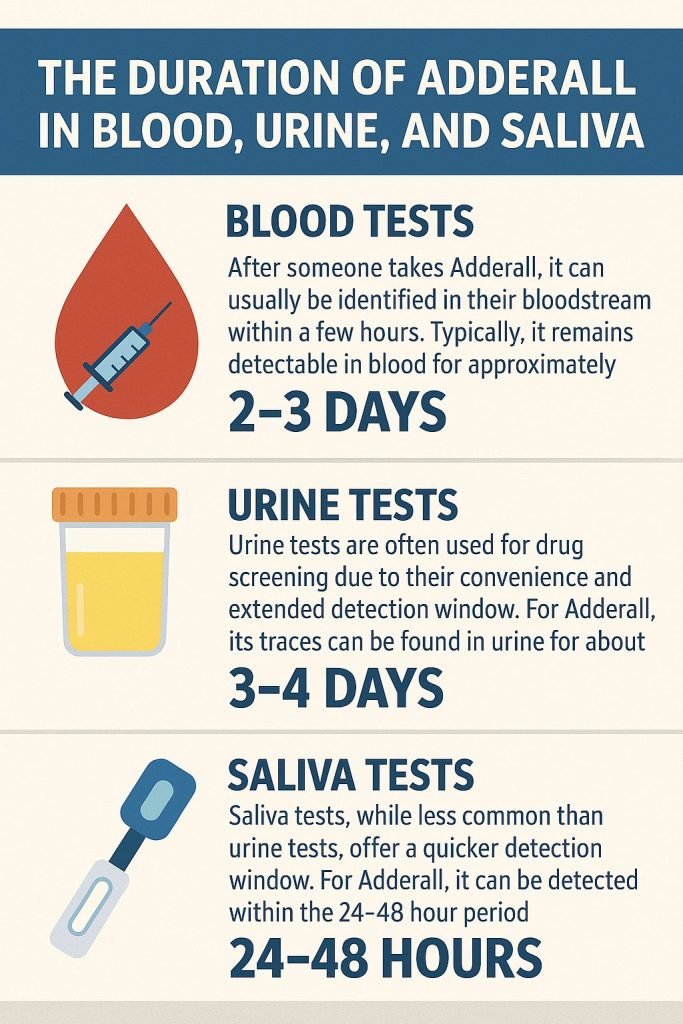
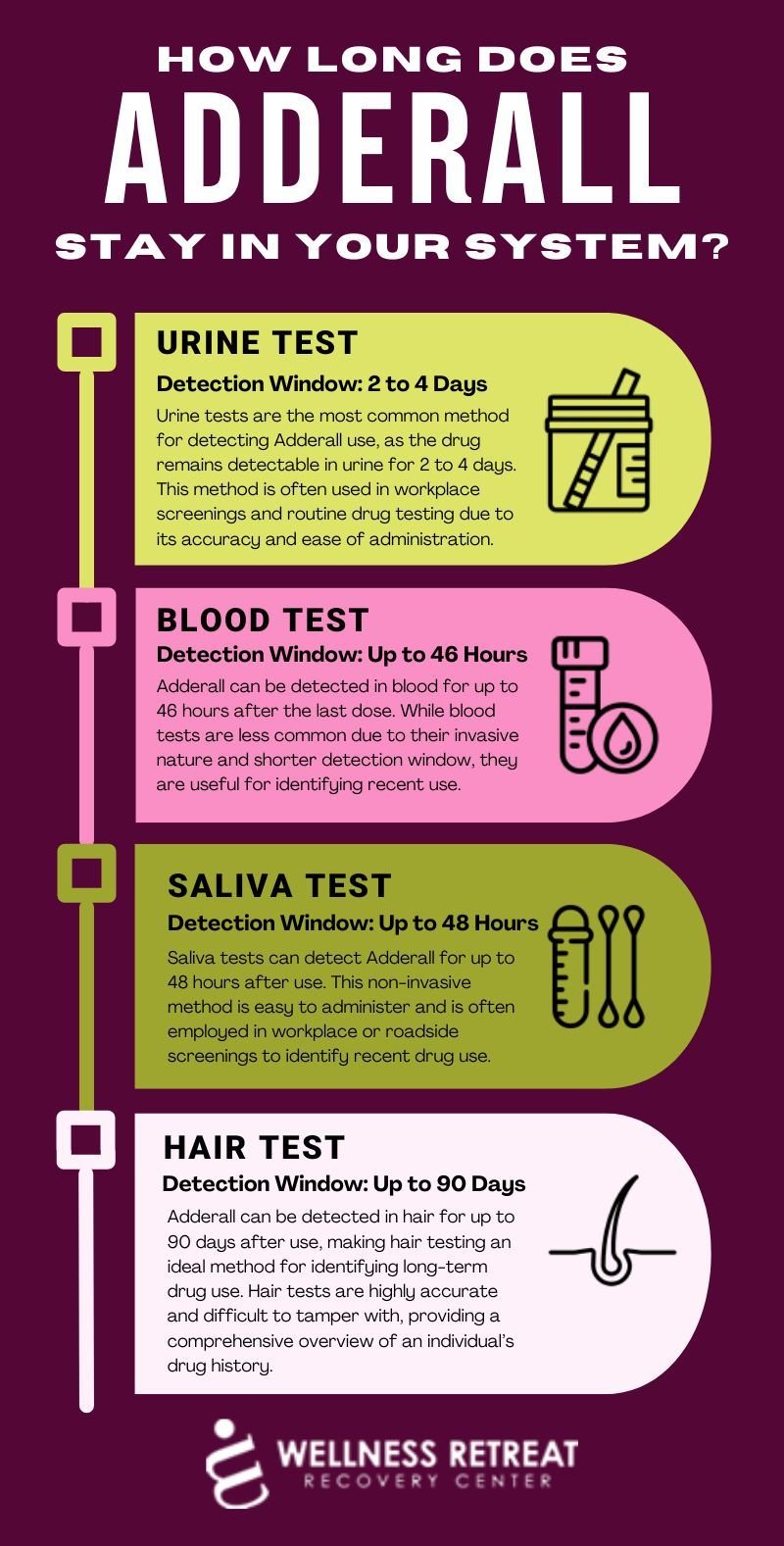
Among the various types of drug tests, urine tests provide a reliable window into recent drug use. Depending on one’s metabolism, dosage, and frequency of use, Adderall can be detected in urine anywhere from 2 to 4 days after the last dose. Extended or chronic use may lead to a longer detection period.
What Drug Tests Are Commonly Used?
There are several types of drug tests that can be administered to detect the presence of Adderall and other amphetamines. Below are the primary types:
- Urine Tests: The most common method used in workplaces and rehabilitation settings.
- Saliva Tests: These tests can offer a quick assessment but typically have shorter detection windows.
- Blood Tests: Less common, but they can provide a current state of substance use.
- Hair Tests: Can detect drug use over a longer period, often up to 90 days.
Each method has its advantages and limitations, but urine tests remain the standard due to their relatively low cost and ease of administration. Employers usually do not disclose the specific drugs being tested, focusing instead on a broader panel that flags substance misuse.
Detection Timelines for Adderall
The detection window for Adderall varies by testing type, dosage, and frequency of use. Here’s a detailed breakdown of how long Adderall can stay in your system for different testing modalities.
Urine Tests
In terms of urine tests, Adderall can typically be detected for about 2 to 4 days after the last dose. This window can vary based on several factors, including:
- Dosage: Higher doses can lead to longer detection times in urine.
- Frequency of Use: Regular users may have metabolites stored in their system, extending detectability.
- Metabolism: Individual metabolic rates significantly impact how quickly substances are processed.
For instance, if a person takes a 10 mg dose of Adderall, it is likely to be detectable in urine for approximately 2-4 days. However, users of higher doses or those taking it regularly may find that it lingers for a longer period due to accumulated metabolites.
Saliva Tests
Saliva tests are generally less commonly used for detecting Adderall; however, they can still provide an accurate measure of recent use. This testing method typically captures substances used within the last 1 to 2 days. As such, if you are facing a drug test shortly after using Adderall, there is a significant risk for detection.
Blood Tests
Blood tests are less frequently employed for regular drug screenings due to their invasive nature and higher costs, but they can detect Adderall use for around 24 hours after administration. This method is typically utilized in medical settings or legal situations.
Hair Tests
Hair follicle tests offer a long-term perspective by measuring substances consumed over the past 90 days. Therefore, even if you stopped using Adderall weeks ago, it could still show up in a hair test. However, because hair testing is less common, it is usually found in specialized environments, like forensic investigations or compliance programs.
Impact of a Positive Drug Test for Adderall
Testing positive for Adderall on a drug test may raise concerns about its implications, especially for those who have a valid prescription. Generally, the outcome depends on the context of the test and the policies of the organization conducting it. Employers often have strict drug-free workplace policies, leading to immediate consequences for positive results.
Employer Policies on Prescription Medications
In the case of a positive drug test result, proper protocols typically exist to address the situation, particularly in workplaces. Most employers will require verification from a Medical Review Officer (MRO), who evaluates the legitimacy of the prescription. If the MRO confirms that the individual is taking Adderall under a legitimate prescription, the situation may be handled differently compared to non-prescribed use.
Ultimately, it is crucial to disclose any legal prescriptions before undergoing a drug test, if permissible by company policy. Even though many states afford some protections to employees using prescribed medications, ambiguity still exists in the laws surrounding workplace drug testing.
Could I be Disqualified from Employment?
Unfortunately, a positive drug test for Adderall—even with a prescription—can lead to disqualification from certain jobs, especially those that require a high level of alertness and performance, such as positions in transportation or heavy machinery operation. Employers may contend that the medication could impair job performance or increase safety risks. Therefore, it’s vital to be aware of the specific policies of your position or organization.
What Happens if You’ve Failed a Drug Test for Adderall?
For individuals facing the reality of a positive drug test for Adderall, the first step involves reviewing the consequences based on the setting of employment and regulatory frameworks. Options can vary widely based on local labor laws, company policies, and the nature of the role. If you test positive, be prepared to provide documentation related to your prescription.
Many organizations implement a second-chance policy or a grace period that allows the employee to correct the situation, especially if they can show legitimate medical need. Some might even offer counseling or support services for substance use issues, depending on the company culture and regulations.
Additionally, documenting your prescription and discussing its implications with your HR department can better equip you against potential ramifications. Keeping an open line of communication is crucial in clarifying any misunderstandings.
How Long Does Adderall Stay in Your System at Varying Dosages?
Understanding Dosage Influences Detection Time
The dosage of Adderall is a critical factor determining how long it remains in your system. Generally, higher doses are associated with longer detection times, largely due to the amount of the drug metabolized and excreted from the body.
For instance, a 10 mg dose typically remains detectable for about 2 to 4 days, while a 20 mg dose or higher can potentially increase this window. Certain users report detection windows extending 5-7 days, especially for heavy or chronic users.
Moreover, individual metabolic variations can also significantly alter the timeframe. Some individuals metabolize drugs quickly due to genetic factors, while others may experience slower metabolism, altering how quickly substances exit their system.
What if You’re Prescribed Adderall?
If you have a legitimate prescription for Adderall, it is crucial to understand your rights and the legal framework surrounding your prescription. Employers are often bound by law not to discriminate against employees for taking prescription medications. However, it is always smart to review your company’s drug policies prior to undergoing testing.
In many workplace situations, failure to disclose a prescription can lead to confusion and potential repercussions. Keeping an open line of communication with your employers about your valid medical needs is essential to safeguard your interest should you face drug testing.
Steps to Prepare for a Drug Test While Medicated
For those who are prescribed Adderall and must undergo a drug test, consider the following recommendations:
- Disclosure: Inform your employer about your prescription beforehand, per company policy.
- Documentation: Bring supporting medical documentation to validate your prescription during testing.
- Understand Company Policy: Familiarize yourself with the company’s specific drug use policy and how it may affect your employment.
Can You Flush Adderall Out of Your System?
Many individuals inquire about methods for expediting the process of eliminating Adderall from their system, particularly if they face an imminent drug test. While several detox strategies are marketed as effective, most lack scientific backing. The human body naturally metabolizes and cleanses substances within a set timeframe that cannot be drastically altered.
Staying hydrated and maintaining good health practices can support the body’s natural detoxification processes but will not yield instant results. Moreover, attempting to accelerate drug clearance through diuretics or extreme diets often comes with health risks and often fails to produce the desired effects.
FAQs: Common Questions About Adderall and Drug Tests
1. How long does Adderall show up in urine tests versus hair tests?
Adderall can remain detectable in urine for about 2-4 days after last use. In contrast, hair tests can reveal substance use for up to 90 days, making them much less forgiving if the individual has used Adderall in that timeframe.
2. What happens if I have a prescription and still fail a drug test?
Failing a drug test while on a prescribed medication like Adderall typically leads to an evaluation by a Medical Review Officer (MRO), who will confirm the legitimacy of your prescription. If proven valid, this could mitigate penalties.
3. Will taking a lower dose help me avoid detection?
Reducing the dosage of Adderall may decrease the chances of testing positive on a drug test, but it does not guarantee that you will pass, especially if drug tests are conducted shortly after use.
4. Are there any legal protections for individuals prescribed Adderall?
In many jurisdictions, patients prescribed medications for legitimate medical reasons are protected from discrimination. However, circumstances differ between states and employers, so it’s crucial to familiarize yourself with the specific laws applicable to your situation.
5. Can I request a retest if I believe the results are inaccurate?
Yes, individuals can often request a retest, especially if they have evidence of legitimate medication use. It’s vital to act quickly and ensure proper documentation is provided to support your appeal.
6. Are there home tests available to check for Adderall usage?
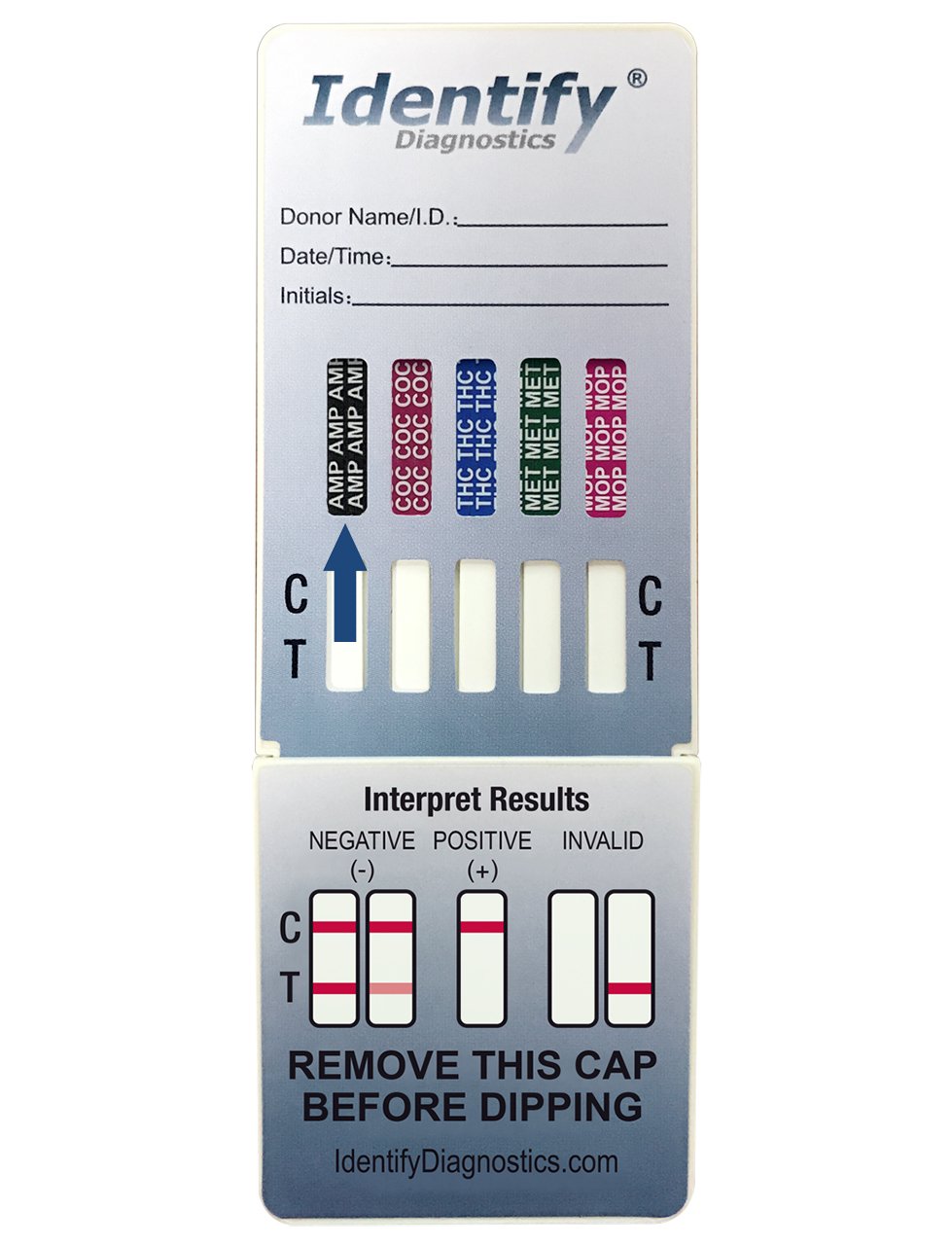
Yes, there are home testing kits available that can check for the presence of Adderall and amphetamines. These kits can provide preliminary results but may not be as accurate as those done in clinical settings.
7. Does diet or exercise impact the detection of Adderall?
While maintaining a healthy diet and regular exercise can bolster overall metabolic health, they have little impact on the speed of Adderall clearance from the system. Ultimately, one’s metabolic rate is the determining factor.
Final Considerations and Key Insights
Understanding the implications of Adderall usage concerning drug testing is imperative for those who use this medication as prescribed. Knowledge about its discoverability on standard drug tests equips users to navigate potential workplace challenges confidently. Individuals must also recognize the various factors impacting detection windows, including dosage, frequency of use, and individual metabolism.
When faced with a drug test, awareness of one’s rights regarding prescribed medications is crucial, as workplace policies vary widely. Open communication with employers about existing prescriptions can help mitigate misunderstandings and potential negative consequences.
Ultimately, being informed about both the pharmacology of Adderall and legal protections allows users to advocate for themselves and successfully navigate their professional environments while managing their health conditions effectively.
