🏠 Stay at home! 25% discount on all medicines


Does Adderall Help with Anxiety? Understanding the Effects and Risks

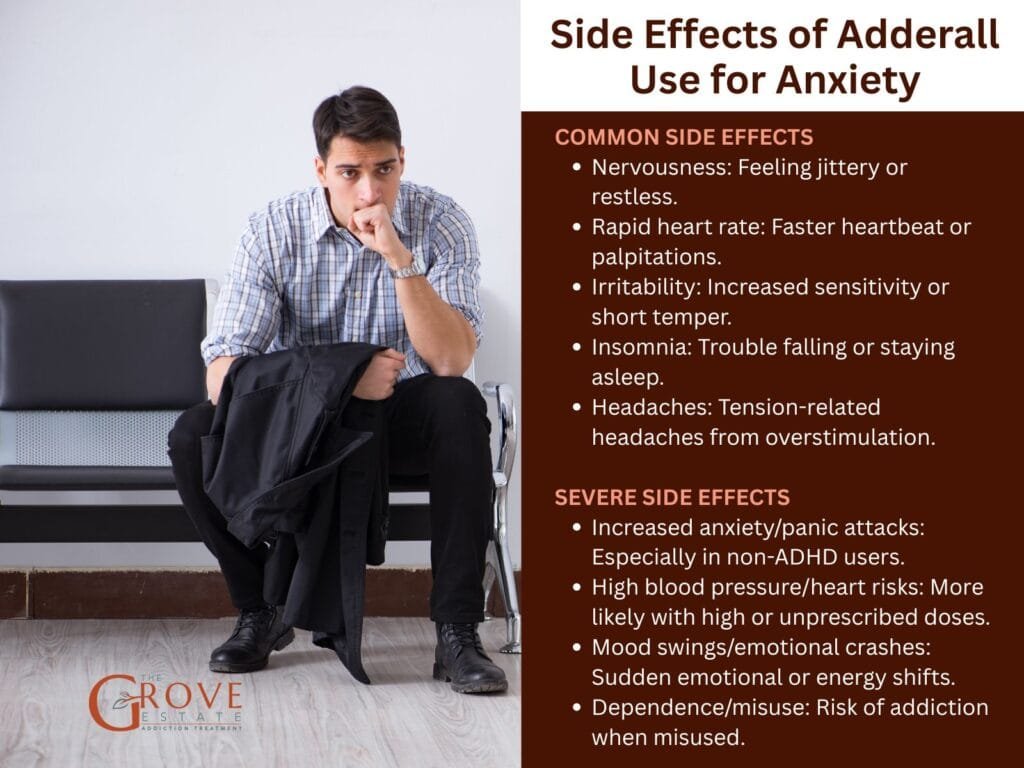
Adderall, a combination of amphetamine and dextroamphetamine, is primarily prescribed for Attention Deficit Hyperactivity Disorder (ADHD). While it is effective for improving focus and decreasing impulsivity in individuals with ADHD, its effects on anxiety are less straightforward. Many individuals wonder if this stimulant medication can alleviate anxiety symptoms, particularly those related to overwhelming distractions. However, the answer to the question of whether Adderall helps with anxiety is not as simple as it may seem. A critical aspect is that Adderall is not FDA-approved for treating anxiety, leading to a nuanced discussion about how it may help or hinder individuals struggling with anxiety.
The interplay between ADHD and anxiety is complex. Many individuals diagnosed with ADHD also experience anxiety disorders, leading to a belief that improving focus and concentration through Adderall may alleviate anxiety symptoms. However, while some individuals report feeling less anxious when using Adderall, others find that it exacerbates their anxiety, resulting in increased restlessness or even panic attacks. This dichotomy in experiences necessitates a deeper understanding of the pharmacological effects of Adderall and the underlying mental health conditions it is often associated with.
This article will explore various aspects of Adderall’s effects on anxiety, how it interacts with ADHD symptoms, and the risks associated with its use. By understanding these factors, individuals can make informed decisions when considering treatment for anxiety, and hopefully guide those searching for effective solutions toward better mental health.
Understanding Adderall and Its Primary Use
Adderall is primarily used to treat ADHD, a neurological condition characterized by difficulty focusing, hyperactivity, and impulsive behavior. The medication works by affecting the neurotransmitters in the brain, specifically dopamine and norepinephrine, enhancing attention span and cognitive function. For those with ADHD, Adderall can significantly improve academic performance and social interactions, reducing the stress that accompanies ADHD symptoms.
However, Adderall is not without its side effects. Common side effects include insomnia, decreased appetite, and increased heart rate. For some users, particularly those without ADHD, stimulants can result in heightened anxiety, agitation, or nervousness. This experience leads many to question whether the medication can also be used as a treatment for anxiety, which is fundamentally different from ADHD.
The ongoing research about the relationship between ADHD and anxiety is critical. Many who suffer from ADHD symptoms also experience accompanying anxiety, leading them to explore if treating one condition will help address the other. However, it’s crucial to understand the pharmacological basis of how many stimulants, including Adderall, work against the backdrop of these co-morbid conditions.
Does Adderall Help with Anxiety or Make It Worse?
While Adderall may reduce ADHD symptoms, it does not effectively treat anxiety and may even exacerbate it in many users. For individuals without ADHD, taking Adderall can lead to increased anxiety, particularly if they are predisposed to anxiety disorders. Stimulants can create an imbalance in neurotransmitter levels, which may worsen feelings of nervousness, agitation, or restlessness.
Specific research has indicated that Adderall can improve focus, potentially providing a sense of calm for individuals with ADHD. This improved focus may indirectly lessen anxiety related to distractions or feeling overwhelmed. However, this does not constitute an effective treatment for generalized anxiety disorders or panic attacks. If individuals are using Adderall solely to manage anxiety without a formal ADHD diagnosis, they may be setting themselves up for heightened anxiety and potential dependence on the medication.
Doctors do not typically recommend Adderall for anxiety management. FDA guidelines explicitly state that it’s not approved for anxiety disorders, meaning practitioners should look towards evidence-based treatments tailored for anxiety, such as selective serotonin reuptake inhibitors (SSRIs), cognitive-behavioral therapy (CBT), or other suitable interventions. While some users might report relief from anxiety symptoms when taking Adderall, these experiences can be misleading and are not representative of the majority.
The Science Behind Adderall’s Effects on Anxiety Symptoms
The pharmacological action of Adderall impacts different individuals in various ways. Its ability to increase dopamine and norepinephrine levels in the brain may create a sense of heightened energy and alertness, often perceived as beneficial when battling ADHD. However, this same process can lead to heightened anxiety in individuals who do not suffer from ADHD.
In individuals with ADHD, the proper dosage of Adderall may lead to improved capability in handling stressors that would typically trigger anxiety. The medication can help in creating a sense of control over chaotic thoughts and activities, thus indirectly alleviating anxiety related to overwhelm. However, excess stimulation can lead to overstimulation of the nervous system, especially in those who are prone to anxiety disorders.
Moreover, stimulants like Adderall can increase heart rate and provoke physiological symptoms akin to those experienced during anxiety episodes (such as increased heart palpitations or breathlessness). This phenomenon can lead to a vicious cycle, where the physiological effects of the medication mimic anxiety symptoms, thereby exacerbating the individual’s anxiety rather than relieving it.
Exploring Alternatives: Effective Treatments for Anxiety
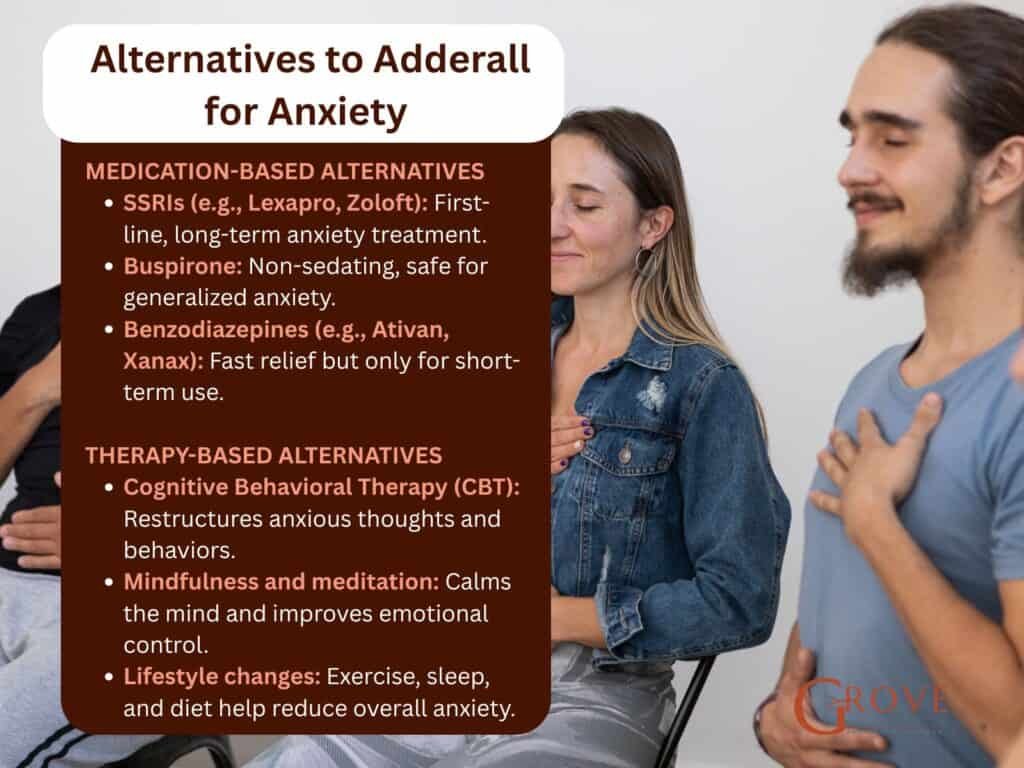
Since Adderall is not an officially recognized treatment for anxiety, exploring alternative methods remains imperative. Various evidence-based treatments exist that specifically target anxiety disorders without the risks associated with stimulant medications.
Cognitive-Behavioral Therapy (CBT) is widely regarded as one of the most effective treatments for anxiety. CBT aims to change patterns of thinking or behavior that contribute to anxiety, equipping individuals with coping strategies to manage their symptoms effectively. Various studies support the efficacy of CBT and ascertain its status as a first-line treatment for generalized anxiety disorder (GAD), panic disorder, and social anxiety disorder.
Another widely used approach involves medication specifically designed to treat anxiety, such as SSRIs or benzodiazepines. SSRIs, like sertraline or fluoxetine, function by increasing serotonin levels in the brain, effectively mitigating anxiety symptoms over time. These medications typically have a more favorable safety profile than stimulants, making them a preferred choice for managing anxiety without the risk of exacerbation associated with Adderall.
Does Adderall Help with Anxiety and Depression? Exploring the Co-Morbid Landscape
Many individuals battling anxiety also grapple with depression, a condition that compounds the feelings of helplessness and distress commonly associated with anxiety disorders. Adderall is often examined regarding its potential effectiveness for individuals dealing with both diagnoses. While some individuals express that they experience enhanced mood and relief from depressive symptoms while on Adderall, this is not a universal experience.
Adderall’s stimulant effects might lead to a temporary uplift in mood or energy; however, these effects are not sustainable as a treatment option for depression. For those with comorbid conditions, it is critical to approach treatment holistically, considering both medication and therapeutic interventions tailored to address anxiety and depression together.
Patients should actively discuss their experiences with healthcare providers, facilitating open communication about how their symptoms manifest and which treatments have been most effective. By taking an individualized approach to treatment, patients can work towards achieving a greater sense of stability and improvement in their mental health.
Adderall and Anxiety: Insights from Personal Experiences
Many individuals turn to platforms like Reddit to share their personal experiences regarding the use of Adderall in relation to anxiety. Accounts vary widely; while some report improvements in anxiety symptoms when they successfully manage their ADHD, others describe situations where their anxiety escalated following the initiation of Adderall.
These anecdotal experiences are important to consider, but they should not replace clinical guidance. What works for one individual may not apply to another due to the unique aspects of mental health, environmental influences, and personal histories. Hence, personal stories, while valuable, should be regarded with caution and framed within the broader context of scientific research on the medication.
Community experiences can provide insights and comfort; however, they shouldn’t replace professional evaluations. It is essential to work closely with healthcare professionals to determine the best course of action for mental health treatment, ensuring that medications align with individual needs.
Beyond Adderall: Coping Mechanisms for Anxiety
In addition to exploring medication options, individuals can greatly benefit from developing healthy coping mechanisms for managing anxiety. Practices such as mindfulness meditation, yoga, regular physical activity, and proper nutrition can contribute significantly to reducing anxiety symptoms.
Mindfulness and meditation facilitate present-moment awareness, enabling individuals to observe their thoughts without judgment. Studies indicate that mindfulness practices can lead to reduced anxiety and stress levels. Similarly, physical exercise releases endorphins that promote mood enhancement and relaxation, serving as a natural antidote to anxiety.
Additionally, fostering a supportive social network can create an essential safety net for individuals managing anxiety. Friends and family can provide emotional support, which is crucial for coping with daily stressors and anxiety-inducing situations. Open communication about mental health can reduce stigma, encouraging others to seek help and fostering a culture of understanding.
FAQ About Adderall and Anxiety
Can I take Adderall if I have anxiety?
Taking Adderall without a prescription or diagnosis of ADHD may not be advisable if you suffer from anxiety. Many individuals report increased anxiety when taking Adderall, especially if they don’t have ADHD. Always consult with a healthcare professional before starting or stopping any medication.
Are there medications that help with both ADHD and anxiety?
Yes, there are medications such as certain SSRIs that can benefit both ADHD and anxiety when appropriately prescribed. It is essential to work with a healthcare provider to develop a tailored treatment plan that considers both conditions effectively.
What should I do if Adderall increases my anxiety?
If you find that Adderall increases your anxiety, it’s crucial to speak to your healthcare provider. They can help you assess your medication regimen and explore alternative treatments or adjustments to your dosage.
What alternatives exist for treating anxiety?
Effective alternatives for managing anxiety include therapy, mindfulness practices, lifestyle changes, and medications such as SSRIs or anti-anxiety medications tailored specifically for anxiety management.
How fast does Adderall work for ADHD? Can it affect anxiety quickly?
Adderall typically begins to take effect within 30 to 60 minutes, depending on the individual and form of the medication (immediate-release vs. extended-release). If the medication exacerbates anxiety, these effects can also be felt within the same timeframe, thus substantiating the need for careful monitoring when initiating treatment.
Can Adderall be misused by people with anxiety?
There is a potential for misuse of Adderall, especially among individuals without ADHD who seek stimulation or productivity enhancement. This misuse can lead to increased anxiety, dependence, or other mental health issues.
Conclusion: Understanding the Complex Relationship Between Adderall and Anxiety
The relationship between Adderall and anxiety remains complex and nuanced. While Adderall is effective for treating ADHD symptoms, its use in anxiety management is fraught with potential risks. Individuals without ADHD may experience heightened anxiety symptoms instead of relief when using this medication.
For many dealing with anxiety, exploring evidence-based treatments such as CBT and proper medications designed specifically for anxiety is crucial. Personal experiences shared in community settings can provide comfort and insight, but patients should always prioritize professional guidance when it comes to treatment decisions.
Ultimately, managing anxiety requires a comprehensive approach that includes medication, therapy, and healthy lifestyle choices. By seeking appropriate treatment and support, individuals can navigate their mental health challenges more effectively, paving the way for better outcomes and improved well-being.
