🏠 Stay at home! 25% discount on all medicines


Does Adderall Cause Weight Loss? Understanding the Risks and Effects

Adderall, a prescription medication often prescribed for Attention Deficit Hyperactivity Disorder (ADHD), has garnered significant attention not only for its therapeutic benefits but also for its side effects, including potential weight loss. It acts as a central nervous system stimulant, which can accelerate metabolism and suppress appetite. However, many who seek to exploit these effects for weight loss might be unaware of the serious risks and implications of such actions.
Despite its well-documented effectiveness in treating ADHD symptoms, using Adderall for weight management poses substantial health risks. Reports have indicated that while some individuals may experience weight loss as a result of taking the drug, others may find themselves facing a range of adverse side effects, including the risk of developing eating disorders or unhealthy weight loss patterns.
This article delves into the complex relationship between Adderall and weight loss, providing a comprehensive overview of how the medication influences appetite, metabolism, and overall health. We’ll explore the science behind these effects, personal testimonies, and expert insights into the use of Adderall as a weight loss aid, alongside safer alternatives for weight management.
How Does Adderall Affect Weight Loss?
Understanding the mechanisms through which Adderall affects weight loss involves delving into its pharmacological properties. Adderall is comprised of amphetamine salts that stimulate the central nervous system. These stimulants increase norepinephrine and dopamine levels in the brain, which leads to heightened alertness and energy levels. This stimulation not only enhances focus and concentration but also plays a crucial role in appetite regulation.
One of the most notable effects of Adderall is appetite suppression. Many users report a significant decline in hunger while taking the medication, which naturally leads to reduced calorie intake. According to various studies, the appetite-reducing qualities of Adderall can aid in weight loss particularly in the initial stages of treatment, where individuals are likely to eat less due to diminished hunger signals.
Additionally, Adderall is known to increase the body’s metabolic rate, which can result in burning more calories even while at rest. This compound effect—reduced food intake coupled with a higher metabolic rate—can lead to noticeable weight loss in some users. However, it’s essential to note that these effects can vary significantly among individuals based on numerous factors, including dosage, frequency of use, individual metabolism, and lifestyle choices.
What Happens to Weight After Prolonged Use of Adderall?
While short-term use of Adderall may lead to weight loss, the long-term consequences can be quite different. Users may experience weight fluctuations, where initial weight loss is followed by regain or even increased weight. This could be attributed to several factors.
Firstly, as the body adapts to the drug, its appetite-suppressing effects may diminish over time. Many individuals report experiencing an increase in hunger after prolonged use, often leading to a compensatory increase in calorie consumption. Furthermore, psychological factors play a role; the quick weight loss many experience may lead to unhealthy eating habits or reliance on the drug for weight management, rather than adopting sustainable lifestyle changes.
Additionally, some users have reported psychological dependence on Adderall, driving them to misuse the medication as a means of maintaining their weight loss. This cycle can potentially lead to serious health risks, including malnutrition, cardiovascular issues, and the development of eating disorders. Thus, while Adderall may initially aid in weight reduction, the long-term outcome can be counterproductive and harmful.
The Risks of Using Adderall for Weight Loss
The appeal of dramatic weight loss results can tempt individuals to misuse Adderall for weight control, despite the warnings from healthcare professionals about the inherent risks. Many users may overlook the fact that these medications are not designed for weight management and their misuse can lead to various health complications.
One primary concern is the potential for dependency and addiction. As Adderall alters neurotransmitter levels in the brain, some individuals can develop a psychological dependency on the drug to maintain their focus or weight loss, leading to a vicious cycle of misuse and increased tolerance. Over time, this can necessitate higher doses to achieve the same effects, which can exacerbate side effects and health risks.
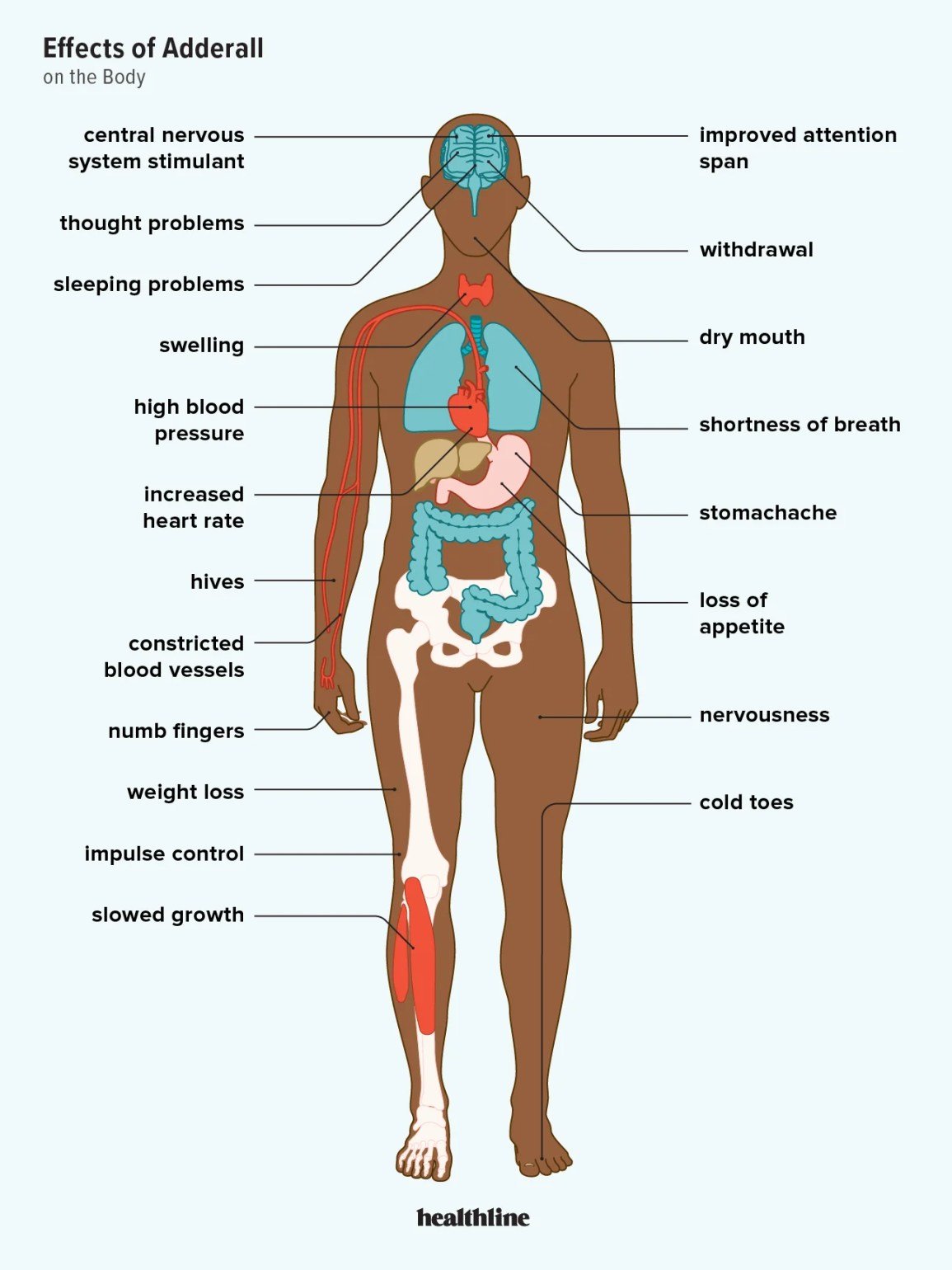
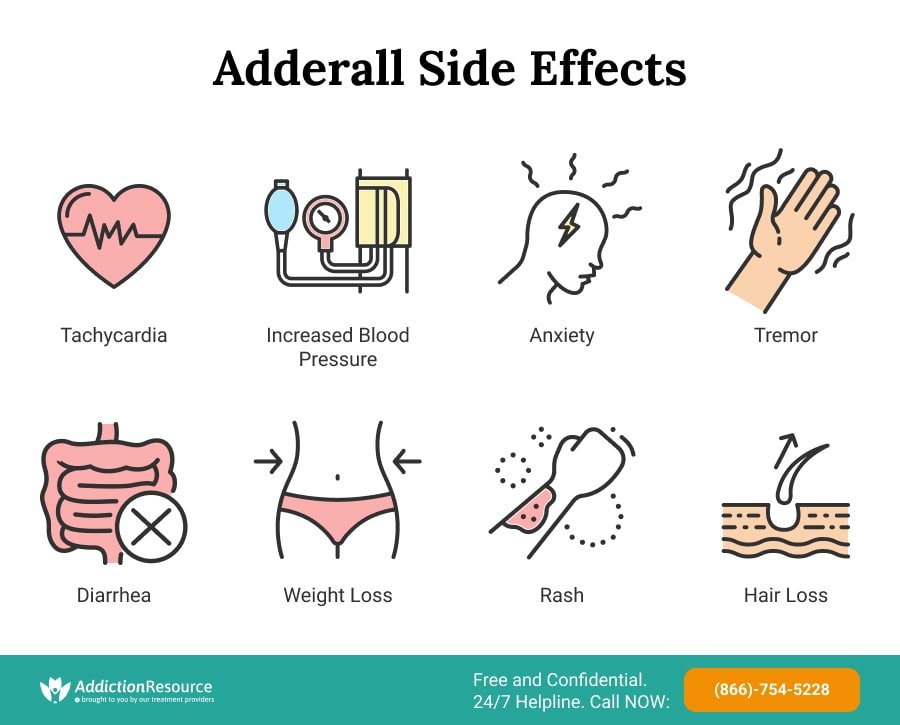
Moreover, the side effects of Adderall can be substantial. Commonly reported issues include insomnia, anxiety, increased heart rate, and elevated blood pressure. These side effects may not only harm overall well-being but can also contribute to the risk of cardiovascular problems. Long-term misuse has been associated with more severe conditions, such as heart disease, stroke, and mental health disorders.
Adderall and Eating Disorders
The potential for developing an eating disorder is another significant risk associated with using Adderall for weight loss. The appetite-suppressing qualities can lead individuals to adopt unhealthy eating behaviors, contributing to conditions such as anorexia or bulimia. In trying to maintain weight loss, users may resort to extreme calorie restrictions or other unhealthy methods such as purging, leading to a detrimental cycle.
It is worth noting that the allure of weight loss via Adderall is not limited to those who struggle with ADHD. Many individuals without prescriptions may seek the drug recreationally or from illicit sources, risking severe health complications and legal issues while attempting to lose weight. This trend highlights the urgent need for education around the safe use of ADHD medications and the risks of off-label use for weight control.
What Do Users Say About Weight Loss on Adderall?
User experiences with Adderall regarding weight loss are mixed and varied, with some praising its effectiveness for controlling appetite while others share concerning experiences with weight regain and adverse side effects. Numerous forums, including Reddit, offer anecdotal evidence of users documenting their weight loss journeys while on Adderall.
Many users report rapid initial weight loss due to a combination of increased metabolic rate and appetite suppression. Comments often reflect how some individuals can lose several pounds in just a few weeks after starting the medication. However, these experiences are frequently followed by discussions of subsequent weight gain, especially after the body adjusts to the medication.
Some users also highlight that while they may have lost weight, it comes at a cost, including increased anxiety, potential insomnia, and a loss of interest in other satisfying activities outside of weight management. This multifaceted feedback illustrates the complex relationship users have with Adderall in the context of weight control and highlights the need for further public education on safe use practices.
How Much Weight Can You Lose on Adderall?
The amount of weight one can lose on Adderall varies considerably based on the individual, dosage, length of use, and lifestyle factors. Anecdotal reports suggest that some individuals may lose anywhere from 5 to 15 pounds within the first month of starting the medication. However, results can fluctuate drastically.
Factors that influence weight loss include how the body metabolizes the medication, individual activity levels, and adherence to a balanced diet. Moreover, some studies have indicated that while significant initial weight loss may occur, individuals may plateau or even gain weight once they adjust to the drug or cease use altogether.
Overall, while some users may experience rapid weight loss initially, it’s essential to approach this phenomenon cautiously. Rapid weight loss can lead to muscle loss, nutrient deficiencies, and other health complications, reinforcing the idea that sustainable weight management should focus on balanced nutrition and regular exercise rather than reliance on pharmaceuticals.
Alternative Approaches to Weight Management
Rather than relying on medications such as Adderall for weight loss, exploring alternative, healthier methods is advisable for sustainable weight management. A multifaceted approach that incorporates physical activity, balanced nutrition, and behavioral change is more conducive to long-term success.
1. Regular Physical Activity: Engaging in at least 150 minutes of moderate aerobic activity per week, combined with strength training exercises, can help manage weight effectively. Activities such as walking, running, cycling, and swimming encourage calorie burning and improve overall physical health.
2. Balanced Nutrition: Focusing on a diet rich in whole foods such as fruits, vegetables, lean proteins, and whole grains can provide crucial nutrients while helping individuals feel satisfied. Nutrition education can also empower individuals to make informed choices without resorting to supplements or prescription medications.
3. Mindset and Behavioral Changes: Incorporating techniques like mindfulness-based eating or cognitive behavioral therapy can help individuals understand their eating habits and promote a healthier relationship with food. Support groups or counseling can also offer valuable resources for those struggling with body image or weight issues.
While it can be tempting to seek quick fixes like Adderall for weight loss, the risks associated with such choices can far outweigh any benefits. Focusing on sustainable, healthy behaviors is critical for lasting success.
FAQs About Adderall and Weight Loss
1. Does Adderall always cause weight loss?
No, weight loss from Adderall usage varies depending on the individual. Some users may experience a decrease in appetite and subsequent weight loss, while others may not notice significant changes or may even gain weight after prolonged use. Factors such as dosage, metabolism, and lifestyle habits influence outcomes considerably.
2. How long does Adderall suppress appetite?
The appetite suppression experienced from Adderall can last several hours after taking the medication, usually peaking within a few hours and gradually diminishing. However, the full duration can depend on dosage and individual metabolism. With long-term use, many users report diminished appetite suppression effects.
3. Can you gain weight after stopping Adderall?
Yes, it is common for individuals to regain weight after discontinuing Adderall. As appetite suppression wanes, users may return to their normal eating patterns, potentially leading to weight gain. A thoughtful transition off the medication, combined with a focus on sustainable eating habits, can help mitigate this outcome.
4. Is it safe to use Adderall for weight loss?
Using Adderall solely for weight loss is not safe and is not its intended purpose. The potential for dependency, harmful side effects, and the risk of developing unhealthy eating patterns outweigh any short-term benefits of weight loss. Healthcare providers recommend discussing safe weight management strategies instead.
5. Are there better alternatives to Adderall for weight management?
Yes, there are numerous healthier alternatives for weight management. These include regular exercise, a balanced diet, and behavioral changes. Consultation with healthcare providers or registered dietitians can provide personalized strategies tailored to individual needs without the potential risks associated with stimulant medications.
Conclusion: Navigating Weight Loss and Medication Risks
The question of whether Adderall causes weight loss transcends a simple yes or no. While many users report initial weight loss due to appetite suppression and boosted metabolism, the associated risks, potential for misuse, and long-term health implications present significant concerns.
Engaging in weight management through safe, healthy practices is crucial for sustained success and well-being. Instead of turning to medications like Adderall, individuals should be encouraged to focus on lifestyle changes that include regular physical activity and balanced nutrition, supported by professional guidance.
Understanding the complexities of medication, appetite, and metabolism is essential. Should you or someone you know consider weight loss strategies, prioritize healthy habits and consult with a healthcare professional to explore effective and safe options. This proactive approach not only promotes physical health but also supports mental and emotional well-being.
