🏠 Stay at home! 25% discount on all medicines


Does Adderall Affect Sleep or Cause Tiredness? Understanding the Connection

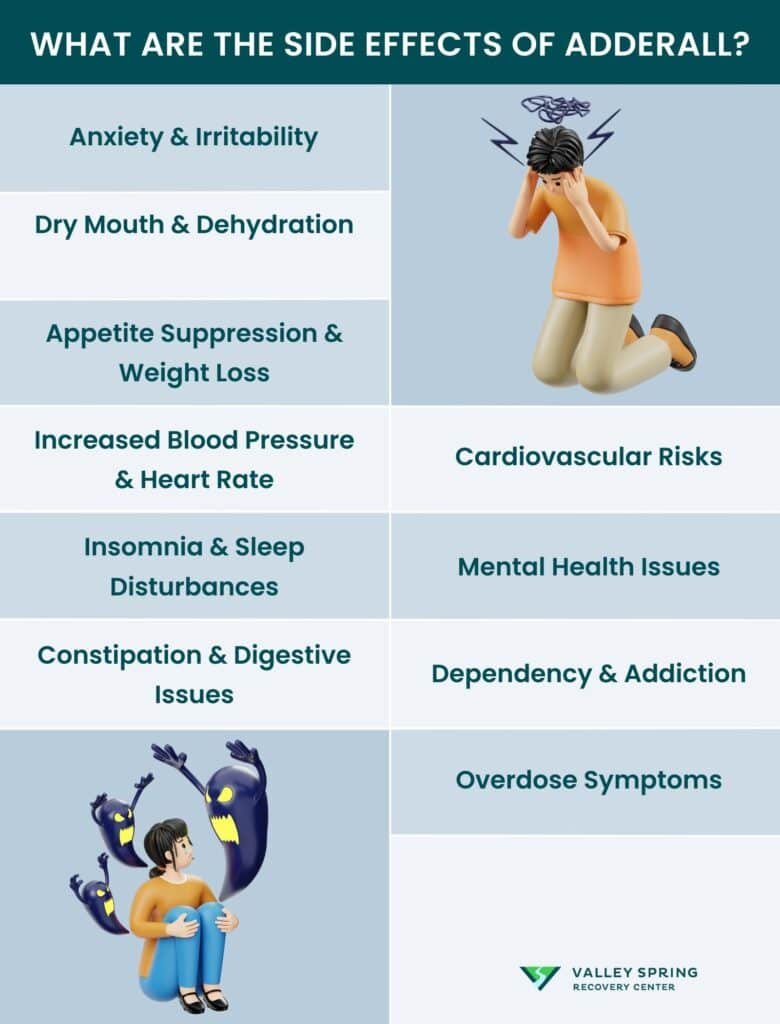
Adderall, a popular prescription medication for Attention Deficit Hyperactivity Disorder (ADHD) and narcolepsy, is known for its stimulating effects that enhance focus, increase alertness, and improve overall cognitive function. However, many users report feelings of tiredness or fatigue after taking the drug, leading to questions regarding its influence on sleep and overall energy levels. An astonishing 6% of adults using Adderall experience fatigue as a side effect, which raises concerns about the medication’s impact on daily life, productivity, and mental and physical health.
The relationship between Adderall and sleep is not straightforward. For many individuals, especially those with ADHD, this medication can have a considerable effect on their ability to wind down, leading to reduced sleep quality and increased feelings of tiredness. It is critical to unpack these effects, especially given the number of individuals relying on Adderall for everyday functionality. In this article, we will explore how Adderall affects sleep patterns, the reasons it may cause tiredness, and what users can do to mitigate these side effects.
Ultimately, understanding the intricate interplay between Adderall, sleep deprivation, and feelings of fatigue can empower users to make informed decisions regarding their treatment and lifestyle. In this article, we will provide an in-depth analysis of whether Adderall affects sleep, the reasons behind any encountered tiredness, and valuable strategies to manage these symptoms effectively.
How Does Adderall Work?
Adderall is a combination of amphetamine salts that act as a stimulant on the central nervous system. These compounds work by increasing levels of neurotransmitters, particularly dopamine and norepinephrine, in the brain. By boosting these chemicals, Adderall can enhance focus, attention, and impulse control — making it effective for managing symptoms of ADHD.
When taken, Adderall can precipitate a state of heightened alertness and energy. Many users report feeling more capable of completing tasks, concentrating, and even elevating their mood. However, this stimulating effect can vary significantly from person to person, depending on various factors such as dosage, individual physiology, and concurrent use of other medications.
One fundamental aspect to understand is that while Adderall enhances attention during waking hours, its stimulating influence can also disrupt the natural sleep cycle. Users may find it increasingly difficult to fall asleep or may experience reduced sleep quality, leading to feelings of tiredness despite the stimulant being designed to enhance alertness.
How Long Does Adderall Stay in Your System?
The duration Adderall remains in the system varies among users but generally, it can be detected in the body for approximately 12 to 24 hours after ingestion. The medication’s lifespan can be influenced by several factors, including metabolic rate, age, health conditions, and dosage. Immediate-release formulations typically exert effects for four to six hours, while extended-release variants can last up to twelve hours.
This extended duration can impact sleep if the medication is taken later in the day. Individuals unaware of the timing’s importance may consume Adderall too close to bedtime, resulting in sleep disturbances or decreased sleep quality.
What to Expect When Taking Adderall?
While taking Adderall, many users report immediate improvements in concentration and cognitive function. However, the experience can differ greatly. Some individuals may feel jittery or anxious due to the stimulant effects, while others might enjoy a euphoric state of heightened attention. These varying sensations play a pivotal role in whether someone will later experience tiredness or fatigue, as rapid changes in energy levels can significantly affect mood and mental health.
It’s worth noting that the initial energizing effects may taper off, leading to what is colloquially known as an “Adderall crash.” This crash can manifest as lethargy, irritability, and an overwhelming sense of fatigue, which can occur several hours after the stimulant’s effects diminish. Understanding these phases of the drug’s impact is key to managing overall energy levels and daily productivity.
Does Adderall Affect Sleep?

The relationship between Adderall and sleep is multifaceted. Many users experience disrupted sleep patterns, which can be a result of both physiological and behavioral factors. Stimulants like Adderall can interfere with the body’s natural circadian rhythms and hinder the ability to relax and prepare for sleep, leading to delayed sleep onset and reduced sleep quality.
Additionally, research indicates that Adderall use may shorten REM sleep cycles, which are critical for cognitive restoration and emotional balance. Disruptions in REM sleep can lead to lingering feelings of tiredness and fatigue during the day even after spending an adequate amount of time in bed.
Moreover, stimulants often prompt a state of hyper-arousal, making it difficult for users to wind down and transition into a restful state. As a result, many individuals find themselves in a cycle of exhaustion after periods of heightened energy levels during the day.
Can Adderall Use Lead to Sleep Deprivation?
Yes, Adderall can lead to sleep deprivation. Users may find it troublesome to adhere to a regular sleep schedule due to the drug’s stimulating effects. Those who take Adderall later in the day might encounter severe challenges in falling asleep, while others may struggle to achieve deep and restorative sleep.
Beyond direct interference with sleep onset, the potential for increased anxiety related to medication use can also contribute to poor sleep quality. Individuals might become preoccupied with their focus or performance while under Adderall, leading to racing thoughts that can impact the ability to fall asleep peacefully.
Why Is Sleep Important for Overall Health?
Sleep plays a crucial role in overall health and well-being. It is during sleep that the body undergoes vital processes such as muscle repair, immune function strengthening, and memory consolidation. Inadequate sleep has been linked to numerous health issues, including obesity, heart disease, diabetes, and psychiatric disorders.
Furthermore, studies have shown that chronic sleep deprivation impacts cognitive function, leading to lapses in attention and increased errors—ironically, the very issues Adderall is meant to address. Maintaining a healthy sleep schedule is essential for individuals taking Adderall for ADHD or other conditions to ensure that medication’s benefits are realized without the overlapping negative consequences of sleep deprivation.
Understanding Tiredness on Adderall
While Adderall is primarily classified as a stimulant, a paradoxical response leading to tiredness or fatigue is reported by a subset of users. This fatigue does not necessarily arise from the drug’s stimulant properties but may be linked to several factors, including rebound effects, dosage issues, and individual body chemistry.
Rebound fatigue occurs when the effects of the medication wear off, leading to a sudden drop in energy levels. Users may initially feel alert and focused, only to later experience a crash that manifests as tiredness or lethargy. This type of fatigue can be disheartening, especially for those who rely on Adderall for maintaining productivity in their daily lives.
Additionally, it’s essential to consider the roles of dosage and timing. Taking too high of a dose, especially if it occurs later in the day, can inhibit restful sleep and amplify the effects of rebound fatigue when the medication begins to wane. Consequently, users exploring these factors must work closely with their healthcare professionals to find a balanced approach that minimizes tiredness while maximizing therapeutic benefits.
Why Do Some Users Report Feeling Tired After Taking Adderall?
Some users report feeling tired shortly after taking Adderall due to the interaction between the medication and the body’s neurochemistry. While Adderall enhances certain brain functions through increased neurotransmitter levels, the brain may require substantial energy expenditure to accommodate these changes. Overuse or misuse of Adderall can lead to a depletion of these neurotransmitters, resulting in feelings of fatigue, especially as the medication wears off.
This fatigue may not be universal; some individuals may respond positively to the stimulant effects, while others may find the opposite true. It is also worth noting that factors such as tolerance can lead to diminished effects over time, prompting users to increase their dosage unwisely—leading to further imbalances and an escalated sense of tiredness.
Adderall and Appetite: Related Fatigue
Notably, Adderall can also impact appetite, often leading to decreased food intake. Reduced nutritional intake can contribute to feelings of fatigue due to insufficient energy reserves. The body requires calories and essential nutrients to maintain optimal function; thus, a lack of nourishment can lead to a pronounced sense of tiredness, particularly for individuals on stimulants.
Users should monitor not just how they feel while taking Adderall but also how their diet and overall health may be affected by their medication. Consulting with a healthcare provider can provide insights into appropriate dietary adjustments while on Adderall to ensure energy levels remain steady throughout the day.
Strategies for Managing Tiredness Caused by Adderall
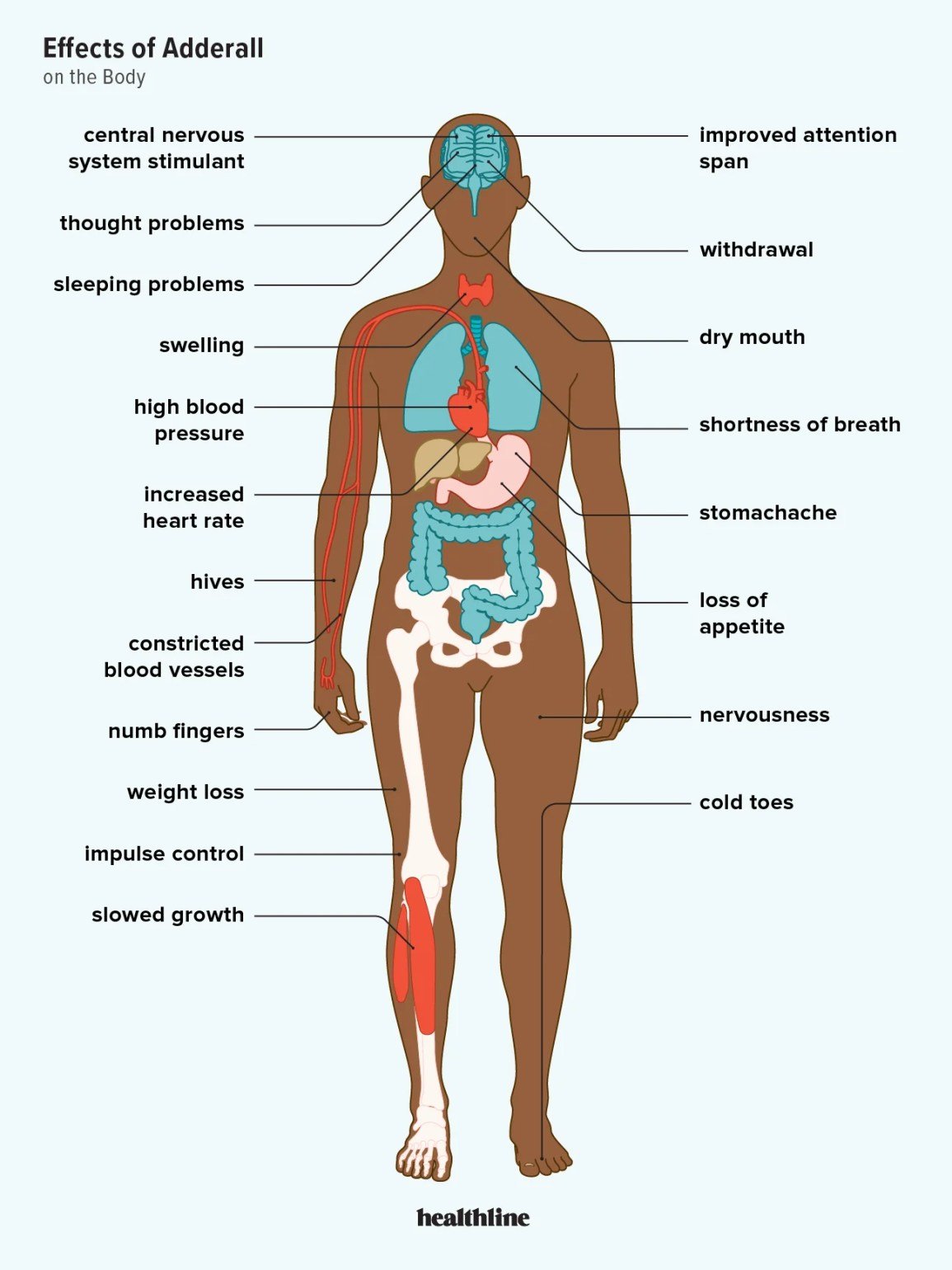
Managing feelings of tiredness while using Adderall involves a combination of medication management techniques and lifestyle adjustments. Here are some strategies that can be employed to alleviate fatigue while still benefitting from the medication’s properties:
Consult a Healthcare Professional
One of the most fundamental steps to managing tiredness is to maintain open communication with a healthcare provider. This professional can provide insights regarding dosage adjustments or alternative medications that may result in fewer side effects or fatigue. It is critical to accurately report any feelings of tiredness experienced with Adderall to ensure that a personalized treatment plan can be developed.
Optimizing Dosage and Timing
Finding the correct dosage and the appropriate timing for taking Adderall can significantly impact its effects on sleep and tiredness. Those experiencing fatigue may be advised to experiment with dosage or change the timing of their doses to align better with daily schedules and sleep routines.
Many healthcare providers recommend taking Adderall early in the day to minimize the potential for sleep disturbances. Additionally, users should never attempt to adjust their medication without professional guidance, as this can exacerbate fatigue or lead to withdrawal symptoms.
Prioritize Sleep Hygiene
Implementing good sleep hygiene practices is vital for those taking Adderall. This includes setting a regular sleep schedule, creating a nighttime routine that promotes relaxation, and ensuring a restful sleeping environment. Simple measures such as reducing screen time before bed and minimizing noise and light exposure can foster deeper sleep and lead to improved energy levels during the day.
Maintain a Balanced Diet
Since Adderall can suppress appetite, maintaining a balanced diet is essential. Users should prioritize nutrient-rich foods that provide sustained energy throughout the day. Consuming balanced meals can counteract feelings of fatigue and provide the body with essential vitamins and minerals necessary for optimal functioning.
FAQ
Can Adderall Make You Tired?
Yes, Adderall can cause tiredness in some users. While it is a stimulant that typically enhances alertness and focus, it can lead to rebound fatigue or tiredness after its effects wear off, particularly if taken late in the day.
What Should I Do If I’m Always Tired on Adderall?
If you consistently feel tired while taking Adderall, it is vital to consult a healthcare provider. They can assess the dosage and timing of your medication to determine if adjustments are necessary. Additionally, lifestyle changes such as improving sleep hygiene and nutrition may help alleviate fatigue.
Does Adderall Affect Sleep Quality?
Yes, Adderall can impact sleep quality by disrupting sleep cycles and hindering the ability to fall asleep. Its stimulating effects can make it difficult for users to wind down and achieve restorative sleep, ultimately leading to increased fatigue during the day.
Why Do Stimulants Make Me Sleepy?
Stimulants, including Adderall, can lead to feelings of sleepiness in certain individuals due to their effect on neurotransmitters and energy levels. In some cases, over-stimulation may lead to mental exhaustion, which can heighten fatigue as the stimulant effects subside.
How Can I Mitigate Tiredness from Adderall?
To mitigate tiredness caused by Adderall, users should consider consulting a healthcare provider for dosage adjustments, optimizing the timing of doses, prioritizing sleep hygiene, and maintaining a balanced diet. These strategies can help develop a personalized plan to manage fatigue while still benefiting from the medication.
If Adderall Makes Me Sleepy, Does That Mean I Have ADHD?
Feeling sleepy after taking Adderall does not automatically indicate that you have ADHD. Various factors, including dosage, personal tolerance levels, and metabolic responses to the medication, can contribute to this sensation. It is essential to consult with a healthcare professional for accurate diagnosis and treatment options.
Conclusion
The intricate relationship between Adderall, sleep, and tiredness presents a unique challenge for many users. While the medication is designed to enhance focus and cognitive function, its potential to induce tiredness or affect sleep quality cannot be overlooked. Understanding how Adderall works, its effects on sleep cycles, and the intangible nuances tied to its use empowers individuals to tailor their treatment plans effectively.
Prioritizing communication with healthcare providers, establishing robust sleep hygiene practices, and maintaining a balanced diet are pivotal steps in managing the fatigue tethered to Adderall use. It’s crucial for users to remain attuned to their bodies and share any concerns or side effects experienced with stimulant medication.
Overall, users of Adderall must remain vigilant and proactive about their treatment, ensuring that they derive the maximum benefits from the medication while minimizing the possibility of fatigue and disrupted sleep. Understanding the complexity of these interactions offers insights into improving overall health outcomes and enhancing daily life efficiency.
