🏠 Stay at home! 25% discount on all medicines


Does Adderall Affect Heart Rate or Blood Pressure? Understanding the Impact of This Common Medication

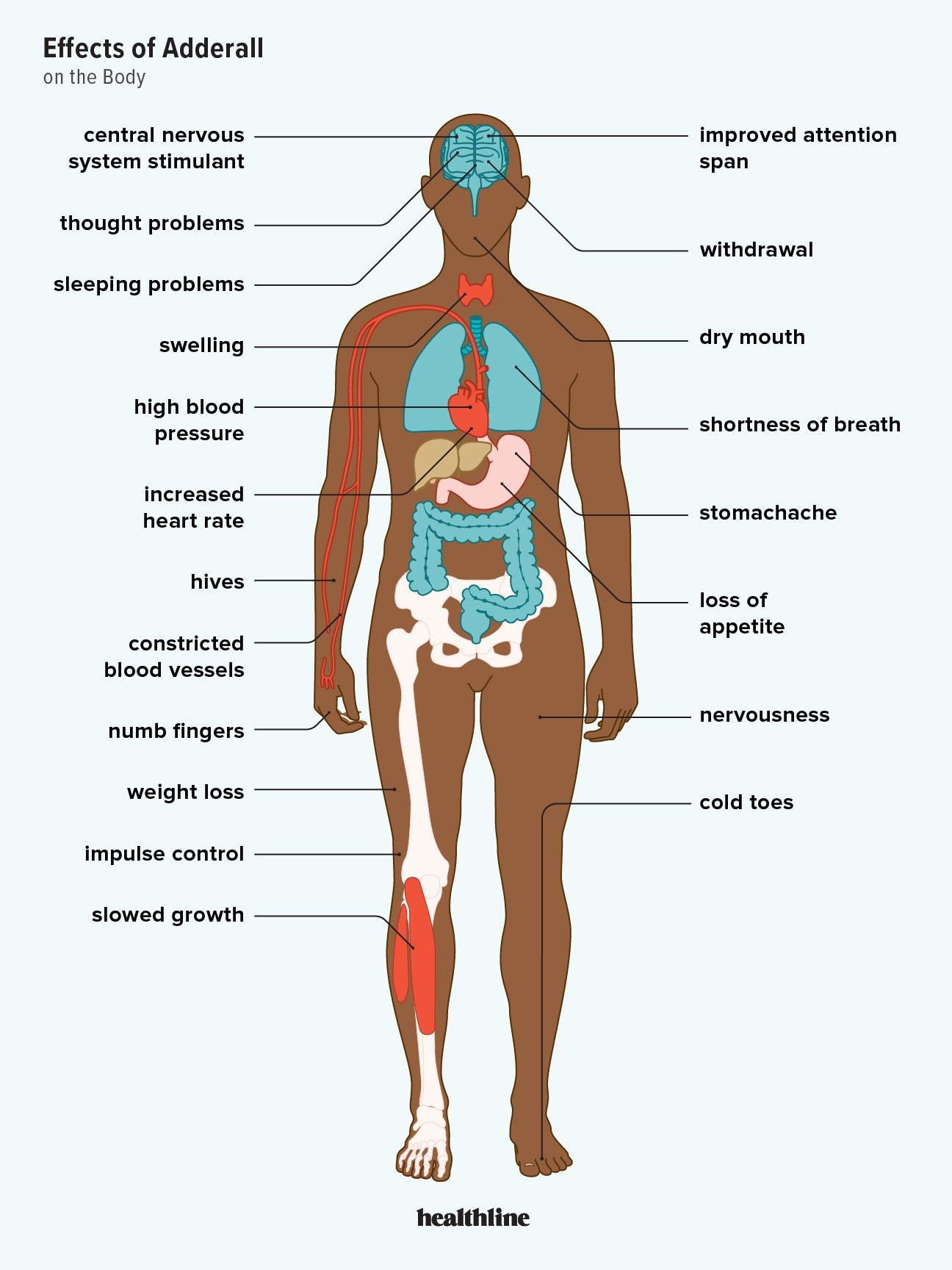
In recent years, attention deficit hyperactivity disorder (ADHD) has gained increasing recognition, leading to greater prescriptions of medications like Adderall. Adderall, which contains a combination of amphetamine salts, is designed to improve concentration and control impulsivity in those diagnosed with ADHD. Yet, an often overlooked aspect of this medication is its impact on cardiovascular health. A growing body of research indicates that Adderall may significantly affect heart rate and blood pressure, creating challenges for both prescribers and patients alike.
A bold claim emerging from medical research is that even a single dose of Adderall can lead to marked increases in both blood pressure and heart rate. A study revealed that a 25 mg dose of Adderall triggered substantial elevations in heart rate and blood pressure among individuals without prior exposure to amphetamines. With such findings, the question arises: How significant are these effects, and what implications do they hold for those who regularly use Adderall?
This article aims to analyze the implications of Adderall on heart rate and blood pressure for current and potential users. By gathering data from top medical publications, we will explore both anecdotal and clinical observations while offering a comprehensive understanding of managing these side effects. Readers will gain insights necessary to navigate their treatment with confidence.
Understanding Adderall and Its Mechanism of Action
Adderall is a combination medication that contains four amphetamine salts: amphetamine and dextroamphetamine. These compounds work primarily by increasing the neuronal release of neurotransmitters like dopamine and norepinephrine in the brain. This mechanism leads to improved focus, increased attention, and decreased impulsivity in individuals diagnosed with ADHD. However, while Adderall’s efficacy in managing ADHD symptoms is well-documented, its effects on the cardiovascular system merit serious consideration.
The stimulant properties of Adderall can lead to increased sympathetic nervous system activity. This stimulation not only enhances the focus of the user but also affects various physiological responses within the body, including increasing heart rate and blood pressure. When these effects manifest, they initiate a response from the cardiovascular system that can heighten the risk of complications in susceptible individuals.
Taking into account that the stimulant action of Adderall varies amongst individuals, varying degrees of cardiovascular response can be observed. Some users may experience mild increases in heart rate or blood pressure, while others, particularly those with preexisting conditions, could face significantly greater risks. Monitoring these responses is paramount, especially for individuals who are already vulnerable due to cardiovascular conditions.
How Much Does Adderall Increase Heart Rate? Examining Research Studies
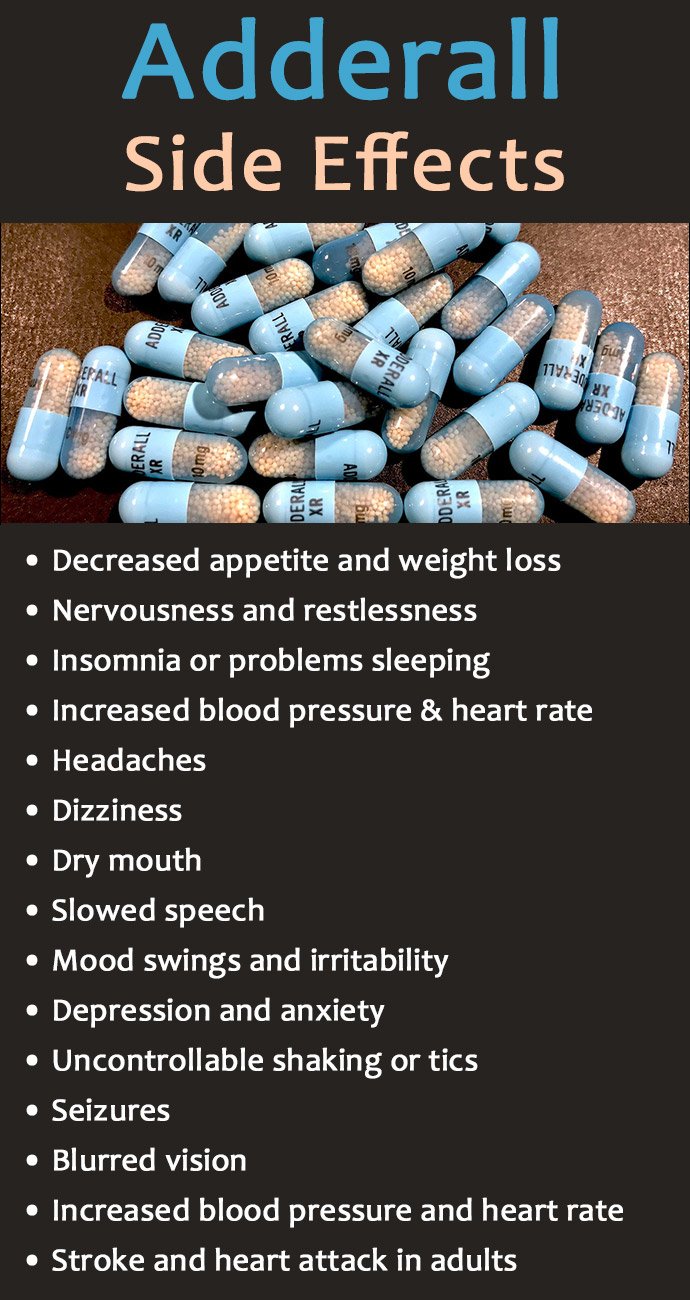
In clinical practice, it is vital to understand how much Adderall can elevate an individual’s heart rate. Research has shown that Adderall does indeed affect heart rate, often leading to tachycardia—defined as a heart rate exceeding 100 beats per minute. In one study, participants who took a 25 mg dose of Adderall showed noticeable increases in heart rate, with some individuals reaching levels surpassing 120 beats per minute.
The increase in heart rate post-consumption of Adderall can vary greatly based on several factors, including dosage, individual physiology, and prior exposure to amphetamines. Studies indicate that even in carefully monitored therapeutic doses, users can experience heart rate elevations that are concerning, especially for those with underlying heart conditions or hypertension.
Moreover, in instances of recreational use—where individuals take higher doses without medical oversight—heart rate spikes are even more pronounced. One aspect to note is that these spikes do not merely occur during the active period of the drug’s effects but can linger even after its effects have subsided. This residual impact suggests that individuals should exercise caution and remain vigilant about tracking their heart rate during and after use.
Does Adderall Raise Blood Pressure? Understanding the Risks
Much like heart rate, blood pressure is another parameter that can be adversely affected by Adderall. Multiple studies confirm that Adderall use correlates with increased blood pressure, with the most commonly reported elevation occurring in the systolic pressure, which is the top number in a blood pressure reading. For individuals without prior cardiovascular issues, an increase in blood pressure can lead to potential complications, particularly with long-term use.
A compelling study published in the Journal of Clinical Psychiatry found that a single dose of Adderall resulted in a measurable increase in blood pressure, even among participants who had no previous experience with amphetamines. The data indicated an average systolic blood pressure increase of 5-10 mmHg. While this may seem minimal, it is essential to consider that repeated dosing and cumulative effects can lead to significant health concerns.
For those with preexisting high blood pressure or other cardiovascular conditions, the risks increase substantially. Adderall can exacerbate these conditions, leading to complications like hypertension or heart rhythm abnormalities. Consequently, before initiating treatment with Adderall, it is critical for healthcare providers to assess baseline blood pressure and heart rate to ensure safe administration and ongoing monitoring during the treatment course.
Is There a Long-Term Impact on Heart Rate and Blood Pressure? Exploring Ongoing Risks
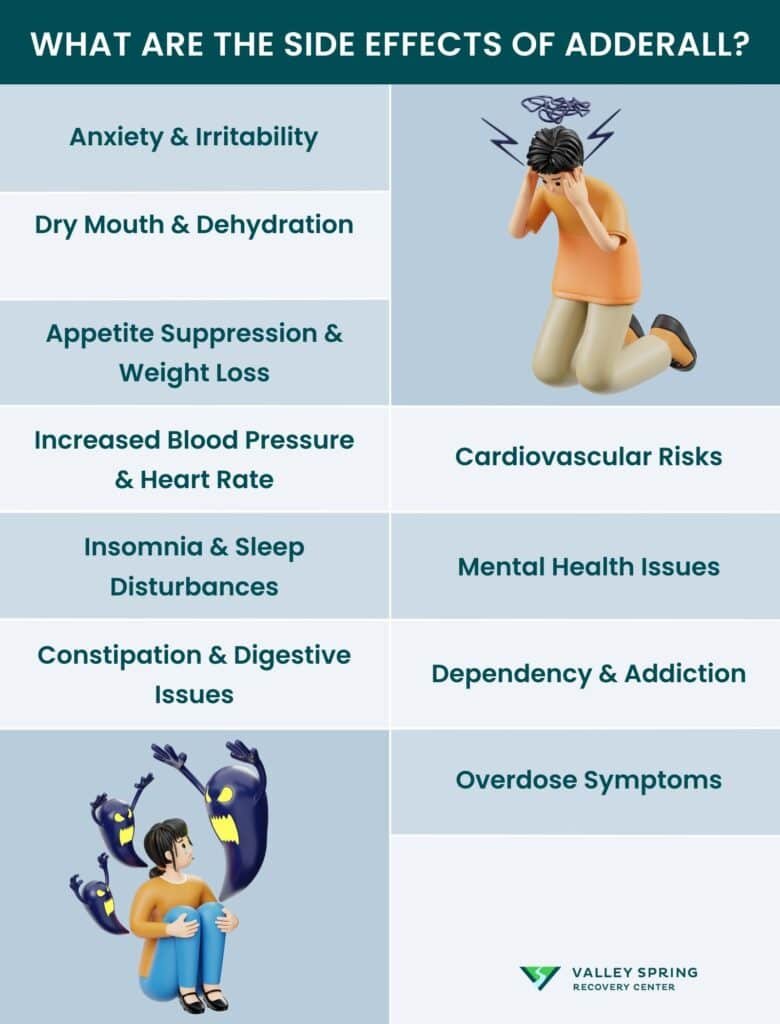
The potential long-term effects of Adderall on heart rate and blood pressure can raise alarms for both clinicians and patients. Studies have suggested that while acute doses can lead to temporary elevations in blood pressure and heart rate, the repercussions of chronic use present a more significant concern. Regular use of Adderall may lead to sustained increases, particularly in patients who have been prescribed high doses.
One contributing factor to this effect is the development of tolerance. As individuals continue to use Adderall over time, the body can adapt to its presence, leading to less pronounced increases in heart rate and blood pressure. However, this tolerance can also contribute to the escalation of dosages taken, which can further increase risks.
In addition, chronic stimulant use has been linked to alterations in cardiovascular physiology. For instance, research indicates that long-term amphetamine exposure may lead to vascular remodeling, contributing to hypertension and potentially increasing the risk of heart disease. Although more research is needed to fully understand these mechanisms, the existing evidence is compelling enough to warrant caution among users and prescribers alike.
Monitoring Heart Rate and Blood Pressure: Best Practices for Patients
Given the documented effects of Adderall on heart rate and blood pressure, monitoring is crucial for any user. Patients are encouraged to regularly check both their heart rate and blood pressure, particularly after initiating treatment or adjusting dosages. This proactive approach allows individuals to identify any concerning changes and address them with their healthcare provider.
For those using Adderall for the first time, establishing a baseline measurement of heart rate and blood pressure can provide significant insights into how the medication affects their cardiovascular health. A typical heart rate at rest should fall within 60-100 beats per minute, with blood pressure ideally being around 120/80 mmHg. Any significant deviation from these values after starting Adderall should prompt a discussion with a healthcare provider.
Practice self-monitoring strategies such as:
- Regularly checking blood pressure at home using an automatic cuff.
- Keeping a daily log of heart rate and blood pressure readings.
- Utilizing smartphone applications designed for tracking these metrics.
- Consulting with a physician if any negative symptoms, such as dizziness, palpitations, or headaches, occur.
Special Populations: Who Should Avoid Adderall?
While Adderall is effective for many individuals diagnosed with ADHD, certain populations may face heightened risks associated with its use. Those with preexisting cardiovascular conditions such as hypertension, arrhythmias, or history of heart attack should consult closely with their healthcare providers. The stimulant nature of Adderall could exacerbate existing heart issues, potentially leading to dangerous complications.
Moreover, populations such as children and adolescents require special attention. The American Academy of Pediatrics emphasizes that these age groups may respond differently to stimulants. Greater monitoring may be necessary to accurately assess their cardiovascular responses, given their still-developing bodies and potentially different pharmacological interactions.
Additionally, pregnant women are also advised to approach the use of Adderall with caution. Although data on the long-term effects of Adderall during pregnancy remain somewhat limited, potential risks associated with stimulant use during gestation warrant careful consideration. Pregnant individuals should work closely with their healthcare team to evaluate the risks versus benefits of continued Adderall therapy.
How to Lower Blood Pressure While on Adderall
For patients who are concerned about rising blood pressure while using Adderall, there are several strategies to consider. First, engaging in lifestyle modifications such as diet and exercise can significantly improve cardiovascular health. Incorporating heart-healthy practices is essential for mitigating potential risks. Reducing sodium intake, increasing physical activity, and managing stress levels are crucial components of any holistic approach to maintaining cardiovascular stability.
Medical management may also be complementary to lifestyle changes. If blood pressure elevations become concerning, healthcare providers may consider adjusting the Adderall dosage or evaluating alternative treatment options for ADHD. Some individuals may benefit from a non-stimulant approach, such as atomoxetine, which has minimal cardiovascular effects.
Moreover, healthcare professionals might also recommend the integration of medication that targets hypertension, ensuring patient safety. This decision should always be conducted under a physician’s guidance and teamwork to achieve an optimal balance of ADHD management while preserving cardiovascular health.
Frequently Asked Questions about Adderall and Cardiovascular Health
1. Does Adderall raise blood pressure permanently?
The impact of Adderall on blood pressure can vary by individual. While acute doses can elevate blood pressure temporarily, long-term use might lead to persistent increases in some users, especially in those with preexisting hypertension. Regular monitoring and working with a healthcare provider can help manage this risk.
2. What heart rate is considered too high while on Adderall?
A resting heart rate exceeding 100 beats per minute is classified as tachycardia. While some increases in heart rate may be expected with Adderall use, consistently elevated resting rates necessitate medical evaluation to ensure there are no underlying health concerns contributing to this increase.
3. Is it safe to take Adderall if I have high blood pressure?
Individuals with high blood pressure should approach Adderall use cautiously and only under strict medical supervision. A comprehensive evaluation of cardiovascular health is essential before initiating treatment. Continuous monitoring and collaboration with a healthcare provider can help mitigate risks.
4. How can I effectively monitor my heart rate on Adderall?
Patients can monitor heart rate effectively using automated blood pressure cuffs equipped with heart rate mechanisms, smartphone applications, or wearable fitness devices. Regular self-checks offer vital data for detecting significant changes that could warrant clinical consultation.
5. Can lifestyle changes help with Adderall-induced blood pressure spikes?
Yes, lifestyle changes such as adopting a heart-healthy diet, exercising regularly, managing stress, and avoiding excessive caffeine or alcohol can significantly help manage blood pressure. These strategies can complement pharmacological management and result in improved overall cardiovascular health.
6. Are there alternative treatments to Adderall with fewer cardiovascular risks?
For those who experience adverse cardiovascular effects with Adderall, alternative non-stimulant medications, such as atomoxetine, may provide options that pose fewer risks. An open discussion with a healthcare provider can yield tailored treatment recommendations that prioritize individual needs.
Conclusion: Navigating the Use of Adderall with Heart Health in Mind
Adderall can play an essential role for many individuals seeking relief from ADHD symptoms, yet monitoring its effects on heart rate and blood pressure remains paramount. Understanding the short-term and potentially long-term cardiovascular impacts of this medication can empower users to take charge of their health. While it is a valuable therapeutic agent, the need for caution cannot be overstated.
By engaging in regular monitoring of heart health, being aware of the potential risks, and employing lifestyle management strategies, individuals on Adderall can pursue effective treatment while preserving their cardiovascular well-being. For anyone considering or currently using Adderall, proactive communication with healthcare providers is essential in establishing a clear plan that safeguards heart health.
The journey of managing ADHD with medications like Adderall need not compromise cardiovascular safety. Individuals equipped with knowledge and the right tools are better positioned to navigate their treatment paths effectively.
