🏠 Stay at home! 25% discount on all medicines


Dexedrine vs Vyvanse: A Comprehensive Guide to ADHD Medications

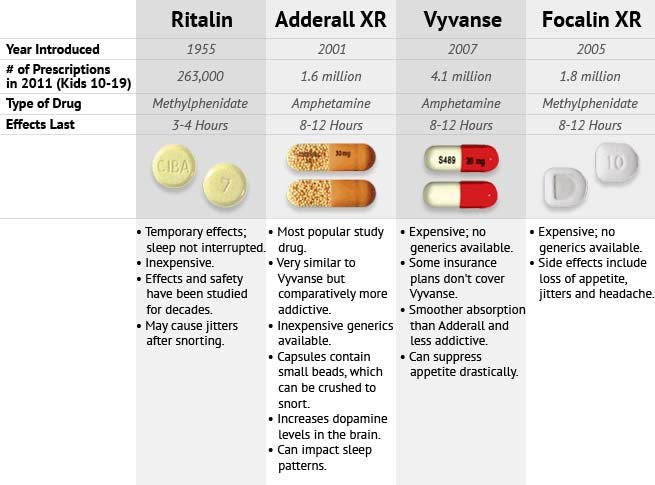
Attention Deficit Hyperactivity Disorder (ADHD) affects millions of children and adults worldwide. Managing ADHD often involves a combination of behavioral therapy and medication, with stimulants being the most commonly prescribed treatment. Among these stimulants, Dexedrine and Vyvanse are two popular options. While both medications aim to alleviate symptoms of ADHD, they differ greatly in their formulation, onset of action, duration, and potentially, their efficacy and side effects. Understanding these differences can significantly influence treatment decisions and overall quality of life for individuals living with ADHD.
As research continues to evolve, it’s essential for patients and healthcare providers to draw comparisons between medications to find the most suitable option for their treatment plan. For example, Dexedrine, also known as dextroamphetamine, has been used for decades and is a well-established option for ADHD treatment. On the other hand, Vyvanse, or lisdexamfetamine, is a newer medication that has gained popularity due to its extended-release formulation, which can be more convenient for some patients.
This article will delve into the key differences and similarities between Dexedrine and Vyvanse, exploring their mechanisms of action, prescribed uses, side effects, and patients’ experiences switching between the two. By thoroughly examining these medications, individuals considering ADHD treatment can make a well-informed decision when collaborating with their healthcare providers.
Understanding Dexedrine: Composition and Mechanism of Action
Dexedrine is the brand name for dextroamphetamine, a central nervous system stimulant that is primarily used to treat ADHD and narcolepsy. Dextroamphetamine works by increasing the levels of neurotransmitters—dopamine and norepinephrine—in the brain. This stimulation enhances attention span and reduces impulsivity and hyperactivity, which are commonly experienced by individuals with ADHD.
The immediate-release formulation of Dexedrine typically begins to take effect within 30 minutes to an hour after ingestion, making it a quick-acting option for those needing rapid symptom relief. However, its effects usually last around 4 to 6 hours, requiring multiple doses throughout the day unless an extended-release version, Dexedrine XR, is prescribed.
Patients may find the rapid onset of Dexedrine beneficial, particularly in environments requiring immediate focus, such as during school or work. However, determining the correct dose is crucial, as both under-treatment and over-treatment can lead to undesirable side effects, including insomnia, reduced appetite, and anxiety.
Vyvanse: A Longer-Lasting Alternative
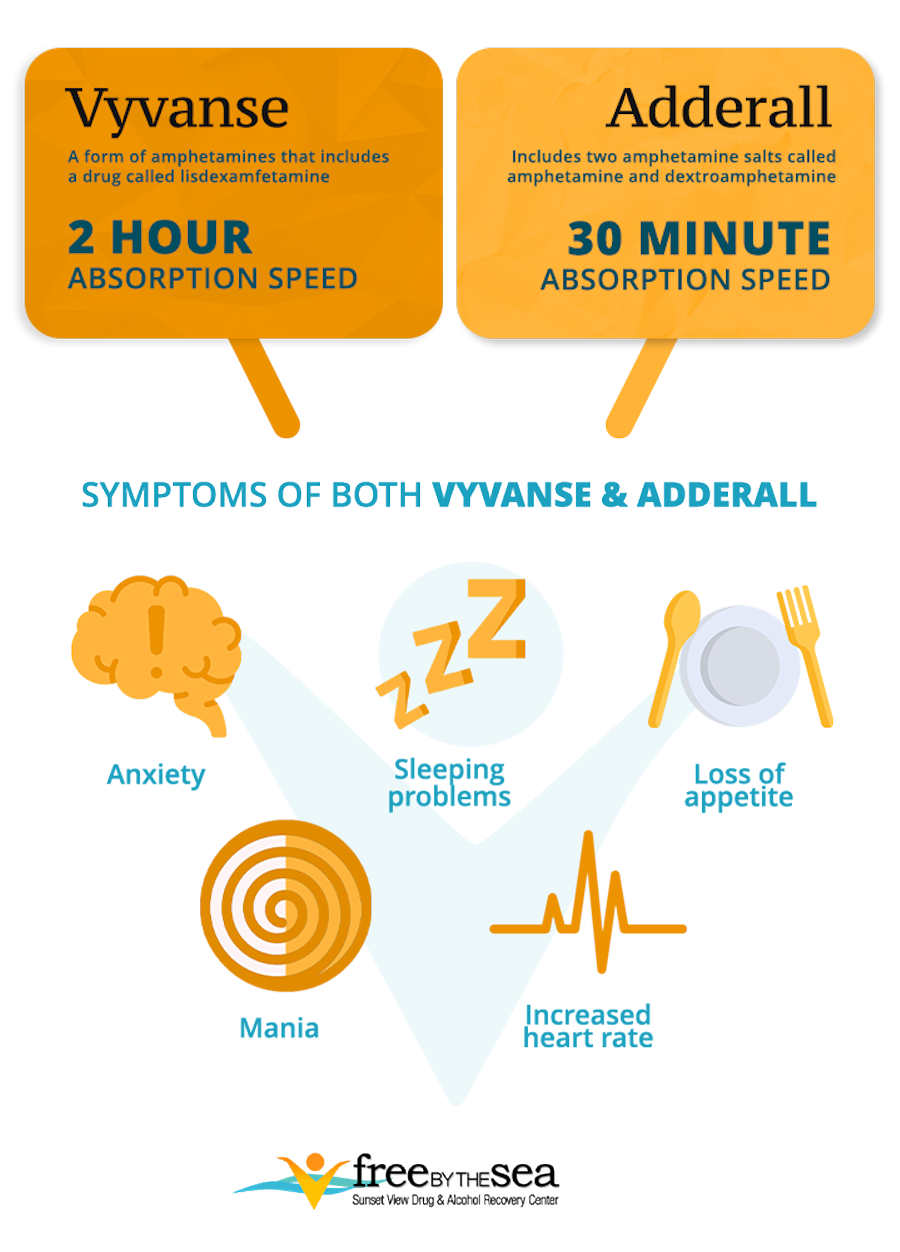
Vyvanse, or lisdexamfetamine, was approved by the FDA for ADHD treatment and binge eating disorder. What sets Vyvanse apart from Dexedrine is its unique formulation; it is a prodrug, meaning it is metabolized in the body to produce dextroamphetamine. This mechanism ensures that Vyvanse provides a gradual release of medication, leading to a smoother effect and a reduced potential for abuse.
Patients taking Vyvanse typically experience its onset of action within 2 hours of ingestion, which is longer than the immediate effects of Dexedrine. However, once the medication takes effect, it provides symptom control for up to 14 hours, making it suitable for once-daily dosing. This long duration can be particularly advantageous for individuals with busy lifestyles who require consistent focus throughout the day without the need for multiple doses.
Moreover, Vyvanse’s extended release often translates to fewer peaks and troughs in medication levels compared to Dexedrine, which can decrease the likelihood of experiencing side effects such as mood swings and anxiety. Patients often report that Vyvanse feels more ‘stable’ in its effects compared to the more instantaneous impact of Dexedrine.
Comparative Efficacy for ADHD Treatment
Recent studies have indicated that Vyvanse may be preferred over Dexedrine in some cases due to its longer duration of action and smoother release of dextroamphetamine. A randomized controlled trial published in the Journal of Attention Disorders found that patients taking Vyvanse experienced significantly greater improvement in their ADHD symptoms compared to those on Dexedrine.
While both medications can be effective, individual responses may vary greatly. Some patients report feeling more focused and productive on Dexedrine, while others find Vyvanse meets their needs better. The choice between the two often comes down to personal preference, lifestyle factors, and how their body metabolizes the medication.
Additionally, each medication may be more suitable for different age groups. For instance, Vyvanse is often recommended for older children and adults due to its extended-release formulation, while Dexedrine may still play a valuable role for younger patients needing more frequent dosing.
Side Effects and Considerations
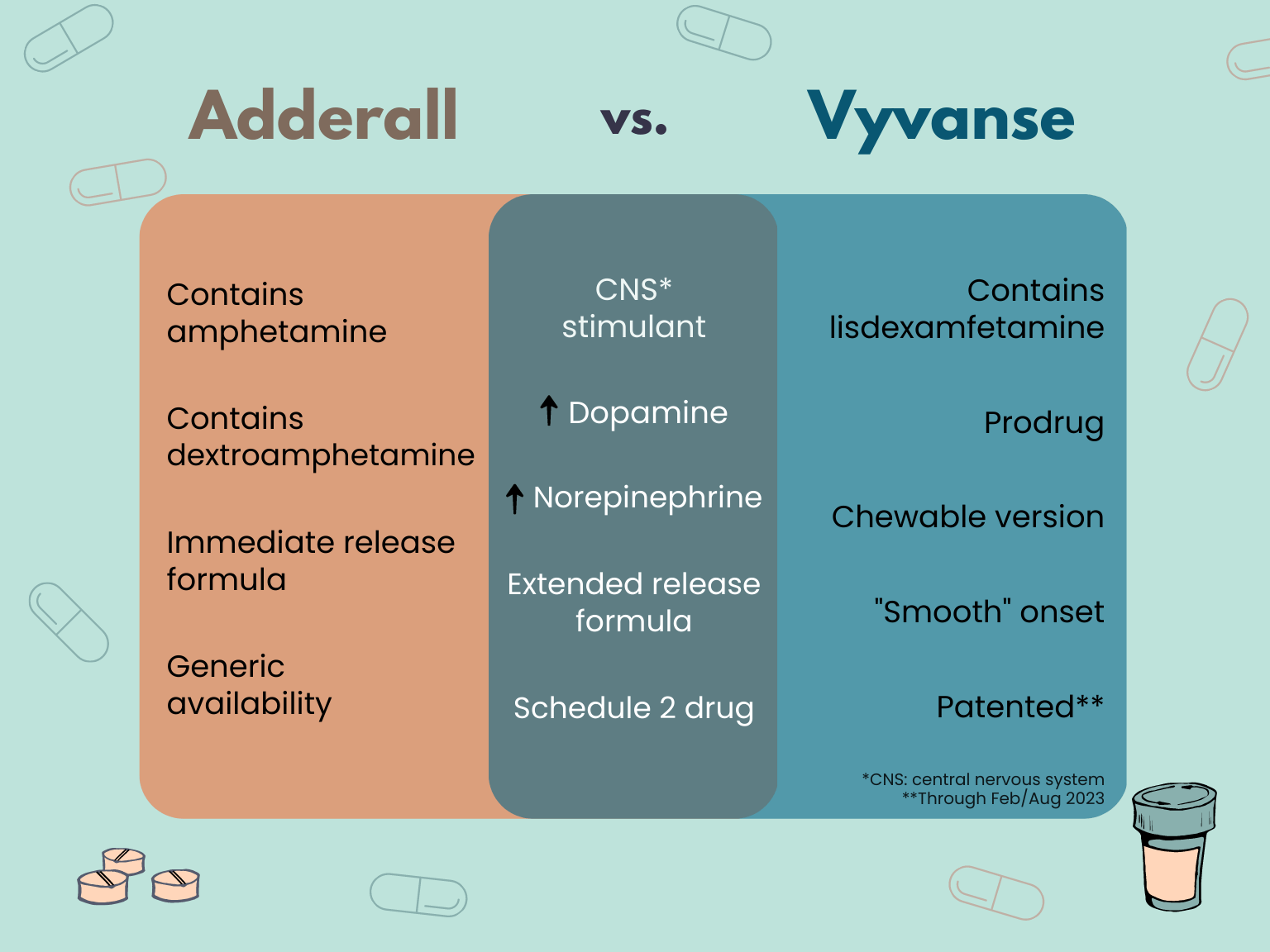
As with any medication, both Dexedrine and Vyvanse come with potential side effects. Common side effects for both medications include insomnia, reduced appetite, dry mouth, and increased heart rate. However, the severity and frequency of these side effects may differ between the two.
Patients switching from Dexedrine to Vyvanse often report fewer side effects, attributing this to Vyvanse’s smoother release and longer action. While Dexedrine can cause a sharp peak in medication levels leading to anxiety or irritability, Vyvanse is designed to minimize these fluctuations.
However, it’s important to understand that the experience can differ significantly among individuals. Some may still encounter bothersome side effects with Vyvanse, while others might find Dexedrine’s effects manageable. Therefore, it is critical for patients to have open conversations with their healthcare providers about their experiences to find the most suitable medication.
Comparing Cost and Accessibility
Cost can also play a significant role in determining the choice between Dexedrine and Vyvanse. Prices may vary based on insurance coverage and pharmacy pricing, and while both medications are generally considered more expensive than non-stimulant options, Vyvanse is often priced higher as a brand-name drug.
Generic options are available for both medications; Dexedrine is sold as dextroamphetamine, and Vyvanse is available under its generic name, lisdexamfetamine. Patients without insurance or those with high deductibles should inquire about pharmacy discounts, patient assistance programs, or generic alternatives to improve affordability.
Patients should also considering their pharmacy’s ability to stock either medication, as availability can impact initiation of treatment. Consulting with both the prescribing physician and the pharmacist can help clarify the costs and potential savings associated with either medication.
Patient Experiences: Switching Between Dexedrine and Vyvanse
Many individuals with ADHD may find themselves switching from one medication to another, whether due to insufficient efficacy, side effects, or even personal preference. Online forums and communities, such as those found on Reddit, highlight the nuanced experiences of patients who have switched from Dexedrine to Vyvanse or vice versa.
One common sentiment shared by patients is the difference in the overall ‘feel’ of each medication. Users reported that Vyvanse felt smoother throughout the day, whereas Dexedrine often led to sharper highs and lows. For some, the switch helped decrease side effects like anxiety or difficulty sleeping, which can be crucial in maintaining focus and productivity.
It’s essential to approach any medication switch under the guidance of a healthcare provider. Adjusting dosage and ensuring that the transition is handled appropriately can minimize withdrawal effects from the previous medication and ensure a proper adjustment to the new one.
Frequently Asked Questions About Dexedrine and Vyvanse
Can I take Dexedrine and Vyvanse together?
It is not advisable to take Dexedrine and Vyvanse together because they contain the same active ingredient, dextroamphetamine, albeit in different formulations. Taking them concurrently could lead to an increased risk of overdose and exacerbation of side effects. Always consult your healthcare provider before making changes to your medication regimen.
Is Vyvanse better than Dexedrine for adults with ADHD?
While some adults may find Vyvanse preferable due to its extended release and smoother effects, determining which medication is ‘better’ largely depends on individual responses and preferences. For some, Dexedrine may provide faster symptom relief, whereas Vyvanse offers longer-lasting coverage. It’s crucial to work with a healthcare provider to determine the best fit for your specific needs.
What should I do if I don’t feel the effects of Dexedrine?
If you’re not experiencing the desired effects of Dexedrine, it may be worth discussing with your healthcare provider. They can evaluate whether your dosage needs adjustment or if a medication switch to something like Vyvanse may be beneficial. Do not adjust your dosage or discontinue use without professional guidance.
How long does it take for Vyvanse to start working?
Vyvanse typically takes 1 to 2 hours to begin showing effects. It is designed for once-daily use, with its effects lasting up to 14 hours, making it ideal for those who need sustained focus throughout the day.
Are there any dietary restrictions while taking these medications?
While there are no strict dietary restrictions when taking Dexedrine or Vyvanse, it’s essential to maintain healthy eating habits, as both medications can suppress appetite. Additionally, high doses of vitamin C or acidic foods might interfere with the effectiveness of the medications, so maintain balanced nutrition.
Can Vyvanse help with conditions other than ADHD?
In addition to ADHD, Vyvanse is approved for treating binge eating disorder. Conversely, Dexedrine is primarily used for ADHD and narcolepsy. If you are considering using these medications for different conditions, consult with your healthcare provider to review potential uses and benefits.
Final Thoughts on Dexedrine vs. Vyvanse
The choice between Dexedrine and Vyvanse is significant for individuals managing ADHD, as selecting the right medication can greatly influence symptom relief and overall quality of life. Both Dexedrine and Vyvanse offer valuable options, but their differences in formulation, duration of action, and side effect profiles lead to varying patient experiences.
Ultimately, it is crucial for individuals to collaborate with healthcare providers to identify the best medication tailored to their specific circumstances. Regular follow-ups and honest communication about side effects and effectiveness can steer the treatment process toward the best possible outcomes.
If you or a loved one is considering medication options for ADHD, discussing Dexedrine and Vyvanse with a healthcare provider can provide clarity in making an informed choice. Together, you can determine a path that leads to enhanced focus, productivity, and a more balanced life.
