🏠 Stay at home! 25% discount on all medicines


Comparative Analysis: Is Dexedrine Stronger Than Adderall?

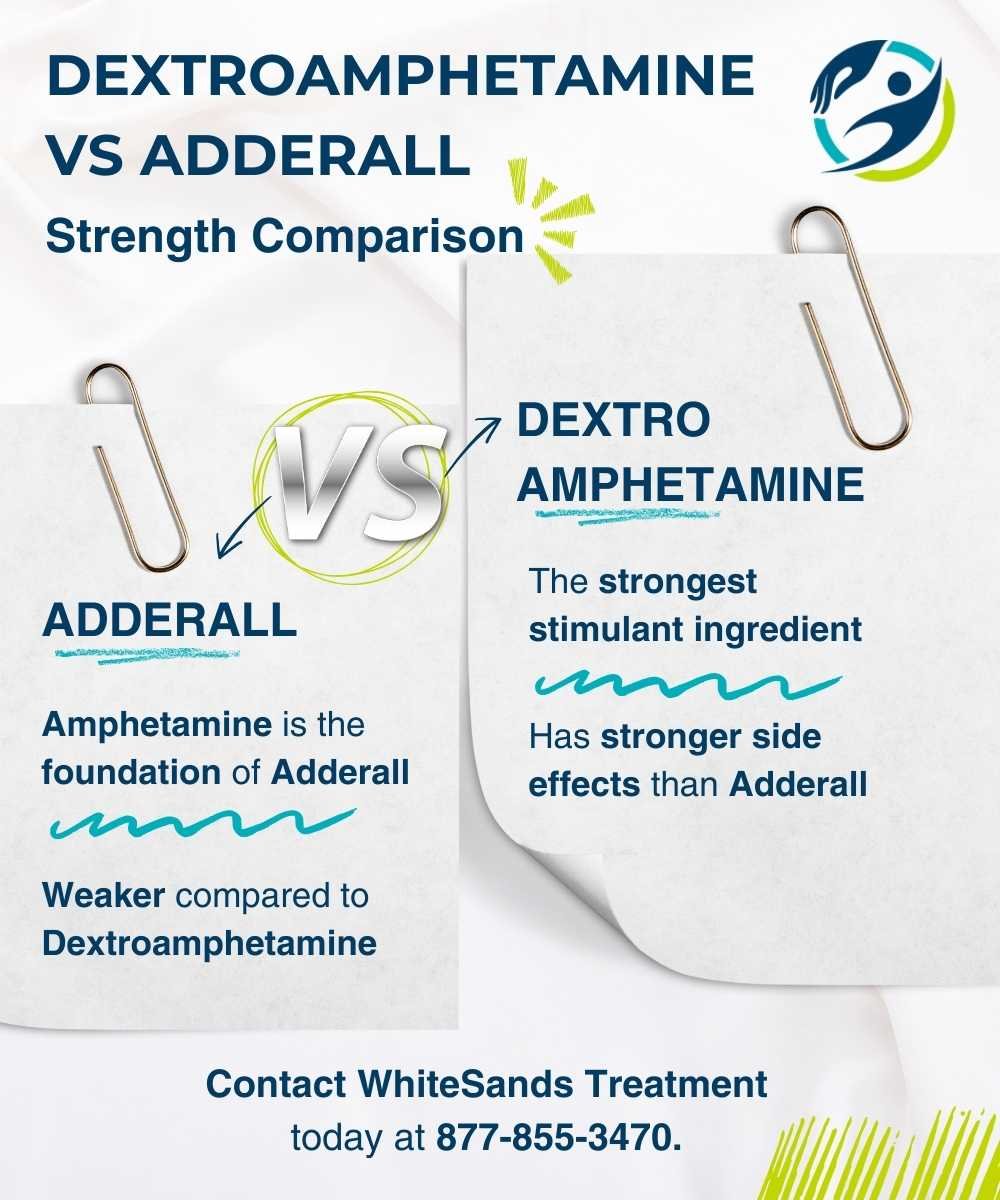
The prevalence of Attention Deficit Hyperactivity Disorder (ADHD) in adults and children has led to the widespread prescription of stimulant medications, particularly Dexedrine and Adderall. A staggering approximately 5% of children and 2.5% of adults are diagnosed with ADHD, making it essential for patients to understand their treatment options. A common question arises: Is Dexedrine stronger than Adderall? This inquiry requires an in-depth understanding of the medications’ components, mechanisms of action, and how they influence patient outcomes.
Dexedrine (dextroamphetamine) and Adderall (a combination of dextroamphetamine and amphetamine) are two stimulant medications frequently prescribed for ADHD. Research indicates that while both medications are effective, their differing compositions can lead to varied potency and side effects. Statistics and patient testimonials reveal nuanced insights into their applications.
The objective of this article is to provide a thorough analysis of Dexedrine and Adderall in terms of potency, indications, side effects, and patient experiences. By the end, readers will have a better grasp of which medication might be more suitable given individual circumstances, particularly focusing on the notion of strength between the two.
Understanding the Basics: What Are Dexedrine and Adderall?
Dexedrine, which contains the active ingredient dextroamphetamine, is a central nervous system stimulant used primarily to treat ADHD and narcolepsy. As a single-enantiomer medication, it consists exclusively of the D-isomer of amphetamine, which is known to produce more potent effects on focus and energy levels compared to its counterpart, the racemic mixture found in Adderall.
Adderall contains both dextroamphetamine and levoamphetamine in a 3:1 ratio, making it a combination stimulant. This formula means that while dextroamphetamine’s efficacy is generally more pronounced, the presence of levoamphetamine introduces a broader array of effects, which might not be suitable for all patients. Understanding these distinctions is pivotal in grasping why someone might inquire about the strength of one over the other.
Both medications work by increasing the levels of neurotransmitters, particularly dopamine and norepinephrine, in the brain. This action enhances focus, attention, and impulse control. However, the potency of the medications varies significantly based on their formulation.
Is Dexedrine Stronger Than Adderall? A Closer Look at Potency
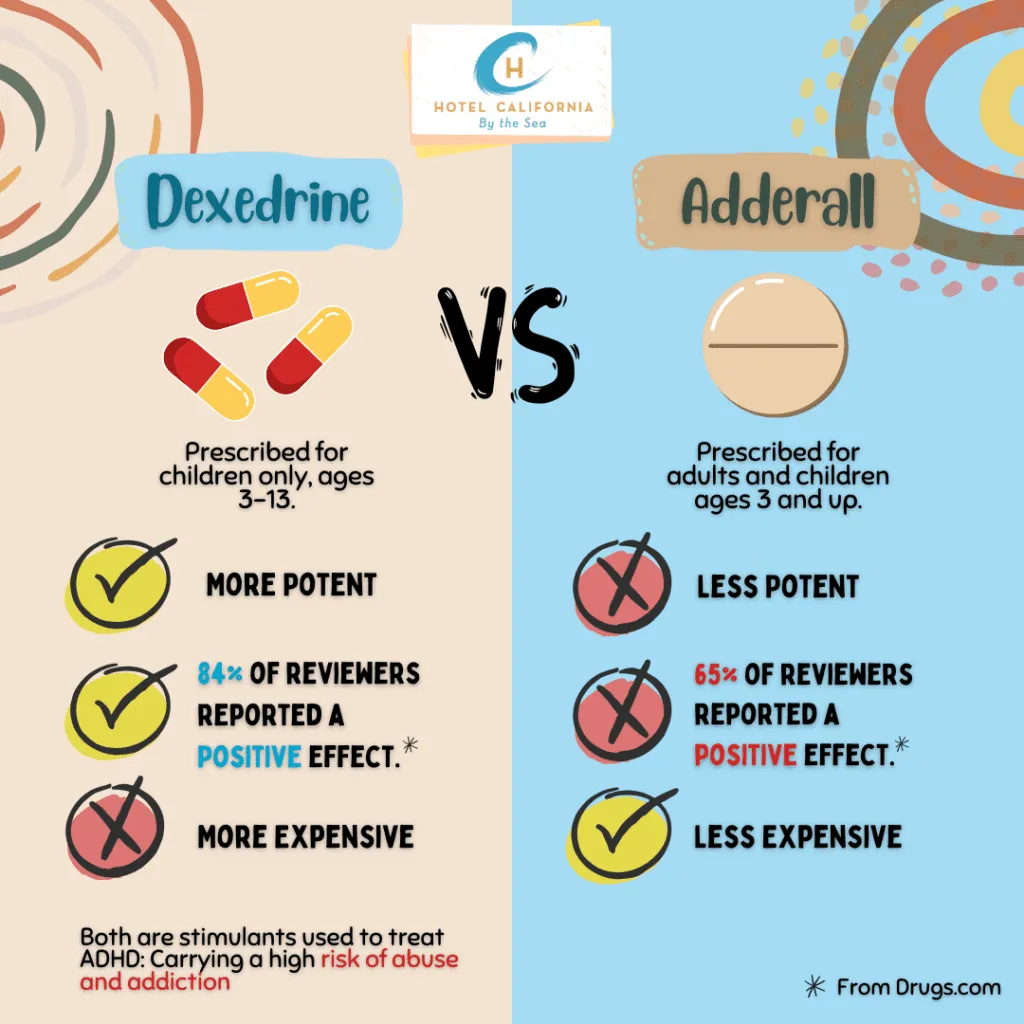
Indeed, Dexedrine has been shown to be stronger than Adderall on a per milligram basis. Many users and clinical studies indicate that Dexedrine’s pure form of dextroamphetamine provides a more immediate and pronounced effect than the combination found in Adderall. As noted, the ratio of dextroamphetamine to levoamphetamine in Adderall dilutes the primary active component, often leading to variability in effectiveness.
This does not imply that Dexedrine is universally the better choice for every individual. Factors such as tolerance, side effects, and specific symptom profiles play a crucial role in deciding the most appropriate medication for someone with ADHD. For instance, while one patient may respond exceptionally well to Dexedrine due to its enhanced potency, another may find that the presence of levoamphetamine in Adderall provides a better balance of effects.
Understanding these nuances can help patients and healthcare providers make more informed decisions regarding treatment options. For those wondering whether they should switch from Adderall to Dexedrine, it is essential to consider their individual needs and the recommendations from their healthcare professionals.
Comparative Efficacy: Dexedrine vs Adderall
While both Dexedrine and Adderall are recognized for their effectiveness in managing ADHD symptoms, varying reports reveal some differences in efficacy based on patient experiences. Numerous studies indicate that some users prefer Dexedrine because they attribute its effects to greater clarity and focus without the common side effects associated with Adderall use.
Conversely, Adderall is often cited for its ability to provide a more gradual onset of effects. This characteristic can be beneficial for patients who may suffer from anxiety or jitteriness frequently associated with stimulants. Consequently, the preference for one medication over the other can stem from individual responses and tolerability rather than an outright assessment of strength.
A recent survey of ADHD patients on Reddit revealed intriguing insights into user preferences. Many respondents noted transitioning from Adderall to Dexedrine for reasons including aggravated side effects, cost considerations, or the desire for a more manageable stimulant experience. Such anecdotal evidence emphasizes that patient perspectives are invaluable when discussing medication efficacy and appropriateness.
Factors Influencing Choice: Reasons to Switch from Adderall to Dexedrine
The decision to switch from Adderall to Dexedrine can be influenced by a range of factors, including tolerability, side effects, price, and overall effectiveness. Some individuals find that they experience increased side effects with Adderall, such as anxiety, insomnia, or decreased appetite, leading them to seek alternatives like Dexedrine.
Additionally, the dosage formulation plays a role in the switch decision. Dexedrine is available in both immediate and extended-release forms, which can suit patients needing consistent symptom control throughout the day. As with all medications, the individualized approach remains paramount.
Furthermore, the cost and insurance coverage of each medication could also determine the choice of medication. Patients may find that their insurance plans cover one medication better than the other, heavily impacting their decision. Dexedrine, while often more cost-effective in terms of efficacy for some patients, still carries potential for higher costs depending on the insurance coverage.
Side Effects: A Comparative Overview
Both Dexedrine and Adderall share a common side effect profile typical of stimulant medications, including insomnia, decreased appetite, dry mouth, and potential cardiovascular impacts. However, individual reports frequently highlight differences in how severely these side effects manifest.
Patients transitioning from Adderall to Dexedrine often report experiencing fewer adverse side effects, particularly concerning anxiety and jitteriness. This observation can likely be attributed to the absence of levoamphetamine in Dexedrine, which some users collectively report as the source of increased anxiety and nervousness.
Additionally, the risk of developing a tolerance or dependency may vary between the medications. While both are classified as controlled substances with potential for abuse, individual patient experiences reveal differing paths to tolerance. For some, the pharmacological build-up associated with daily Adderall usage leads to diminishing returns, suggesting that Dexedrine may offer a more stable route to managing ADHD symptoms without enhanced risks.
Dosing Guidelines: Understanding Differences in Administration
Another essential component to consider when evaluating the comparison between Dexedrine and Adderall is their dosing guidelines. Generally, Dexedrine is prescribed at lower doses compared to Adderall due to its higher potency. Standard dosages for Dexedrine typically range from 5 mg to 40 mg per day, whereas Adderall is available in various formulations, with commonly prescribed dosages ranging from 5 mg to 60 mg per day.
Moreover, switching between medications requires careful consideration of dosing equivalencies. On a milligram-to-milligram basis, Dexedrine is believed to be approximately 1.5-2 times as potent as amphetamine-based medications like Adderall. This estimation makes it critical for healthcare providers to adjust dosages appropriately when transitioning a patient from one medication to another.
Patients should always follow their prescribing clinician’s guidelines and never attempt to self-adjust dosages without professional input. Mismanagement of dosage can result in increased side effects, reduced efficacy, or the potential for misuse.
Comparative Weight Loss: Which Medication Is More Effective?
A common concern for many patients taking stimulant medications revolves around weight management. Both Dexedrine and Adderall can suppress appetite, occasionally leading to weight loss. However, individual responses vary widely depending on metabolism, dosage, and the unique way a person’s body reacts to either medication.
Many users on online forums report experiencing similar levels of appetite suppression; however, some claim that Dexedrine offers a more consistent weight loss experience, with fewer cravings and fewer rebounds following the medication’s effect. In contrast, others find Adderall’s appetite suppression to be more pronounced at higher doses, leading to a more significant reduction in food intake during its peak effects.
Ultimately, while both medications can contribute to weight loss due to appetite suppression, individuals should use caution and regard these medications’ primary purpose: managing ADHD symptoms. Sustainable weight management strategies should be discussed with healthcare providers rather than relying solely on stimulant medications for this outcome.
Frequently Asked Questions (FAQs)
What are the main differences between Dexedrine and Adderall?
While both Dexedrine and Adderall are stimulant medications used predominantly for treating ADHD, they differ in composition. Dexedrine contains only dextroamphetamine, while Adderall features a combination of dextroamphetamine and levoamphetamine. This results in Dexedrine generally being stronger in terms of potency on a per milligram basis. Additionally, the side effects may vary between the two, with some patients reporting that Dexedrine causes fewer anxiety-related symptoms.
Can I switch from Adderall to Dexedrine safely?
Switching from Adderall to Dexedrine can be safe and effective, but it is crucial to consult with a healthcare provider before making any changes to prescriptions. Your doctor will assess your medication history and determine appropriate dosing adjustments to mitigate the risk of withdrawal symptoms or side effects. Self-medication without consulting a professional can lead to complications.
Is Dexedrine more effective for ADHD than Adderall?
The effectiveness of Dexedrine versus Adderall can vary by patient. Some individuals may respond better to Dexedrine due to its potency, while others might benefit more from the more balanced effects of Adderall. Both medications interact differently with neurotransmitter systems, so effectiveness is largely individual-dependent.
How do the side effects compare between Dexedrine and Adderall?
Both Dexedrine and Adderall can produce similar side effects such as insomnia, loss of appetite, and increased heart rate. However, patients often report that Dexedrine leads to fewer anxiety symptoms and jitters, which may be due to the absence of the levoamphetamine component found in Adderall. Individuals’ experiences can differ, so discussing potential side effects with a doctor is vital.
Is it possible to gain weight while on stimulant medications?
Weight gain is generally less common while taking stimulant medications like Dexedrine and Adderall due to their appetite-suppressing effects. However, some individuals may experience a rebound in appetite or weight following discontinuation of these medications. Lifestyle adjustments and counseling can help manage weight while on stimulant prescriptions.
What should I know about dosage when switching medications?
When switching from Adderall to Dexedrine, it’s essential to know that Dexedrine is approximately 1.5-2 times more potent than Adderall. This necessitates careful monitoring and possible adjustments to the dosage during the transition to avoid adverse effects or inadequate symptom control. Always work closely with a healthcare provider for dosage decisions.
Conclusion: Making Informed Choices
The discussion surrounding whether Dexedrine is stronger than Adderall highlights the complexities of ADHD medication management. Ultimately, patient responses to both medications can differ significantly based on various factors, including individual biology, dosages, and personal experiences with side effects. As the medical community continues to understand ADHD and its treatment thoroughly, the importance of patient-centered approaches remains paramount.
Across the board, Dexedrine does appear to hold a stronger position on a milligram basis compared to Adderall. However, this strength does not automatically categorize it as the better treatment option for every individual. The nuances of each patient’s experience should guide their decisions, ensuring a mixed approach based on needs and healthcare professional recommendations.
Before making any decisions regarding ADHD medications, ongoing discussions with healthcare providers remain crucial. The landscape of ADHD treatment is complex, but informed choices can pave the way toward finding the right pharmacological approach for optimal health outcomes.
