🏠 Stay at home! 25% discount on all medicines


Dexedrine vs Adderall: A Comprehensive Comparison of ADHD Medications

Attention-Deficit/Hyperactivity Disorder (ADHD) and narcolepsy are two conditions that can significantly impact daily life, making effective medication management crucial. Among the most commonly prescribed medications for these disorders are Dexedrine and Adderall. Both are stimulants that utilize amphetamines to enhance focus and alleviate symptoms of inattention and hyperactivity. However, understanding the nuances of these medications is essential for patients and providers alike. According to recent research, approximately 8.4% of children and 2.5% of adults are diagnosed with ADHD in the United States. This rising prevalence underscores the importance of distinguishing between treatment options.
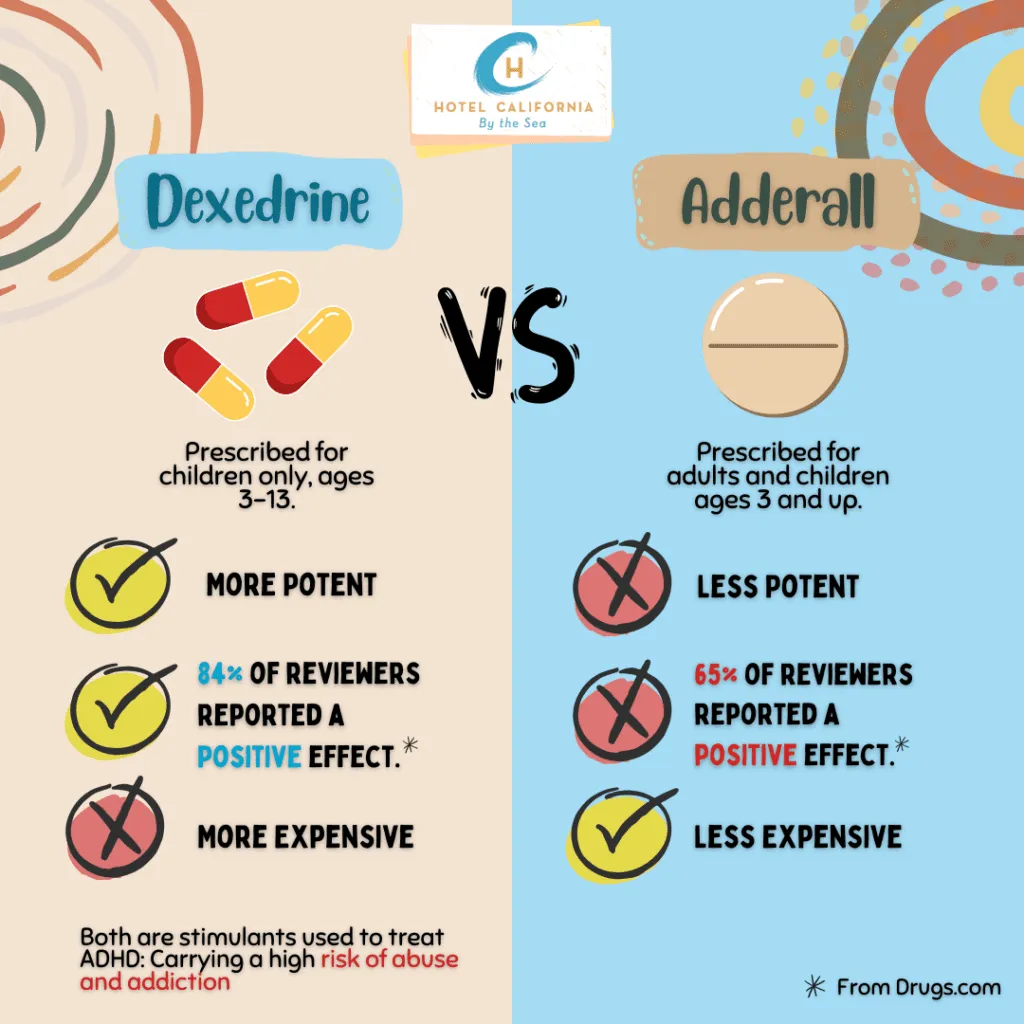
Dexedrine and Adderall are frequently compared due to their similar therapeutic effects, but they possess fundamental differences that can affect a patient’s experience. For instance, Dexedrine, which primarily contains dextroamphetamine, often has more potency per milligram compared to Adderall, which consists of a combination of amphetamine salts. This difference can lead to varying dosages, effectiveness, and side effects between the two medications. As awareness about ADHD and narcolepsy increases, so does the need for an in-depth understanding of these medications.
This article delves into the primary comparisons between Dexedrine and Adderall, exploring their active ingredients, usages, side effects, and making sense of the ongoing debates surrounding their efficacy and safety. By the end, you’ll gain a clearer picture of which medication may be best suited for your individual needs.
What Are the Main Differences Between Dexedrine and Adderall?
When comparing Dexedrine and Adderall, the primary difference lies in their composition. Dexedrine contains solely dextroamphetamine, while Adderall comprises a mix of four different amphetamine salts, specifically dextroamphetamine and levoamphetamine, in a 3:1 ratio. This means that Dexedrine is chemically more concentrated, potentially making it stronger medication on a per-milligram basis.
Both medications target similar neurotransmitters in the brain, primarily dopamine and norepinephrine, to improve attention and decrease impulsivity. However, the proportion of these active components can lead to varied effects. Some users report feeling more controlled and focused on Dexedrine, while others may prefer the more balanced effects of Adderall’s mixed salts.
Additionally, the pharmacokinetics—how the medication is absorbed, metabolized, and eliminated—vary between these two drugs. Dexedrine reaches peak plasma concentrations more rapidly than Adderall, which may cause quicker onset effects. This distinction may be particularly relevant for individuals requiring immediate symptom relief.
Is Dexedrine Stronger Than Adderall?
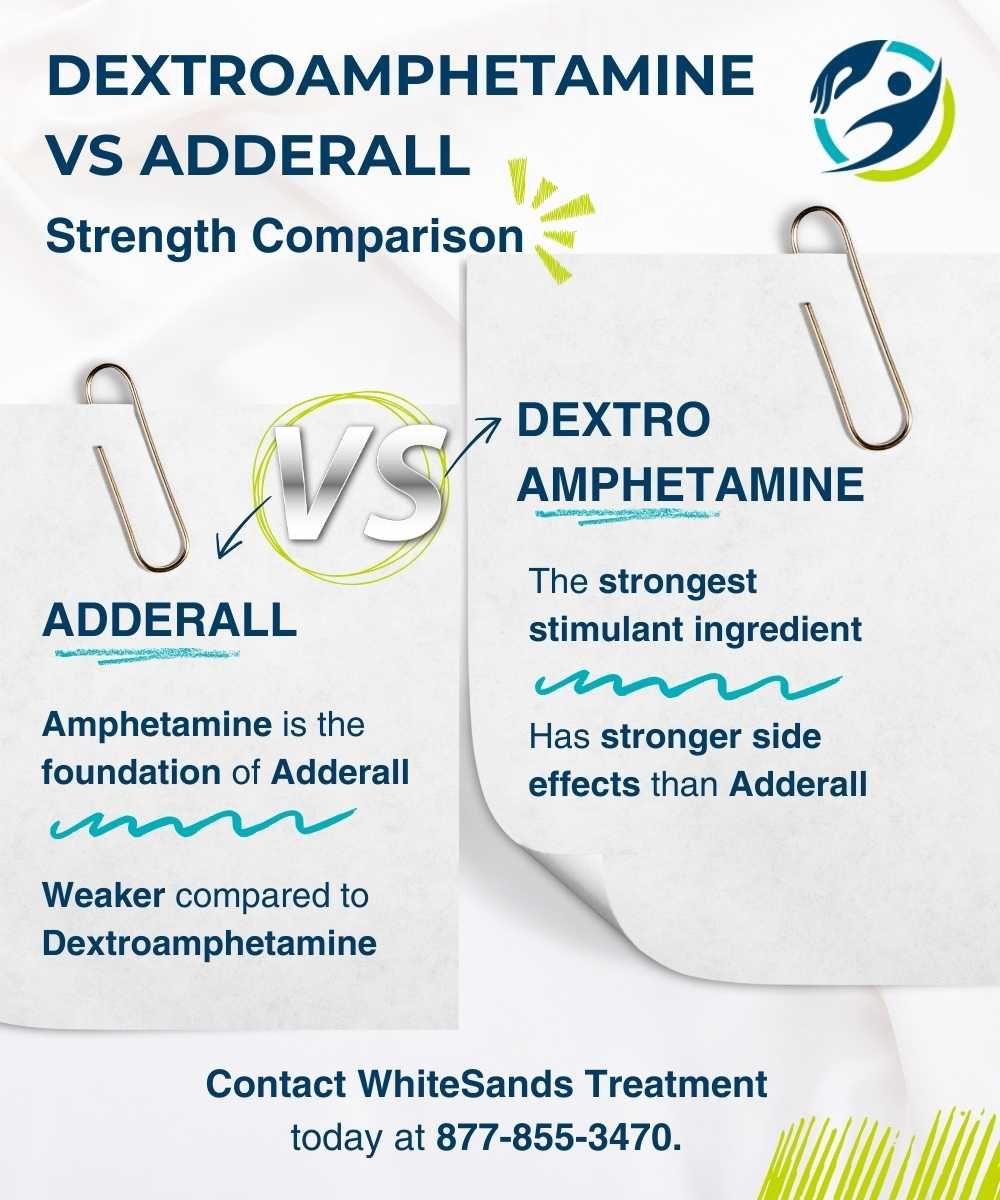
Many patients and healthcare providers question whether Dexedrine is indeed stronger than Adderall, and while the answer is nuanced, the consensus is that, on a milligram-per-milligram basis, Dexedrine is more potent. A study highlighted on various pharmaceutical forums indicates that users often report the need for a lower dose of Dexedrine compared to Adderall for effective symptom control.
The potency may stem from the fact that Dexedrine is composed entirely of dextroamphetamine, the more active isomer of amphetamine, while Adderall includes both dextroamphetamine and levoamphetamine. Levoamphetamine, while effective, is generally considered less potent for treating ADHD symptoms.
This potency difference raises the question of dosage adjustments when switching between medications. A patient on Adderall might find that a dose of Dexedrine offers similar or even enhanced effects with a lower quantity, but care should be taken under medical supervision to avoid overdosing or experiencing excessive side effects.
How Are Dexedrine and Adderall Used in Treatment?
Both Dexedrine and Adderall are primarily prescribed for treating ADHD and narcolepsy, yet their application in treatment regimens can differ based on individual patient needs and responses to medication. Dexedrine has been around since the 1920s, making it a long-established option, while Adderall, introduced in the 1990s, has garnered significant popularity since due to its broader appeal and branding in the ADHD market.
In the case of ADHD, healthcare providers often make individualized treatment decisions based on a patient’s medical history, preferences, and previous responses to stimulant medications. Some may gravitate toward Dexedrine for its concentrated effects, particularly in adults who may experience fewer side effects compared to stimulant medications that contain levoamphetamine, such as Adderall.
For narcolepsy, both medications work effectively to manage excessive daytime sleepiness. However, Dexedrine’s rapid onset can be particularly useful for patients needing prompt control over their symptoms. In some cases, healthcare providers may also prescribe Dexedrine in combination with other medications, while others may favor sticking with Adderall for a more blended effect.
Side Effects: What to Expect
While both Dexedrine and Adderall are generally effective in managing symptoms of ADHD and narcolepsy, they come with potential side effects that vary from person to person. Understanding these side effects is critical for those considering either medication.
Common side effects of both medications include insomnia, dry mouth, loss of appetite, and increased anxiety. However, the intensity of these effects can differ due to the composition of each medication. For example, because Dexedrine contains only dextroamphetamine, some users may experience heightened feelings of anxiety or jitteriness when compared to Adderall, particularly if they are sensitive to stimulants.
Adderall’s multi-salt formulation can often result in a more gradual release of medication, potentially leading to milder side effects like reduced peaks and troughs in symptom control. However, some patients may find that Adderall leaves them feeling more emotionally and physically fatigued as it wears off, a side effect that can be mitigated with Dexedrine.
Long-Term Use and Dependency Risks
Both Dexedrine and Adderall are classified as Schedule II controlled substances, indicating a high potential for abuse and dependency. The long-term use of stimulant medications for ADHD has been a subject of extensive research, revealing mixed results regarding the risks associated with dependency and medication management.
Some studies show that long-term use of stimulant medications can lead to physical tolerance, meaning higher doses are required to achieve the same therapeutic effects over time. This factor prompts healthcare providers to closely monitor patients on Dexedrine or Adderall for signs of dependency and to consider drug holidays where appropriate for managing side effects and preserving medication effectiveness.
Moreover, there are considerations regarding shifting from prescription use to illicit use, particularly in adolescent populations. While both medications are effective at treating ADHD, patients should adhere to their prescription guidelines and remain in regular contact with their healthcare provider to address any concerns surrounding dependency.
Switching from Adderall to Dexedrine: Reasons and Benefits
A significant number of patients find themselves needing to switch from Adderall to Dexedrine due to insufficient symptom control, intolerable side effects, or personal preferences regarding dosage. Reviews on platforms like Reddit from individuals who made the switch report varying degrees of satisfaction based on their circumstances, with many expressing that Dexedrine provides a clearer and more focused state of mind.
Patients transitioning between the two medications should engage in careful planning with their healthcare provider to facilitate this process. Typically, professionals will recommend a gradual decrease in Adderall dosage while concurrently introducing Dexedrine. This approach minimizes withdrawal symptoms associated with the discontinuation of Adderall and helps identify an optimal starting dosage for Dexedrine.
Additionally, the more concentrated formulation of Dexedrine can result in fewer daily doses compared to Adderall, offering patients greater flexibility and convenience in their medication regimen. For those sensitive to side effects, adjusting to Dexedrine may yield a more tolerable experience overall.
Dexedrine vs. Other ADHD Medications
When considering treatment for ADHD, Dexedrine is often positioned alongside other popular medications such as Vyvanse, Ritalin, and Desoxyn. Each medication possesses unique advantages and drawbacks worth examining.
For instance, Vyvanse is a prodrug, meaning it is inactive until metabolized in the body, which can result in a smoother experience with fewer side effects. However, many users report that Vyvanse lacks the intensity of effects found with Dexedrine or Adderall, making the latter two preferable for those wanting more immediate results.
Conversely, Ritalin, while still effective, operates through a slightly different mechanism impacting the duration of effects and frequency of dosing. Patients may find that Ritalin induces more fluctuation in focus compared to the steadier control offered by Dexedrine or Adderall. Referral sources like doctors often play a crucial role in determining which medication aligns best with a patient’s lifestyle and symptoms.
Comparing Dexedrine, Adderall, and Vyvanse
The question of whether to choose Dexedrine, Adderall, or Vyvanse is one that many patients encounter. While each medication aims to improve symptoms of ADHD, they operate through different mechanisms which may appeal to specific patient profiles.
Dexedrine and Adderall are both fast-acting stimulant medications with similar onset times and effects on attention and focus. In contrast, Vyvanse’s delayed activation through metabolic processes may be appealing for those who prefer a less intense experience. However, for patients desiring high potency, Dexedrine’s straightforward formulation may provide the desired control over ADHD symptoms more effectively than Vyvanse.
Furthermore, as patients engage with healthcare professionals to tailor their ADHD management, understanding the comparative strengths and weaknesses of these medications is essential. Ongoing dialogues regarding symptom management, side effects, and medication compliance contribute to the optimization of treatment.
What Should You Know Before Starting Dexedrine or Adderall?
Before initiating a treatment plan with either Dexedrine or Adderall, several critical factors should be considered. First and foremost, an accurate diagnosis of ADHD or narcolepsy is essential, as these medications are not suitable for everyone. Medical history, lifestyle factors, and co-existing conditions can greatly influence the decision-making process.
Secondly, as with any stimulant medication, it is vital to assess the potential for cardiovascular complications. Both Dexedrine and Adderall can increase heart rate and blood pressure, which might pose risks for individuals with pre-existing heart conditions. Regular monitoring by healthcare providers can help mitigate these risks and tailor treatment accordingly.
Engagement in lifestyle changes, including pursuing therapy, bolstering coping strategies, and maintaining a balanced routine can serve as essential complements to medical treatment. Patients should embrace integrative approaches that involve both pharmacological and non-pharmacological interventions for optimal outcomes.
Frequently Asked Questions (FAQ)
1. Can Dexedrine and Adderall be taken together?
It is generally not advisable to take Dexedrine and Adderall together, as both medications contain amphetamines that could exacerbate side effects like increased heart rate, anxiety, and potential misuse. Patients considering a combination therapy should discuss this option thoroughly with their healthcare provider to weigh the risks and benefits.
2. Are there any dietary considerations while taking Dexedrine or Adderall?
Certain foods and beverages can interact with ADHD medications. For instance, acidic foods and drinks, such as orange juice or vitamin C supplements, can make these medications less effective. Maintaining a balanced and healthy diet is crucial for optimal medication efficacy, and discussing dietary concerns with a healthcare provider is recommended.
3. How long does it take for Dexedrine or Adderall to start working?
The onset of effects for Dexedrine and Adderall usually occurs within 30 to 60 minutes after consumption, but this can vary based on individual metabolic rates and dosages. Extended-release versions may take longer to metabolize fully, leading to gradual symptom relief throughout the day.
4. What should I do if I miss a dose of Dexedrine or Adderall?
If a dose is missed, it should be taken as soon as remembered. However, if it’s close to the time for the next dose, the missed dose should be skipped entirely. Doubling up is not recommended, as this can lead to increased side effects and possible overdose.
5. Are there alternatives to Dexedrine and Adderall for ADHD treatment?
Yes, there are non-stimulant medications available, such as atomoxetine (Strattera) or guanfacine (Intuniv), that can be effective alternatives for managing ADHD symptoms. These options may be preferable for individuals who experience intolerable side effects or have a history of substance abuse.
6. Is there a risk of developing a tolerance to Dexedrine or Adderall?
Yes, tolerance can develop, which may require adjustment in medication dosages over time. Regular consultations with a healthcare provider are crucial for monitoring treatment efficacy and preventing dependency.
7. What are the signs of an overdose of Dexedrine or Adderall?
Signs of overdose may include rapid heartbeat, severe agitation, hyperventilation, nausea, vomiting, and, in extreme cases, seizures. If an overdose is suspected, immediate medical attention should be sought, as it can become a life-threatening situation.
Conclusion
Understanding the differences between Dexedrine and Adderall is vital for anyone considering treatment options for ADHD and narcolepsy. Although both medications are effective, their distinct compositions and effects can lead to diverse patient experiences. It is essential for individuals to work closely with their healthcare providers, tailoring treatment to address not only symptoms but also any side effects or challenges encountered along the way.
The decision to use either Dexedrine or Adderall should never be taken lightly; informed conversations about medical history, potential side effects, and lifestyle factors are imperative for finding the most suitable option. Whether you lean toward the more potent profile of Dexedrine or the balanced formulation of Adderall, the goal remains the same—achieving optimal symptom management and improving quality of life.
Finally, remaining vigilant about medication adherence, understanding potential risks, and being proactive in communication with health professionals are all essential components of managing ADHD and narcolepsy effectively. As always, patient education and collaboration pave the way for sustained success in treatment.
