🏠 Stay at home! 25% discount on all medicines


Can You Snort Concerta? Understanding the Risks and Misconceptions

Many individuals grappling with Attention Deficit Hyperactivity Disorder (ADHD) find relief through prescribed medications like Concerta; an extended-release formulation of methylphenidate. However, a troubling trend has emerged surrounding the misuse of this medication. Individuals, particularly students and athletes, have resorted to alternative methods of consumption, sparking a question often debated: can you snort Concerta? Jointly, we must explore not only the pharmacology of this drug but also the risks involved and the misconceptions that prop up its recreational use.
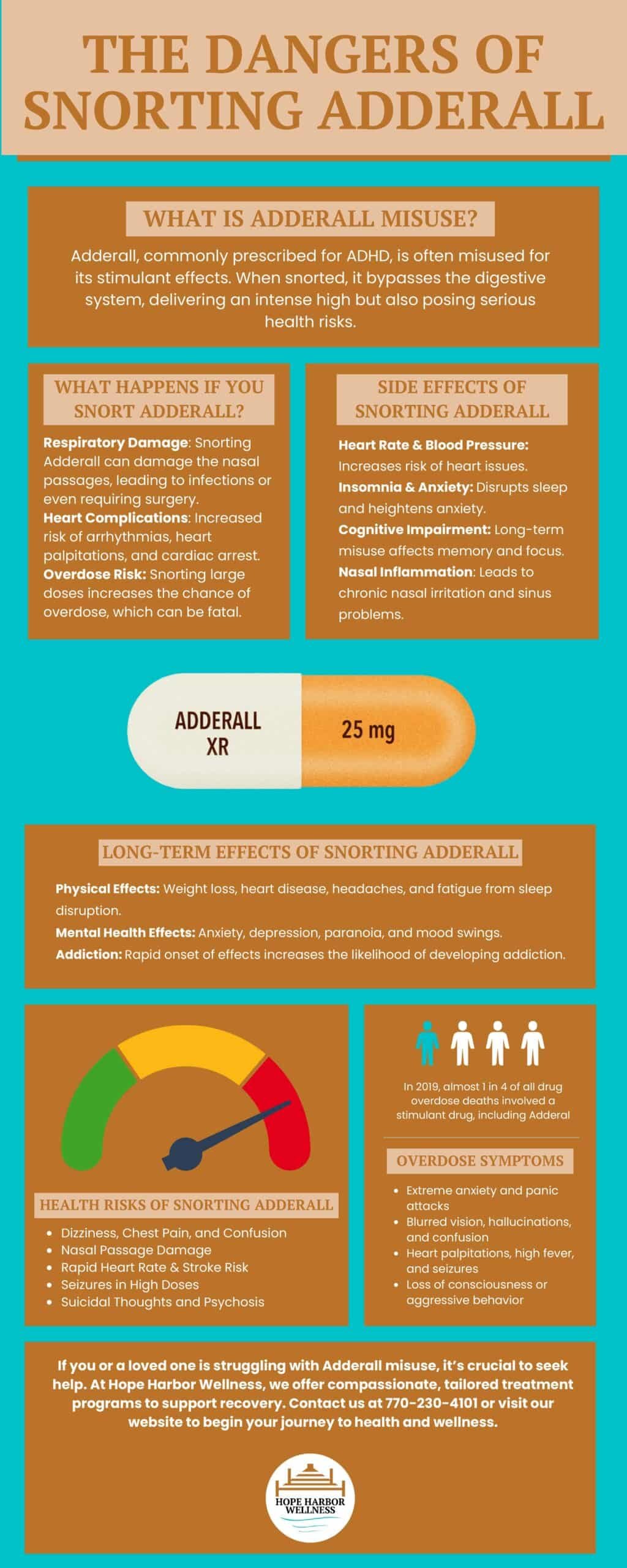
Statistics reveal a growing concern regarding prescription stimulant misuse, as approximately 5% of U.S. adults report using ADHD medications without prescriptions. This alarming number underscores the importance of understanding the ramifications of such practices. Remedies like Concerta, while beneficial for many, can lead down a treacherous road when consumed improperly. Individuals may believe that snorting Concerta can amplify its effects, leading them to experiment with methods that pose severe health risks and side effects that often outweigh any perceived benefits.
Through a thorough investigation into the pharmacodynamics of Concerta and the socio-psychological factors contributing to substance misuse, we can unpack the realities of this common inquiry. By the end of this article, you’ll understand the true dangers of snorting Concerta, the science behind its formulation, and the broader context of stimulant abuse.
What Is Concerta and How Does It Work?
Concerta is recognized as an extended-release medication used predominantly in the treatment of ADHD. It operates through the central nervous system (CNS) by enhancing the activity of specific neurotransmitters, notably dopamine and norepinephrine. These neurotransmitters play crucial roles in regulating attention, focus, and behavior, effectively enabling individuals with ADHD to manage their symptoms more effectively.
The active ingredient in Concerta, methylphenidate, is remarkably similar in its chemical structure to amphetamines, such as Adderall. Yet, its therapeutic effects differ due to its unique delivery mechanism. Concerta employs a patented OROS (Osmotic Controlled Release Oral Delivery System) technology that allows for a gradual release of the medication throughout the day. This controlled-release structure helps avoid the peaks and troughs of stimulant levels common with immediate-release formulations, which can often exacerbate side effects and lead to a decreased efficacy over time.
Concerta’s pharmacological profile highlights its efficacy in enhancing attention spans and diminishing impulsive behaviors among individuals diagnosed with ADHD. While its positive aspects are significant, the potential for abuse cannot be overlooked, especially within academic and competitive environments where cognitive performance is often prioritized.
Who Prescribes Concerta?
Typically, Concerta is prescribed by licensed healthcare providers, including psychiatrists and pediatricians, to individuals affected by ADHD. The evaluation process for prescription involves a thorough assessment of symptoms, medical history, and in some cases, psychological testing. The decision to prescribe Concerta or any stimulant medication considers the potential benefits versus risks, ensuring the patient aligns with the clinical guidelines outlined by mental health authorities.
For adults, these diagnoses are often multifaceted, encompassing various conditions such as anxiety and depression. Thus, comprehensive management approaches may encompass counseling and behavioral therapy in conjunction with pharmacological intervention to achieve the best therapeutic outcomes.
Concerta is typically viewed as a viable treatment option after other non-stimulant medications or behavioral therapies demonstrate insufficient efficacy. Its prolonged effects make it an appealing choice for both patients and prescribing clinicians as a method to promote consistent focus and attention.
Why Do People Misuse Concerta?
The motivations for misusing Concerta and similar stimulant medications are diverse. Firstly, students often desire an edge in academic performance, believing these drugs can enhance concentration and endurance during studying or exams. Secondly, the impulsive nature of ADHD can lead to poor decision-making regarding drug use, as individuals may seek to replicate perceived feelings of euphoria or heightened energy associated with stimulant usage.
Furthermore, there exists a misconception that prescription medications are inherently safer than illicit drugs, leading individuals to underestimate the risks involved in misuse, particularly snorting. This flawed rationale, compounded by a competitive societal climate, often drives an increase in the recreational use of medications like Concerta.
Nevertheless, the pressures to excel and the pursuit of optimal cognitive performance can quickly overshadow the significant potential for addiction and adverse health impacts associated with misusing Concerta, particularly through methods not intended by medical professionals.
Can You Snort Concerta? The Science Behind the Myths
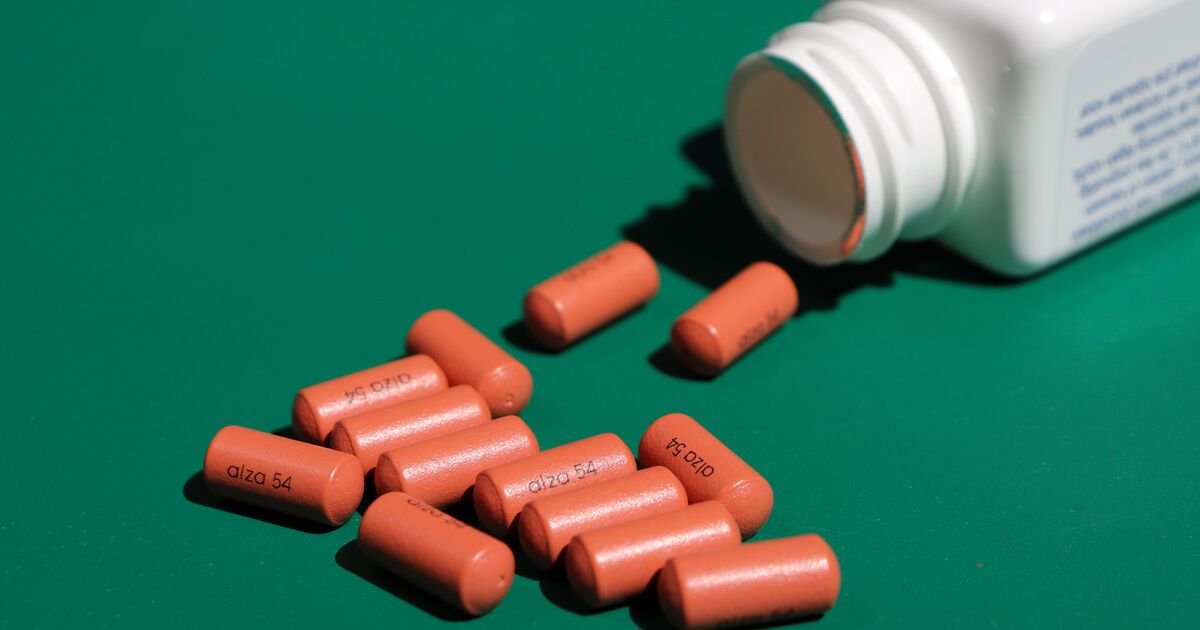
While there may be widespread curiosity regarding the ability to snort Concerta, it is crucial to approach this inquiry with a solid understanding of the drug’s formulation and delivery system. The extended-release properties of Concerta mean it is designed to release the active ingredient gradually over time, contrasting sharply with the immediate release expected by users seeking rapid effects through snorting.
Research indicates that snorting Concerta does not lead to the desired effects typically associated with other stimulant drugs. Attempted intranasal abuse of Concerta has yielded minimal results, as the formulation comprises a waxy coating designed specifically to control the drug’s release mechanism. Thus, when crushed and snorted, the drug’s pharmacokinetics become severely compromised, yielding inadequate stimulation or ‘high.’
Further studies have confirmed that individuals attempting to abuse Concerta intranasally report both decreased satisfaction and ineffective results. The failure to elicit the anticipated stimulant high only illustrates the significant biological divergences in how the drug was designed to operate versus how individuals misuse it.
What Happens If You Snort Concerta?
The implications of snorting Concerta can entail several detrimental consequences, owing largely to the drug’s composition and delivery method. Firstly, those who attempt to snort Concerta may experience substantial irritation to the nasal passages and mucous membranes. Consequently, this can lead to infections, nasal damage, and chronic sinus issues.
Moreover, regardless of the method of consumption, excessive doses of stimulants can produce cardiovascular complications. These might include increased heart rate, elevated blood pressure, and even arrhythmias in severe circumstances. The unpredictability of how the body will react to an improvised method of administration adds another layer of risk, particularly for unmonitored users.
Additionally, snorting Concerta can lead to psychological dependence. Users may develop a compulsive need to consume the drug to achieve an effect that is not achievable through the intended oral route. The misleading perception of safety associated with prescription drugs only compounds the potential for addiction and misuse.
Is Snorting Concerta an Effective Way to Get High?
From a pharmacological standpoint, snorting Concerta is not an effective means of achieving a euphoric state or stimulating experience. While some might attempt this in pursuit of heightened effects, the unique properties of the extended-release mechanism limit the effectiveness of this abuse method. Individuals may be disappointed to find that the narcotic high they anticipated is largely absent, leading others to seek out alternative substances.
Moreover, the risks associated with trying to derive pleasure from this medication significantly outweigh any temporary relief or effect. The false expectations surrounding the abusive consumption of Concerta reinforce the misconception that such pharmaceutical options can deliver desirable recreational experiences, instead leading users down a perilous path.
In essence, snorting this medication is not only ineffective but also dangerous, underscoring the need for greater education about prescription drugs and psychiatric prescriptions.
The Consequences of Concerta Abuse
Understanding the potential consequences of Concerta abuse goes beyond the immediate physical side effects. Engaging with stimulants—especially through unauthorized means—can alter an individual’s mental and emotional wellness, leading to a myriad of secondary concerns.
Among the most pressing concerns is the development of addiction. Once individuals start to rely on Concerta or similar stimulants for study or performance, it can swiftly develop into dependency. Users find themselves caught in a cycle of needing the drug for normal functioning, which can overshadow typical responses to stress and fatigue.
Furthermore, psychological effects—such as anxiety, insomnia, and mood swings—often increase with continued misuse. These conditions may require further treatment and intervention, adding to the overall burden of managing ADHD symptoms and the consequences of stimulant abuse.
Physical Health Risks Associated with Abuse
The physical toll of abusing Concerta can be severe. Chronic use may lead to cardiovascular problems, including hypertension, tachycardia, and increased risk for heart attack or stroke. This risk is particularly pronounced if users combine Stimulant medications with other illicit drugs or alcohol, exacerbating the strain placed on the body.
Moreover, those who snort or improperly consume Concerta may also experience gastrointestinal complications, including nausea, constipation, or abdominal pain. Stimulants commonly disrupt normal digestive processes, further compounding the distress experienced by individuals.
Alongside these physical challenges, individuals may encounter a myriad of psychological effects. Cognitive impairments, difficulty concentrating, and exacerbated ADHD symptoms can often arise as the brain struggles with dependency on external sources of stimulation. Not only can these effects hinder academic or professional performance, but they can also strain interpersonal relationships and overall quality of life.
Legal Implications of Concerta Misuse
Misusing Concerta can carry legal implications as well. Stimulants such as Concerta and Ritalin are classified as Schedule II controlled substances, denoting a high potential for abuse and dependence. This classification brings potential legal ramifications, including criminal charges for possession or distribution without a prescription, enhancing the stakes for individuals engaging in abuse.
More broadly, these legal issues may lead to complicated interactions with law enforcement, potential imprisonment, and a criminal record that can impact future employment opportunities and educational prospects. These long-term consequences illustrate the gravity of stimulant abuse and the need for effective public health strategies to address substance misuse.
What to Do If You or Someone You Know Is Misusing Concerta
If you suspect someone is misusing Concerta, it is vital to approach the situation delicately but proactively. The first step is often a conversation grounded in concern and understanding rather than judgment. Listening to the individual’s experiences can provide you with insights into their circumstances and the motivations behind their drug use.
Moreover, reaching out to professionals—whether educators, mental health experts, or drug counselors—can further guide interventions. Treatment options may include behavioral therapies, counseling, and even medically-assisted detoxification programs in cases of severe dependency. Creating a treatment plan tailored to the individual’s needs fosters healthier coping mechanisms and encourages sustained recovery.
In particular, support groups often provide tremendous relief from isolation and enable individuals to connect with others facing similar challenges. These environments not only foster a sense of community, but they also reinforce commitment to sobriety and recovery journeys.
Recognizing the Signs of Misuse
Recognizing the warning signs of Concerta misuse is essential for early intervention. Symptoms often manifest as drastic behavioral changes, increasing secrecy around drug use, and declining performance in academics or work-related activities. Moreover, physical signs such as nasal damage, mood swings, and changes in appetite can signal the need for immediate support.
Individuals may exhibit emotional instability and heightened anxiety, indicating the destructive toll that substance abuse can take on mental health. Close friends and family members often play a pivotal role in identifying these signs and facilitating intervention before behaviors become more entrenched.
Seeking Professional Help and Resources
For those seeking assistance, numerous resources are available. The Substance Abuse and Mental Health Services Administration (SAMHSA) provides a National Helpline, offering free, confidential support 24/7, guiding individuals toward treatment options tailored to their needs. Professionals specializing in substance abuse can provide personalized care and resources tailored to recovery.
Online forums and support platforms can also offer avenues for communities struggling with substance misuse, providing shared experiences that can contribute to the healing journey. Moreover, educational efforts focused on understanding the intricacies of ADHD medications can empower individuals to make informed decisions about their health and wellbeing.
Frequently Asked Questions
Can Concerta be fatal if misused?
Misusing Concerta does carry the risk of severe health consequences, including death. High dosages can lead to cardiovascular complications such as heart attack or stroke, particularly in individuals with pre-existing health conditions. While the incidence of fatal outcomes is relatively low among recreational users, the potential for these incidents cannot be understated, emphasizing the importance of responsible medication use.
What are the short-term effects of snorting Concerta?
Attempts to snort Concerta can yield short-term effects, including increased heart rate, elevated blood pressure, and feelings of anxiety or restlessness. Users may also experience nasal damage and irritation, which can lead to bleeding and chronic sinus issues over time. Most of these effects contribute to the myriad of negative outcomes associated with improper drug use.
Are there safe ways to take Concerta?
The safest way to take Concerta is to follow a healthcare provider’s prescription guidelines. This typically means consuming the medication whole and not attempting to manipulate its formulation for quicker effects. Adherence to prescribed dosages and regular consultations with a healthcare provider ensures both effectiveness and minimizes the risk of dependency or adverse reactions.
What should I do if I’ve developed a tolerance to Concerta?
If you suspect developing a tolerance to Concerta, it is vital to discuss these concerns with a healthcare provider. They can assess your situation and determine whether adjustments in dosage or alternative treatment options are appropriate. Self-adjusting medication without professional guidance can lead to negative health outcomes and should be avoided.
How can I support a loved one misusing Concerta?
Supporting a loved one misusing Concerta requires compassion and understanding. Approaching them with care, discussing your concerns, and encouraging them to seek professional help can collectively facilitate recovery. Offer to accompany them to appointments and provide emotional support throughout their journey. Healthy communication and empathy can create a safe space for healing.
What treatment options are available for Concerta addiction?
Numerous treatment options exist for individuals struggling with Concerta addiction, including outpatient therapy, inpatient rehabilitation, and support groups. Behavioral therapies, such as cognitive-behavioral therapy (CBT), can be effective in addressing underlying behavioral triggers and developing healthier coping strategies. Tailored treatment plans collectively foster sustainable recovery.
Final Thoughts on Concerta Misuse
Understanding the implications of misusing Concerta extends beyond the sphere of pharmacology, inviting deep reflections on societal pressures, mental health, and the complexities of addiction. It is vital for individuals to be aware of the drug’s intended use, its limitations, and the significant risks associated with abuse. Misconceptions regarding stimulant medications often place users in harm’s way, distorting the line between seeking therapeutic effects and engaging in dangerous practices.
Through education, awareness, and support systems, we can foster environments that prioritize individual health and resilience, mitigating the risk of substance misuse. Moreover, individual commitment to understanding one’s own mental health, alongside encouraging open conversations about ADHD treatment options, can pave the way for a healthier society.
The path to understanding extends beyond the individual; it encompasses shared experiences and the societal narratives we build around addiction and recovery. By prioritizing accurate information about medications like Concerta and the ramifications of misuse, we can better navigate the complexities of ADHD while safeguarding our communities from the perils of substance abuse.
