🏠 Stay at home! 25% discount on all medicines


Can You Overdose on Adderall? Understanding Risks and Symptoms

Adderall, a widely prescribed medication for attention deficit hyperactivity disorder (ADHD), is also a powerful stimulant that, when misused, can lead to severe health consequences including overdose. In 2021, the National Institute on Drug Abuse reported that stimulant misuse, including Adderall, has become a growing concern, with a significant increase in emergency room visits related to stimulant overdoses. This alarming trend raises critical questions about the safety of Adderall when not used as directed.
Understanding the potential for overdose is vital, especially for individuals who may be prescribed Adderall or those who consider using it recreationally. The risk of overdose is not limited to higher doses; even the recommended therapeutic doses can pose dangers if mismanaged. Additionally, the routes of administration can drastically affect how the body reacts to the drug, leading to dangerous situations.
This comprehensive examination aims to detail the symptoms, causes, and treatments related to an Adderall overdose, answering the essential question: Can you overdose on Adderall? By shedding light on this issue, readers will gain a deeper understanding of the implications of Adderall use, the signs of overdose to watch for, and the necessary steps for prevention and intervention.
What is Adderall and How Does It Work?
Adderall is a prescription medication that combines two active ingredients: amphetamine and dextroamphetamine. It is classified as a central nervous system (CNS) stimulant, which means it affects chemicals in the brain and nerves contributing to hyperactivity and impulse control. Doctors primarily prescribe Adderall to treat ADHD and narcolepsy, conditions characterized by attention difficulties and excessive daytime sleepiness, respectively.
The mechanism of action involves increasing the levels of neurotransmitters, particularly dopamine and norepinephrine, which play critical roles in mood regulation, focus, and attention. By enhancing the activity of these neurotransmitters, patients often experience improved concentration and a reduction in impulsive behaviors.
While Adderall can be beneficial for those with ADHD, it is essential to recognize that it is a controlled substance with a high potential for abuse and dependence. Misuse can occur when individuals take the medication without a prescription, use it for performance enhancement, or engage in non-prescribed methods of administration like snorting or injecting.
Understanding Adderall Overdose
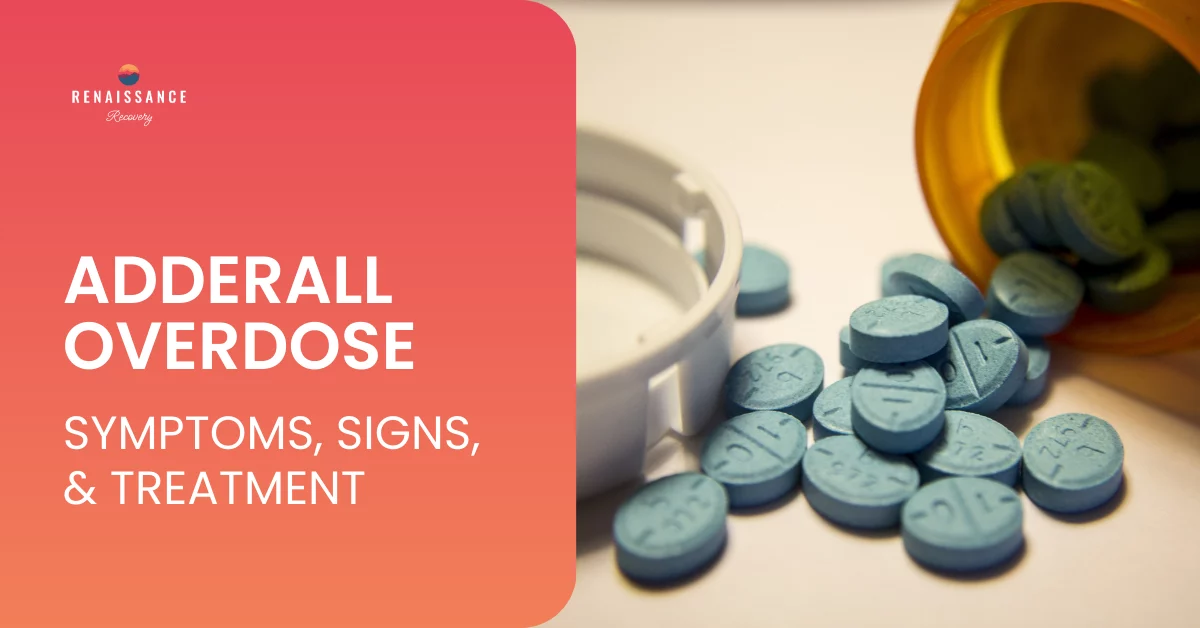
An Adderall overdose occurs when an individual consumes a toxic amount of the drug, exceeding the therapeutic recommendations set by healthcare providers. The risk of overdose increases significantly when someone uses more than prescribed, combines the medication with other stimulants, or resorts to illicit methods of ingestion.
Due to its stimulant properties, an overdose on Adderall can lead to numerous physiological effects, many of which affect the cardiovascular and nervous systems. Serious complications arise when initial symptoms escalate, necessitating immediate medical intervention.
The potential for overdose is not limited to users with prior health complications; even individuals taking the medication for legitimate medical reasons can experience toxicity under certain circumstances. Several factors, such as dosage, individual metabolism, and concurrent use of other substances, contribute to overdose risk, making it imperative for users to adhere strictly to prescription guidelines.
Signs and Symptoms of Adderall Overdose
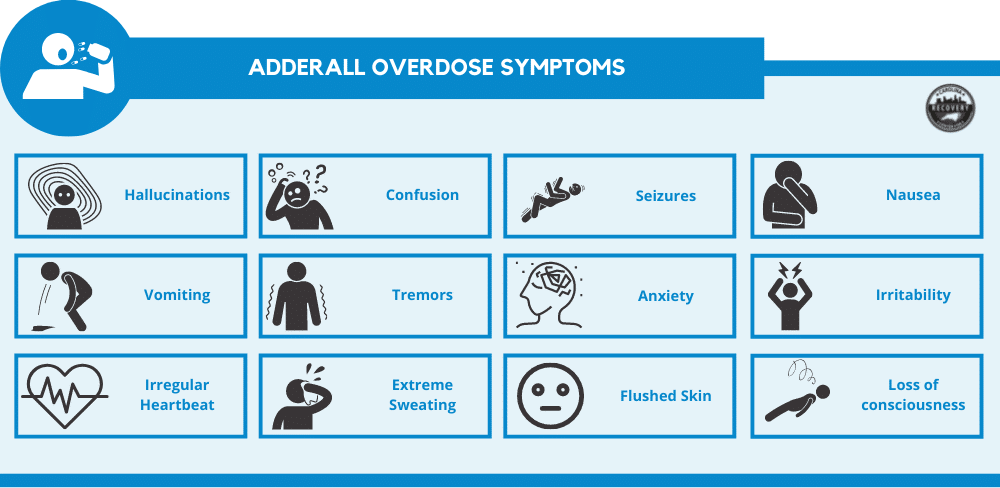
Recognizing the signs of an Adderall overdose is critical for ensuring timely medical intervention. Early detection can reduce the risk of long-term health effects or fatalities. Symptoms can vary widely among individuals but generally include:
- Hyperactivity and Restlessness: Individuals may exhibit excessive energy and inability to sit still, beyond what is typical for them.
- Fast Heartbeat (Tachycardia): A significantly increased heart rate can lead to cardiovascular strain, which may manifest in feelings of palpitations.
- Increased Body Temperature: Hyperthermia or overheating is common, potentially leading to severe health complications.
- Rapid Breathing: Individuals may experience shortness of breath or hyperventilation due to heightened arousal states.
- Mental Confusion: Cognitive impairment, agitation, or erratic behavior can indicate severe toxicity.
Other critical symptoms include muscle tremors, dilated pupils (mydriasis), and, in severe cases, seizures or loss of consciousness. Recognizing these signs early is vital, as the symptoms can quickly develop into life-threatening conditions if left untreated.
What Are the Long-term Consequences of an Adderall Overdose?
The aftermath of an Adderall overdose can have debilitating effects, ranging from acute health crises to long-term psychological challenges. Following an overdose, individuals might face:
- Cognitive Impairments: Memory issues, attention deficits, and prolonged confusion may persist for weeks or even months after an overdose event.
- Cardiovascular Damage: The strain on the heart and vascular system can result in arrhythmias or chronic heart conditions.
- Psychiatric Disorders: After an overdose, individuals may experience heightened anxiety, depression, or other mood disorders due to changes in brain chemistry.
- Risk of Addiction: Surviving an overdose often emerges alongside psychological dependence on the substance, as individuals attempt to recreate the stimulant effects.
- Potential for Seizures: Severe overdoses can trigger recurrent seizures, which may require extensive medical management.
These potential long-term consequences highlight the importance of adhering to prescribed dosages and engaging in open dialogue with healthcare professionals about any concerning side effects or behaviors.
Why Do People Misuse Adderall?
The misuse of Adderall stems from various factors, particularly among certain populations like college students and young professionals. Many individuals see the drug as a tool for enhancing concentration and productivity, especially under the pressures of high-stakes academic or work environments.
Some reasons people may misuse Adderall include:
- Academic Pressure: Students often misuse Adderall to maintain focus and stamina for studying and completing assignments, particularly during exam periods.
- Performance Enhancement: In competitive job markets, individuals may turn to stimulants to enhance their cognitive abilities and overall performance.
- Peer Influence: Social environments that normalize stimulant misuse can encourage individuals to experiment with unsupervised usage.
- Mental Health Issues: Those struggling with attention disorders without a diagnosis may seek Adderall recreationally to alleviate symptoms they feel hinder their daily functioning.
Understanding the motivations behind Adderall misuse is crucial for developing effective prevention strategies and promoting a culture of health over performance at schools and workplaces.
Treatment for Adderall Overdose
Immediate intervention is essential if an overdose is suspected. Individuals exhibiting symptoms of overdose should receive urgent medical attention, as treatment can rapidly escalate into advanced care measures. Emergency room personnel typically follow a specific protocol for Adderall overdose management.
Standard treatment measures may include:
1. Supportive Care: Medical professionals will monitor vital signs and stabilize the patient’s condition. This usually involves administering fluids, electrolytes, and other supportive measures.
2. Medication Administration: In some cases, sedatives or benzodiazepines may be prescribed to alleviate agitation and control severe symptoms like seizures.
3. Activated Charcoal: If the overdose is recognized shortly after ingestion, activated charcoal may be administered to prevent further absorption of the drug in the gastrointestinal tract.
It is crucial to note that there is no specific antidote for Adderall overdose, which emphasizes the importance of prevention through proper education and responsible usage practices.
Preventing an Adderall Overdose
Awareness and education are critical components of preventing an Adderall overdose. Both patients and prescribing clinicians must engage in honest discussions about the potential for misuse and developing healthy habits surrounding medication.
Here are several strategies that can be employed to help mitigate the risk of overdose:
- Adhere to Prescribed Dosages: Always take Adderall precisely as directed by a healthcare provider. Avoid taking larger doses or using it more frequently than prescribed.
- Avoid Non-Prescribed Usage: Never use someone else’s prescription medication, as this alters the context in which the drug is administered.
- Communicate with Healthcare Providers: Discuss any side effects or concerns with a healthcare professional who can adjust dosage or explore alternative treatments.
- Limit Concurrent Substance Use: Avoid combining Adderall with other stimulants or drugs, as they can exacerbate the risk of overdose.
- Engage in Healthy Lifestyle Choices: Effective time management, adequate sleep, regular exercise, and healthy eating can all help to enhance focus naturally.
Community awareness initiatives can also play an essential role in informing people about the dangers of misuse and the signs to recognize if someone is in distress due to overdose.
Frequently Asked Questions (FAQ)
1. What should I do if I suspect someone has overdosed on Adderall?
If you suspect someone has overdosed on Adderall, it is crucial to seek emergency medical help immediately. Call local emergency services or bring the individual to the nearest emergency room. Being prepared to provide information about the individual’s medical history, the amount and method of ingestion, and the time of overdose can significantly aid medical professionals in offering the appropriate care.
2. Can Adderall lead to addiction?
Yes, Adderall has a high potential for addiction, particularly among individuals who misuse it for non-medical purposes. Dependence may develop as the body becomes tolerant to the effects of the drug, leading users to consume higher doses. Those with a history of substance abuse or other psychiatric disorders are particularly vulnerable to developing an addiction.
3. Can the symptoms of Adderall overdose resemble other conditions?
Yes, many symptoms associated with an Adderall overdose, such as increased heart rate, hyperactivity, and confusion, can mirror symptoms of other medical conditions, such as anxiety disorders or panic attacks. This overlap makes it crucial to evaluate the situation carefully and seek medical attention for an accurate diagnosis and treatment.
4. Is there a safe way to stop taking Adderall?
Absolutely. If an individual wishes to discontinue using Adderall, it is essential to do so under the guidance of a healthcare provider. Gradual tapering of the dose is often recommended to minimize withdrawal symptoms and avoid risks of rebound effects, which can worsen ADHD symptoms temporarily.
5. What are some signs of Adderall misuse?
Signs of Adderall misuse include sudden changes in behavior, increased risk-taking, social withdrawal, and academic or professional performance declines. Individuals may display secretive behaviors, such as concealing their medication or obtaining prescriptions from multiple sources. Family members or friends may notice unusual energy levels or excessive irritability in the person using Adderall.
6. Can you overdose on prescribed doses of Adderall?
While prescribed doses are intended to be safe, individual reactions to medications can vary significantly. It is possible to overdose on prescribed doses, especially if other lifestyle factors (like pre-existing health conditions, interactions with other medications, or unapproved usage methods) are involved. Taking Adderall as prescribed is essential, and any concerns should be discussed with a healthcare provider.
7. What long-term effects can result from an Adderall overdose?
The long-term effects of an Adderall overdose can be severe and may include cognitive impairments, cardiovascular problems, psychological disorders, and a heightened risk of developing an addiction. These consequences reinforce the importance of preventing misuse and ensuring safe practices around this powerful stimulant.
Conclusion
Adderall is a potent medication with the capacity to transform the lives of those suffering from ADHD. However, it is not without its risks, especially when misused. The question, “Can you overdose on Adderall?” is a serious one, and the answer underscores the importance of responsible usage and awareness of the symptoms and signs associated with overdose.
Understanding the signs of an Adderall overdose empowers individuals to act quickly, potentially saving lives in critical situations. Adhering to prescribed regulations and maintaining open communication with healthcare providers can help mitigate the risks. Finally, education surrounding the dangers of drug misuse can foster a healthier mindset, reducing the likelihood of tragedies related to stimulant medications.
To stay informed and protect yourself and your loved ones from the dangers of misuse, consider ongoing education, support groups, or counseling if needed. The road to recovery and safe medication practices begins with awareness and proactive decision-making.
