🏠 Stay at home! 25% discount on all medicines


Ativan vs. Xanax: A Comprehensive Comparison of Two Common Benzodiazepines

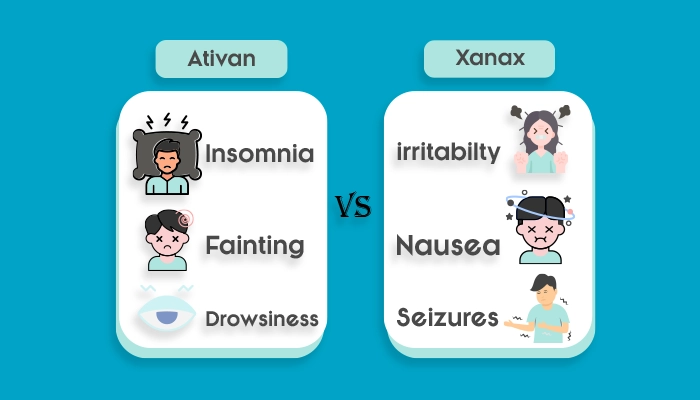
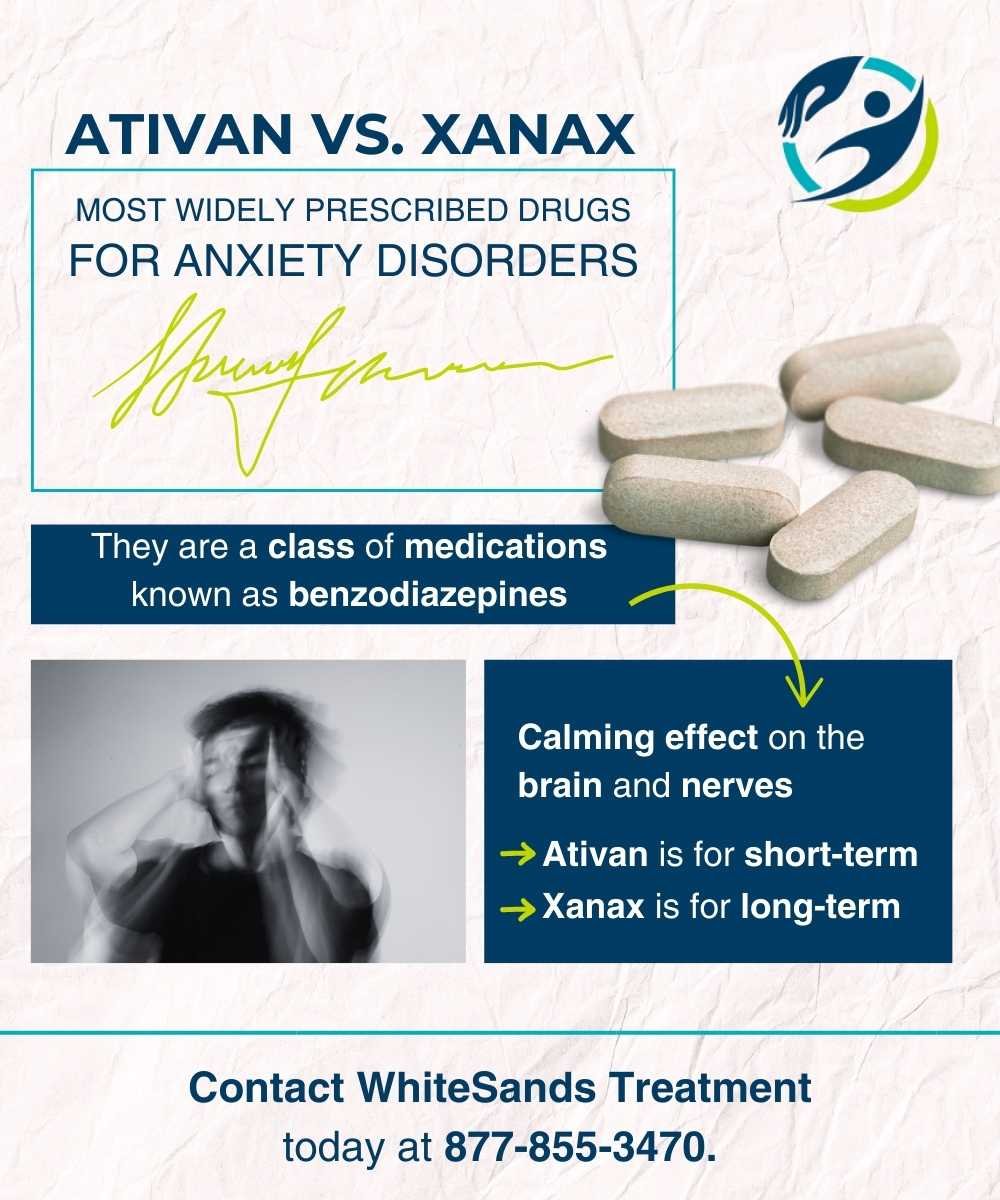
In the realm of anxiety management, benzodiazepines play a crucial role. Among the most commonly prescribed medications are Ativan (lorazepam) and Xanax (alprazolam). With increasing rates of anxiety disorders globally, understanding the nuances between these two medications is essential for effective treatment. Both Ativan and Xanax are effective at alleviating symptoms of anxiety; however, they differ significantly in several key areas, including onset and duration of action, half-life, and potential for dependency.
Ativan and Xanax have garnered considerable attention across various medical and therapeutic discussions. A survey indicated that approximately 18% of adults in the United States experience anxiety disorders, prompting the medical community to both prescribe and study benzodiazepines extensively. As these medications can have powerful effects on the brain’s neurotransmitters, making informed decisions about their use is paramount for both physicians and patients.
This article provides a comprehensive analysis of Ativan and Xanax. We will dissect their mechanisms, compare their efficacy, explore side effects, and much more. By the end of this guide, you should have a clearer understanding of which medication may be most appropriate for you or your patients, considering individual needs and the potential for misuse.
What Are Ativan and Xanax?
Ativan is the brand name for lorazepam, a medication primarily used to manage anxiety disorders, agitation, and seizure activity. It belongs to the benzodiazepine class, which functions by enhancing the effects of a neurotransmitter called gamma-aminobutyric acid (GABA). GABA has inhibitory effects in the brain, meaning it helps to reduce neural activity, leading to a calming effect on both mood and anxiety levels.
Xanax is the brand name for alprazolam, another widely used benzodiazepine. Similar to Ativan, Xanax is prescribed for anxiety disorders and panic attacks, providing rapid relief of acute symptoms. The way Xanax operates within the brain is almost identical to Ativan, promoting GABA activity to aid relaxation and reduce feelings of anxiety. This similarity can create confusion, especially as they are often perceived to be interchangeable.
Both medications are effective; however, the key differences lie in their pharmacokinetics – how the drugs are absorbed, distributed, metabolized, and excreted by the body. Understanding these differences is crucial for tailoring treatment plans to individual patient needs.
Comparing the Pharmacokinetics: Onset, Duration, and Half-Life
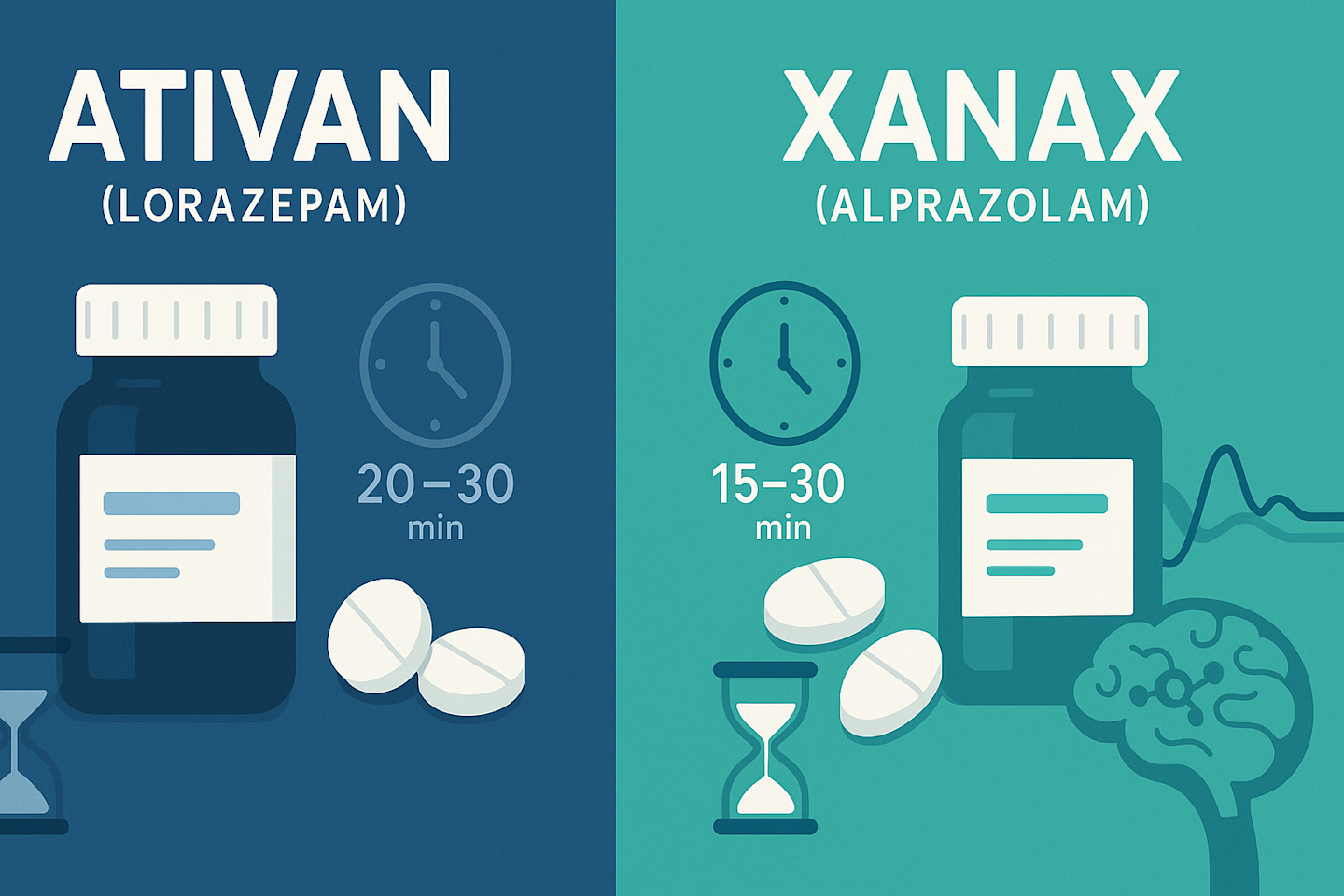
One of the most significant distinctions between Ativan and Xanax revolves around their onset of action and duration. Xanax typically acts faster than Ativan; its effects may be felt within 15 to 30 minutes of ingestion. Conversely, Ativan takes a bit longer, with effects usually manifesting in about 30 to 60 minutes. This rapid onset makes Xanax a preferable choice for those needing immediate relief from intense anxiety or panic attacks.
When it comes to duration of action, Ativan has a longer-lasting effect compared to Xanax. Ativan can provide relief for approximately 6 to 8 hours, while Xanax’s effects average about 4 to 6 hours. For patients who experience chronic anxiety and require sustained relief, Ativan may be the more effective option. This difference can also impact the frequency of dosing, with Ativan typically requiring fewer doses throughout the day.
The half-life of a drug is essential for understanding how long it remains active in the system. Ativan has a half-life ranging from 10 to 20 hours, while Xanax’s half-life is shorter, around 6 to 12 hours. The longer half-life of Ativan makes it a suitable candidate for those who may struggle with consistency in taking their medication, ensuring that therapeutic levels are maintained over a more extended period.
Assessing Efficacy: Ativan vs. Xanax for Anxiety Relief
Both Ativan and Xanax are effective options for managing symptoms of anxiety; however, individual responses can vary greatly. Clinical studies reveal that while both medications can effectively reduce anxiety, the choice between the two often comes down to the specific anxiety disorder being treated and the patient’s overall health and lifestyle.
For individuals with panic disorder, studies have shown that Xanax can be particularly effective. Its rapid onset allows for quick relief during panic attacks, offering immediate aid when the need for anxiety relief is most urgent. On the other hand, Ativan’s prolonged effects may be more beneficial for individuals grappling with generalized anxiety disorder (GAD), where symptoms are persistent and long-lasting rather than episodic.
Moreover, Ativan’s longer duration of action aligns well with patients requiring consistent support as part of an ongoing treatment regimen. This not only helps in managing anxiety but also assists in maintaining stability and preventing potential anxiety spikes that can occur with shorter-acting medications.
Side Effects and Risks: Understanding the Potential Dangers
Both Ativan and Xanax come with their share of side effects, though they can vary in intensity and prevalence from person to person. Common side effects for both medications include drowsiness, fatigue, dizziness, and confusion. Given the central nervous system effects of these medications, patients should be cautioned against activities requiring mental alertness, such as driving or operating heavy machinery.
Additionally, as benzodiazepines, both Ativan and Xanax carry risks for addiction and dependency, particularly when used over extended periods. The potential for psychological and physical dependence increases with higher doses and longer durations of use, making it critical for healthcare providers to monitor their patients closely. Sudden cessation of either medication can lead to withdrawal symptoms, which can be distressing and, in some cases, life-threatening.
Another consideration is the risk of drug interactions. Both Ativan and Xanax can interact negatively with alcohol and other central nervous system depressants, leading to increased sedation or respiratory depression. It’s essential for anyone considering or using these medications to communicate openly with healthcare providers about all substances they are taking.
Which is Stronger: Ativan vs. Xanax?
The question of strength between Ativan and Xanax does not have a straightforward answer as it largely depends on the individual and the context in which they are used. In terms of equivalent dosing, it is generally accepted that Xanax is more potent than Ativan on a milligram-per-milligram basis. For example, 0.5 mg of Xanax is roughly equivalent in effects to 1 mg of Ativan. This distinction is crucial for prescribing practices, as it guides physicians in managing treatment effectively.
Despite Xanax’s increased potency, its faster onset and shorter duration can lead some patients to consume more frequent doses to achieve consistent relief. This can inadvertently contribute to a higher chance of misuse or abuse, especially among those predisposed to substance use disorders. Conversely, Ativan’s extended release can help mitigate the tendency to dose more frequently, thus potentially lowering the risk of dependency.
Furthermore, when considering the strength of these medications, it is essential to account for the method and severity of anxiety being treated. A clinician’s expertise in evaluating the patient’s specific situation will help determine the most appropriate and potent medication to achieve the desired therapeutic effects.
Ativan vs. Xanax for Sleep: Which is More Effective?
Patients often inquire about the use of Ativan or Xanax for sleep issues, in addition to their primary indications for anxiety. Both medications can contribute to improved sleep due to their sedative properties, but there are critical differences to consider. Ativan is sometimes prescribed off-label for insomnia, primarily because of its longer duration of action, which may help patients maintain sleep throughout the night.
Xanax’s quick onset can also assist individuals struggling with sleep onset difficulties by reducing anxiety that prevents them from relaxing enough to fall asleep. However, due to its shorter duration, it may not be as effective for sleep maintenance, leading patients to awaken during the night as the medication wears off. Patients seeking solutions for both anxiety and sleep must consult with their healthcare providers to determine which medication—and even what dosage—works best for their needs.
When comparing the two medications for sleep disturbances, it’s advisable to consider the underlying causes of insomnia. For individuals whose sleep disturbances are primarily anxiety-related, either medication may provide some benefit. However, a more thorough evaluation might reveal the necessity for cognitive-behavioral therapies or lifestyle modifications to enhance sleep hygiene as part of a holistic approach to treatment.
Dependency and Addiction: Navigating the Risks
The likelihood of dependency and addiction is one of the most critical considerations when deciding between Ativan and Xanax. Both medications belong to the benzodiazepine class and share similar risks regarding the potential for misuse. Hence, it is vital that treatment with them is approached with caution.
The risk of developing a substance use disorder is heightened in individuals with a history of addiction to drugs or alcohol. While both Ativan and Xanax can provide significant therapeutic benefits in the short term, long-term use should be carefully managed and monitored by healthcare professionals. Regular follow-ups with patients can ensure that treatment efficacy is maintained without crossing over into misuse territory.
For those who may experience dependence, tapering off the medication under the supervision of a healthcare provider is advisable to minimize withdrawal symptoms. Patients and practitioners must engage in open conversations, discussing any concerns regarding dependency or seeking alternative treatment strategies to mitigate potential risks. Exploring non-benzodiazepine options or incorporating therapeutic interventions can also provide a balanced approach to managing anxiety without leaning primarily on medication.
What Patients Should Know Before Starting Treatment
Before initiating treatment with Ativan or Xanax, patients should engage in thorough discussions with their healthcare providers. This dialogue should include disclosures about personal medical histories, any previous experiences with benzodiazepines, and details on medication interactions that could affect safety and efficacy. Understanding the potential side effects and risks associated with these medications is crucial for setting realistic expectations for treatment.
In addition to discussing specific medications, clinicians should assess the broader mental health context. Concurrent therapies, such as cognitive behavioral therapy or lifestyle modifications, may enhance the effectiveness of anxiety management strategies. Holistic approaches incorporating mindfulness, exercise, and nutritional support can all play significant roles in reducing reliance on pharmacological interventions alone.
Furthermore, patients should be educated about the importance of adhering to prescribed dosages and not modifying them without consulting their healthcare provider first. Self-adjusting doses can lead to serious consequences, including increased side effects and potential overdose.
Frequently Asked Questions
1. What are the primary differences between Ativan and Xanax?
The primary differences between Ativan and Xanax lie in their onset and duration of action. Xanax acts faster but has a shorter duration compared to Ativan. Ativan may take longer to kick in but lasts longer, making it potentially more suitable for ongoing anxiety management.
2. Can you take Ativan and Xanax together?
Combining Ativan and Xanax is typically discouraged due to the increased risk of severe side effects, including respiratory depression and sedation. If someone is considering switching between these medications or combining them, it’s vital to consult a healthcare provider for individualized advice.
3. Is Ativan or Xanax better for anxiety disorders?
The choice between Ativan and Xanax depends on the specific type of anxiety disorder a patient is facing, their response to the medication, and their individual health circumstances. Xanax may offer quicker relief for acute episodes, while Ativan may be better for ongoing anxiety management.
4. How long should one take Ativan or Xanax?
Generally, benzodiazepines like Ativan and Xanax are recommended for short-term use due to their dependency risks. Treatment duration should be closely monitored by a healthcare provider, with regular assessments to determine the need for ongoing use.
5. Are there any non-benzodiazepine alternatives for anxiety?
Yes, there are non-benzodiazepine alternatives available for anxiety management. Medications such as selective serotonin reuptake inhibitors (SSRIs) and cognitive-behavioral therapy (CBT) are effective options. Non-pharmacological strategies like mindfulness and lifestyle changes should also be considered as part of a comprehensive approach.
6. What are the withdrawal symptoms associated with stopping Ativan or Xanax?
Withdrawal symptoms can vary based on the duration of use and dosage but may include anxiety, irritability, insomnia, sweating, nausea, and, in severe cases, seizures. Tapering off the medication under medical supervision helps to reduce these withdrawal effects.
7. Can Ativan or Xanax be used for sleep disorders?
Both Ativan and Xanax have sedative effects and may assist with sleep issues; however, they are not typically the first line of treatment for sleep disorders due to risks of dependency and tolerance. Healthcare providers may consider other alternatives or refer to sleep specialists for comprehensive management.
Conclusion
Understanding the differences between Ativan and Xanax is vital for individuals navigating anxiety disorders. Both medications provide significant benefits but carry inherent risks and side effects that must be managed carefully. As both medications impact the central nervous system, their use requires a thoughtful approach tailored to the needs of each patient.
Ultimately, the decision between Ativan and Xanax is not merely a matter of preference; it necessitates collaboration between patients and their healthcare providers to establish the most effective treatment strategy. By integrating a holistic view of mental health, including therapy and lifestyle changes, individuals can achieve improved outcomes in their anxiety management.
With increasing awareness about mental health and the significant role medications play, it is essential to advocate for informed choices and open discussions regarding treatment options. The best outcomes emerge when patients feel empowered in their healthcare decisions and are well-informed about their treatment options.
