🏠 Stay at home! 25% discount on all medicines


How Long Does Adderall Withdrawal Last? Understanding Symptom Duration and Management

Adderall, a medication widely prescribed for Attention Deficit Hyperactivity Disorder (ADHD) and narcolepsy, is known for its efficacy in improving focus and attention. However, discontinuing Adderall can lead to withdrawal symptoms that range from mild discomfort to severe distress. In fact, a significant percentage of individuals who abruptly stop taking Adderall experience withdrawal symptoms, prompting the question: how long does Adderall withdrawal last? This question is critical for those who are considering discontinuing the medication and wish to understand what to expect during the process.
Withdrawal from Adderall is not a one-size-fits-all experience; it varies based on numerous factors including dosage, duration of use, individual metabolism, and even underlying mental health conditions. Understanding the timeline of withdrawal is essential not only for managing symptoms but also for preparing for the emotional and psychological impacts associated with stopping the medication. This article offers a comprehensive exploration of Adderall withdrawal duration, the symptoms one might encounter, and effective strategies for management.
By the end of this article, readers will be equipped with a detailed knowledge of Adderall withdrawal, enabling them to make well-informed decisions about their health. We explore the specific timeline of symptoms, coping mechanisms, and highlight when professional help may be necessary.
Understanding Adderall Withdrawal
To comprehend how long Adderall withdrawal lasts, it’s essential to understand what withdrawal is in the context of stimulant medications. Withdrawal occurs when the body reacts to the absence of a substance that it has become accustomed to over time. When individuals take Adderall, it alters levels of neurotransmitters, including dopamine and norepinephrine, in the brain. Upon discontinuation, the brain must readjust, which can lead to a variety of symptoms.
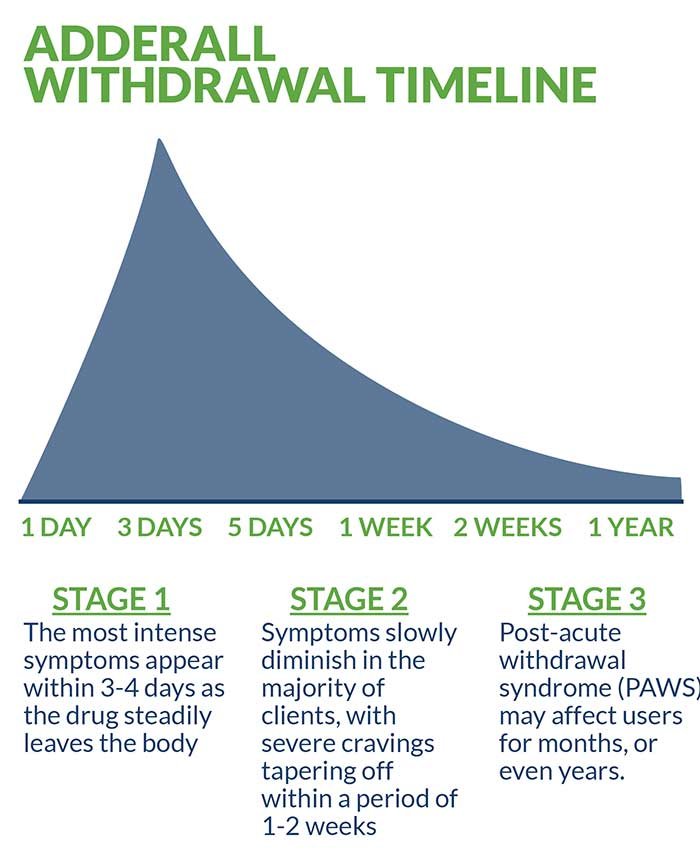
Withdrawal symptoms generally begin within 1-3 days after ceasing the medication. While the timing can vary, most symptoms peak within the first week. Research suggests that individuals who have used the medication for a longer duration or at higher doses are likely to experience a prolonged withdrawal phase. For many, symptoms can persist anywhere from a week to over a month, particularly among those who have been on the drug long-term.
Individuals who are looking to stop taking Adderall are often advised to do so under medical supervision. Gradual tapering can help reduce the intensity of withdrawal symptoms and lessen the duration. Understanding the symptoms that accompany withdrawal is also crucial in navigating the process effectively.
Common Symptoms of Adderall Withdrawal
Adderall withdrawal manifests through a range of symptoms that can profoundly affect a person’s physical and emotional state. Some of the most common withdrawal symptoms include:
- Fatigue and lethargy: As a stimulant, Adderall boosts energy levels. Withdrawal often causes a dramatic drop in energy, leading to overwhelming fatigue.
- Depression and mood swings: Many report feelings of sadness or irritability that can last throughout the withdrawal process.
- Increased appetite: Users may notice a substantial increase in hunger, leading to potential weight gain after stopping the medication.
- Insomnia or disrupted sleep patterns: Difficulty falling or staying asleep is common as the body readjusts to functioning without the drug.
- Cognitive difficulties: Some individuals experience ‘brain fog,’ characterized by troubles with concentration and memory.
The severity and duration of these symptoms can differ significantly from one person to another. Those who have taken higher doses or have been on the medication for an extended period are more likely to experience more intense symptoms. Additionally, underlying mental health issues such as anxiety or depression can exacerbate some withdrawal symptoms.
The Adderall Withdrawal Timeline
Understanding the timeline of Adderall withdrawal is essential for setting expectations and preparing for the road ahead. Typically, the withdrawal process can be broken down into several key phases:
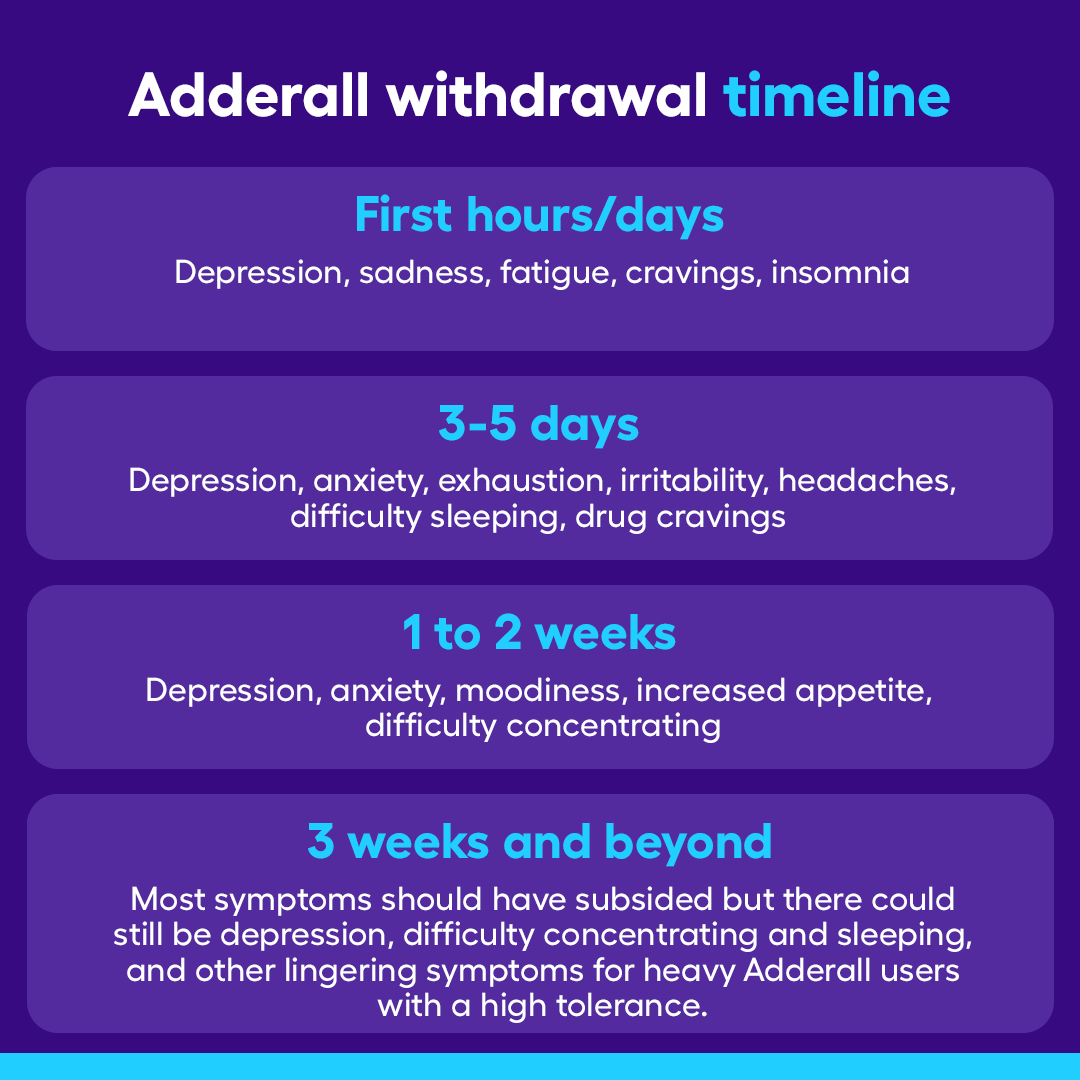
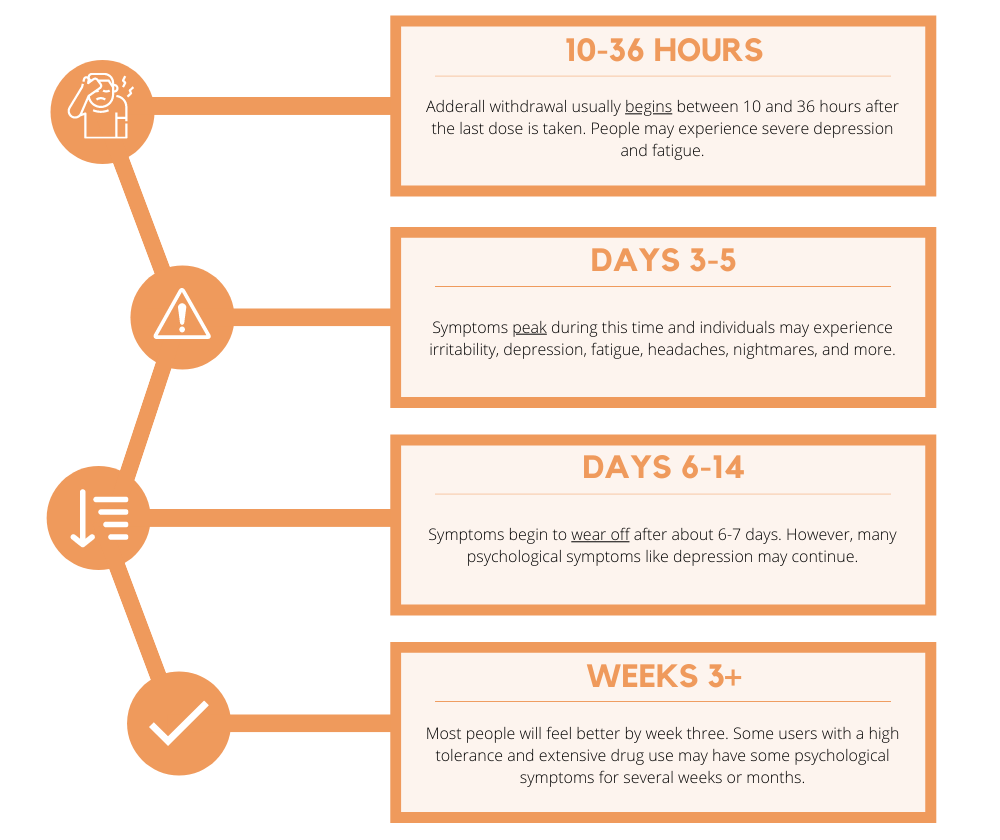
Days 1-3: Withdrawal symptoms typically begin within the first 1 to 3 days after discontinuation. During this initial phase, users may experience fatigue, mood changes, sleep disturbances, and increased appetite. This period is often considered the *acute phase* of withdrawal, where symptoms can be most intense.
Days 4-7: Symptoms may peak during this period. The fatigue and difficulty concentrating tend to worsen, and depression can become more pronounced. Cravings for Adderall could emerge, reflecting the body’s desperation for the substance it has grown accustomed to.
Weeks 2-3: The intensity of symptoms may begin to decline, yet many individuals report lingering effects such as mood swings and cognitive difficulties. This is often described as the *subacute phase* of withdrawal, where improvements are noted but complete recovery is still a distant goal.
Weeks 4 and beyond: Individuals may continue to experience some residual symptoms, and for some, difficulty with mood regulation and focus can persist beyond the withdrawal timeline. A full recovery is highly individualized and can differ based on personal health, lifestyle choices, and support systems.
Factors Influencing Withdrawal Duration
The individual experience of Adderall withdrawal can vary significantly based on several factors, which can influence both the duration and severity of symptoms. Understanding these factors can aid individuals in preparing for what lies ahead.
Dosage and Duration of Use
The quantity of Adderall taken and the length of time it was used are two of the most significant factors affecting withdrawal. Higher doses and long-term use often correlate with a more intense withdrawal experience. Those who use Adderall recreationally or in higher-than-prescribed doses might find that their withdrawal symptoms last longer than those utilizing the medication as prescribed.
Individual Physiology
Everyone’s body reacts differently to medications, and this is particularly true for stimulants like Adderall. Factors such as age, underlying health conditions, and genetic predisposition can play significant roles in how one experiences withdrawal. For example, individuals with a history of mood disorders may find that their emotional symptoms are exacerbated during withdrawal.
Co-occurring Conditions
Many individuals prescribed Adderall may also have other mental health conditions. The presence of anxiety, depression, or ADHD itself can complicate the withdrawal experience. These co-occurring conditions may prolong the recovery process, necessitating professional support and management.
Managing Adderall Withdrawal Symptoms
Managing the symptoms of Adderall withdrawal is critical for reducing discomfort and facilitating recovery. Here are several strategies that can be employed:
Gradual Tapering
Smoothly transitioning off Adderall rather than stopping abruptly can significantly mitigate withdrawal symptoms. Consulting a physician or therapist can assist in developing a tapering schedule that lowers dosage slowly over time, allowing the body to adjust more comfortably.
Seeking Professional Support
In instances of severe withdrawal, professional treatment may be warranted. Detox programs can provide medical supervision to ensure safety and comfort. Healthcare providers can also offer medications to manage specific withdrawal symptoms, aiding in a smoother recovery.
Establishing a Support System
Having a robust support system is invaluable during the withdrawal phase. Friends, family, and support groups can provide encouragement and understanding, helping individuals navigate the challenges they face. Sharing experiences with others who have gone through similar situations can also foster a sense of community and reduce feelings of isolation.
Healthy Lifestyle Choices
Adopting a healthy lifestyle can significantly impact the withdrawal process. Engaging in regular physical activity can boost mood, enhance energy levels, and improve overall mental well-being. Likewise, a balanced diet, hydration, and good sleep hygiene are vital components of recovery.
Mindfulness and Stress Reduction Techniques
Mindfulness practices such as meditation, yoga, or deep-breathing exercises can help manage stress and anxiety during withdrawal. These practices encourage relaxation and assist in emotional regulation, which can offer relief from some psychological symptoms associated with the process.
When to Seek Help
Recognizing when it is necessary to seek help during Adderall withdrawal is crucial. While some individuals may manage their symptoms with self-care and support, others may find that withdrawal leads to severe emotional distress or physical complications. Signs that professional intervention is needed include:
- Persistent depression or suicidal thoughts
- Severe anxiety or panic attacks
- Physical symptoms that worsen or become unmanageable
- Inability to function in daily life or unsafe behaviors
If these warning signs present themselves, it’s essential to reach out to a healthcare professional immediately. A mental health expert can offer critical support and resources necessary for recovery. Furthermore, integrating therapy or counseling during this time can significantly help in addressing underlying mental health issues that may have contributed to the use of Adderall initially.
Common Myths About Adderall Withdrawal
As awareness of Adderall withdrawal increases, so does the prevalence of misconceptions that can hinder effective management. Understanding the truth behind these myths can empower individuals in their recovery journey.
Myth 1: Withdrawal is Just Like Other Stimulants
While Adderall is a stimulant, its withdrawal experience can be quite different from other stimulants like cocaine. Adderall withdrawal typically includes prolonged symptoms, encompassing emotional and psychological challenges. It’s important to recognize that each substance has its unique withdrawal profile and should not be generalized.
Myth 2: You Can Stop Whenever You Want
Another common myth is that individuals can simply stop using Adderall whenever they choose without consequences. In reality, withdrawal can be uncomfortable and overwhelming. Abrupt cessation can trigger severe symptoms, significantly impacting a person’s ability to function and recover effectively.
Myth 3: Withdrawal Only Affects Those Who Abuse the Drug
This myth suggests that only those who misuse Adderall experience withdrawal symptoms. However, even users who take the medication as prescribed can encounter withdrawal when they stop taking it, especially if it has been used long-term.
Frequently Asked Questions About Adderall Withdrawal
1. How long does Adderall withdrawal typically last?
The duration of Adderall withdrawal varies from person to person. It generally lasts between 1 to 3 weeks, with most symptoms peaking within the first week. Some individuals may experience residual symptoms for a longer period, depending on their usage and individual factors.
2. What are the most common symptoms of Adderall withdrawal?
Common withdrawal symptoms can include fatigue, depression, increased appetite, insomnia, and cognitive difficulties. The intensity of these symptoms can vary based on factors such as dosage and duration of use.
3. Can I manage withdrawal symptoms on my own?
Many individuals may find that they can manage mild symptoms through lifestyle changes, support systems, and gradual tapering. However, if symptoms are severe or debilitating, seeking professional help is recommended.
4. Is it safe to stop taking Adderall abruptly?
Stopping Adderall abruptly can lead to intense withdrawal symptoms, and it is generally not recommended. Gradual tapering under the supervision of a healthcare provider is the most effective way to minimize discomfort.
5. When should I seek medical help for withdrawal symptoms?
If you experience severe depression, anxiety, or any physical symptoms that become unmanageable, it is crucial to seek medical help. Listening to your body and recognizing when you need additional support is essential for a safe recovery.
6. What is the best way to cope with withdrawal symptoms?
Effective coping strategies include gradual tapering, establishing a strong support network, maintaining a healthy lifestyle, and integrating mindfulness practices. Each individual might find different strategies that resonate with them during withdrawal.
7. Can therapy help during Adderall withdrawal?
Yes, therapy can provide valuable support during the withdrawal process. Counseling can help address underlying mental health issues and develop coping strategies for managing symptoms, making it a beneficial part of recovery.
Conclusion
Understanding how long Adderall withdrawal lasts and what symptoms to expect is vitally important for anyone contemplating discontinuation of the medication. The range of withdrawal symptoms can be challenging, influenced by numerous factors including dosage, duration of use, and individual physiology. By equipping oneself with knowledge, seeking appropriate support, and implementing effective coping strategies, individuals can navigate this challenging process more successfully.
Withdrawal does not have to be a solitary experience, as there are numerous resources and communities available for support. Engaging with healthcare professionals, support groups, and mental health services can provide the necessary assistance needed during this transformative phase.
Ultimately, the journey towards recovery is undoubtedly personal, but knowing what to expect and how to manage symptoms can significantly ease the process. If you or someone you know is considering stopping Adderall, remember that you are not alone and that help is available.
