🏠 Stay at home! 25% discount on all medicines


Adderall vs Ritalin: Comprehensive Guide to ADHD Medications

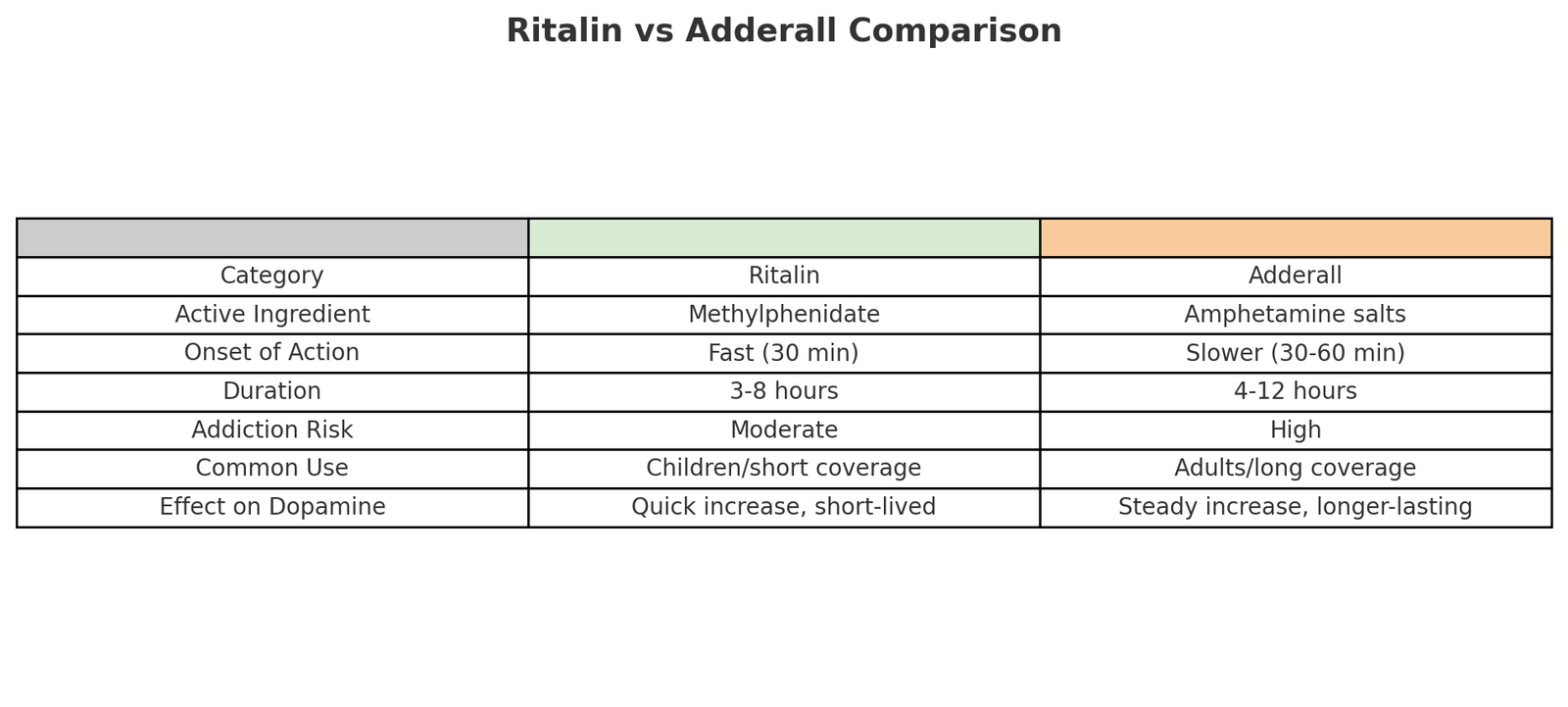
The landscape of mental health treatment, particularly for attention-deficit hyperactivity disorder (ADHD), often revolves around various stimulant medications. Among the most commonly prescribed are Adderall and Ritalin, both of which have been proven effective in managing symptoms of ADHD. However, they work differently in the brain and come with distinct profiles in terms of onset, duration, and potential side effects.
Statistics indicate that nearly 6.1 million children, or about 9.4% of youths aged 2 to 17, have received an ADHD diagnosis, according to the CDC. This creates a significant demand for effective treatment options, and understanding the differences between Adderall and Ritalin is crucial for parents and patients alike.
In this article, we explore the intricate details of these two medications, from their chemical makeups and mechanisms of action to their dosing regimens and side effects. By the end, you’ll have a comprehensive understanding of which medication might be more suitable based on individual needs.
Understanding the Basic Differences: Adderall and Ritalin Defined
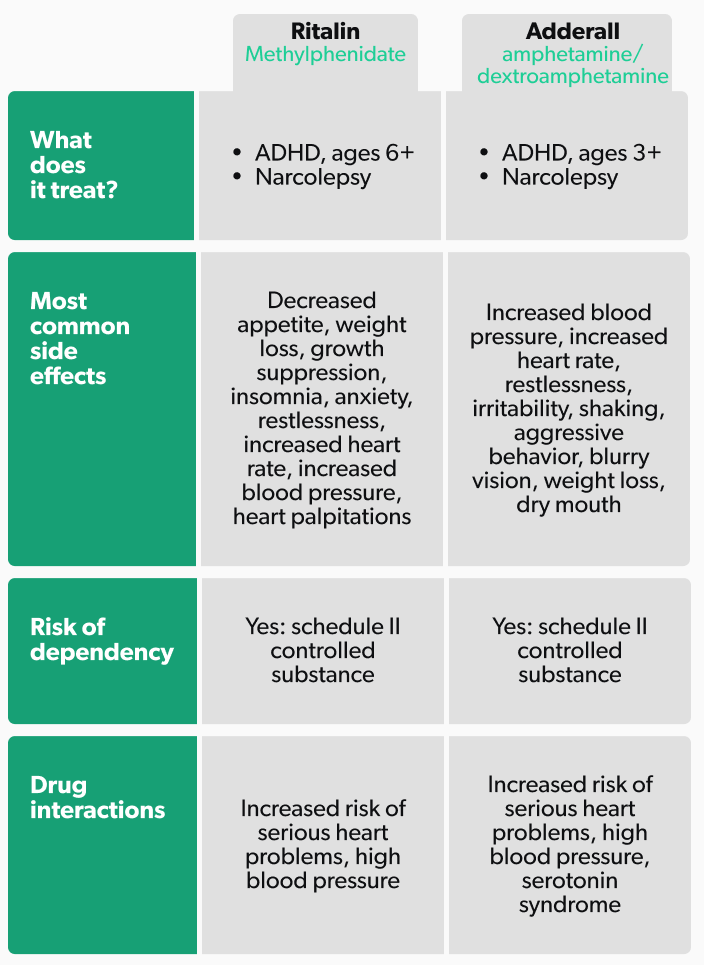
To grasp the nuances of Adderall vs Ritalin, it’s essential to start with their basic definitions and active ingredients. Adderall is comprised of a mixture of amphetamine salts, specifically a combination of amphetamine and dextroamphetamine. This combination primarily stimulates the central nervous system (CNS) and tends to deliver a more pronounced and sustained response over time.
On the other hand, Ritalin’s active ingredient is methylphenidate. While it also acts as a stimulant, methylphenidate works differently in the brain, primarily affecting the neurotransmitters dopamine and norepinephrine. This difference plays a pivotal role in how each medication impacts individuals diagnosed with ADHD. As a result, the choice between Ritalin and Adderall may ultimately come down to how these ingredients affect the individual patient.
Both medications target the brain’s neurochemical pathways, yet they do so with different time courses and effects. This distinction affects not only their efficacy but also how individuals experience side effects and their overall treatment journey.
Pharmacokinetics: How Each Medication Works in the Body
The pharmacokinetics – which involve how a drug is absorbed, distributed, metabolized, and excreted – reveals important implications for clinical use. Adderall is typically known for having a longer half-life compared to Ritalin, meaning it remains effective in the system for a longer duration. This often results in patients taking fewer doses of Adderall throughout the day. Adderall can last between 8 to 12 hours, depending on the formulation.
Conversely, Ritalin generally has a shorter duration of action, ranging from 3 to 4 hours for immediate-release formulations. Consequently, patients may find themselves needing to take multiple doses of Ritalin throughout the day to maintain the desired therapeutic effects. This can be particularly relevant for children in school settings, where timed medication can be crucial for maintaining focus.
Additionally, Ritalin tends to kick in relatively quickly – often within 30 to 60 minutes after administration – making it suitable for those who might need rapid relief from symptoms. Adderall, while slower to start working (over 1 to 2 hours for many), provides a more prolonged effect, which can be beneficial for maintaining concentration throughout entire workdays or school hours.
Dosage Considerations: How Much Should You Take?
When it comes to dosage, Adderall and Ritalin present different guidelines. Both medications are typically available in immediate-release and extended-release formulations, offering physicians the flexibility to tailor treatment to the needs of the patient.
What Are the Standard Dosages for Each Drug?
The typical initial dose for Adderall in adults ranges from 5 mg to 10 mg daily, with possible increments of 5 mg at weekly intervals until optimal control is reached or side effects necessitate a reduction. The maximum recommended dose can be as high as 40 mg to 60 mg per day, but this varies based on individual tolerance and response.
In comparison, the initial dose for Ritalin usually starts around 5 mg, with potential increases of 5 mg to 10 mg weekly. The maximum daily dose can reach 60 mg, although many patients find effective management with lower amounts. Ritalin also has various formulations that provide flexibility for practical dosing considerations.
How Should Patients Approach Dosage Adjustments?
Determining the appropriate dosage should always be a collaborative process between the physician and the patient. An approach of initiating with lower doses and gradually increasing as needed often helps in identifying the effective minimum dose while mitigating potential side effects. With express emphasis on monitoring how each individual responds to the medication, adjustments may lead to optimal therapeutic outcomes.
Exploring Side Effects: Comparing Risks and Effects
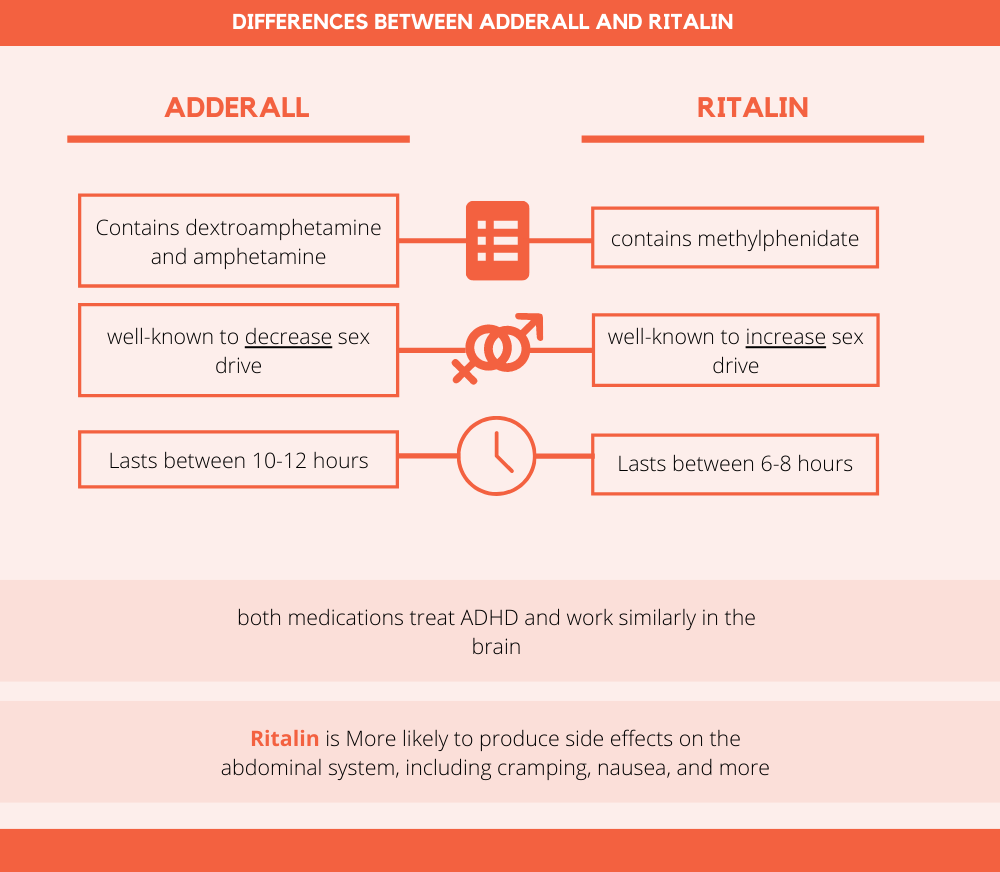
Side effects can be a significant concern when considering any medication, and both Adderall and Ritalin are no exception. Understanding common side effects, as well as rare yet severe reactions, will aid in making a well-informed decision.
What Are Common Side Effects of Adderall?
Adderall users frequently report side effects that can range from mild to severe. Commonly noted issues include insomnia, nervousness, and decreased appetite. Patients might also experience headache or gastrointestinal disturbances such as dry mouth and constipation. While most side effects are temporary, the potential for heightened anxiety or restlessness can persist in some individuals, necessitating monitoring.
In rare cases, Adderall can lead to serious cardiovascular issues, including elevated heart rate and blood pressure. Mental health problems, such as sudden mood changes or psychosis, although very rare, should also be taken seriously when using this medication.
What About Ritalin’s Side Effects?
Ritalin’s side effects share some similarities with Adderall but can differ in occurrences and severity. Many patients report experiences like nervousness, insomnia, and loss of appetite. However, Ritalin can also present risks such as increased heart rate and elevated blood pressure, much like its counterpart.
What sets Ritalin apart, however, is its potential for some individuals to experience a more pronounced effect on anxiety, leading to feelings of restlessness or agitation. This can affect treatment progress and should be carefully managed. Permanent side effects, while rare, can include changes to the heartbeat and the potential development of tics or other movement disorders.
How Should Patients Manage Potential Side Effects?
Patients prescribed either medication should undergo regular follow-ups with their healthcare provider. Documenting any side effects and how they impact day-to-day activities can provide valuable insights for readjusting medications if necessary. Utilizing additional behavioral strategies and therapeutic interventions can complement pharmacologic treatment, maximizing overall effectiveness while managing side effects.
Which Medication Is Better for Adults with ADHD?
The question of whether Adderall or Ritalin is better suited for adults remains highly individualized and often depends on specific patient profiles. While research has indicated both medications can have beneficial outcomes in managing adult ADHD symptoms, preferences may vary significantly.
Are There Differences in Effectiveness for Adults?
According to various studies, Adderall has been associated with consistently higher rates of effectiveness in many adult patients compared to Ritalin, particularly for those with more severe symptoms. Many adult users of Adderall cite improvement in focus, task completion, and overall management of distractibility.
Meanwhile, Ritalin may benefit adults who are particularly sensitive to the longer-lasting effects of Adderall and prefer greater flexibility in their medication schedule. While less potent for some, the shorter half-life of Ritalin could result in fewer overall side effects for certain users who struggle with continuous stimulation throughout the day.
What Factors Should Influence the Choice Between the Two?
The choice will often rest upon healthcare provider recommendations, patient histories, and preferences concerning potential side effects. Individual lifestyle factors, such as work schedules, school timings, and hobbies, are significant in determining the right medication. Understanding these nuances will aid in making meaningful choices that enhance daily functioning.
Medication Interactions: Understanding Comorbidity Risks
Drugs used to treat ADHD may interact with various other substances, either increasing the risk of side effects or reducing the medication’s effectiveness.
Can Adderall and Ritalin Interact with Other Medications?
Both Adderall and Ritalin can interact with medications that affect the serotonin system, potentially elevating the risk of serotonin syndrome. Anti-seizure medications can also alter the effectiveness of both stimulant types, leading to increased seizure susceptibility.
Patients using monoamine oxidase inhibitors (MAOIs) should avoid taking either medication due to dangerous interactions. The risk of cardiovascular complications can heighten when combined with other stimulant therapies. It is crucial for patients to disclose all medications, supplements, or herbal products they are taking during their medical consultations.
What Other Conditions Should Be Accounted For?
In addition to other prescribed medications, pre-existing health conditions may also play a role in choosing between Adderall and Ritalin. For patients with a history of cardiovascular issues, either medication might require extra caution or even be contraindicated. Additionally, individuals with a prior history of substance abuse should engage in comprehensive evaluations with their healthcare providers to determine the safest approach for management.
Recreational Use: A Dangerous Misuse of Medication
While both medications are medically approved for treating ADHD, misuse and recreational use have become increasingly alarming. Some individuals seeking to enhance cognitive performance or euphoria may misuse these substances. Understanding the implications of such misuse is essential.
Is There a Risk of Addiction with Adderall and Ritalin?
Both Adderall and Ritalin are classified as Schedule II controlled substances in the United States, indicating they have a high potential for dependence and abuse. Research has shown that misuse is notably higher among adolescents and young adults, often driven by peer pressure or academic stress. The risks of addiction, overdose, and the potential for severe health complications are exacerbated when these medications are used without appropriate medical supervision.
What Consequences Can Result from Misuse?
Misuse of Adderall and Ritalin can lead to significant adverse consequences, including serious psychological responses, intensified anxiety, increased heart rate, and even dangerous cardiovascular events. Users may also experience withdrawal symptoms upon cessation after sustained misuse. Educating users and their guardians about the potential dangers linked to non-medical use is crucial for public health awareness.
Frequently Asked Questions
What are the long-term effects of using Adderall or Ritalin?
Long-term use of either medication may produce unique implications. Although both are effective at managing ADHD symptoms, potential consequences can include growth suppression in children, increased risk of cardiovascular issues, and reliance on the medication for daily functioning. Regular follow-ups with healthcare providers enable monitoring of these effects and the opportunity for adjustments in treatment if necessary.
Can you switch from one medication to another easily?
Switching between Adderall and Ritalin can be done, but it requires careful consideration and consultation with a healthcare provider. The two medications work differently, so it’s important to evaluate each person’s unique responses and determine if any transitional guidelines or waiting periods are necessary to prevent uncomfortable side effects.
Are there non-stimulant alternatives to Adderall and Ritalin?
Yes! Non-stimulant medications such as atomoxetine (Strattera) and guanfacine (Intuniv) serve as alternatives. These medications can be more suitable for individuals who experience anxiety or adverse effects from stimulants or for whom stimulants are contraindicated due to other health conditions.
What to do if one medication doesn’t work for me?
If a particular medication is ineffective or produces intolerable side effects, it’s crucial to consult with a healthcare provider. They may recommend a medication adjustment, alternative options, or complementary behavioral therapies that might enhance treatment efficacy.
How does the insurance coverage differ between Adderall and Ritalin?
Insurance coverage for Adderall and Ritalin can vary depending on the specific policy, the tiered structure of the formulary, and the preferred medication list. It’s vital for patients to verify coverage specifics with their insurance provider, as some plans may offer preferred pricing for one medication over the other.
Conclusion
Understanding the differences between Adderall and Ritalin is pivotal in managing ADHD effectively. While both medications offer similar benefits, their differences in chemical makeup, duration of action, side effects, and interactions greatly affect individual treatment pathways.
Ultimately, the choice between Adderall and Ritalin should be made in collaboration with healthcare providers, always considering individual symptoms, side effects, and lifestyle factors. Continuous monitoring and open communication can help patients find the medication that works best for their specific circumstances.
As the attention and behavioral landscape continues to evolve, staying informed about treatment options and engaging proactively with healthcare professionals is the key to achieving the best possible outcomes in managing ADHD.
