🏠 Stay at home! 25% discount on all medicines


Adderall vs Focalin: A Comprehensive Comparison of ADHD Treatments

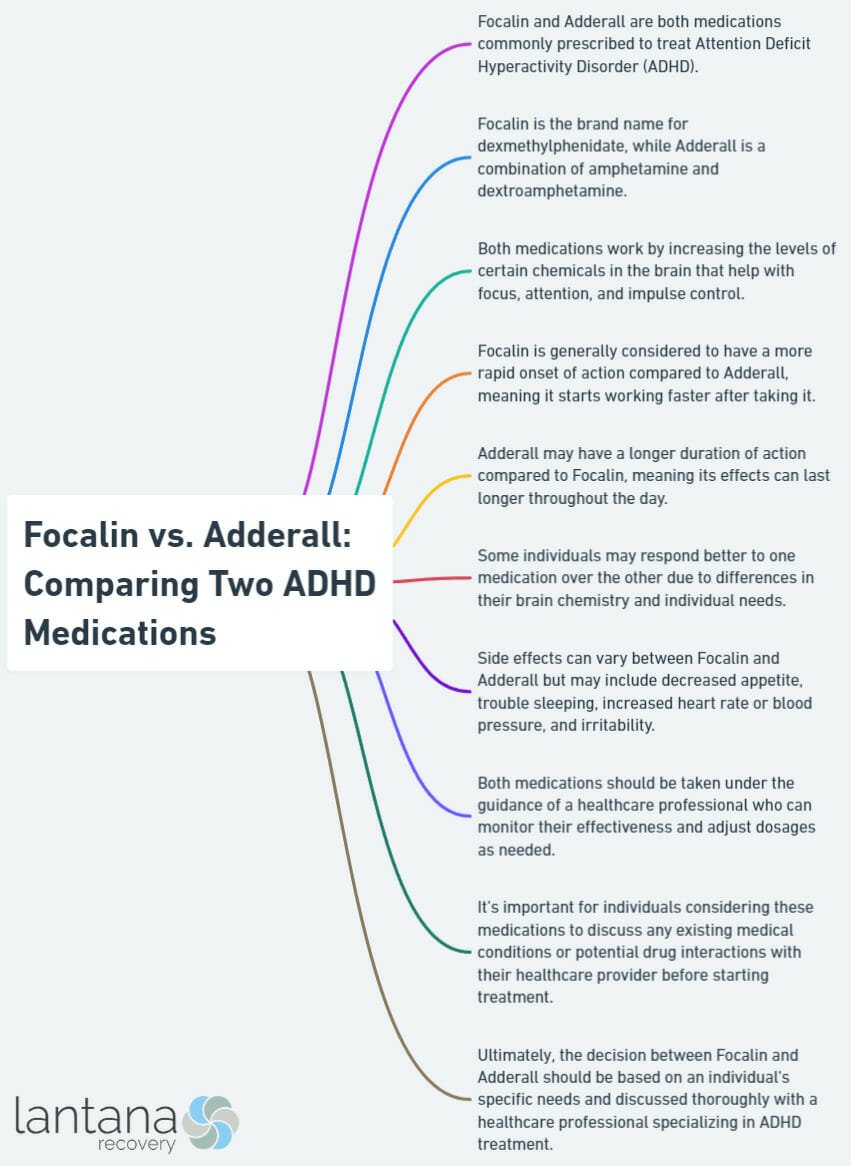
The prevalence of Attention Deficit Hyperactivity Disorder (ADHD) has made it imperative for healthcare professionals and patients alike to understand the various treatment options available. According to the CDC, around 6.1 million children in the United States have been diagnosed with ADHD, which has led to the increasing use of stimulant medications. Among these medications, Adderall and Focalin stand out as two of the most commonly prescribed options.
While both medications are effective in managing the symptoms of ADHD, they serve slightly different purposes and have different effects on the brain. Understanding these differences can help patients and caregivers make informed decisions about their treatment options. In this article, we explore the pharmacology, effectiveness, potential side effects, and much more surrounding the comparison between Adderall and Focalin.
This extensive guide aims to provide a well-rounded perspective on both medications, shedding light on their unique characteristics, benefits, and drawbacks. Whether you are a parent seeking appropriate medication options for your child, or an adult managing your own ADHD, this article will equip you with the knowledge necessary to understand why a healthcare provider may choose one over the other.
Understanding ADHD and the Role of Stimulant Medications
Attention Deficit Hyperactivity Disorder (ADHD) is characterized by symptoms such as difficulties in maintaining attention, hyperactivity, and impulsive behavior. For many individuals, these symptoms can significantly impact daily life, including academic performance, work outcomes, and personal relationships. Stimulant medications have been shown to be effective in alleviating these symptoms, providing a manageable approach for both children and adults diagnosed with ADHD.
Stimulants are categorized as central nervous system (CNS) stimulants and work by increasing the levels of specific neurotransmitters in the brain, primarily dopamine and norepinephrine. Medications like Adderall and Focalin enhance these neurotransmitter actions, promoting improved focus and attention control.
The decision to use stimulant medications commonly stems from a thorough diagnosis, which involves a comprehensive evaluation of the individual’s symptoms, history, and any coexisting conditions. Once diagnosed, healthcare providers carefully weigh the benefits and risks of stimulant medications, including Adderall and Focalin, to determine the most appropriate treatment plan.
What is Adderall and How Does It Work?
Adderall is a prescription medication that consists of a combination of amphetamine salts designed to treat ADHD. It works by increasing the levels of dopamine and norepinephrine in the brain, thus enhancing attention and focus while reducing impulsive behavior. It is available in both immediate-release (Adderall) and extended-release (Adderall XR) formulations, allowing flexibility for daily dosing schedules.
The mechanism of action for Adderall involves the inhibition of certain neurotransmitter reuptake processes, particularly those involving dopamine and norepinephrine. When these substances are released into the synapse, they linger longer, increasing their stimulation effects on the target neurons. This enhances cognitive capabilities, including attention span and impulse control. The improved focus can lead to better academic performance, workplace productivity, and overall quality of life for those diagnosed with ADHD.
Despite its effectiveness, Adderall is classified as a Schedule II controlled substance due to its potential for abuse and dependency. Consequently, individuals prescribed Adderall require careful monitoring by healthcare providers. It is essential to follow prescribed dosages and inform the provider of any side effects experienced while taking the medication.
What is Focalin and How Does It Function?
Focalin, on the other hand, is a medication that contains dexmethylphenidate, which is the active isomer of methylphenidate – the primary ingredient in the widely known ADHD medication, Ritalin. Focalin is designed to target the same neurotransmitters as Adderall but does so in a slightly different manner. It is also available in immediate-release (Focalin) and extended-release (Focalin XR) forms.
The specific action of Focalin involves primarily inhibiting the reuptake of dopamine and norepinephrine, similar to Adderall. However, Focalin’s unique chemical composition allows for potentially more targeted effects, which may result in fewer side effects for some patients. The stimulation of neurotransmitter activity leads to improved attention, reduced hyperactivity, and better impulse control, making it a viable option for those diagnosed with ADHD who require pharmacological treatment.
Again, Focalin is also classified as a Schedule II controlled substance due to its potential for misuse, although its formulation is generally considered to be less prone to abuse compared to amphetamine-based medications like Adderall. Proper follow-up and monitoring by a healthcare provider are essential during Focalin treatment.
How Do Adderall and Focalin Compare? Key Differences Explained
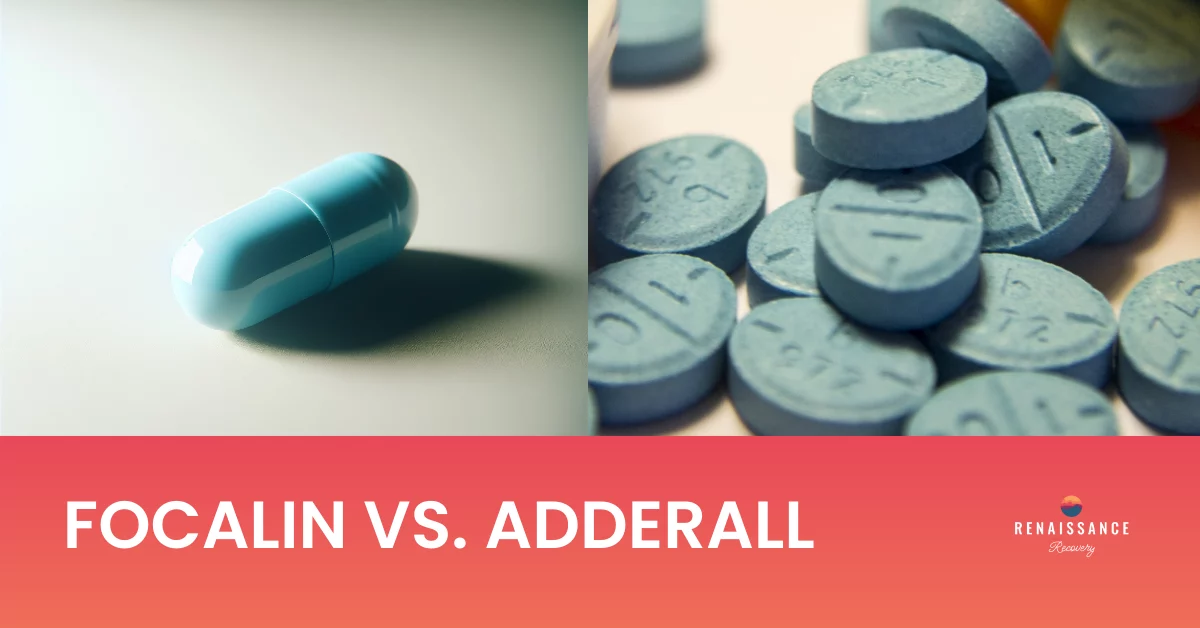
While Adderall and Focalin share similarities in their therapeutic effects on ADHD symptoms, several key differences must be noted. For healthcare providers and patients, understanding these distinctions is crucial in determining which medication may work best for each individual.
The most significant difference lies in their active ingredients: Adderall comprises a mixture of amphetamine salts, whereas Focalin contains dexmethylphenidate. This difference extends to their mechanisms of action, with Focalin concentrating more on how the brain utilizes dopamine, while Adderall contributes to serotonin regulation alongside dopamine and norepinephrine. These subtle differences in action can lead to variations in side effects experienced by users and their overall effectiveness based on specific patient profiles.
In terms of duration of action, both medications have immediate and extended-release formulations. However, the duration varies. Adderall typically has effects lasting 4-6 hours for the immediate-release and 8-12 hours for the extended-release, while Focalin exhibits a shorter duration of action, generally lasting about 4-5 hours for the immediate-release formulation and up to 8 hours with the extended-release version. This may influence decision-making regarding school or work schedules, as some patients prefer medications that last through equally long days.
Side Effects and Health Risks: What to Expect
Using stimulant medications inevitably brings potential side effects that patients should be aware of before starting treatment. Both Adderall and Focalin can cause common adverse effects, including insomnia, anxiety, dry mouth, appetite suppression, increased heart rate, and elevated blood pressure.
Adderall often exhibits stronger side effects concerning cardiovascular issues. This medication can lead to tachycardia and increased blood pressure, potentially posing risks for individuals with pre-existing heart conditions. Healthcare providers often conduct baseline cardiovascular assessments before prescribing Adderall to ensure patient safety.
Focalin, while still presenting risks, is often associated with gentler side effects, making it a more favorable option for certain populations, particularly children and adolescents. However, it still requires monitoring for any cardiovascular effects, especially in younger patients whose health remains dynamic during growth and development.
Effectiveness: Which Medication Is Better for Your Needs?
Determining the efficacy of Adderall versus Focalin is complex, as individual responses to treatment can vary significantly based on multiple factors, including age, health history, and the severity of ADHD symptoms. Some studies suggest that Focalin may be better suited for children and adolescents, as its refined formulation can be more tolerable.
Conversely, adults may find Adderall more effective in managing their symptoms due to its broad-spectrum activity affecting multiple neurotransmitters. This effectiveness can lead to improved focus and increased productivity at work or in academic settings. That said, the selection of the optimal medication often comes down to the individual’s unique experience and feedback.
Healthcare providers may also consider factors such as previous medication trials, personal preferences regarding side effect tolerability, and treatment goals when recommending a specific medication. Therefore, engaging in open discussions with healthcare professionals is essential for anyone considering treatment for ADHD.
Switching Treatments: What to Know
For individuals currently on medication or considering a switch from Adderall to Focalin (or vice versa), it’s essential to have a detailed plan guided by a healthcare professional. The transition between medications is not entirely straightforward, as various factors must be considered.
Most importantly, understanding the differences in dosing between the two medications is crucial. Since they contain different active ingredients with varying potencies, switching should include proper dosage adjustments. A healthcare provider will often recommend titrating down from the current medication while gradually introducing the new one.
Patients should also be prepared for the possibility of different side effects during the transition. For instance, someone who experienced anxiety with Adderall may find that this side effect lessens with Focalin’s smoother release profile. Conversely, negative side effects may vary, and it’s crucial to monitor any changes when beginning the new medication.
Adderall vs. Focalin: User Experiences
User testimonials and anecdotal evidence can offer valuable perspectives on how these medications are experienced in real life. Many patients report finding success with one medication over the other simply based on individual differences in body chemistry and psychological response.
Online forums such as Reddit feature discussions where users share their experiences with both medications. Users commonly refer to feelings of heightened focus, increased motivation, and significant changes in productivity. However, they also candidly share stories of side effects faced, including insomnia and decreased appetite.
Moreover, some individuals report using both medications on a trial basis to see which works better for them. This trial and error approach, while not without its challenges, exemplifies the need for personalized treatment when managing ADHD.
Frequently Asked Questions
What is the primary difference between Adderall and Focalin?
The primary difference between Adderall and Focalin is their active ingredients. Adderall is a combination of amphetamine salts, while Focalin contains dexmethylphenidate, a refined version of methylphenidate. This distinction affects how each medication interacts with neurotransmitters in the brain, leading to varied experiences for users.
Is Focalin considered more powerful than Adderall?
Determining the power of Focalin compared to Adderall depends on individual response. Some users may find Focalin’s targeted effects result in fewer side effects, making it more favorable. However, others may benefit more from Adderall due to its broader activity involving multiple neurotransmitters. Ultimately, efficacy differs for each person and requires medical advice to assess.
Can you switch from Adderall to Focalin safely?
Yes, switching from Adderall to Focalin can be done safely, but it should always be under the guidance of a healthcare provider. An effective transition typically involves gradually tapering off the current medication while introducing the new one, allowing for careful monitoring and adjustments in dosage as needed.
Are there different dosages for Adderall and Focalin?
Yes, both Adderall and Focalin have varying dosages based on the formulation and patients’ individual needs. Adderall typically comes in 5mg, 10mg, 20mg, 30mg dosages, while Focalin is available in dosages ranging from 2.5mg to 10mg. Both medications’ potency differs; hence, proper medical evaluation is necessary to determine the appropriate dosages.
Can children take Focalin or Adderall?
Both medications can be prescribed to children diagnosed with ADHD, but healthcare providers weigh the pros and cons based on each child’s unique circumstances. Focalin is often considered a potential first-line treatment for children due to its formulation and possibly fewer side effects, while Adderall can be effective for those requiring stronger intervention.
What are the long-term effects of taking Adderall or Focalin?
The long-term effects of taking Adderall or Focalin can vary by individual. Potential issues include dependency and cardiovascular problems, especially in adolescents who are still developing. Regular check-ins with a healthcare provider are crucial for managing long-term use and monitoring any emerging side effects or health concerns.
Conclusion: Making the Right Choice for ADHD Management
Adderall and Focalin are both effective medications for managing ADHD symptoms, yet their distinctions demand careful consideration when selecting the appropriate option. From differences in active ingredients and duration of action to potential side effects, both medications can offer unique benefits depending on individual needs.
The choice often hinges on factors such as age, underlying health conditions, lifestyle preferences, and past experiences with ADHD medications. Open communication with healthcare providers remains paramount in navigating these choices, ensuring that the selected treatment aligns with personal health goals.
Ultimately, achieving effective ADHD management requires patience, attentiveness, and a collaborative approach to treatment. Whether an individual leans toward Adderall, Focalin, or an alternative option, the path to effective symptom relief is achievable with informed choices and professional guidance.
